
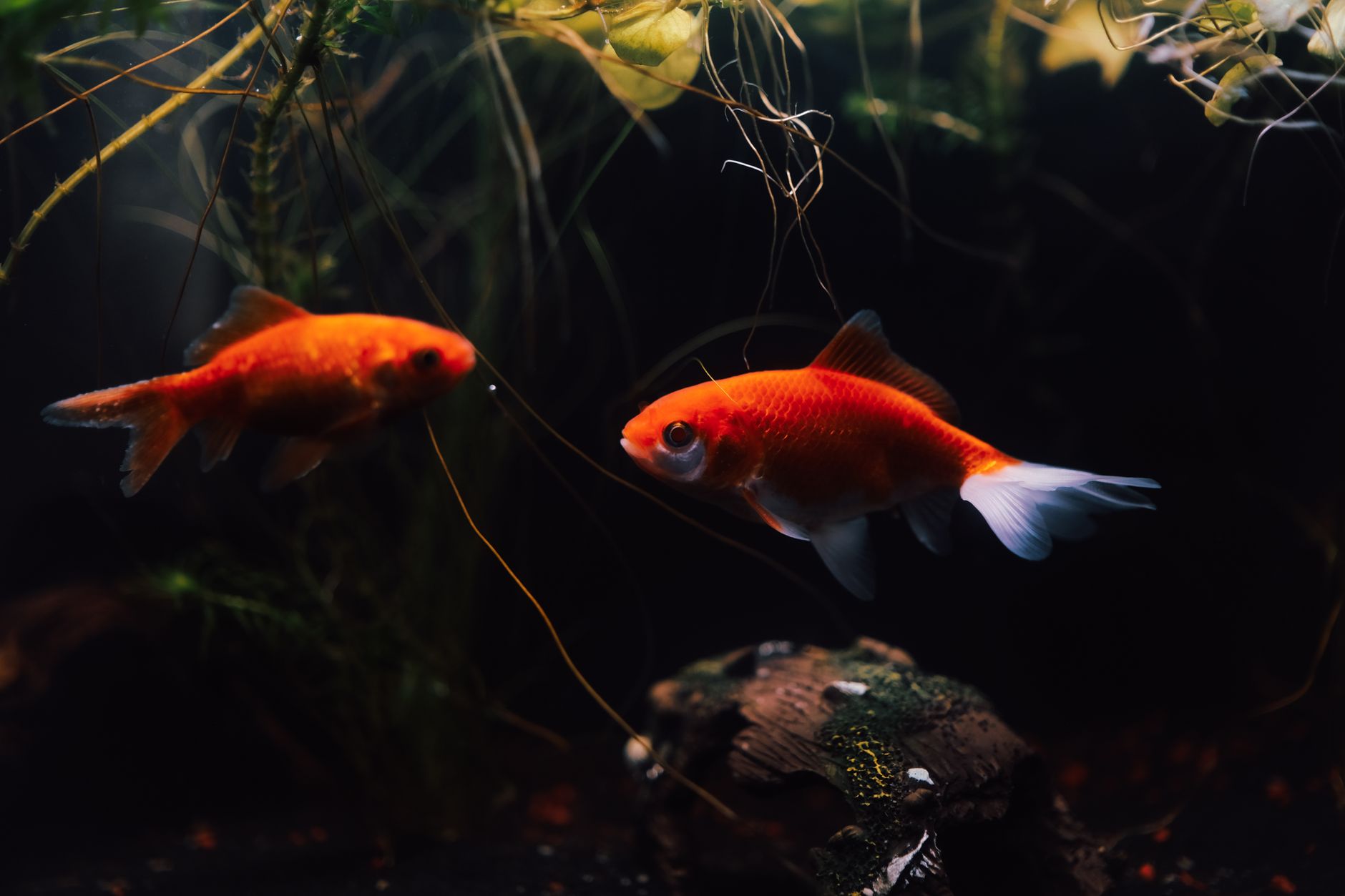
Are Goldfish Sensitive to Water? The Undeniable Truth
Yes, goldfish are extremely sensitive to water, and maintaining optimal water quality is absolutely critical to their health and survival. Poor water conditions are the leading cause of illness and death in these popular pets.
Introduction: The Silent Struggle of the Captive Goldfish
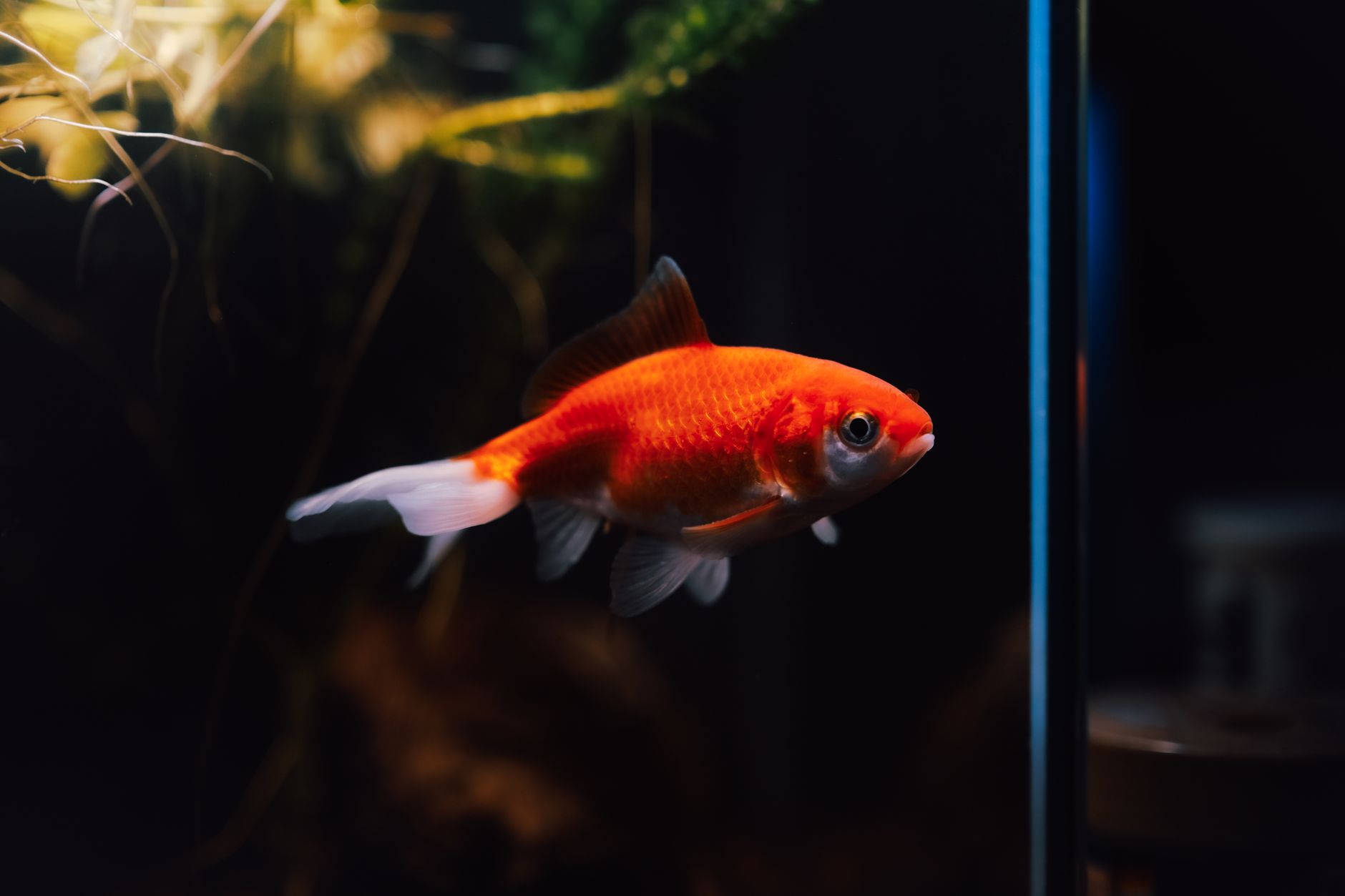
The seemingly simple goldfish, often relegated to small bowls or neglected tanks, are actually remarkably sensitive creatures, particularly when it comes to their aquatic environment. Understanding just how sensitive they are to water is the first step in providing them with a happy and healthy life. Goldfish, unlike some other fish species, have been bred for generations and are therefore susceptible to numerous health problems exacerbated by poor water conditions. This article will delve into the complexities of goldfish sensitivity to water, exploring the reasons behind their vulnerability and offering practical guidance for ensuring their well-being. Are goldfish sensitive to water? The answer, explored below, is a resounding yes.

Can planaria live in bottled water?
Can fish hear water?
Do carbon filters remove water hardness?
What is the GREY African clawed frog?
Why Water Quality Matters to Goldfish

Goldfish, like all fish, rely on water for every aspect of their existence: breathing, waste elimination, and maintaining osmotic balance (regulating internal salt and water levels). When water quality deteriorates, these essential functions are compromised, leading to stress, illness, and ultimately, death. The following are key factors:
- Ammonia: A highly toxic byproduct of goldfish metabolism. Even small amounts can cause severe damage to their gills and internal organs.
- Nitrite: Another toxic compound, converted from ammonia by beneficial bacteria in a properly cycled aquarium. Nitrite poisoning is just as deadly as ammonia poisoning.
- Nitrate: A less toxic, but still harmful, end product of the nitrogen cycle. High nitrate levels contribute to stress and algae growth.
- pH Levels: Goldfish prefer a stable pH between 6.5 and 7.5. Sudden fluctuations can cause pH shock, leading to severe health problems.
- Temperature: Goldfish are coldwater fish, thriving in temperatures between 65°F and 72°F (18°C and 22°C). Extreme temperature swings can weaken their immune system and make them more susceptible to disease.
The Nitrogen Cycle: Goldfish Keeping’s Foundation
The nitrogen cycle is the cornerstone of healthy goldfish keeping. Understanding how this cycle works is crucial for maintaining a stable and healthy aquatic environment.
- Goldfish Produce Waste: Goldfish excrete ammonia, a toxic waste product.
- Beneficial Bacteria Convert Ammonia to Nitrite: Nitrosomonas bacteria convert ammonia into nitrite, which is still toxic.
- Beneficial Bacteria Convert Nitrite to Nitrate: Nitrobacter bacteria convert nitrite into nitrate, which is less toxic but still needs to be managed.
- Water Changes Remove Nitrate: Regular water changes are essential to remove accumulated nitrate and replenish essential minerals.
An aquarium that has successfully established this cycle is considered “cycled.”
Visual Signs of Water Quality Issues in Goldfish
Recognizing the signs of poor water quality is essential for timely intervention. Goldfish exhibit a variety of symptoms when their environment is not optimal.
- Gasping at the Surface: Indicates low oxygen levels, often caused by high ammonia or nitrite levels.
- Clamped Fins: Fins held close to the body, a sign of stress or illness.
- Lethargy: Reduced activity and a general lack of energy.
- Loss of Appetite: Indicates stress or illness.
- Red Streaks on Fins or Body: Signifies ammonia or nitrite poisoning.
- Erratic Swimming: Can be a sign of swim bladder disorder, often exacerbated by poor water quality.
Preventing Water Quality Problems: Proactive Measures
Preventing water quality issues is always better than trying to cure them. These proactive steps are essential:
- Adequate Tank Size: Goldfish need plenty of space. A minimum of 20 gallons per goldfish is recommended, with larger tanks being preferable.
- Powerful Filtration: A filter that can process several times the tank’s volume per hour is essential for removing waste and maintaining water clarity.
- Regular Water Changes: Performing partial water changes (25-50%) weekly is crucial for removing nitrates and replenishing essential minerals.
- Proper Feeding: Avoid overfeeding, as uneaten food contributes to water pollution.
- Careful Stocking: Avoid overcrowding the tank, as this increases the bioload and makes it harder to maintain water quality.
- Using a Water Conditioner: Tap water contains chlorine and chloramine, which are toxic to fish. Always use a water conditioner to neutralize these chemicals.
Water Testing: A Window into Your Goldfish’s World
Regular water testing is the most accurate way to assess water quality and identify potential problems before they become critical. Test kits are readily available at pet stores or online.
- Ammonia Test: Measures the level of ammonia in the water. Should always be 0 ppm in a cycled tank.
- Nitrite Test: Measures the level of nitrite in the water. Should also be 0 ppm in a cycled tank.
- Nitrate Test: Measures the level of nitrate in the water. Should be kept below 20 ppm.
- pH Test: Measures the acidity or alkalinity of the water. Should be stable within the goldfish’s preferred range of 6.5 to 7.5.
Common Mistakes That Harm Goldfish
Avoiding these common mistakes is essential for ensuring the well-being of your goldfish:
- Keeping Goldfish in Bowls: Bowls are too small and lack adequate filtration and oxygenation, making it impossible to maintain healthy water quality.
- Overfeeding: Overfeeding leads to excess waste and poor water quality.
- Infrequent Water Changes: Neglecting water changes allows harmful substances to accumulate to toxic levels.
- Not Cycling the Tank: Introducing goldfish into an uncycled tank exposes them to deadly levels of ammonia and nitrite.
- Using Tap Water Without Treatment: Tap water contains chlorine and chloramine, which are toxic to fish.
- Ignoring Warning Signs: Failing to recognize and address early signs of water quality problems can lead to serious health issues.
Frequently Asked Questions (FAQs) about Goldfish Sensitivity to Water
Are goldfish really that sensitive to water quality?
Yes, goldfish are exceptionally sensitive to water quality because they produce a large amount of waste for their size. This makes them highly vulnerable to ammonia and nitrite poisoning, requiring meticulous attention to water parameters.
What are the first signs that my goldfish is suffering from poor water quality?
The earliest signs often include gasping at the surface, lethargy, clamped fins, and a loss of appetite. Observing these symptoms requires immediate water testing and corrective action.
How often should I change the water in my goldfish tank?
Weekly water changes of 25-50% are generally recommended, but the frequency may need to be adjusted based on tank size, stocking levels, and water test results. More frequent changes are often necessary for smaller tanks.
What kind of water should I use for water changes?
Use dechlorinated tap water that is the same temperature as the tank water. Always treat the water with a water conditioner to remove chlorine and chloramine.
Can I use bottled water for my goldfish tank?
While bottled water is chlorine-free, it may lack essential minerals and may not be pH-balanced for goldfish. Dechlorinated tap water is generally a better option.
How do I cycle a new goldfish tank?
Cycling a tank involves establishing a colony of beneficial bacteria that convert ammonia and nitrite into less toxic nitrate. This can be done using ammonia products, pure ammonia, or by “seeding” the tank with filter media from an established aquarium.
What is pH shock and how can I prevent it?
pH shock occurs when goldfish are exposed to sudden and significant changes in pH levels. Prevent it by gradually adjusting the pH of the water during water changes and avoiding the use of chemicals that drastically alter pH.
What is the ideal temperature for goldfish?
Goldfish thrive in temperatures between 65°F and 72°F (18°C and 22°C). Avoid exposing them to extreme temperature swings.
Why is overfeeding harmful to goldfish and the water?
Overfeeding leads to excess waste and uneaten food, which decompose and release ammonia into the water. This creates a toxic environment and contributes to algae growth.
Can I use salt in my goldfish tank?
Salt can be used in small amounts to treat certain diseases and improve slime coat production, but it should not be used as a long-term solution or without careful consideration of the specific issue.
What type of filter is best for a goldfish tank?
A powerful filter that provides both mechanical and biological filtration is essential. Canister filters, hang-on-back (HOB) filters, and sponge filters are all suitable options.
If I see cloudy water, does that automatically mean the water is bad for my goldfish?
Cloudy water can indicate a bacterial bloom, which is not always harmful, but it can also be a sign of poor water quality. Test the water to determine the cause and take appropriate action.