
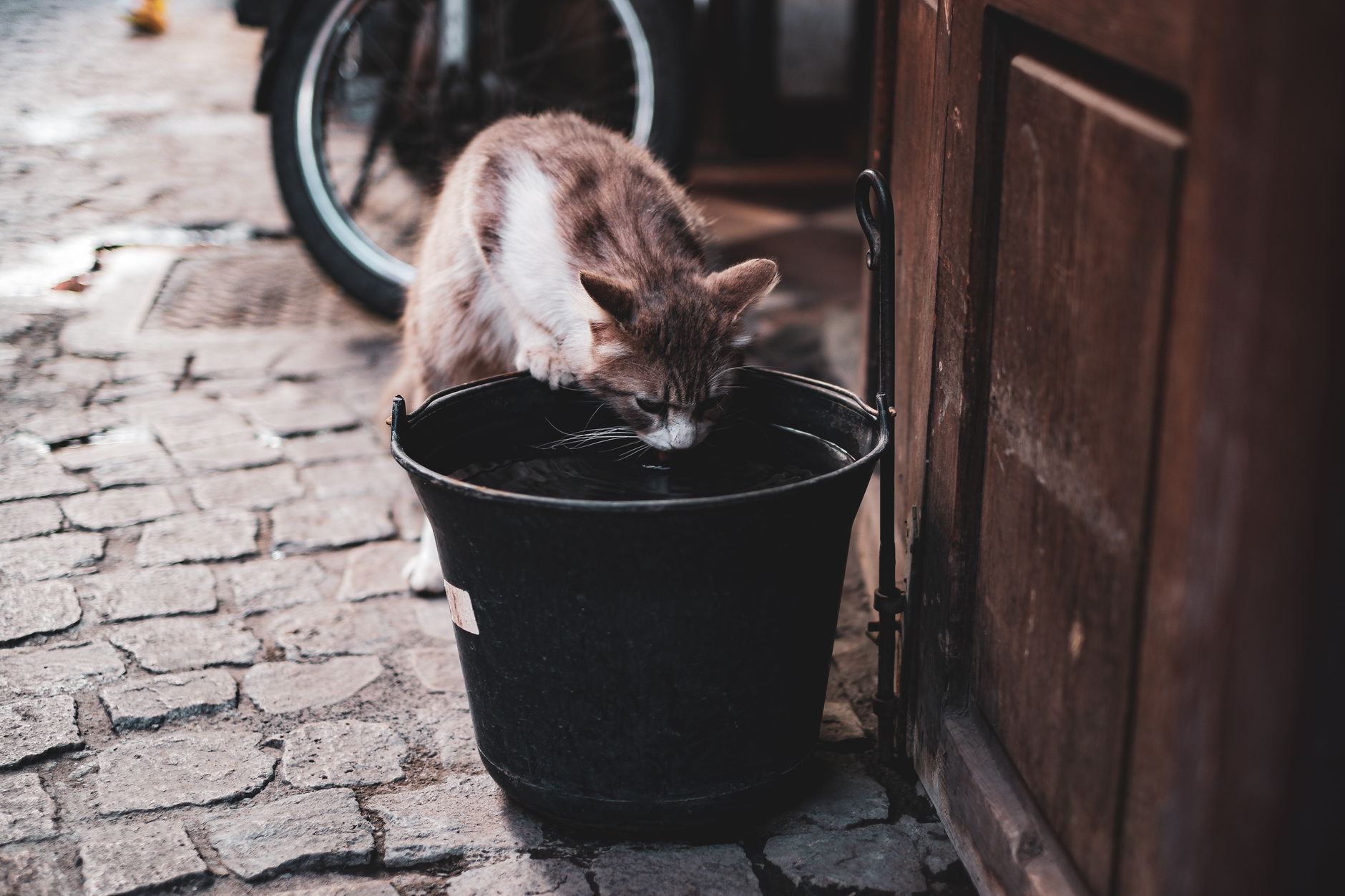
Are Cats Supposed to Drink Tap Water?
The short answer is yes, cats can generally drink tap water, provided it meets the safety standards for human consumption in your area. However, considering certain factors like water hardness, chlorine levels, and potential contaminants is crucial for your cat’s health and well-being.
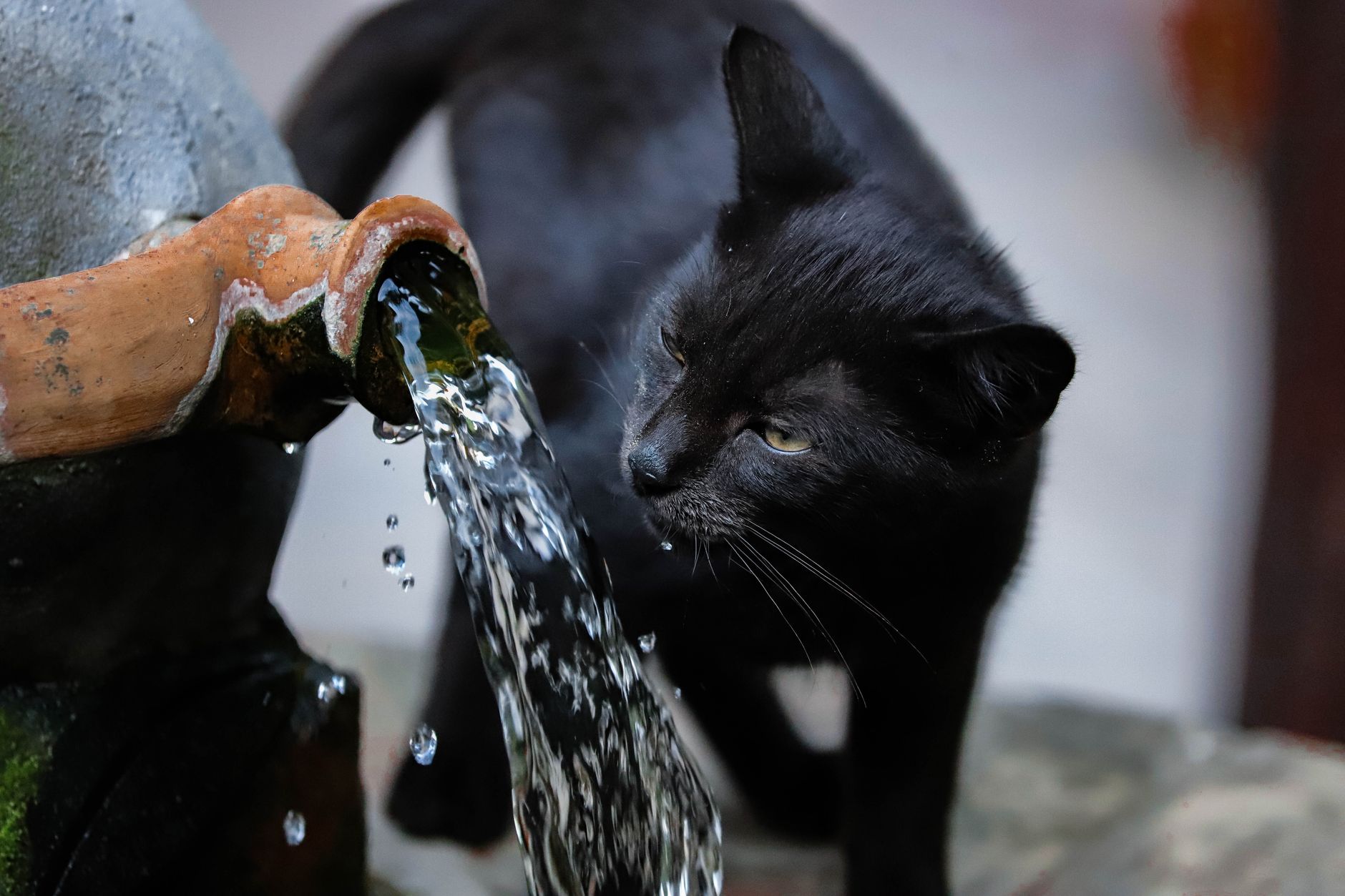
Understanding Your Cat’s Hydration Needs
Cats, descended from desert-dwelling ancestors, naturally have a lower thirst drive than dogs. This can make them prone to dehydration if not carefully monitored. Providing ample, accessible water is crucial for their overall health, impacting kidney function, digestion, and preventing urinary tract issues, a common problem in felines. Dehydration can lead to serious health problems. Ensuring cats have a reliable source of palatable water is therefore paramount.

Can fish hear water?
How do I add oxygen to my goldfish water?
Do carbon filters remove water hardness?
What is the GREY African clawed frog?
Is Tap Water Safe for Cats? Evaluating Water Quality

Are cats supposed to drink tap water? The answer largely depends on the quality of your tap water. In many developed countries, tap water is treated to be safe for human consumption, meaning it’s generally also safe for cats. However, trace amounts of chlorine and other chemicals are often present.
- Chlorine and Chloramine: Used to disinfect water, these can impart an unpleasant taste and odor that some cats dislike. Letting water sit for a few hours allows chlorine to dissipate. Chloramine, however, does not dissipate as easily.
- Hard Water: High mineral content (calcium and magnesium) can potentially contribute to urinary problems in cats.
- Contaminants: Old pipes can leach lead and copper into the water, posing a health risk. Agricultural runoff can also introduce harmful substances.
A water quality report from your local municipality provides insight into the specific components found in your tap water. These reports are usually available online or through contacting your local water authority.
Benefits of Offering Tap Water
Despite the potential concerns, tap water offers some advantages:
- Accessibility: It’s readily available and convenient, making it a consistent water source for your cat.
- Cost-Effective: Significantly cheaper than bottled or filtered water in the long run.
- Familiarity: If your cat is used to tap water, changing the source might lead to reluctance to drink, especially in picky eaters.
Exploring Alternative Water Sources
While tap water is often acceptable, alternative water sources can enhance your cat’s hydration and well-being:
- Filtered Water: Removes chlorine, sediment, and other potential contaminants, improving taste and odor. This is often considered the optimal choice.
- Bottled Water: Avoid distilled water, as it lacks essential minerals. Look for spring or purified water options.
- Cat Water Fountains: Provide a constant supply of fresh, filtered, circulating water, encouraging cats to drink more due to their preference for moving water.
Recognizing Signs of Dehydration
Be alert for signs of dehydration in your cat. Early detection is crucial.
- Lethargy: Unusually tired or inactive.
- Sunken Eyes: Eyes appear less prominent in their sockets.
- Dry Gums: Gums should be moist; dryness indicates dehydration.
- Skin Elasticity: Gently pinch the skin on the back of the neck. If it returns to normal slowly, the cat is likely dehydrated.
- Constipation: Reduced water intake can lead to difficulty passing stool.
If you suspect your cat is dehydrated, consult your veterinarian immediately.
Practical Tips for Ensuring Adequate Hydration
Here are several effective ways to ensure your cat drinks enough water:
- Multiple Water Stations: Place water bowls in different locations around the house, away from food bowls (cats don’t like their water near their food).
- Variety of Bowls: Experiment with different materials (ceramic, glass, stainless steel) and shapes to find what your cat prefers.
- Fresh Water Daily: Replenish water bowls at least once a day, even more frequently in warm weather.
- Wet Food: Incorporate wet food into your cat’s diet. Canned food has a high moisture content, significantly contributing to hydration.
- Flavor Enhancement: Add a small amount of tuna juice (unsalted) or chicken broth (low sodium) to the water to entice drinking, but use sparingly as a regular substitute.
The Role of Diet in Hydration
A cat’s diet significantly impacts its hydration levels. Wet food is approximately 70-80% water, while dry kibble contains only about 10% water. A cat exclusively on a dry food diet needs to drink significantly more water than one eating wet food. Consider a mix of wet and dry food to balance nutritional needs and hydration.
Comparing Water Options: A Quick Guide
| Water Type | Pros | Cons |
|---|---|---|
| Tap Water | Readily available, cost-effective | Potential for contaminants, taste/odor issues, hard water |
| Filtered Water | Removes impurities, improves taste | Requires filter maintenance, can be more expensive than tap water |
| Bottled Water | Convenient, readily available (choose spring or purified) | Can be costly, environmental impact of plastic waste, avoid distilled water |
| Fountains | Encourages drinking, often filtered | Requires cleaning and maintenance, initial investment |
Frequently Asked Questions (FAQs)
Is it okay to give my cat ice water?
Yes, ice water is generally safe for cats in moderate amounts. Some cats enjoy the novelty of ice cubes in their water, which can encourage them to drink more. However, avoid giving excessive amounts of ice water too quickly, as it could potentially cause stomach upset in sensitive cats.
Can tap water cause urinary problems in cats?
Whether are cats supposed to drink tap water depends on the water. While tap water itself doesn’t directly cause urinary problems, hard water, which contains high levels of minerals like calcium and magnesium, could potentially contribute to the development of urinary crystals or stones in susceptible cats. Always consult your veterinarian if you suspect urinary issues.
How can I tell if my cat likes the water I’m giving them?
Observe your cat’s behavior. A cat that readily drinks from a water bowl likely approves of the water source. If your cat sniffs the water and walks away, avoids the bowl altogether, or only drinks when extremely thirsty, it might dislike the taste, smell, or location of the water. Experiment with different water types and bowl placements.
Are there any types of water I should definitely avoid giving my cat?
Distilled water should be avoided. It lacks essential minerals that cats need. Also, never give your cat water that contains chemicals, cleaning products, or medications. It is best to check are cats supposed to drink tap water in your specific area.
My cat only drinks from the toilet. Is this safe?
Drinking from the toilet is generally not safe due to the presence of bacteria, cleaning chemicals, and potential contaminants. While some cats are drawn to the flowing water, it’s important to discourage this behavior by providing a clean and appealing alternative water source, such as a fountain.
How often should I change my cat’s water bowl?
You should change your cat’s water bowl at least once a day, and preferably more often. This helps to prevent the buildup of bacteria and algae, ensuring a fresh and appealing water source for your cat.
My cat seems to prefer drinking from puddles or outdoor sources. Is this safe?
Drinking from puddles or outdoor sources is generally unsafe. These sources can be contaminated with bacteria, parasites, pesticides, and other harmful substances. Always provide your cat with clean, fresh water indoors.
Is it okay to give my cat water with fluoride?
Tap water that contains fluoride, within the levels considered safe for human consumption, is generally safe for cats. Fluoride is added to some municipal water supplies to help prevent tooth decay. If you have concerns about fluoride, consult with your veterinarian.
My cat knocks over their water bowl frequently. What can I do?
Use a heavy, sturdy bowl that is difficult to tip over. Ceramic or stainless steel bowls with a wide base are good options. You can also try using a water fountain, which is less likely to be knocked over. Place the bowl on a mat to contain any spills.
Should I be concerned if my cat suddenly starts drinking much more or much less water than usual?
A sudden change in your cat’s water intake can be a sign of an underlying health problem. Increased thirst (polydipsia) can indicate diabetes, kidney disease, or hyperthyroidism. Decreased thirst can indicate dehydration or other medical conditions. Consult your veterinarian immediately if you notice any significant changes in your cat’s drinking habits.
My cat doesn’t seem interested in water. How can I encourage them to drink more?
Experiment with different water sources, bowl placements, and flavors. Offer wet food. Try a water fountain. Make sure the water bowl is clean and fresh. If your cat still isn’t drinking enough, consult your veterinarian to rule out any underlying medical conditions.
What if my tap water smells or tastes bad?
If your tap water has an unpleasant taste or odor, it’s best to avoid giving it to your cat. Provide filtered water or bottled water instead. Contact your local water authority to inquire about the water quality issues and potential solutions.