

Would Your Dog Really Protect You If You Were Attacked? Exploring Canine Courage and Loyalty
Would my dog protect me if I was attacked? It’s a thought that crosses many dog owners’ minds. While instinct and training play crucial roles, the answer is nuanced and depends on the dog’s breed, temperament, training, and the specific situation.
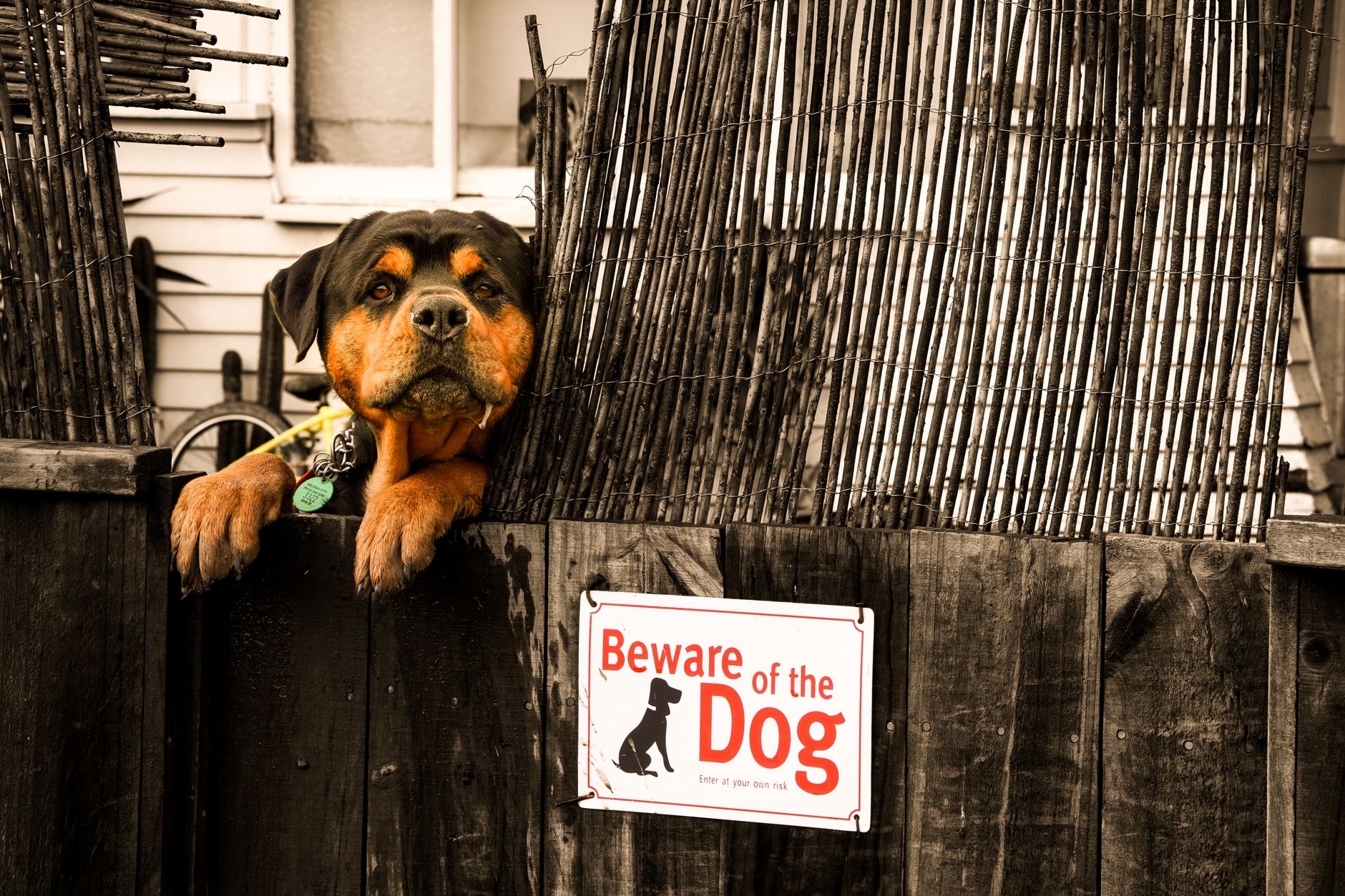
The Complex Question of Canine Protection
The notion of a dog leaping into action to defend its owner is deeply ingrained in our perception of the human-animal bond. But the reality is far more intricate than Hollywood portrayals suggest. While some dogs are naturally inclined to protect, others might react with fear or confusion. Would my dog protect me if I was attacked? is a question that requires careful consideration of various factors, including genetics, environment, and training.
Breed Predisposition and Protective Instincts
Certain breeds are historically bred for guarding and protection. These dogs often possess a stronger innate protective drive. However, it’s crucial to remember that breed alone doesn’t guarantee protective behavior.
- Examples of Breeds with Protective Tendencies:
- German Shepherd
- Rottweiler
- Doberman Pinscher
- Belgian Malinois
- American Pit Bull Terrier (Though training is paramount for this breed)
It’s important to note that even within these breeds, individual temperaments can vary significantly. Some dogs from “protective” breeds may be naturally docile, while others from less traditionally protective breeds might exhibit guarding behaviors.
The Role of Training and Socialization
Even a dog with a strong protective instinct needs proper training and socialization to channel that instinct appropriately. Uncontrolled aggression is dangerous and unacceptable.
- Key Elements of Protection Training:
- Obedience training: A solid foundation in basic commands is essential for control.
- Socialization: Early and continuous exposure to various people, places, and situations is critical to prevent fear-based aggression.
- Controlled exposure to threats: Training should involve simulated threat scenarios to teach the dog how to react appropriately.
- Clear boundaries: The dog must understand when protection is necessary and when it’s not.
It’s crucial to work with a qualified and experienced dog trainer specializing in protection training. Improper training can lead to serious behavioral problems.
Temperament: The Individual Factor
Beyond breed and training, a dog’s individual temperament plays a pivotal role in determining whether it will protect its owner. Some dogs are naturally more confident and assertive, while others are timid and fearful.
- Factors Influencing Temperament:
- Genetics: Inherited traits play a significant role.
- Early experiences: Puppyhood socialization and handling have a lasting impact.
- Environment: A stable and supportive environment fosters confidence.
A fearful or anxious dog is less likely to intervene in a threatening situation, even if it has been trained for protection. Its primary instinct may be to flee or hide.
Reading Your Dog’s Body Language
Understanding your dog’s body language is crucial for assessing its likelihood of protective behavior. Signs of aggression, fear, and submission can provide valuable clues.
| Behavior | Potential Interpretation |
|---|---|
| Growling | Warning; may escalate to biting |
| Barking | Can indicate excitement, alert, fear, or aggression |
| Snapping | An immediate warning sign, often precedes biting |
| Baring teeth | Sign of aggression or defensiveness |
| Tail tucked | Fear, anxiety, or submission |
| Hackles raised | Arousal; can indicate fear, aggression, or excitement |
| Stiff posture | Tension and potential aggression |
| Lip licking | Can indicate stress or appeasement |
| Whale eye (seeing the whites of the eyes) | A sign of stress or discomfort. |
By carefully observing your dog’s body language, you can gain insights into how it might react in different situations and whether it’s displaying signs of protective aggression.
Real-World Scenarios: Would My Dog Protect Me If I Was Attacked?
It’s important to consider specific scenarios when assessing a dog’s potential protective behavior. The type of threat, the presence of other people or animals, and the dog’s level of training all play a role.
- Scenario 1: A stranger yelling aggressively: A well-trained protection dog might bark and position itself between you and the stranger, but it shouldn’t attack unless the stranger becomes physically violent.
- Scenario 2: A physical assault: In this situation, a protection dog is more likely to intervene physically, using its bite to deter the attacker.
- Scenario 3: Another dog attacking you: Some dogs are more protective of their owners from other animals than from humans.
- Scenario 4: A home invasion: A guard dog might bark to alert you and then attempt to deter the intruders.
It’s impossible to predict with absolute certainty how a dog will react in any given situation. However, by understanding its breed, temperament, training, and body language, you can make a more informed assessment.

Frequently Asked Questions
Would all dogs instinctively protect their owners?
No, not all dogs possess the instinct or temperament to protect their owners. While loyalty is a common canine trait, the willingness to engage in protective behavior varies significantly depending on the breed, individual personality, training, and environmental factors. Some dogs may be more likely to cower or flee in a threatening situation.
Can a small dog protect me?
While small dogs may lack the physical strength and intimidation factor of larger breeds, they can still provide protection by alerting you to potential dangers through barking. Some small breeds are also known for their fearlessness and may attempt to defend their owners despite their size. However, their effectiveness in a physical confrontation is limited.
What is the difference between a guard dog and a protection dog?
A guard dog is typically trained to protect property, while a protection dog is trained to protect a person. Guard dogs often bark or intimidate intruders, while protection dogs are trained to physically intervene if their owner is threatened.
Is it ethical to train a dog for protection?
The ethics of protection training are debated. It’s crucial to ensure that the dog is trained responsibly and that the training doesn’t promote uncontrolled aggression. The dog should only be used for protection in genuine self-defense situations.
What are the risks of owning a protection dog?
The risks include potential liability for dog bites, the possibility of the dog misinterpreting situations and reacting inappropriately, and the responsibility of managing a potentially dangerous animal. Proper training and responsible ownership are essential to mitigate these risks.
Can I train my dog to protect me without making it aggressive?
Yes, it’s possible to train a dog for protection without making it aggressive. The focus should be on teaching the dog to respond to specific cues and to control its aggression. Positive reinforcement methods are preferred over punishment-based training.
What should I do if my dog attacks someone?
Immediately secure your dog and provide assistance to the injured person. Contact the authorities and be prepared to provide information about your dog’s vaccination history and training. Consult with a veterinarian or behaviorist following any incident.
How important is socialization for a protection dog?
Socialization is absolutely crucial for a protection dog. A well-socialized dog is less likely to react out of fear or anxiety and is better able to distinguish between genuine threats and harmless situations. Lack of socialization can lead to fear-based aggression.
What are the legal considerations of owning a protection dog?
Laws regarding dog ownership and liability vary by location. It’s essential to understand the laws in your area, including leash laws, “dangerous dog” laws, and liability for dog bites.
How can I assess my dog’s protective instincts?
Observe your dog’s behavior in various situations, such as when strangers approach your home or when you are interacting with unfamiliar people. Look for signs of protectiveness, such as barking, positioning itself between you and the stranger, or displaying alertness. Consult with a qualified dog trainer or behaviorist for a professional assessment.
What if my dog doesn’t protect me?
If your dog doesn’t protect you, it doesn’t necessarily mean it doesn’t love you. Every dog is different. Consider your dog’s temperament, size, and training. Focus on your bond and enjoy their companionship, and don’t rely solely on them for personal safety. Personal safety training for yourself might be a more reliable option.
How much does protection dog training cost?
The cost of protection dog training varies depending on the trainer, the location, and the level of training. Expect to pay several hundred to several thousand dollars for a comprehensive program.