

Will My Dog Be OK in a Hot House? Understanding Canine Heat Safety
A hot house can be extremely dangerous for dogs; in most situations, the definitive answer is no, your dog will not be OK in a hot house, especially if left unattended for extended periods. Understanding the risks and taking proactive measures are crucial for ensuring your dog’s safety and well-being during warmer weather.
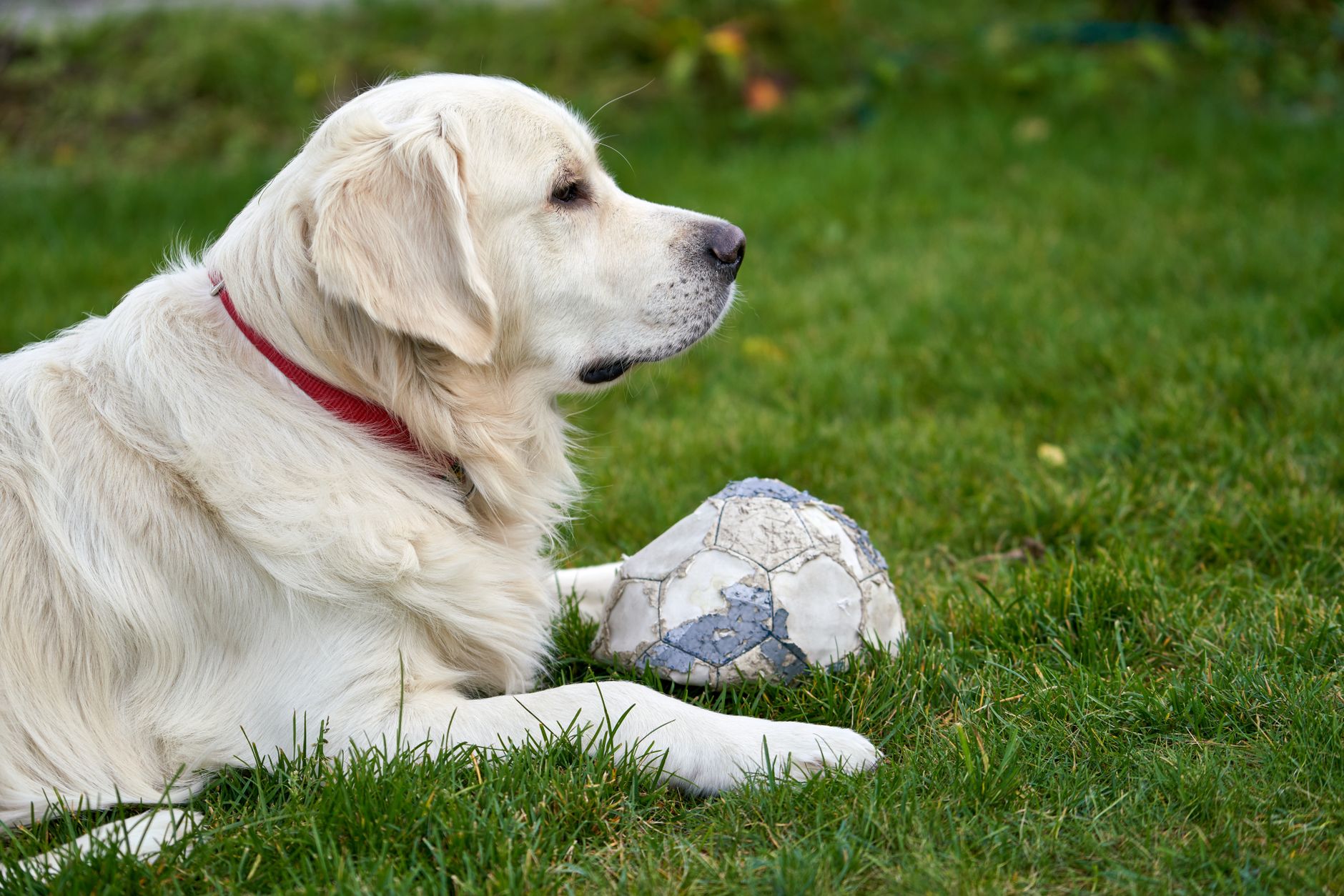
Why Dogs Are Vulnerable to Heat
Dogs regulate their body temperature differently than humans. Their primary cooling mechanism is panting, which is significantly less efficient than sweating. This difference makes them highly susceptible to heatstroke, especially in enclosed, poorly ventilated spaces. Furthermore, certain breeds, such as brachycephalic (short-nosed) dogs like Bulldogs and Pugs, are even more vulnerable due to their compromised respiratory systems.
- Inefficient Cooling: Panting is less effective than sweating.
- Breed Predisposition: Short-nosed breeds are more at risk.
- Limited Airflow: Enclosed spaces trap heat.
The Dangers of a Hot House

A hot house, whether a greenhouse, car, or even an inadequately cooled home, can quickly become a life-threatening environment for a dog. Temperatures inside can rise rapidly, leading to heatstroke and potentially death within minutes.
- Rapid Temperature Increase: Enclosed spaces can heat up quickly.
- Heatstroke Risk: High temperatures lead to organ damage and failure.
- Dehydration: Dogs lose fluids through panting, leading to dehydration.
Factors Influencing a Dog’s Heat Tolerance
Several factors influence how well a dog can tolerate heat:
- Breed: As mentioned, brachycephalic breeds are more susceptible. Long-haired breeds can also struggle.
- Age: Puppies and senior dogs have more difficulty regulating their body temperature.
- Health: Dogs with underlying health conditions, such as heart disease or obesity, are at higher risk.
- Acclimation: Dogs that are gradually exposed to warmer temperatures can adapt better than those suddenly exposed to extreme heat.
Recognizing the Signs of Heatstroke
Recognizing the signs of heatstroke is crucial for timely intervention. Early detection can save a dog’s life. Common symptoms include:
- Excessive panting
- Drooling
- Vomiting
- Diarrhea
- Lethargy or weakness
- Uncoordinated movements
- Collapse
- Seizures
Immediate Actions if Heatstroke is Suspected
If you suspect your dog is suffering from heatstroke, take immediate action:
- Remove the Dog: Get your dog out of the hot environment immediately.
- Cool the Dog: Apply cool (not ice-cold) water to the dog’s body, especially the groin, armpits, and neck. You can also use wet towels.
- Offer Water: If the dog is conscious, offer small amounts of cool water.
- Seek Veterinary Care: Heatstroke is a medical emergency. Contact your veterinarian immediately.
Preventing Heatstroke in Dogs
Prevention is always better than cure. Here are some tips to prevent heatstroke in dogs:
- Never leave a dog in a parked car, even for a few minutes.
- Provide plenty of fresh, cool water.
- Offer shade when outdoors.
- Avoid strenuous exercise during the hottest part of the day.
- Consider a cooling vest or mat.
- Monitor your dog closely for signs of overheating.
- Adjust activities: Limit exercise during peak heat hours.
Keeping Your House Cool for Your Dog
Even if you aren’t explicitly thinking of a “hot house” as a greenhouse, you should make sure your home environment is at a safe temperature for your dog.
- Air Conditioning: A properly functioning AC is the best defense against indoor heat.
- Fans: Even if not cooling the air, fans can provide air movement and make it more comfortable.
- Shade: Closing curtains and blinds during the hottest part of the day can significantly reduce heat gain.
- Cool Surfaces: Provide access to cool tile or concrete floors where your dog can lie down to cool off.
- Water Bowls: Keep multiple water bowls available throughout the house. Consider adding ice cubes.
| Cooling Method | Effectiveness | Cost | Considerations |
|---|---|---|---|
| Air Conditioning | High | High initial cost, ongoing energy bills | Requires proper maintenance and can dry out the air. |
| Fans | Moderate | Low | Provides air circulation but does not cool the air directly. |
| Shade | Moderate | Low | Requires strategic placement and may not be sufficient in extreme heat. |
| Cooling Mat | Moderate | Moderate | Provides a cool surface for the dog to lie on. Check for chewing hazards. |
Additional Considerations
- Humidity: High humidity exacerbates the effects of heat.
- Underlying Medical Conditions: Consult your veterinarian regarding your dog’s specific needs.
- Grooming: Regular grooming can help keep your dog cool by removing excess fur.

Frequently Asked Questions (FAQs)
What temperature is too hot for a dog in a house?
Generally, temperatures above 85°F (29°C) can be dangerous for dogs, especially if they are not acclimated to the heat or if the humidity is high. Even at lower temperatures, if a dog isn’t able to cool off, it will be in danger. It’s best to keep indoor temperatures below 80°F (27°C) to ensure their safety.
How long can a dog stay in a warm house?
The amount of time a dog can safely stay in a warm house depends on several factors, including the temperature, humidity, breed, age, and overall health. It’s best to minimize the time a dog spends in a warm house, even if it is shaded and has access to water. Prolonged exposure can lead to heat exhaustion and heatstroke.
Is it OK to leave my dog in a house with fans only?
Fans can provide some relief, but they are not a substitute for air conditioning in extreme heat. Fans only circulate air; they do not lower the temperature. If the house is already hot, a fan may not be sufficient to prevent heatstroke, especially for vulnerable dogs. Use fans in conjunction with other cooling methods like shade, water, and cooling mats.
What are the early signs of heatstroke in dogs?
The early signs of heatstroke in dogs include excessive panting, drooling, restlessness, and seeking cool surfaces. If you notice these signs, take immediate action to cool your dog down and seek veterinary care.
Can a dog get heatstroke indoors?
Yes, a dog can absolutely get heatstroke indoors, especially in poorly ventilated or uncooled spaces. Even if the outdoor temperature is not excessively high, a house can trap heat and become dangerously hot for a dog.
How can I tell if my dog is too hot?
Besides the early signs of heatstroke, other indicators that your dog is too hot include rapid heartbeat, bright red gums, and glazed eyes. The dog may also appear distressed or agitated.
What is the best way to cool down a dog quickly?
The best way to cool down a dog quickly is to move them to a cooler environment, apply cool (not ice-cold) water to their body (especially groin, armpits, and neck), and offer small amounts of cool water. Never submerge a dog in ice water, as this can cause shock.
What breeds are most susceptible to heatstroke?
Brachycephalic (short-nosed) breeds such as Bulldogs, Pugs, and Boxers are particularly susceptible to heatstroke due to their compromised respiratory systems. Long-haired breeds like Huskies and Newfoundlands are also at higher risk.
Is humidity a factor in heatstroke?
Yes, high humidity can significantly increase the risk of heatstroke in dogs. Humidity prevents sweat and panting from evaporating, which is the body’s natural cooling mechanism.
Can senior dogs tolerate heat as well as younger dogs?
No, senior dogs are generally less tolerant of heat than younger dogs. They have a decreased ability to regulate their body temperature and may have underlying health conditions that make them more vulnerable.
How often should I give my dog water in hot weather?
Dogs should have access to fresh, cool water at all times, especially in hot weather. Encourage them to drink frequently by offering water every hour or so.
What should I do if I see a dog left in a hot car?
If you see a dog left in a hot car, immediately contact your local animal control, police department, or emergency services. Provide them with the location of the car and a description of the dog. Every minute counts in these situations.