
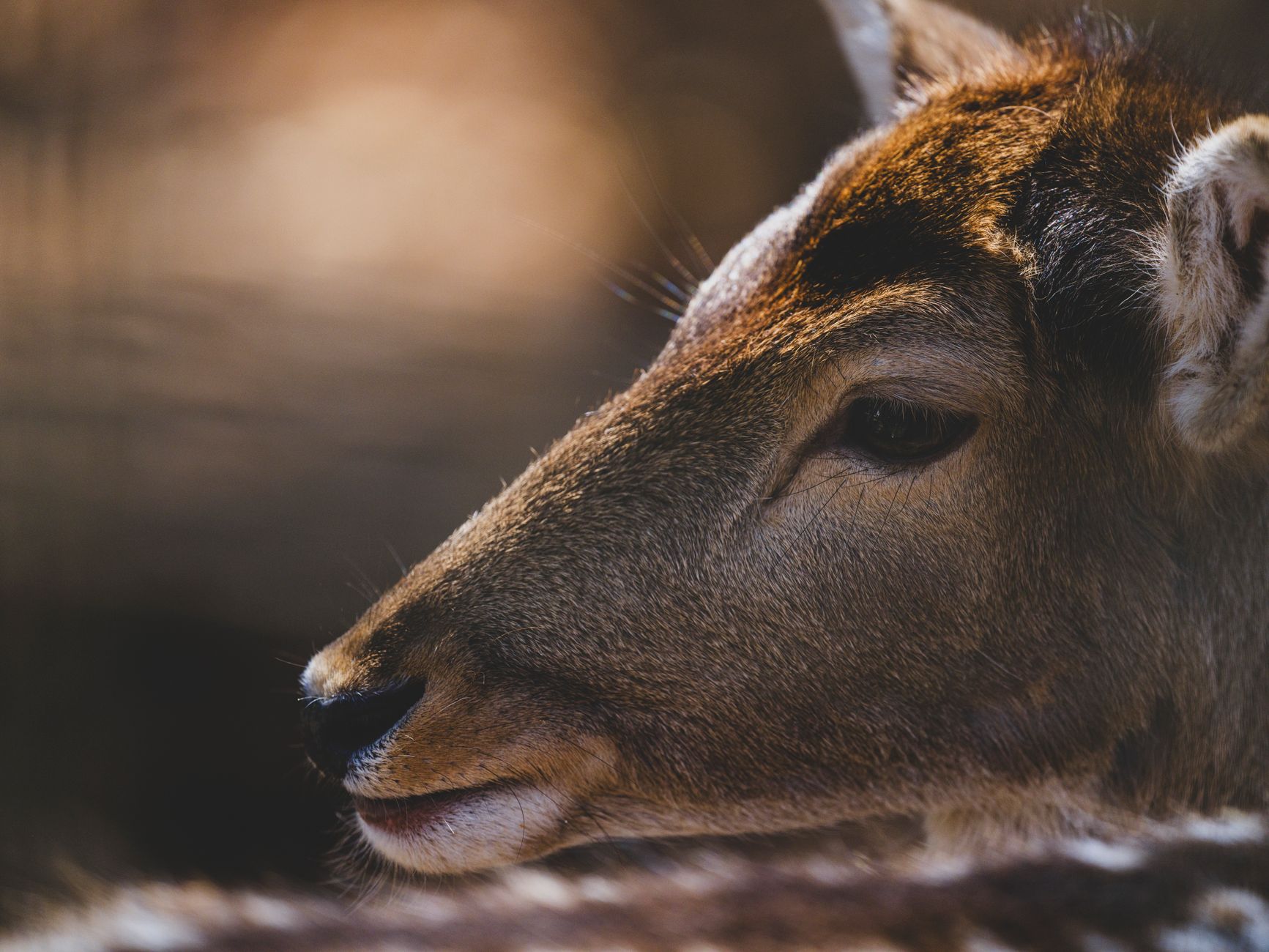
Will Deer Go After a Dog? Understanding Deer Behavior and Canine Encounters
Will deer go after a dog? Yes, deer, particularly does protecting their fawns, can and do go after a dog, viewing them as a threat and acting aggressively to defend their territory or offspring.

Deer and dogs – it’s a collision of the wild and the domesticated that plays out in suburban neighborhoods and rural landscapes alike. Understanding the dynamics of these encounters is crucial for responsible pet ownership and harmonious coexistence with wildlife. While the image of a deer peacefully grazing in a field is common, their protective instincts, especially during fawning season, can lead to unexpected and sometimes dangerous interactions. This article delves into the factors that influence deer behavior towards dogs, providing insights into prevention and what to do if a confrontation occurs.
Deer Behavior 101: Understanding Their Triggers
To understand when and why a deer might pursue a dog, it’s important to grasp some fundamental aspects of deer behavior:
- Seasonality: Deer behavior is heavily influenced by the time of year. During the spring fawning season (typically May-June), does become extremely protective of their newborn fawns.
- Protective Instincts: A doe’s primary objective is to ensure the survival of her young. Any perceived threat, including a dog, can trigger an aggressive response.
- Territoriality: While not intensely territorial, deer can defend their immediate surroundings, particularly when resources are scarce or during the rut (mating season, typically October-November).
- Fight or Flight: Deer are naturally skittish animals, and their first instinct is usually to flee. However, when cornered or feeling threatened, they may choose to stand their ground and defend themselves.
- Body Language: Understanding deer body language is key. Stomping their feet, lowering their head, and flicking their tail are all warning signs that a deer is agitated.
Why Dogs Trigger Deer Aggression

Several factors contribute to a dog potentially provoking a deer attack:
- Predatory Instincts: Dogs, even friendly ones, often possess an inherent drive to chase animals. This chase instinct can be perceived as a direct threat by the deer.
- Size and Breed: While any dog can trigger a deer’s protective instincts, larger breeds or breeds with strong hunting instincts may be more likely to elicit a more aggressive response.
- Proximity to Fawns: The closer a dog gets to a fawn, the higher the likelihood of a doe reacting defensively.
- Unleashed Dogs: Allowing dogs to roam freely increases the chances of an encounter with a deer and decreases the owner’s ability to intervene.
- Barking: Excessive barking can further agitate deer.
Prevention: Minimizing the Risk of Deer-Dog Encounters
The best approach to managing deer-dog interactions is prevention. Here’s how you can minimize the risk of a confrontation:
- Leash Laws: Always keep your dog on a leash, especially in areas known to be frequented by deer. Adhering to local leash laws not only protects your dog but also minimizes disturbances to wildlife.
- Avoidance: Be aware of your surroundings. If you spot a deer, especially a doe with fawns, change your route or turn around to avoid getting closer.
- Training: Train your dog to obey commands such as “leave it” or “come” to ensure you can control their behavior in the presence of wildlife.
- Fencing: If you live in an area with a high deer population, consider installing a fence around your property to deter deer from entering.
- Remove Attractants: Avoid leaving food or other attractants outside that might draw deer to your yard.
What To Do If a Deer Confronts Your Dog
Even with preventative measures, encounters can still occur. Here’s what to do if a deer confronts your dog:
- Stay Calm: Panicking will only escalate the situation. Speak calmly and reassuringly to your dog.
- Keep Your Dog Close: If your dog is on a leash, keep them close to you and slowly back away from the deer.
- Create Distance: The goal is to create distance between your dog and the deer. Back away slowly and deliberately.
- Do Not Intervene Physically: Attempting to physically intervene between a deer and your dog can be dangerous and may result in injury to yourself.
- Report the Incident: If the deer is injured or poses an immediate threat to people or pets, contact your local animal control or wildlife authorities.
| Action | Description |
|---|---|
| Stay Calm | Avoid panicking to prevent further escalation of the situation. |
| Keep Dog Close | If on leash, maintain control and proximity. |
| Create Distance | Slowly retreat to put space between the dog and the deer. |
| No Physical Action | Refrain from direct physical intervention to avoid personal injury. |
| Report | Contact authorities if there’s an injured animal or ongoing threat. |
The Importance of Understanding and Respect
Ultimately, peaceful coexistence between dogs and deer requires understanding and respect for wildlife. By being mindful of deer behavior, taking preventative measures, and knowing how to respond in an encounter, we can help ensure the safety of our pets and protect these magnificent animals. Remember, the best approach is to avoid confrontation altogether.

Frequently Asked Questions
What time of year are deer most aggressive towards dogs?
Deer are most aggressive towards dogs during the spring fawning season (typically May-June) when does are fiercely protective of their newborn fawns. This is when you need to be extra vigilant when walking your dog in areas where deer are present.
Are certain dog breeds more likely to be attacked by deer?
While any dog can be attacked by a deer, breeds with strong prey drives or those that are more likely to chase animals may be at higher risk of provoking a deer. These include breeds like terriers, hounds, and herding dogs.
How can I tell if a deer is about to attack my dog?
Warning signs of a potentially aggressive deer include stomping their feet, lowering their head, flicking their tail, and snorting. If you observe these behaviors, immediately create distance between your dog and the deer.
Is it true that male deer (bucks) are more aggressive towards dogs?
While does with fawns are typically the most aggressive, bucks can also be aggressive, particularly during the rut (mating season). During this period, they may view dogs as competition or intruders in their territory.
What should I do if my dog is bitten or injured by a deer?
If your dog is bitten or injured by a deer, seek veterinary care immediately. Deer can carry diseases and parasites that can be transmitted to dogs. Also, thoroughly clean the wound with antiseptic soap and water.
Will a deer chase a dog into traffic?
Yes, it is possible for a deer to chase a dog into traffic. In their panicked state, the deer is focused solely on removing the perceived threat. This underscores the importance of keeping dogs leashed and under control.
Can deer be trained to be less aggressive toward dogs?
While it’s difficult to train deer to be less aggressive, you can modify your own behavior to reduce the likelihood of an encounter. This includes avoiding areas where deer are known to frequent and keeping your dog leashed.
Are deer attacks on dogs common?
While not extremely common, deer attacks on dogs are certainly not rare, especially in areas with high deer populations. Many incidents go unreported because the dogs suffer only minor injuries, but it’s crucial to be aware of the potential danger.
What is the best way to protect my small dog from deer?
The best way to protect a small dog is to always keep them on a leash, avoid walking them in areas with high deer activity, and be extra vigilant during fawning season. The smaller size of the dog makes it a more vulnerable target.
Should I carry a weapon for protection when walking my dog in deer country?
Carrying a weapon is generally not recommended and may even be illegal in some areas. Instead, focus on prevention and de-escalation techniques. If you feel the need for protection, consider carrying a loud noise-making device, such as an air horn, to scare off the deer.
What diseases can deer transmit to dogs?
Deer can carry diseases such as Lyme disease, Chronic Wasting Disease (CWD), and parasites like ticks and fleas, which can then be transmitted to dogs. These diseases can cause serious health problems. Regular veterinary checkups and parasite prevention are essential.
How can I make my yard less attractive to deer to protect my dog?
To make your yard less attractive to deer, remove food sources such as bird feeders, garden vegetables, and fallen fruit. Use deer-resistant plants in your landscaping and consider installing a fence to deter deer from entering your property.