

Will Crocodiles Eat Kangaroos? A Deadly Encounter in the Australian Outback
Yes, crocodiles absolutely will and do eat kangaroos, given the opportunity. These apex predators inhabit the same areas in northern Australia, and kangaroos, particularly when near water sources, are vulnerable to ambush.
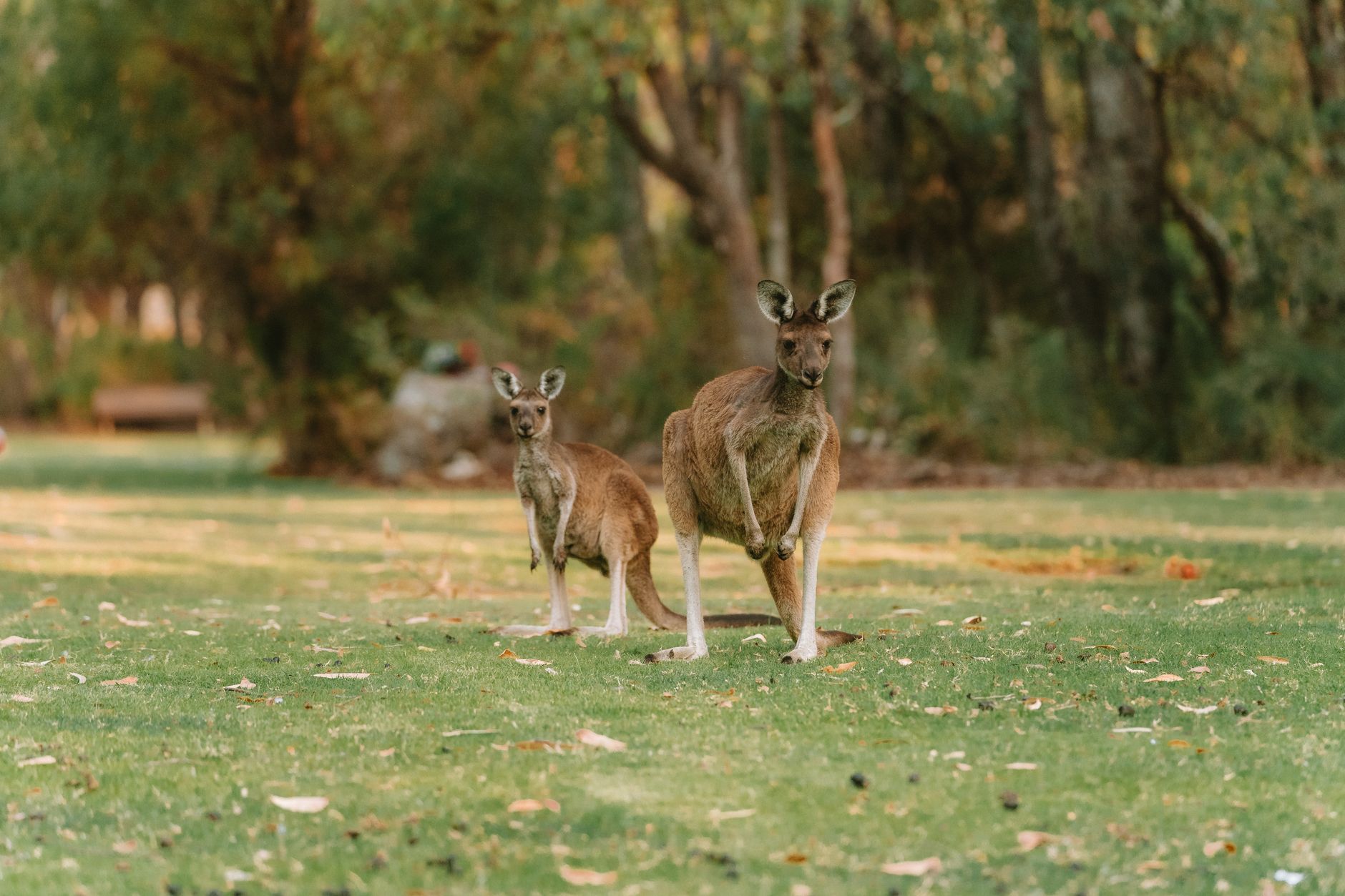
Introduction: A Clash of Icons in the Australian Wetlands
The Australian landscape is a tapestry of unique and often dangerous wildlife. Two of its most iconic inhabitants, the saltwater crocodile and the kangaroo, occasionally find themselves in a deadly dance. The question of whether will crocodiles eat kangaroos? is not a hypothetical one; it’s a reality of the food chain in the northern regions of the continent. This article delves into the dynamics of this predator-prey relationship, exploring the factors that determine when and how these encounters occur.
The Crocodile: A Master Ambush Predator

- Saltwater crocodiles (Crocodylus porosus), are the largest living reptiles on Earth, and apex predators in their environment.
- Their diet is incredibly varied, encompassing fish, turtles, birds, wild pigs, cattle, and kangaroos.
- Their ambush strategy relies on stealth and explosive power. They lie submerged, undetected, until an unsuspecting animal ventures close enough to the water’s edge.
The Kangaroo: A Herbivore in a Risky World
- Kangaroos, primarily the red kangaroo and the eastern grey kangaroo, are Australia’s largest marsupials.
- They are herbivores, grazing on grasses and shrubs across the Australian outback.
- Their need for water often brings them into close proximity with crocodile habitats, particularly during dry periods. This need makes them more vulnerable to predation.
The Encounter: Dynamics of Predator and Prey
The interaction between crocodiles and kangaroos isn’t constant but rather circumstantial, influenced by:
- Habitat Overlap: Crocodiles and kangaroos share habitats, especially around rivers, billabongs, and swamps in northern Australia.
- Water Scarcity: During dry seasons, water becomes scarce, forcing kangaroos to drink from crocodile-infested waters.
- Size Disparity: Adult male saltwater crocodiles can easily overpower even large kangaroos. Smaller crocodiles may target younger or weaker individuals.
- Kangaroo Vigilance: Kangaroos are generally alert animals and can often detect danger, but their guard can drop when thirsty or distracted.
- Crocodile Ambush Tactics: Crocodiles are masters of camouflage and can remain motionless for extended periods, waiting for the opportune moment to strike.
Evidence of Predation: Beyond Anecdotal Accounts
While photographic and video evidence of crocodile-kangaroo predation exists, definitive scientific studies focusing solely on this specific interaction are relatively limited. However, the following supports the reality of this predation:
- Stomach Content Analysis: Studies of crocodile diets have revealed kangaroo remains in their stomachs.
- Observed Attacks: Eyewitness accounts and video footage capture crocodiles attacking and consuming kangaroos.
- Ecological Understanding: The predatory role of crocodiles and the foraging habits of kangaroos logically indicate that such predation is plausible and probable.
Factors Increasing Kangaroo Vulnerability
Certain conditions make kangaroos more susceptible to crocodile attacks:
- Age: Young, inexperienced kangaroos are easier targets.
- Health: Sick or injured kangaroos are more vulnerable.
- Drought Conditions: Increased reliance on limited water sources concentrates kangaroos near crocodile habitats.
- Location: Kangaroos drinking at the water’s edge are most at risk.
- Time of Day: While crocodiles are active both day and night, kangaroos are often more vulnerable during twilight hours when visibility is reduced.
Mitigation Strategies for Kangaroos
While kangaroos cannot completely eliminate the risk of crocodile predation, some behaviors can reduce their vulnerability:
- Vigilance: Remaining alert and scanning the environment for danger.
- Drinking in Groups: Providing more eyes to detect predators.
- Avoiding the Water’s Edge: Approaching water sources cautiously.
- Using Alternative Water Sources: Seeking out less crocodile-prone areas.
- Strong Swimming: Escaping to the opposite bank can sometimes deter an attack.

Frequently Asked Questions (FAQs)
Are all species of crocodiles likely to eat kangaroos?
No. While saltwater crocodiles are the primary threat, freshwater crocodiles (Crocodylus johnstoni), which are smaller and less aggressive, are less likely to target kangaroos, although they might take very young or weak individuals on occasion.
How frequently does crocodile-kangaroo predation occur?
It’s difficult to quantify exactly, but experts believe that while will crocodiles eat kangaroos?, the interaction isn’t a daily occurrence. Predation is likely higher during dry seasons when water is scarce.
Are kangaroos the primary food source for crocodiles?
No. Crocodiles are opportunistic feeders with a varied diet. Kangaroos are just one potential food source among many.
What size kangaroo can a crocodile typically take down?
Large saltwater crocodiles can take down fully grown adult kangaroos. Smaller crocodiles are likely to target juveniles or smaller kangaroo species.
Do kangaroos ever successfully defend themselves against crocodile attacks?
While rare, kangaroos have been observed using their powerful legs and claws to defend themselves. However, the crocodile’s bite force and ambush tactics often give it the upper hand.
Do crocodiles actively hunt kangaroos on land?
Generally, crocodiles are ambush predators that prefer to hunt in or near water. They rarely pursue kangaroos far onto land.
Is there evidence of crocodiles and kangaroos coexisting peacefully?
Yes, kangaroos and crocodiles can coexist peacefully when kangaroos are not actively drinking at the water’s edge or when crocodiles are not actively hunting. It’s a dynamic but not a constantly hostile relationship.
Does the presence of crocodiles affect kangaroo populations?
While crocodile predation can impact local kangaroo populations, it’s unlikely to be a major driver of overall population size. Other factors like drought, habitat loss, and hunting pressure have a more significant impact.
What is the success rate of a crocodile attack on a kangaroo?
The success rate varies depending on the size and health of the kangaroo, the size and experience of the crocodile, and the environmental conditions. It is impossible to determine a precise figure.
Can human intervention help protect kangaroos from crocodile attacks?
Providing alternative water sources away from crocodile habitats could potentially reduce kangaroo vulnerability. However, interfering with natural predator-prey relationships can have unintended consequences.
What should I do if I encounter a crocodile and a kangaroo near water?
Maintain a safe distance and avoid disturbing the animals. Observe from afar and respect their space. Never approach or attempt to interfere with a potential predation event.
Is it safe to swim in areas known to be inhabited by both crocodiles and kangaroos?
It is generally not safe to swim in areas known to be inhabited by saltwater crocodiles, regardless of the presence of kangaroos. Crocodiles pose a serious threat to humans.