
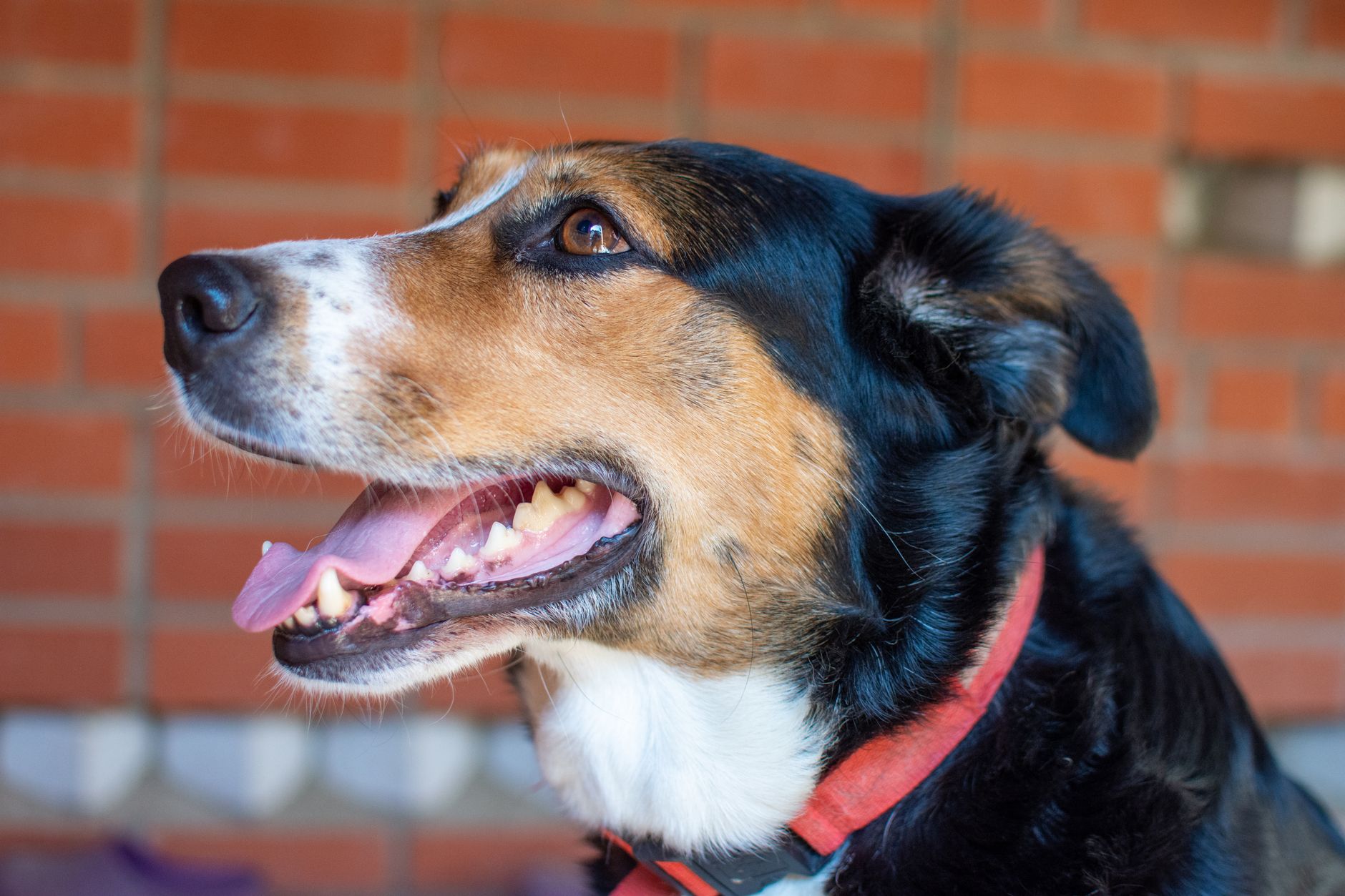
Will Baking Soda Remove Tartar From Dog’s Teeth? A Dental Health Deep Dive
The question of whether baking soda effectively removes tartar from a dog’s teeth is common among pet owners. The answer is complex: while baking soda may help to prevent plaque buildup and slightly soften existing tartar, it is unlikely to completely remove established tartar. Professional veterinary dental cleaning is typically required for complete tartar removal.

The Science of Tartar Formation in Dogs
Understanding tartar formation is crucial before considering any at-home remedies. Tartar, also known as dental calculus, is hardened dental plaque. Plaque itself is a sticky film that forms constantly on teeth, composed of bacteria, saliva, and food particles. When plaque is not removed regularly through brushing, the minerals in saliva harden it, forming tartar. Tartar is porous and rough, providing an ideal surface for more plaque and bacteria to accumulate, leading to periodontal disease, gum inflammation (gingivitis), and eventually tooth loss.
Baking Soda: Composition and Properties

Baking soda, or sodium bicarbonate (NaHCO3), is a mild abrasive. This abrasive quality is why it’s sometimes used in toothpaste and as a cleaning agent. It also has alkaline properties, which may help to neutralize acids in the mouth, creating a less favorable environment for bacteria to thrive. However, its abrasive power is significantly less than that of professional dental cleaning tools.
Can Baking Soda Remove Tartar from Dog’s Teeth? An Expert’s View
While baking soda possesses properties that could contribute to oral hygiene, its ability to completely remove existing tartar from dog’s teeth is limited. Here’s why:
- Tartar is hardened: Once plaque has mineralized into tartar, it becomes firmly attached to the tooth surface. The mild abrasive action of baking soda is usually insufficient to break down this hardened deposit.
- Beneath the gumline: Tartar often accumulates beneath the gumline, where baking soda is even less likely to reach and have any effect.
- Safety concerns: While generally considered safe, excessive use of baking soda can alter the oral pH, potentially leading to other issues. Some dogs may also dislike the taste, making application difficult.
Potential Benefits of Baking Soda for Dog Dental Care (When Used Correctly)
Used cautiously and correctly, baking soda may offer some minor benefits as part of a comprehensive oral hygiene routine:
- Plaque prevention: Regular brushing with baking soda may help to prevent plaque from hardening into tartar.
- Bad breath reduction: Its alkaline properties could help neutralize odor-causing bacteria.
- Gentle cleaning: It’s a less harsh abrasive than some commercial toothpastes, potentially suitable for dogs with sensitive gums.
How to (Carefully) Use Baking Soda for Dog Dental Care
If you choose to use baking soda, follow these steps carefully:
- Consult your veterinarian: Discuss its suitability with your vet first, especially if your dog has any underlying health conditions.
- Make a paste: Mix a small amount of baking soda with water to create a thin paste.
- Apply gently: Use a soft-bristled toothbrush or your finger (wrapped in gauze) to gently apply the paste to your dog’s teeth.
- Avoid excessive force: Do not scrub vigorously, as this could damage the enamel.
- Rinse (if possible): Encourage your dog to rinse their mouth, or offer fresh water to drink.
- Frequency: Limit use to 1-2 times per week.
- Observe for reactions: Watch for any signs of irritation or discomfort.
Common Mistakes to Avoid
- Using too much baking soda: This can upset the oral pH balance.
- Scrubbing aggressively: This can damage the tooth enamel.
- Forcing the procedure: Never force your dog if they are resistant or distressed.
- Relying on baking soda alone: Baking soda should only be used as part of a comprehensive dental care plan, not as a replacement for professional cleanings.
- Ignoring underlying dental issues: Baking soda won’t cure existing dental disease.
Alternatives to Baking Soda for Dog Dental Care
Several more effective and veterinarian-recommended options exist for maintaining your dog’s oral health:
- Veterinary dental cleanings: These professional cleanings remove tartar above and below the gumline.
- Enzymatic toothpastes: These toothpastes contain enzymes that help break down plaque and prevent tartar formation.
- Dental chews: Certain dental chews are designed to scrape away plaque and tartar as your dog chews. Look for Veterinary Oral Health Council (VOHC) approved products.
- Dental diets: These diets have a specific texture that helps to clean teeth as the dog eats.
- Regular brushing: Brushing your dog’s teeth daily with a dog-specific toothbrush and toothpaste is the gold standard for home dental care.
Comparing Dental Care Options
| Option | Effectiveness | Safety | Cost | Availability |
|---|---|---|---|---|
| Baking Soda | Low | Moderate | Low | High |
| Enzymatic Toothpaste | Moderate | High | Moderate | High |
| Dental Chews (VOHC) | Moderate | High | Moderate | High |
| Dental Diet | Moderate | High | Moderate | High |
| Professional Cleaning | High | Requires Anesthesia | High | Veterinary |
| Daily Brushing | High | High | Low-Moderate | High |
Why Professional Veterinary Care is Crucial
Ultimately, while some home remedies may offer limited benefits, professional veterinary dental care is essential for maintaining optimal oral health in dogs. Veterinarians can diagnose and treat underlying dental problems, perform thorough cleanings under anesthesia, and provide guidance on preventative care.

Frequently Asked Questions (FAQs)
Is baking soda toxic to dogs if swallowed?
While not highly toxic, swallowing large amounts of baking soda can cause stomach upset, including vomiting and diarrhea. Small amounts used for brushing are generally considered safe, but always supervise your dog and ensure they don’t ingest excessive amounts.
Can I use human toothpaste on my dog?
No, human toothpaste is not safe for dogs. It often contains fluoride and xylitol, both of which are toxic to dogs. Use only toothpaste specifically formulated for canine use.
How often should I brush my dog’s teeth?
Ideally, you should brush your dog’s teeth daily. Even brushing a few times a week is better than not at all. Consistency is key.
What are the signs of dental disease in dogs?
Signs of dental disease include bad breath, excessive drooling, difficulty eating, pawing at the mouth, bleeding gums, loose teeth, and facial swelling. If you notice any of these signs, consult your veterinarian immediately.
Are some dog breeds more prone to tartar buildup than others?
Yes, smaller breeds and those with crowded teeth are generally more prone to tartar buildup. However, any dog can develop tartar if proper oral hygiene is not maintained.
What is the best type of toothbrush to use for my dog?
Use a toothbrush specifically designed for dogs. These have softer bristles and are angled for easier access to the back teeth. You can also use a finger brush if your dog tolerates it better.
Can I use baking soda instead of dog toothpaste all the time?
While baking soda can be used occasionally, it’s not a substitute for dog-specific toothpaste. Enzymatic toothpastes offer additional benefits for plaque control.
My dog hates having his teeth brushed. What can I do?
Start slowly and gradually introduce the toothbrush and toothpaste. Use positive reinforcement, such as praise and treats. If your dog is extremely resistant, talk to your vet about alternative options, such as dental chews or a professional cleaning.
What is the VOHC, and why is it important?
The Veterinary Oral Health Council (VOHC) is an organization that evaluates the effectiveness of dental products for pets. Look for the VOHC seal of approval on dental chews and other products to ensure they meet certain standards for plaque and tartar control.
Will baking soda whiten my dog’s teeth?
Baking soda may help to slightly reduce surface stains, but it won’t significantly whiten your dog’s teeth. Professional dental cleaning is the most effective way to remove deep stains.
Is anesthesia necessary for dog dental cleanings?
Anesthesia is typically necessary for thorough dental cleanings. This allows the veterinarian to safely and effectively remove tartar from beneath the gumline, where most dental disease occurs.
If I regularly use baking soda on my dog’s teeth, can I skip professional cleanings?
No, even with regular home care, professional dental cleanings are still important. Your veterinarian can assess your dog’s overall oral health and identify any underlying problems that may not be visible at home. Will baking soda remove tartar from dog’s teeth? The bottom line: it may help, but professional intervention is usually needed.