

Will a Mother Dog Let Me Touch Her Puppies? Understanding Canine Maternal Instincts
Whether a mother dog will let you touch her puppies depends heavily on her temperament, socialization, and how well she knows and trusts you. Generally, it’s best to avoid touching newborn puppies without the mother’s explicit consent to minimize stress and protect the vulnerable litter.

Understanding a mother dog’s protective instincts is crucial for anyone interacting with a newborn litter. A bitch (female dog) is genetically programmed to safeguard her offspring, and introducing external interference can trigger a range of reactions, from mild anxiety to outright aggression. This article provides expert insights into understanding canine maternal behavior and explores how to safely approach a mother dog and her puppies.
The Powerful Maternal Bond
The bond between a mother dog and her puppies is one of the strongest in the animal kingdom. This bond is driven by hormones and instinct, designed to ensure the survival of the next generation.
- Hormonal Changes: After giving birth, a mother dog experiences a surge of hormones like prolactin and oxytocin. These hormones promote milk production, maternal behavior, and a strong attachment to her puppies.
- Instinctual Protection: A mother dog instinctively recognizes her puppies by scent and sound. She will diligently clean, feed, and protect them from any perceived threats.
- Vulnerability of Newborns: Puppies are incredibly vulnerable in their first few weeks of life. They rely entirely on their mother for warmth, food, and protection from disease.
Factors Influencing Acceptance of Human Interaction
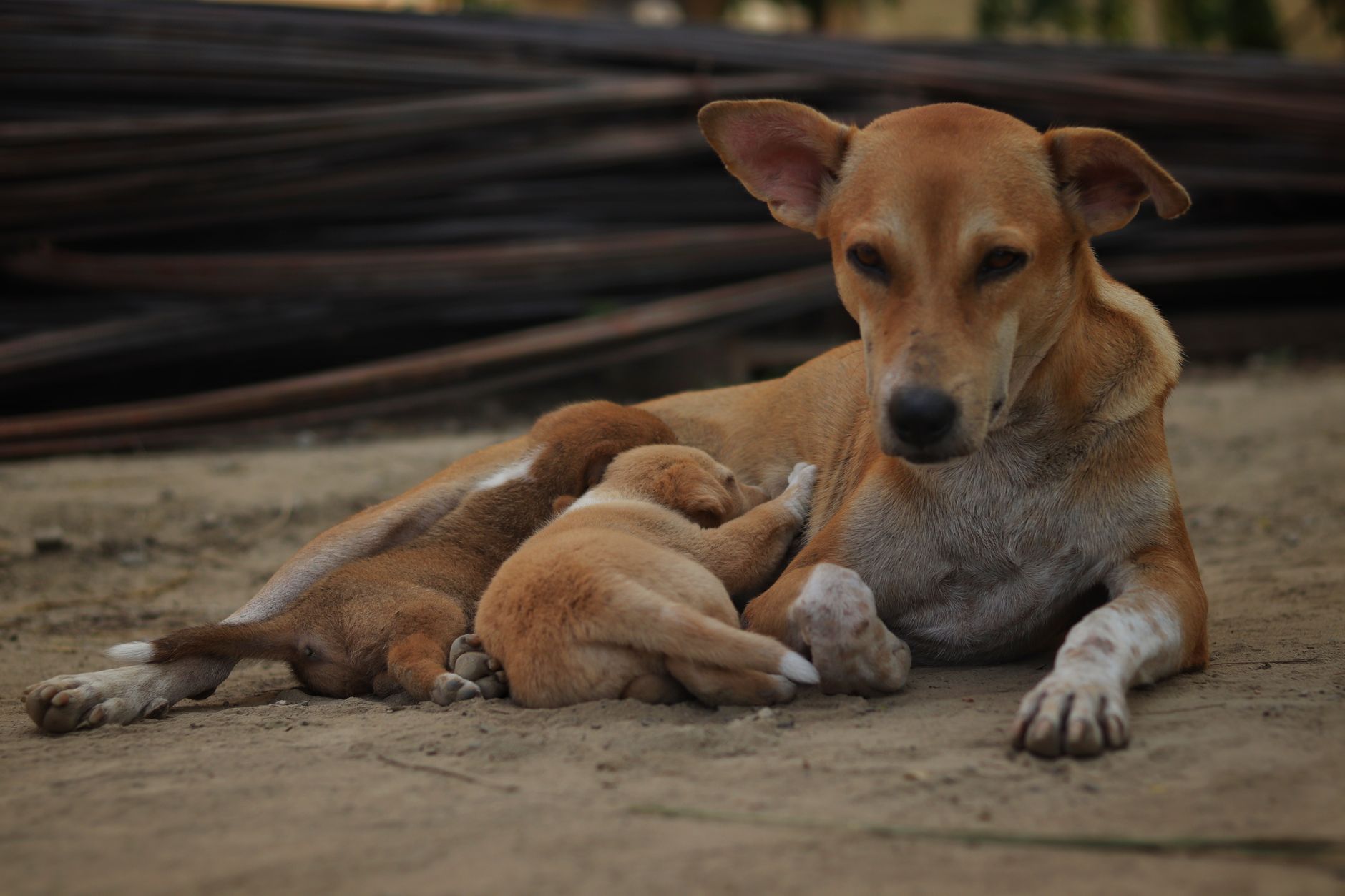
Several factors influence whether a mother dog will let you touch her puppies. Understanding these factors can help you approach the situation responsibly.
- Temperament of the Mother: Some dogs are naturally more tolerant and trusting of humans than others. A dog with a calm and friendly disposition is more likely to allow familiar people near her puppies.
- Socialization: A well-socialized dog, meaning one that has been exposed to various people, places, and situations from a young age, is generally more accepting of human interaction.
- Relationship with the Owner: If the mother dog has a strong bond with her owner and trusts them implicitly, she is more likely to allow them to touch her puppies.
- Environment: A safe, quiet, and familiar environment can help a mother dog feel more secure and less likely to react defensively.
Guidelines for Approaching a Mother Dog and Her Puppies
While the ultimate decision rests with the mother dog, these guidelines will help minimize stress and ensure a positive interaction. If you are wondering, “Will a mother dog let me touch her puppies?” start here:
- Observe from a Distance: Before approaching, observe the mother dog’s body language. Look for signs of relaxation, such as a relaxed posture, wagging tail, and soft eyes. Avoid approaching if she appears tense, growls, or bares her teeth.
- Seek Permission: Always ask the owner’s permission before attempting to interact with the mother dog or her puppies. They know the dog’s temperament and can advise you on the best approach.
- Approach Slowly and Calmly: Speak to the mother dog in a soft, reassuring voice as you approach. Avoid sudden movements or loud noises.
- Offer Your Hand: Allow the mother dog to sniff your hand before attempting to touch her or her puppies. This allows her to familiarize herself with your scent.
- Respect Her Boundaries: If the mother dog seems uncomfortable or hesitant, back away and give her space. Do not force interaction.
- Start with Gentle Petting: If the mother dog allows you to approach, start by gently petting her on the head or back. Avoid reaching directly for the puppies.
- Supervise Interactions: Always supervise interactions between children and the mother dog and her puppies. Teach children how to approach and handle dogs respectfully.
- Limit Interaction Time: Keep interactions brief to avoid overwhelming the mother dog or puppies.
- Hygiene Matters: Wash your hands thoroughly before and after interacting with the mother dog and puppies to prevent the spread of germs.
- Listen to the Owner: Always defer to the owner’s judgment and follow their instructions. They know the dog best and can provide valuable insights.
Why Not to Touch the Puppies Unnecessarily
While it may be tempting to cuddle newborn puppies, it’s generally best to avoid touching them unnecessarily. This is for several reasons:
- Stress for the Mother: Handling the puppies can cause the mother dog stress and anxiety, which can affect her milk production and maternal behavior.
- Disruption of Scent: Touching the puppies can disrupt their natural scent, making it difficult for the mother to recognize them.
- Risk of Infection: Newborn puppies have weak immune systems and are susceptible to infection. Handling them can introduce harmful bacteria.
- Injury Risk: Newborn puppies are fragile and can be easily injured if handled improperly.
Possible Reactions from Mother Dogs
Understanding the potential reactions of a mother dog when approached by someone wanting to touch her puppies is vital. The question of “Will a mother dog let me touch her puppies?” must also be viewed from the mother’s perspective and the possibility of various responses.
| Reaction | Description |
|---|---|
| Acceptance | The mother dog is relaxed, allows petting, and shows no signs of anxiety. |
| Hesitation | The mother dog is cautious and may tense up slightly but does not show aggression. |
| Warning Signs | The mother dog may growl, snarl, snap, or show her teeth. These are clear indicators to back away immediately. |
| Aggression | The mother dog may bite or attack if she feels her puppies are threatened. This is a rare occurrence but can happen if she feels cornered or extremely anxious. |
| Moving Puppies | The mother dog may attempt to move her puppies to a safer location if she feels insecure or threatened. This is a protective instinct and should be respected. |
The Importance of Professional Veterinary Care
It is important to work with a veterinarian when a dog has puppies. They can ensure the health of the mother and puppies.
- Post-Natal Checkups: Immediately following birth, the mother dog should receive a thorough veterinary examination to assess her overall health and identify any potential complications.
- Puppy Examinations: Veterinarians will assess the puppies for physical health, provide guidance on vaccinations, and answer any specific questions.
- Deworming and Vaccinations: The veterinarian will put the puppies on a schedule for deworming and vaccinating. These are important to protect the puppies from diseases.
Frequently Asked Questions (FAQs)
How long will a mother dog be protective of her puppies?
A mother dog’s protective instincts are usually strongest in the first few weeks after birth. However, she will likely remain protective for several months, gradually allowing the puppies more independence as they grow. The level of protection also depends on her individual temperament.
What are the signs that a mother dog is stressed or anxious?
Signs of stress or anxiety in a mother dog include panting, pacing, whining, trembling, tucked tail, flattened ears, lip licking, yawning, showing the whites of her eyes, and avoiding eye contact. If you see any of these signs, give her space and avoid approaching her or her puppies. Remember the central question: “Will a mother dog let me touch her puppies?” Stress can change the answer.
Can I introduce my other dog to the puppies?
Introducing another dog to the puppies should be done with extreme caution and only under the supervision of the owner. The mother dog may be territorial and aggressive towards other dogs, even those she usually gets along with. Gradual, controlled introductions are key, and it’s essential to prioritize the mother’s comfort and security.
What if the mother dog rejects one of her puppies?
Puppy rejection can occur for many reasons. It is more frequent in first-time mothers or in large litters. If a mother dog rejects a puppy, it’s crucial to consult with a veterinarian immediately. The puppy may require supplemental feeding and specialized care.
Is it okay to move the puppies to a different location?
Moving the puppies should be avoided unless absolutely necessary (e.g., unsafe environment). If you must move them, do so gently and quietly, and keep them close to the mother dog. Provide a clean, comfortable, and secure nesting area.
When can I start handling the puppies regularly?
It’s generally recommended to wait at least a few days, or even a week, before handling the puppies regularly. This allows the mother dog to bond with her puppies and establish a routine. Keep initial handling brief and gentle.
Can strangers touch the puppies?
It’s best to limit contact between strangers and newborn puppies, especially in the first few weeks. Too much handling can stress the mother dog and increase the risk of infection for the vulnerable puppies. If strangers must interact, ensure they wash their hands thoroughly beforehand and keep the interaction brief and gentle.
What happens if the mother dog bites me?
If a mother dog bites you, seek medical attention immediately. Even if the bite seems minor, there is a risk of infection. Report the incident to animal control.
How can I create a safe and comfortable environment for the mother dog and her puppies?
Provide a quiet, warm, and secluded nesting area away from high-traffic areas. Ensure the area is clean and comfortable, with soft bedding and easy access to food and water for the mother dog.
At what age can I take the puppies away from their mother?
Puppies should not be separated from their mother before eight weeks of age. Ideally, they should stay with her for at least ten to twelve weeks to learn important social skills and develop a strong bond.
Will the mother dog always protect her puppies, even if they are hurting her?
While a mother dog’s instinct is to protect her puppies, her own safety will eventually become a factor. She will likely tolerate some discomfort from her puppies, but if they are causing her significant pain, she may instinctively try to distance herself or even correct them.
Does breed play a factor in whether a mother dog will let me touch her puppies?
Yes, breed can play a role. Certain breeds are known for being more protective and territorial, while others are naturally more laid-back. However, individual temperament is often a more significant factor than breed. Always approach any mother dog with respect and caution. Understanding breed characteristics can provide valuable insight, but should never replace individual assessment.