
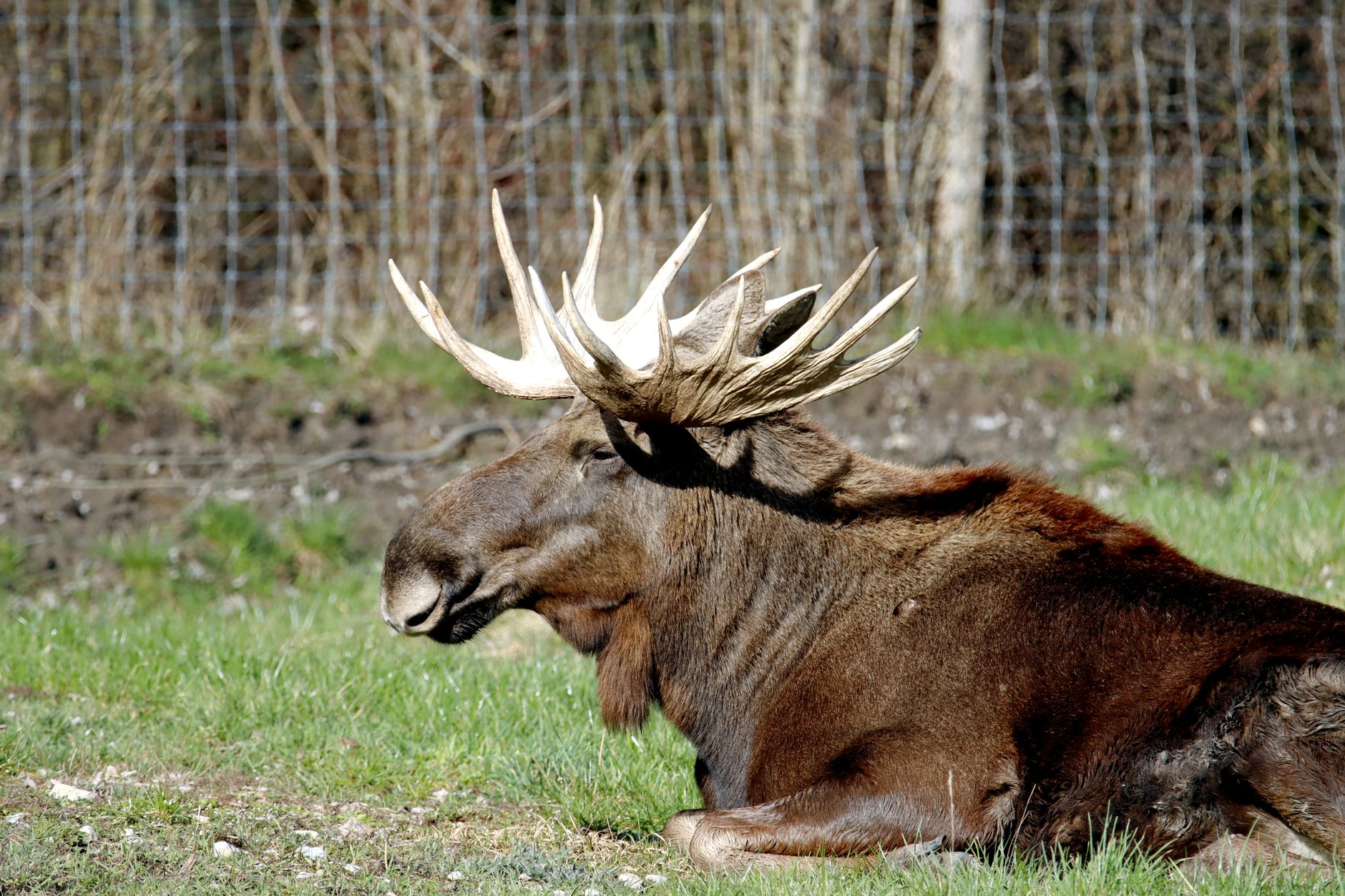
Will a Moose Charge You? Understanding Moose Behavior and Safety
Yes, a moose will charge you, particularly if it feels threatened, especially during mating season or when protecting its young. Learning to recognize warning signs and understanding moose behavior is crucial for preventing a potentially dangerous encounter.

Introduction: Moose Encounters and Human Safety
Moose are magnificent creatures, and seeing one in the wild can be an awe-inspiring experience. However, they are also large, powerful animals with the potential to cause serious harm. Understanding their behavior, particularly when they might become aggressive, is paramount for anyone who lives in or visits moose country. This article will delve into the various reasons why a moose might charge, the warning signs to watch for, and, most importantly, how to avoid an encounter becoming a dangerous situation.
Why Moose Charge: Understanding the Triggers

Several factors can contribute to a moose deciding to charge. It’s crucial to understand these triggers to anticipate and avoid potentially dangerous situations.
- Mating Season (Rut): During the fall rutting season (typically September to October), bull moose are highly territorial and aggressive as they compete for mates. Their tolerance for other animals, including humans, significantly decreases.
- Protecting Calves: Cow moose are fiercely protective of their calves, especially in the spring and early summer. Approaching a calf, even unintentionally, can trigger an immediate and aggressive response from the mother.
- Feeling Threatened or Cornered: If a moose feels threatened or cornered, it may perceive charging as its only option for defense. This can occur in situations where a moose is surprised, approached too closely, or blocked from its desired path.
- Domestic Dogs: Moose often see domestic dogs as wolves (a natural predator). Dogs barking or chasing a moose can quickly escalate the situation and trigger an attack on the dog, which may then redirect to the owner.
- Food Deprivation: In areas with limited food resources, moose may be more aggressive in defending their food sources, particularly during the winter months.
Recognizing Warning Signs of an Impending Charge
Before a moose charges, it will often exhibit a series of warning signs. Recognizing these signs is crucial for taking evasive action.
- Stomping its feet: This is a common warning sign, indicating the moose is agitated and uncomfortable.
- Licking its nose: Repeated licking of the nose can be a sign of stress or agitation.
- Lowering its head: A lowered head, especially with its antlers pointed forward (if present), is a clear signal of aggression.
- Raising the hair on its back (hackles): This is an indication that the moose is feeling threatened and preparing to defend itself.
- Walking directly toward you: A moose that approaches you directly, rather than veering away, is likely asserting its dominance and potentially preparing to charge.
- Grunting or snorting: These vocalizations are signs of agitation and can precede a charge.
How to Avoid a Moose Charge: Staying Safe in Moose Country
Prevention is key when it comes to avoiding a moose charge. Taking the following precautions can significantly reduce your risk of a negative encounter.
- Maintain a Safe Distance: Always maintain a distance of at least 25 feet (7.5 meters) from a moose. More distance is always better.
- Be Aware of Your Surroundings: Pay attention to your surroundings, especially in areas known to have moose populations. Look for signs of moose activity, such as tracks and droppings.
- Keep Dogs Leashed: Always keep your dog on a leash in moose country. A dog running loose can provoke a moose and put both the dog and you at risk.
- Avoid Approaching Calves: Never approach a moose calf, regardless of how cute it may appear. The mother is likely nearby and will aggressively defend her offspring.
- Make Noise While Hiking: Making noise while hiking can help alert moose to your presence and prevent them from being surprised.
- Avoid Feeding Moose: Feeding moose can habituate them to humans and make them more likely to approach people in search of food.
- Carry Bear Spray: While designed for bears, bear spray can also be effective in deterring a moose charge.
What to Do If a Moose Charges You
Despite taking precautions, a moose may still charge. Here’s what to do:
- Assess the situation: Quickly determine why the moose is charging. Is it protecting a calf? Is it rutting season?
- Create a Barrier: If possible, get behind a large object, such as a tree or vehicle. This can provide some protection and may deter the moose.
- Run: If there is no barrier available, run away. Moose are fast, but they tire easily. Try to run in a zig-zag pattern.
- Get Something Between You and the Moose: Drop a backpack, jacket, or any other object to distract the moose and give you a chance to escape.
- Use Bear Spray: If you have bear spray, use it. Aim for the moose’s face.
- If Knocked Down: If the moose knocks you down, curl up in a ball and protect your head and neck. Play dead. A moose’s natural reaction after neutralizing a perceived threat is to stop attacking.
Moose Safety Checklist
| Action | Recommendation | Reason |
|---|---|---|
| Distance | Maintain at least 25 feet (7.5 meters) | Reduces the risk of the moose feeling threatened. |
| Dog Leash | Keep dogs on a leash | Prevents the dog from provoking the moose. |
| Calf Avoidance | Never approach a calf | Protects you from the mother’s aggressive behavior. |
| Noise while Hiking | Make noise while hiking | Alerts the moose to your presence. |
| Feeding Avoidance | Do not feed moose | Prevents habituation and reduces the likelihood of the moose approaching humans. |
| Bear Spray | Carry bear spray | Provides a defense mechanism in case of a charge. |
| Retreat Route | Plan an escape route mentally | Allows you to quickly leave in the event of a charge. |

Frequently Asked Questions (FAQs)
What is the best time of year to avoid moose encounters?
The best time of year to minimize moose encounters is generally during the summer months (late June to August) when moose are less stressed by the cold and snow. However, always be cautious, as encounters can happen at any time of year. Cows with calves can still be highly protective during the summer.
Are moose more dangerous than bears?
While bears often get more attention regarding wildlife safety, moose are responsible for more human injuries in some regions. Moose are less likely to be scared off by noise and are more likely to stand their ground or charge. Bear attacks are often motivated by food, whereas moose attacks are typically defensive.
How fast can a moose run?
Moose can run up to 35 miles per hour, which is faster than most humans. Therefore, outrunning a moose in a straight line is unlikely. Running in a zig-zag pattern increases your chances of escape.
Is it safe to watch a moose from my car?
Watching a moose from inside a vehicle is generally safer than approaching it on foot. However, be cautious of blocking traffic or causing other drivers to take evasive actions that could put them at risk. Never approach a moose in your car.
What should I do if I see a moose in my yard?
If a moose wanders into your yard, the best course of action is to leave it alone and observe it from a safe distance inside your house. Keep pets indoors and avoid making any sudden movements or loud noises that could startle the moose. If the moose becomes aggressive or poses an immediate threat, contact your local wildlife authorities.
Do moose attack more often at dawn or dusk?
Moose are crepuscular animals, meaning they are most active during dawn and dusk. These are also times when visibility can be reduced, increasing the likelihood of a surprise encounter. Be especially cautious during these times.
Can a moose climb fences?
Moose are surprisingly agile and can climb over some fences, especially if they are not very high. A moose can also get trapped in a fence, making it more dangerous. It is a good idea to keep fences around livestock very sturdy.
Does yelling at a moose scare it away?
Yelling at a moose might work in some situations, but it can also backfire and further agitate the animal. It’s generally better to avoid yelling unless you feel you have no other option. A firm, confident voice may be more effective than shouting.
Are moose attacks common?
While not as frequently reported as bear attacks, moose attacks do occur, and in some regions, they are more common. It’s important to remember that will a moose charge you? The answer is always a possibility, so awareness is paramount.
What does a moose attack look like?
A moose attack typically involves the moose charging forward and using its front hooves to strike or stomp on the perceived threat. They may also use their antlers (if present) to gore.
Is it true that moose can be attracted to salt on cars in winter?
Yes, moose are attracted to the salt used to de-ice roads and cars in the winter. They may lick the salt off vehicles, which can bring them into close proximity to humans and create potentially dangerous situations. Washing your car more frequently in the winter can help reduce this attraction.
How do I report an aggressive moose?
If you encounter an aggressive moose, report it to your local wildlife authorities or park rangers. They can assess the situation and take appropriate measures to ensure public safety. It’s important to provide them with as much detail as possible about the location, time of day, and behavior of the moose.