

Why You Shouldn’t Shave a Dog with an Undercoat: A Comprehensive Guide
Shaving a dog with an undercoat can be detrimental to their health and well-being. It disrupts their natural temperature regulation, potentially leading to overheating, sunburn, and long-term coat damage, so Why you shouldn’t shave a dog with an undercoat is crucial knowledge for every dog owner.
Understanding the Undercoat
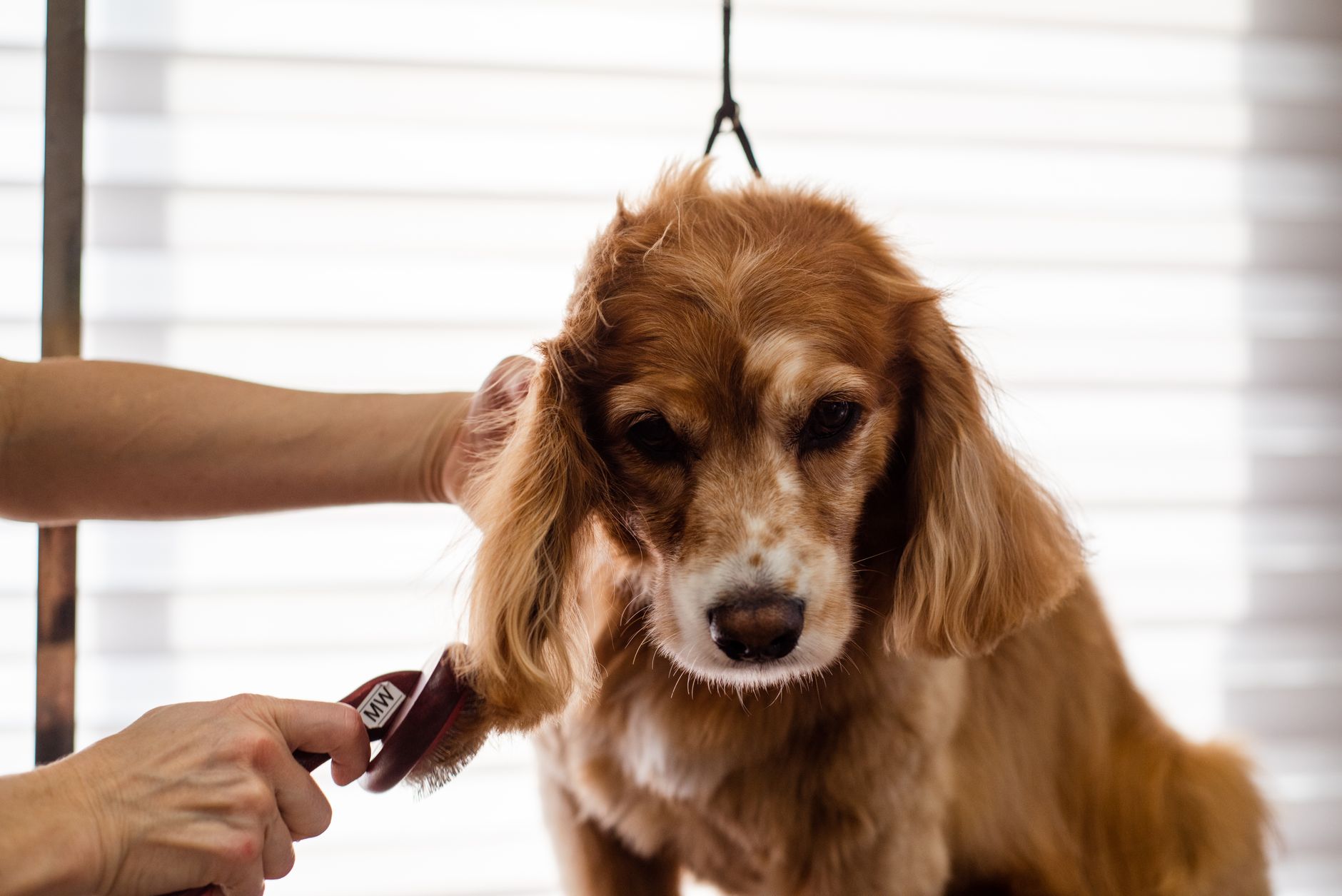
Many dog breeds possess a double coat, consisting of a coarse outer layer called the guard hairs and a soft, dense undercoat. This undercoat provides insulation against both heat and cold.
- The guard hairs repel water and protect the skin from injury.
- The undercoat traps air, acting as a natural insulator.
Why you shouldn’t shave a dog with an undercoat? lies in understanding how this natural system functions. When you shave a double-coated dog, you remove this crucial insulation, disrupting their body’s ability to regulate temperature.
The Dangers of Shaving
Shaving a dog with an undercoat can lead to several problems:
- Overheating: The undercoat helps keep the dog cool in the summer by allowing air to circulate. Removing it exposes the skin directly to the sun, increasing the risk of heatstroke and sunburn.
- Sunburn: The coat provides natural protection from harmful UV rays. Shaving removes this protection, making the dog vulnerable to sunburn and potentially increasing the risk of skin cancer.
- Coat Damage: Shaving can damage the hair follicles, leading to uneven regrowth, alopecia (hair loss), and a dull, unhealthy coat. The undercoat may not grow back properly, leaving the dog with a perpetually thin coat.
- Difficulty Regulating Temperature: A shaved dog struggles to stay warm in the winter because the insulation is gone.
- Skin Irritation: Shaving can cause skin irritation, itching, and increased susceptibility to infections.
Alternatives to Shaving
Instead of shaving, consider these alternatives to help your dog stay cool and comfortable:
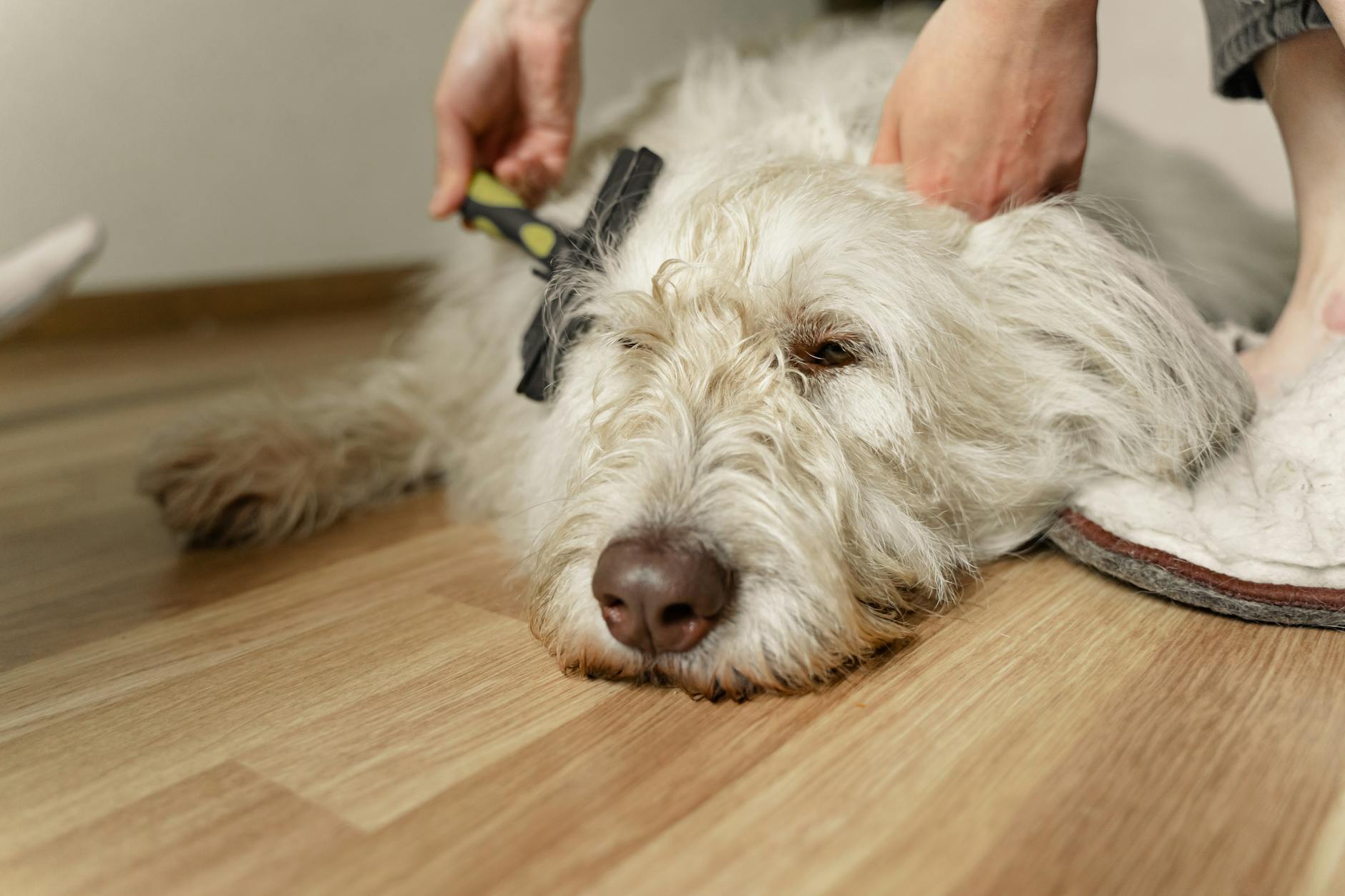
- Regular Brushing: Brushing removes loose undercoat, allowing for better airflow and cooling. Use a specialized deshedding tool for optimal results.
- Professional Grooming: A groomer can safely remove excess undercoat without shaving the dog completely.
- Cooling Products: Cooling vests, mats, and bandanas can help regulate your dog’s temperature in hot weather.
- Providing Shade and Water: Ensure your dog has access to plenty of fresh water and shade, especially during peak heat hours.
- Avoid Strenuous Activity: Limit exercise during the hottest parts of the day.
- Kiddie Pool: Provide a kiddie pool with shallow water for your dog to cool off in.
- Air Conditioning: If available, use air conditioning to keep your dog comfortable indoors.
Common Mistakes
Many dog owners shave their double-coated dogs believing it will help them stay cool. This is a common mistake based on the misconception that the coat traps heat. In reality, the coat acts as an insulator, preventing both heat and cold from reaching the skin.
Another common mistake is relying on anecdotes and outdated information. Always consult with a veterinarian or professional groomer for personalized advice on your dog’s coat care.
Breeds Commonly Affected
The following breeds are particularly susceptible to the negative effects of shaving due to their double coats:
- Siberian Huskies
- Alaskan Malamutes
- German Shepherds
- Collies
- Samoyeds
- Newfoundlands
- Bernese Mountain Dogs
- Chow Chows
- Pomeranians
These breeds rely heavily on their undercoats for temperature regulation, and shaving them can cause significant discomfort and health problems. Why you shouldn’t shave a dog with an undercoat? is especially important to understand if you own one of these breeds.
The Deshedding Process
The deshedding process focuses on removing loose undercoat without cutting the outer coat. This allows the dog to maintain its natural temperature regulation capabilities while minimizing shedding.
Here’s a general deshedding process:
- Brush Regularly: Brush your dog several times a week to remove loose hair.
- Use a Deshedding Tool: A deshedding tool, such as a Furminator, is specifically designed to remove undercoat. Use it carefully and follow the manufacturer’s instructions.
- Bathe (if necessary): Bathing can help loosen the undercoat. Be sure to use a dog-specific shampoo and conditioner.
- Blow-Dry (optional): Using a cool or lukewarm blow dryer can help remove loose hair. Be cautious not to overheat your dog.
- Repeat as Needed: The frequency of deshedding will depend on your dog’s breed and coat type.
| Tool | Purpose | Notes |
|---|---|---|
| Slicker Brush | Removes mats and tangles | Use gently to avoid irritating the skin. |
| Undercoat Rake | Removes loose undercoat without damaging the topcoat | Use with caution, especially on dogs with sensitive skin. |
| Deshedding Tool | Removes significant amounts of undercoat | Follow manufacturer’s instructions to avoid over-grooming. |
| Pin Brush | General brushing for maintenance | Good for smoothing the coat and removing surface debris. |
Professional Grooming
Professional groomers have the knowledge and experience to safely and effectively manage your dog’s coat. They can provide a variety of services, including:
- Deshedding Treatments: These treatments involve specialized products and techniques to remove loose undercoat.
- Bathing and Drying: Professional groomers use appropriate shampoos and drying methods to avoid damaging the coat.
- Trimming: While shaving is discouraged, groomers can trim the coat to maintain its shape and prevent matting.
Consult with a groomer to determine the best course of action for your dog’s specific needs.
Monitoring Coat Health
Regularly monitoring your dog’s coat health is essential. Look for signs of:
- Hair Loss: Excessive shedding or bald patches can indicate underlying health problems.
- Dull Coat: A dull or dry coat can be a sign of nutritional deficiencies or skin issues.
- Skin Irritation: Redness, itching, or inflammation can indicate allergies or infections.
- Mats and Tangles: Mats and tangles can lead to skin irritation and discomfort.
If you notice any of these signs, consult with your veterinarian.

Frequently Asked Questions (FAQs)
Does shaving make my dog cooler in the summer?
No, shaving actually makes most double-coated dogs hotter. Their undercoat acts as an insulator against both heat and cold. Removing it exposes their skin directly to the sun, leading to overheating and sunburn. This is central to Why you shouldn’t shave a dog with an undercoat?.
What if my dog is matted; can I shave them then?
Severely matted coats often require shaving, but this should be done by a professional groomer. They can safely remove the mats without causing further damage to the skin or coat and can advise on proper aftercare and future prevention strategies.
Will my dog’s coat grow back the same after being shaved?
Not necessarily. Shaving can damage the hair follicles, leading to uneven regrowth, changes in texture, and even permanent hair loss. The undercoat may not grow back properly, leaving the dog with a thin, sparse coat.
Are there any breeds that should be shaved?
Some single-coated breeds, such as Poodles and Bichon Frises, may benefit from occasional haircuts for hygiene and maintenance. However, double-coated breeds should generally not be shaved.
My vet recommended shaving my dog; should I do it?
Discuss the reasoning with your vet. If the recommendation is for a specific medical reason, such as treating a skin condition or preparing for surgery, it may be necessary. Get a second opinion if you’re unsure.
How often should I brush my double-coated dog?
The frequency of brushing depends on the breed and coat type, but generally, you should brush your dog several times a week. During shedding season, daily brushing may be necessary to remove loose undercoat.
What is a deshedding tool, and how does it work?
A deshedding tool is a specialized brush designed to remove loose undercoat without cutting the outer coat. It works by gently grabbing and pulling out dead hair, allowing for better airflow and cooling. Be careful not to overuse it, as it can irritate the skin.
Can I use human shampoo on my dog?
No, human shampoo is not pH-balanced for dogs and can irritate their skin. Use a dog-specific shampoo and conditioner to maintain a healthy coat.
What are the signs of heatstroke in dogs?
Signs of heatstroke include excessive panting, drooling, weakness, vomiting, diarrhea, and collapse. If you suspect your dog has heatstroke, seek immediate veterinary care.
How can I tell if my dog is too hot?
Signs that your dog is too hot include excessive panting, seeking shade, lethargy, and red gums. Provide water and cooling measures immediately.
Is it okay to trim my dog’s fur instead of shaving it?
Trimming is generally a better option than shaving, as it maintains the coat’s natural insulation and protection. A professional groomer can help you determine the appropriate length for trimming.
What should I do if my dog gets sunburned?
If your dog gets sunburned, apply a dog-safe sunscreen and keep them out of the sun until the skin has healed. Consult with your veterinarian if the sunburn is severe. It is a direct result of Why you shouldn’t shave a dog with an undercoat?
By understanding the function of the undercoat and the dangers of shaving, you can ensure your double-coated dog stays happy, healthy, and comfortable year-round. Remember to prioritize regular brushing, professional grooming, and appropriate cooling measures to maintain their coat and overall well-being.