
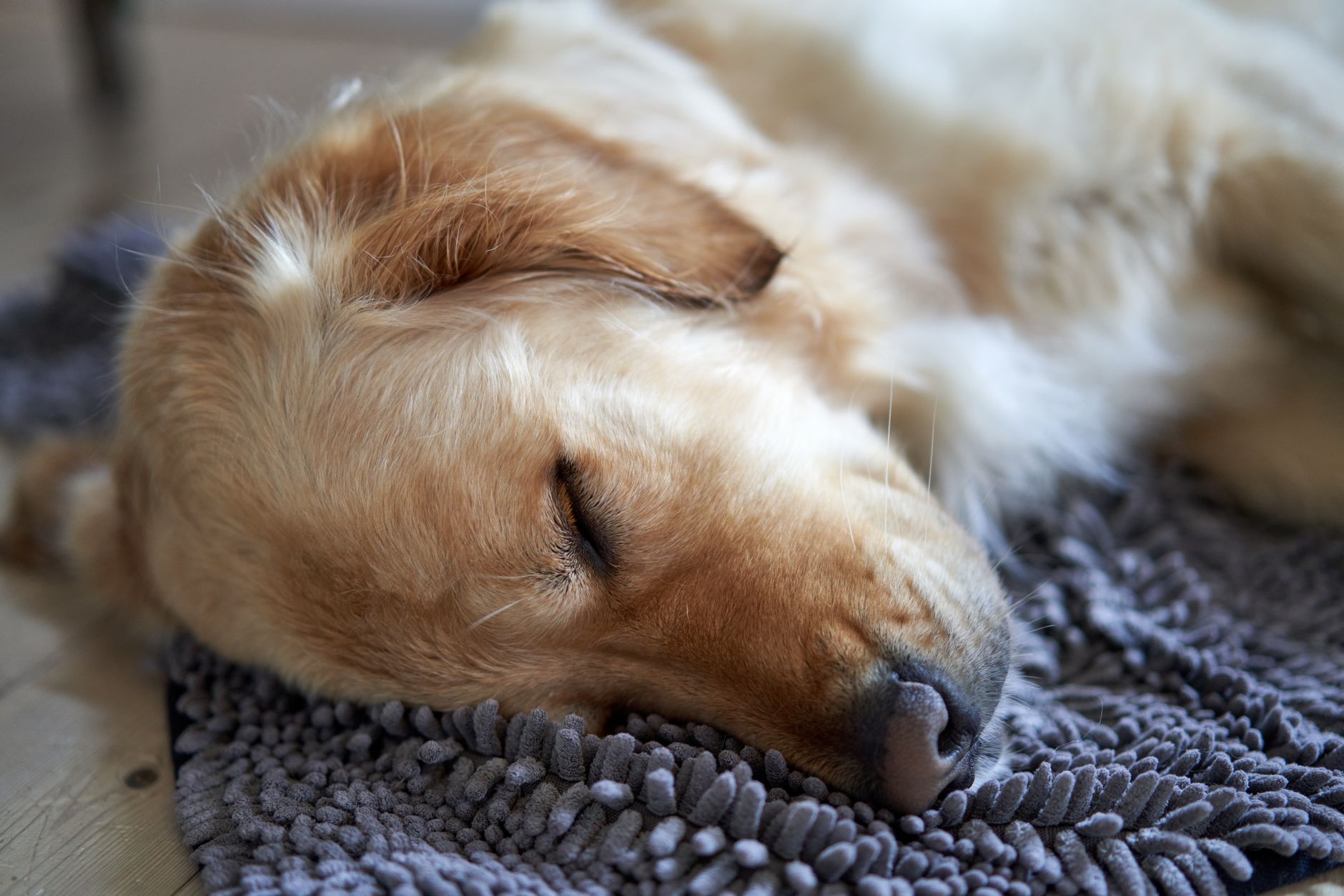
Why You Should Never Wake a Sleeping Dog: Understanding Canine Rest
Never wake a sleeping dog, unless absolutely necessary. It’s crucial for their health and well-being, as a startled dog can react negatively, and sleep is essential for their physical and mental restoration.

The Importance of Canine Sleep
Dogs, like humans, require adequate sleep for optimal health and well-being. Sleep allows their bodies and minds to rest and repair, contributing to their overall quality of life. Understanding the nuances of canine sleep patterns is crucial for responsible pet ownership.
Why a Sleeping Dog Should Be Left Alone
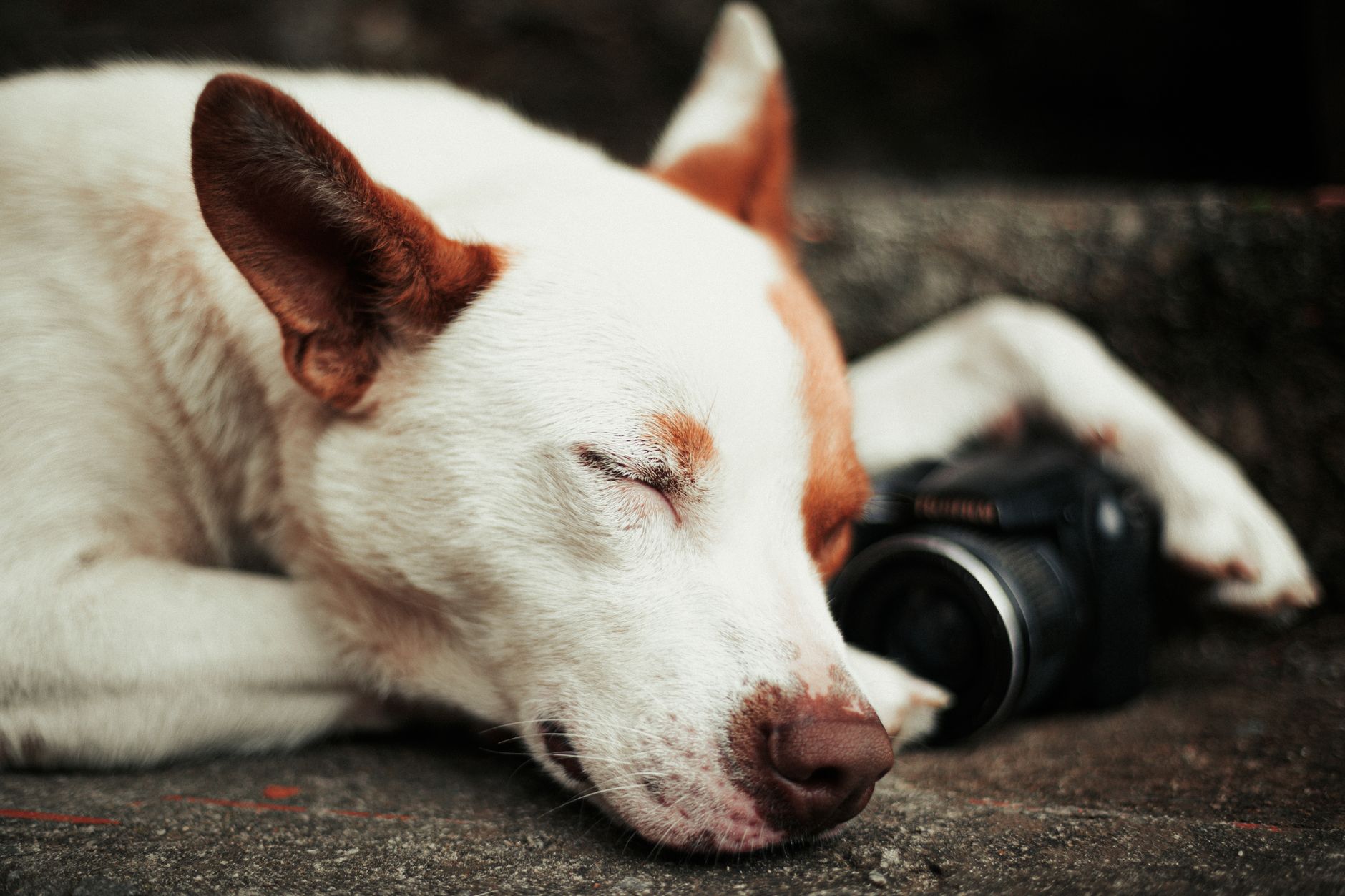
Disturbing a sleeping dog can lead to several negative consequences, ranging from minor behavioral issues to more significant health and safety concerns. The most immediate risk is a startle response, which can trigger aggression, especially in dogs who are already anxious, fearful, or in pain. Beyond the immediate reaction, constantly interrupting a dog’s sleep can contribute to chronic stress and anxiety.
The Science Behind Canine Sleep
Dogs, like humans, experience different stages of sleep, including slow-wave sleep (SWS) and rapid eye movement (REM) sleep. SWS is characterized by deep relaxation and physical restoration, while REM sleep is associated with dreaming and cognitive processing.
- Slow-Wave Sleep (SWS): This is the deepest stage of sleep, where the body repairs itself and replenishes energy.
- Rapid Eye Movement (REM) Sleep: This stage is crucial for memory consolidation and learning. Dogs often twitch, vocalize, or even move their paws during REM sleep, indicating they are likely dreaming.
A consistent sleep schedule is vital for regulating these sleep cycles. Disrupting these cycles can lead to cognitive impairment and behavioral issues.
Potential Consequences of Waking a Sleeping Dog
The consequences of waking a sleeping dog can range from mild irritation to aggressive behavior.
- Startle Response: A sudden awakening can trigger a fight-or-flight response, leading to snapping, growling, or biting. This is especially true if the dog is in a deep sleep and disoriented.
- Increased Anxiety and Stress: Chronic sleep deprivation can increase stress hormones, making the dog more reactive and anxious in general.
- Aggression: Repeatedly disturbing a dog’s sleep can erode their trust and increase the likelihood of aggression, particularly if the dog is already predisposed to such behavior.
- Confusion and Disorientation: Waking up abruptly can leave a dog feeling confused and disoriented, leading to unpredictable behavior.
Identifying When It’s Okay to Wake Your Dog
There are, of course, exceptions to the rule. There are situations where waking a sleeping dog is unavoidable or even necessary.
- Medical Emergency: If your dog is exhibiting signs of a medical emergency, such as difficulty breathing or seizures, you must wake them up immediately to provide assistance and seek veterinary care.
- Imminent Danger: If your dog is in a dangerous situation, such as wandering into traffic or getting too close to a potential hazard, you need to wake them up to move them to safety.
- House Training Issues: If your puppy is in the early stages of house training, you may need to wake them up for potty breaks, especially during the night.
- Scheduled Medication: If your dog requires medication at a specific time, you may need to wake them up to administer it.
Strategies for Minimizing Disturbances
Even when it’s necessary to wake your dog, there are gentle and considerate ways to do it.
- Approach Slowly and Quietly: Avoid startling your dog by approaching them slowly and making soft noises to alert them to your presence.
- Speak in a Gentle Tone: Use a calm and reassuring voice to speak to your dog as you approach them.
- Offer a Treat: Having a treat on hand can help to associate waking up with a positive experience.
- Gently Touch or Pet: Gently stroke your dog’s back or scratch them behind the ears to wake them up gradually.
- Call Their Name Softly: Saying their name softly can be a gentle way to rouse them from sleep.
Creating a Safe and Comfortable Sleep Environment
Providing your dog with a safe and comfortable sleep environment can help to minimize the chances of them being disturbed.
- Designated Sleeping Area: Provide your dog with a designated sleeping area where they can feel safe and secure. This could be a comfortable bed, crate, or blanket.
- Quiet and Dark Room: Choose a room that is quiet and dark to minimize distractions and promote restful sleep.
- Consistent Routine: Establish a consistent bedtime routine to help regulate your dog’s sleep cycle.
- Avoid High-Traffic Areas: Place your dog’s sleeping area away from high-traffic areas in the house to avoid unnecessary disturbances.
- Proper Bedding: Ensure that your dog’s bedding is comfortable, clean, and supportive.
Why Why you should never wake a sleeping dog? is so crucial for a well-adjusted dog.
In conclusion, understanding why you should never wake a sleeping dog? is essential for responsible pet ownership. It’s about respecting their need for rest, minimizing the risk of negative reactions, and fostering a trusting and positive relationship. Providing a safe and comfortable sleep environment and using gentle techniques when waking your dog is necessary helps to ensure their overall well-being. Prioritizing your dog’s sleep contributes to a happier, healthier, and more well-adjusted companion. Protecting those precious dream-filled moments ultimately strengthens the bond between you and your furry friend.

Frequently Asked Questions (FAQs)
What are the signs that my dog is in a deep sleep?
Dogs in a deep sleep often exhibit signs such as relaxed breathing, muscle relaxation, and occasional twitching or vocalization, which indicates they are likely dreaming. Their eyes may be closed tightly, and they may be less responsive to external stimuli. Observing these cues can help you avoid disturbing them unnecessarily.
Is it ever okay to wake a sleeping puppy?
Yes, there are specific instances where waking a sleeping puppy is necessary, such as for potty breaks, especially during the early stages of house training. However, it’s crucial to do so gently and calmly to avoid startling them. Consistent, gentle approaches are key.
My dog growls when I accidentally wake him up. Is this normal?
It’s not uncommon for a dog to growl when startled awake, as it’s a natural defensive reaction. However, if your dog consistently exhibits aggressive behavior when woken, it’s essential to consult with a veterinarian or a professional dog trainer to address any underlying anxiety or aggression issues. Professional guidance is crucial in managing such behaviors.
How much sleep do dogs typically need?
Dogs typically need between 12 to 14 hours of sleep per day, with puppies and senior dogs requiring even more rest. This varies depending on the dog’s age, breed, activity level, and overall health. Ensuring adequate sleep is vital for their well-being.
What should I do if my child wakes up our dog frequently?
It’s crucial to educate children about the importance of respecting a dog’s sleep and space. Teach them to approach the dog gently and only wake them if absolutely necessary, such as in emergencies. Supervise interactions and reinforce positive behaviors.
Can disrupting a dog’s sleep lead to long-term health problems?
Yes, chronic sleep deprivation can lead to long-term health problems in dogs, including increased stress levels, weakened immune function, and behavioral issues such as aggression and anxiety. Therefore, it’s essential to prioritize their sleep and create a conducive sleep environment. Prioritize their rest.
How can I create a more relaxing sleep environment for my dog?
Creating a relaxing sleep environment involves providing a comfortable bed, ensuring a quiet and dark room, and establishing a consistent bedtime routine. You can also use calming aids such as pheromone diffusers or white noise machines to promote restful sleep. A calming environment is vital.
What if my dog is sleeping in a dangerous location?
If your dog is sleeping in a dangerous location, such as in the middle of the road, it’s essential to wake them up immediately to move them to safety. Use a calm and reassuring voice to avoid startling them and guide them to a safer area. Safety comes first.
Are some dog breeds more sensitive to being woken up than others?
Yes, some dog breeds, particularly those known for being anxious or reactive, may be more sensitive to being woken up abruptly. Additionally, dogs with certain medical conditions, such as arthritis or hip dysplasia, may experience pain or discomfort when woken suddenly. Knowing your dog’s breed and health can help you adapt.
What is the best way to wake up a senior dog?
Senior dogs may have reduced hearing or vision, so it’s even more important to wake them up gently. Approach them slowly, speak in a soft voice, and gently touch or pet them to rouse them gradually. Avoid startling them, as this can be particularly distressing for older dogs. Gentleness is key with senior dogs.
How does the environment affect a dog’s sleep?
A dog’s sleep is significantly affected by its environment. Loud noises, bright lights, and frequent disturbances can disrupt their sleep cycles and prevent them from getting adequate rest. Providing a quiet, dark, and comfortable sleep environment is crucial for promoting restful sleep. Minimize disturbances.
Is Why you should never wake a sleeping dog? always true, or are there exceptions?
While the advice “Why you should never wake a sleeping dog?” is generally sound, there are indeed exceptions, primarily in cases of medical emergencies or immediate danger. However, it is important to carefully consider the potential consequences before waking a sleeping dog and to do so as gently as possible. Prioritize safety and well-being, but always consider the potential reaction.