

Why Won’t My Dog Come Out of My Bedroom? Understanding the Root Causes and Solutions
Is your dog suddenly a bedroom recluse? Several factors, including fear, anxiety, illness, injury, or simply comfort, could be the reason why your dog won’t come out of your bedroom.

Introduction: The Mystery of the Bedroom-Bound Dog
It’s concerning when a typically active and social dog suddenly retreats to a single room, especially the bedroom. Understanding why your dog won’t come out of your bedroom requires careful observation and a bit of detective work. This article explores the common causes of this behavior and provides practical solutions to coax your furry friend back into the rest of your home. We’ll delve into potential medical issues, psychological factors, and environmental considerations to help you understand your dog’s perspective and offer appropriate support.
Ruling Out Medical Causes
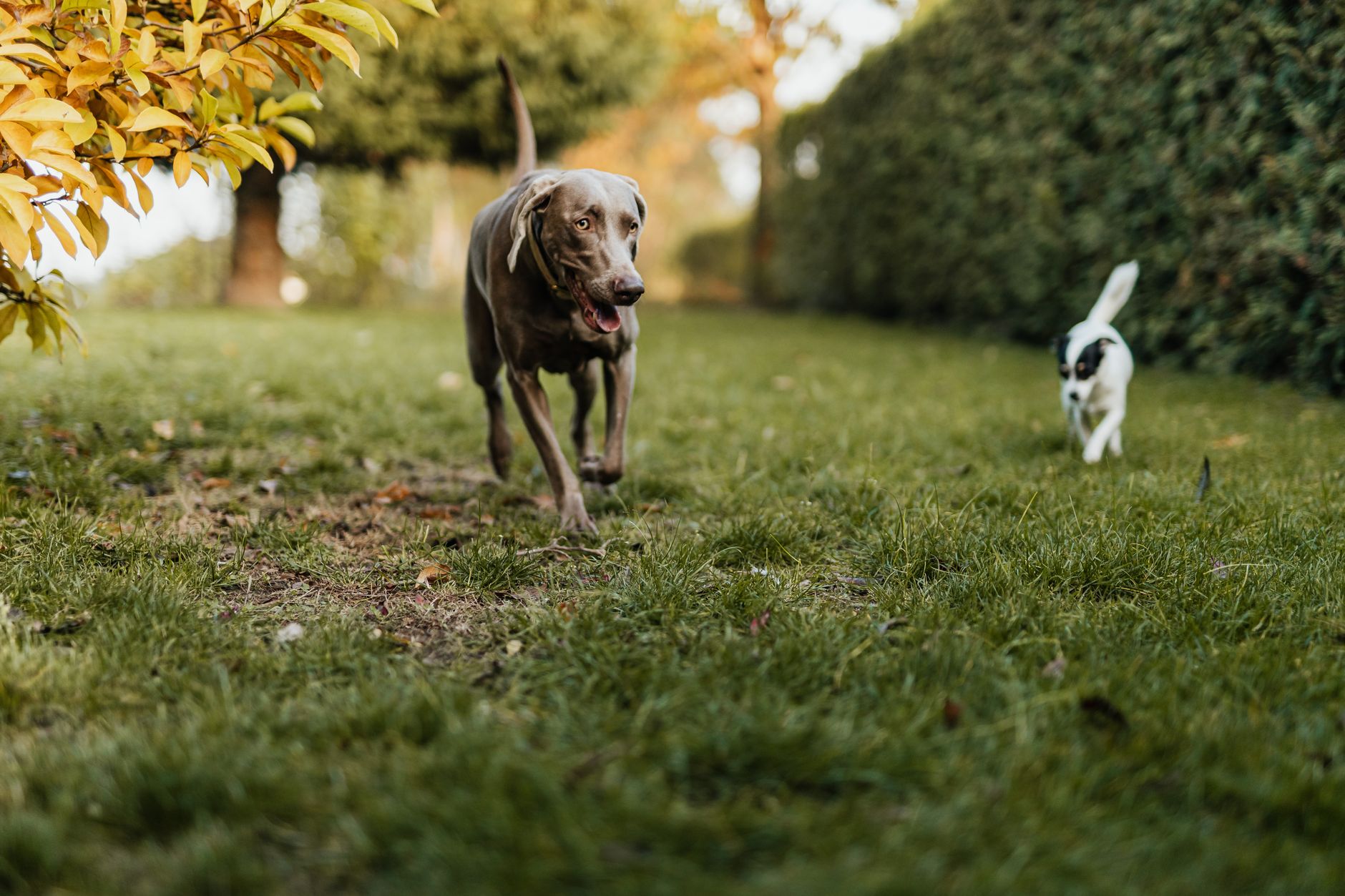
The first step in addressing this issue is to rule out any underlying medical conditions. Dogs often hide when they are feeling unwell or in pain. A thorough veterinary examination is crucial.
- Pain: Is your dog experiencing pain from arthritis, an injury, or another ailment? Even subtle discomfort can cause a dog to seek out a quiet, safe space.
- Illness: Nausea, fever, or other symptoms of illness can make a dog feel vulnerable and seek isolation.
- Cognitive Dysfunction: In older dogs, cognitive dysfunction (doggy dementia) can lead to confusion and changes in behavior, including retreating to a familiar space.
Psychological and Emotional Factors
Once medical causes are excluded, it’s time to explore the emotional and psychological reasons why your dog won’t come out of your bedroom.
- Fear and Anxiety: Loud noises, thunderstorms, strangers, or even changes in the household routine can trigger fear and anxiety, causing a dog to seek refuge in what they perceive as a safe haven.
- New Pet or Family Member: The introduction of a new pet or human family member can disrupt a dog’s sense of security and lead to withdrawal.
- Separation Anxiety: Paradoxically, even if you are home, the dog might still experience anxiety when not in your immediate presence, making them reluctant to leave your side (and the bedroom).
- Past Trauma: A history of abuse or neglect can make a dog particularly prone to fear and anxiety.
Environmental Influences
The environment within and outside your home can also contribute to this behavior.
- Loud Noises: Construction, traffic, or even noisy neighbors can create a stressful environment for a sensitive dog.
- Changes in Routine: Alterations to feeding schedules, walks, or playtime can disrupt a dog’s sense of stability.
- Uncomfortable Temperatures: An overheated or drafty house can make a dog seek out a more comfortable spot.
Creating a Supportive Environment
Once you’ve identified the potential cause, you can begin to create a more supportive environment for your dog.
- Comfort and Security: Ensure the bedroom provides a comfortable and secure space. This might include a favorite bed, toys, and a blanket that smells like you.
- Positive Reinforcement: Use positive reinforcement to encourage your dog to venture out of the bedroom. This could involve treats, praise, or playtime. Avoid forcing your dog to leave, as this could exacerbate their anxiety.
- Gradual Exposure: Gradually expose your dog to the areas of the house they are avoiding. Start with short visits and gradually increase the duration.
- Professional Help: If the problem persists, consider consulting with a certified dog trainer or veterinary behaviorist.
Comparative Table of Potential Causes and Solutions
| Cause | Possible Solutions |
|---|---|
| Medical Condition | Veterinary Examination, Pain Management, Medication |
| Fear/Anxiety | Identify triggers, create safe space, desensitization, counter-conditioning, anxiety medication (under vet supervision) |
| New Pet/Family Member | Gradual introduction, supervised interactions, maintain routine |
| Environmental Noise | Soundproofing, white noise, calming music |
| Change in Routine | Re-establish routine, provide predictability |
Frequently Asked Questions
Why would my dog suddenly start hiding in the bedroom?
A sudden change in behavior like hiding often indicates a sudden trigger, such as a loud noise, a new pet, or an illness. Pay close attention to any recent events or changes in your dog’s environment or health that might have precipitated the hiding behavior.

My dog only hides in the bedroom when it storms. What should I do?
This is a common form of anxiety. Create a safe and comfortable den in the bedroom, use calming pheromones, play white noise, and consider a Thundershirt. Consult with your veterinarian about anti-anxiety medication if the anxiety is severe.
Is it possible my dog is just being lazy?
While laziness can be a factor, especially in older dogs, it’s crucial to rule out other possibilities first. Sudden changes in activity level are usually indicators of underlying medical or emotional issues.
How can I tell if my dog is in pain?
Signs of pain in dogs can be subtle. Look for changes in behavior, such as limping, reluctance to move, panting, whining, changes in appetite, or aggression when touched in a certain area.
What is a “safe space” for a dog?
A safe space is a place where your dog feels secure and protected. It should be quiet, comfortable, and easily accessible. This could be a crate, a bed in a quiet corner, or, in this case, your bedroom.
How do I desensitize my dog to a trigger?
Desensitization involves gradually exposing your dog to the trigger at a low intensity and pairing it with positive reinforcement. For example, if your dog is afraid of loud noises, play recordings of those noises at a low volume while giving them treats.
What is counter-conditioning?
Counter-conditioning involves changing your dog’s emotional response to a trigger by associating it with something positive. For example, if your dog is afraid of strangers, give them a treat every time a stranger approaches.
When should I consult with a veterinary behaviorist?
If you’ve tried addressing the problem on your own and your dog’s behavior isn’t improving, or if you suspect a severe underlying anxiety disorder, it’s time to consult with a veterinary behaviorist.
Are calming pheromones effective?
Calming pheromones, such as Adaptil, can be effective in reducing anxiety in some dogs. They mimic the natural pheromones released by nursing mothers and can create a sense of security.
What if my dog is just getting older and doesn’t want to be as active?
As dogs age, their activity levels naturally decrease. However, it’s still important to rule out medical conditions that could be contributing to their inactivity. Make sure their bed is comfortable and easily accessible, and continue to provide gentle exercise.
My dog seems fine in the bedroom, but scared everywhere else. What should I do?
This suggests a specific trigger or fear associated with the other areas of your home. Identify the potential trigger and use desensitization and counter-conditioning techniques to help your dog overcome their fear.
Why wont my dog come out of my bedroom? Will my dog ever leave my bedroom again?
It’s understandable to feel worried! However, understanding the root cause – whether medical, emotional, or environmental – is the first step towards helping your dog regain their confidence and explore the rest of your home again. With patience, understanding, and potentially professional guidance, your dog can and likely will venture beyond the bedroom once they feel safe and secure.