

Why You Might Want to Reconsider Cuddling Your Dog
While cuddling your dog may seem like a display of affection, certain types of physical contact can inadvertently reinforce negative behaviors or cause unnecessary stress for your canine companion; in short, while you shouldn’t stop showing affection, you shouldn’t always cuddle your dog indiscriminately.
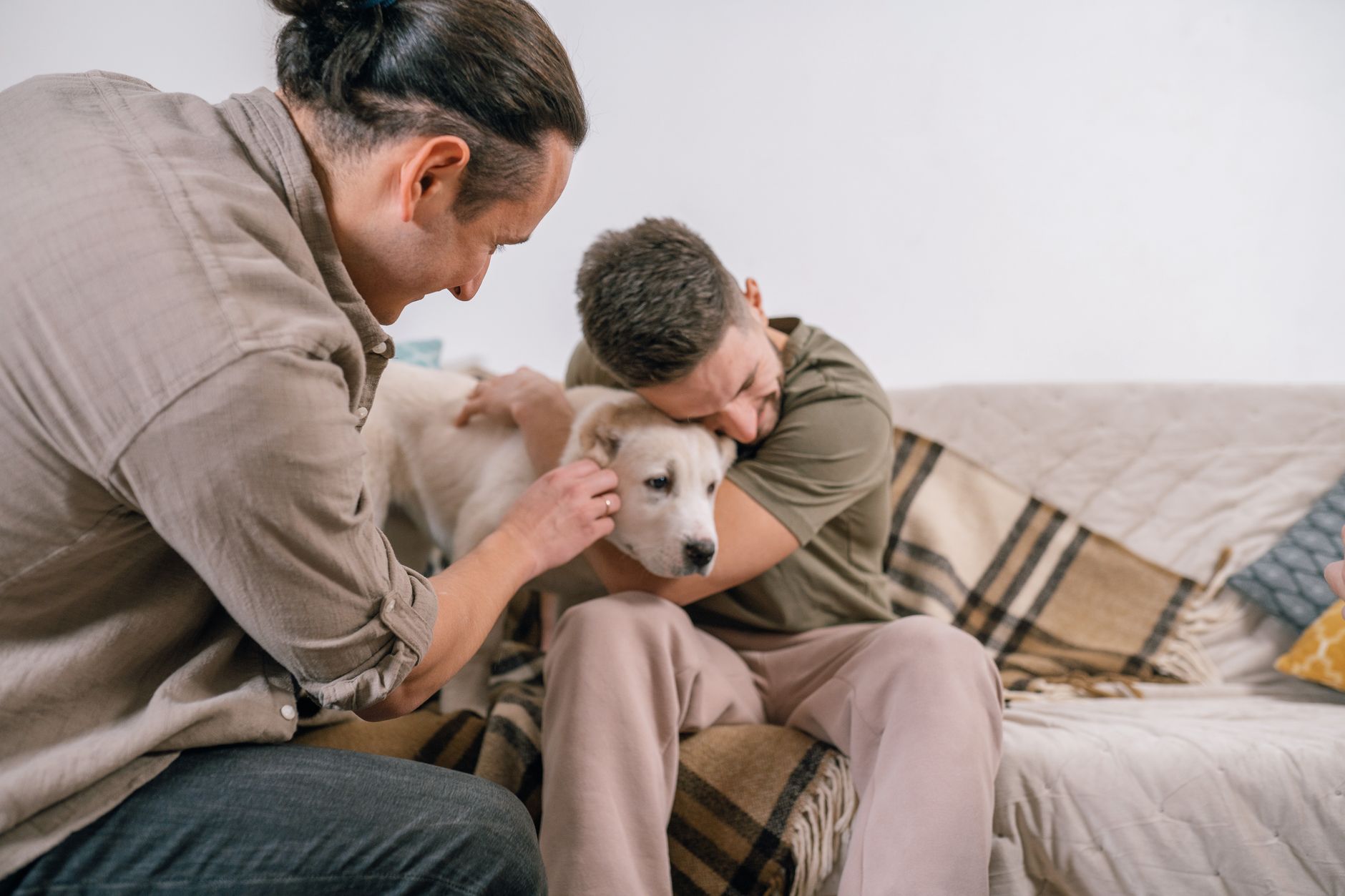
Understanding Canine Communication: More Than Just Wags
For centuries, dogs have been our loyal companions, evolving alongside us and adapting to our human-centric world. However, it’s crucial to remember that dogs communicate differently than we do. We often interpret their actions through a human lens, sometimes misreading or overlooking their true feelings. Understanding canine body language is essential before initiating any physical interaction, including cuddling. A tail wag doesn’t always mean happiness, and leaning against you isn’t always a request for affection.
Decoding Your Dog’s Body Language

Before reaching out for a cuddle, observe your dog closely. Are they:
- Relaxed: Soft eyes, relaxed ears, loose body posture.
- Stressed: Whale eye (whites of the eyes showing), tucked tail, panting when not hot, yawning excessively, lip licking, flattened ears.
- Ambivalent: Stiff body posture, avoiding eye contact, turning their head away.
If your dog displays signs of stress or ambivalence, avoid cuddling and give them space. Forcing physical contact can damage your relationship and even lead to defensive behaviors like growling or snapping.
The Potential Downsides of Forced Affection
Why shouldn’t you cuddle your dog? The answer is multifaceted. Forcing a cuddle can be detrimental in several ways:
- Reinforcing Dominance Issues: In some cases, especially with dogs prone to dominance aggression, forced cuddling can be misinterpreted as a challenge to their authority.
- Triggering Anxiety: Dogs with anxiety disorders or past trauma may find physical restraint overwhelming and triggering.
- Creating Dependency: Excessive cuddling can lead to separation anxiety. Your dog might become overly reliant on your physical presence and experience distress when you’re not around.
- Ignoring Canine Consent: Dogs, like humans, deserve bodily autonomy. Forcing affection disregards their personal space and preferences.
Alternatives to Cuddling: Showing Affection on Their Terms
Instead of forced cuddles, try these alternative ways to show your dog you care:
- Positive Reinforcement Training: Use treats and praise to reward good behavior.
- Interactive Play: Engage in activities your dog enjoys, such as fetch, tug-of-war, or agility games.
- Calm and Consistent Leadership: Provide clear rules and boundaries. This provides security and reduces anxiety.
- Gentle Petting: Offer gentle scratches under the chin or along their chest, observing their reaction to gauge their comfort level.
- Respecting Their Space: Sometimes, the best way to show affection is to simply let your dog relax in their own space.
Building a Strong Bond Through Trust and Understanding
Ultimately, a strong bond with your dog is built on trust, respect, and understanding. By learning to interpret their body language and respecting their boundaries, you can create a fulfilling and harmonious relationship. Avoid forced affection, and focus on providing a safe, loving, and enriching environment for your canine companion.
Case Studies
| Dog Breed | Typical Personality Traits | Possible Reasons to Avoid Cuddling | Alternative Affection Methods |
|---|---|---|---|
| Chihuahua | Often nervous and easily startled | Can be easily overwhelmed by close contact | Gentle talking, slow blinks, offering treats from a distance |
| German Shepherd | Can be protective and prone to resource guarding | May interpret cuddling as a challenge to their territory or resources | Clear and consistent commands, structured playtime |
| Labrador Retriever | Generally friendly and affectionate | Less likely to have issues with cuddling, but still observe body language | Play fetch, go for walks, offer gentle pets |
| Rescue Dog (Unknown Breed) | May have unknown trauma and anxiety | Approach with extreme caution, observe body language closely | Create a safe space, offer treats and toys from a distance, allow them to approach you |
Frequently Asked Questions
Why is it so important to read my dog’s body language?
Understanding your dog’s body language is crucial because it’s their primary way of communicating their emotions, needs, and boundaries. Missing these cues can lead to misunderstandings, unwanted interactions, and even aggression. Learning to interpret their signals ensures you can interact with them in a way that’s comfortable and respectful.
How do I know if my dog is uncomfortable with being cuddled?
Signs of discomfort include whale eye (showing the whites of their eyes), lip licking, yawning when not tired, flattened ears, a tucked tail, stiffness, and attempts to move away. If you observe any of these signs, immediately stop cuddling and give your dog space.
What if my dog initiates cuddling?
If your dog leans against you or approaches you for affection, that’s a good sign they’re comfortable with physical contact. However, continue to observe their body language throughout the interaction to ensure they remain happy and relaxed.
Is it okay to cuddle my puppy?
While puppies often enjoy physical affection, it’s still important to respect their boundaries and observe their body language. Avoid overwhelming them with too much attention, and ensure they have opportunities to rest and explore on their own.
How can I train my dog to be more comfortable with handling?
Start slowly with brief, positive interactions. Pair gentle touch with treats and praise. Gradually increase the duration and intensity of the handling as your dog becomes more comfortable. Never force the interaction, and always respect their boundaries.
Does breed matter when it comes to cuddling?
Yes, breed can influence a dog’s predisposition towards cuddling. Some breeds, like Golden Retrievers and Cavalier King Charles Spaniels, are generally more affectionate and tolerant of physical contact. However, individual personalities vary, so it’s crucial to observe your dog’s specific behavior regardless of breed.
What is “consent” in dog interactions?
Canine consent means respecting your dog’s right to choose whether or not to engage in physical contact. This involves paying attention to their body language and stopping any interaction if they show signs of discomfort or resistance.
My dog seems to enjoy being hugged. Is that okay?
Some dogs genuinely enjoy being hugged, but it’s still important to observe their body language carefully. If they appear relaxed and content, then hugging may be an acceptable form of affection. However, if they show any signs of stress, avoid hugging them.
Can cuddling reinforce bad behaviors?
Yes, in some cases. For example, if your dog barks or jumps for attention and you respond by cuddling them, you’re inadvertently reinforcing that behavior. It’s important to only offer affection when your dog is calm and well-behaved.
Why shouldn’t you cuddle your dog if it’s aggressive?
If your dog exhibits aggressive behaviors, such as growling, snapping, or biting, avoid cuddling them altogether. This type of physical contact can escalate the situation and put you at risk of injury. Consult with a professional dog trainer or behaviorist to address the underlying causes of the aggression.
What are some safe ways to approach a new dog?
When meeting a new dog, approach slowly and calmly. Avoid direct eye contact, which can be perceived as threatening. Offer your hand for them to sniff, and observe their body language closely. If they seem relaxed and curious, you can gently pet them on the side of their neck or chest.
How often should I show my dog affection?
There’s no magic number. Show affection whenever your dog is receptive and comfortable, but always prioritize their needs and boundaries. Short, positive interactions throughout the day are often more beneficial than long, forced cuddles. The key takeaway when considering “Why shouldn’t you cuddle your dog?” is always to watch for signs of discomfort and choose alternative methods of showing your canine companion affection instead.