

Why You Should Put Banana Peels in the Garden
Using banana peels in your garden provides valuable nutrients and improves soil health naturally, making it an excellent and eco-friendly gardening practice that reduces waste and benefits your plants; why put banana peels in the garden? Because your garden will thank you!

The Power of the Peel: An Introduction
For years, gardeners have tossed banana peels into the trash, unaware of the nutrient-rich treasure they were discarding. These discarded peels are actually a goldmine of essential minerals, making them a valuable resource for promoting healthy plant growth and improving soil quality. Instead of contributing to landfill waste, you can harness the power of banana peels to create a thriving and sustainable garden ecosystem. So, why put banana peels in the garden? Simply put, it’s a smart, sustainable, and cost-effective way to nourish your plants.
Benefits of Using Banana Peels in the Garden
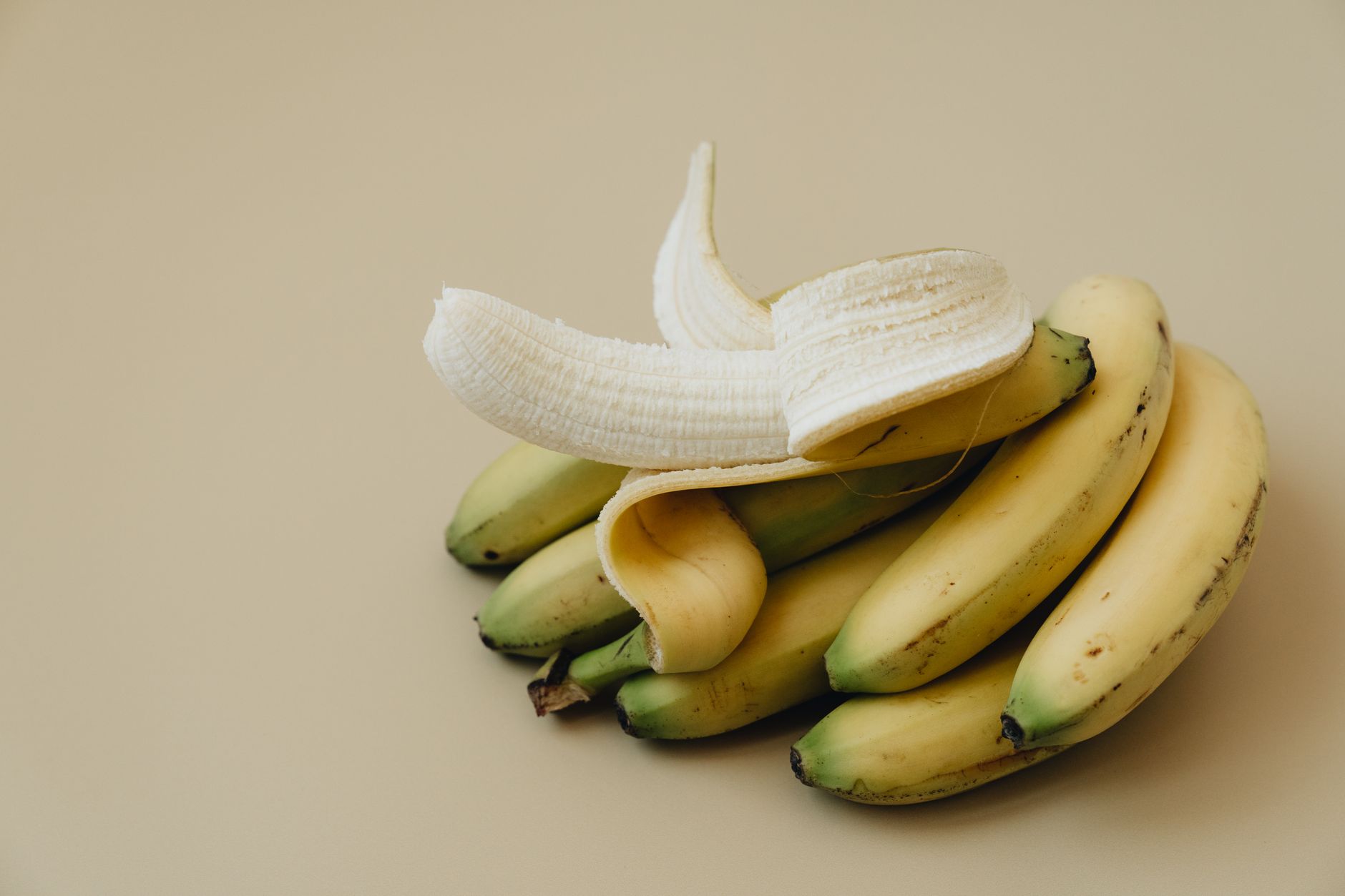
The benefits of incorporating banana peels into your gardening routine are numerous and varied. They range from providing essential nutrients to deterring certain pests. Here’s a breakdown of the key advantages:
- Rich Source of Nutrients: Banana peels are packed with potassium, phosphorus, magnesium, and calcium – all vital elements for plant growth and health. Potassium, in particular, is crucial for strong stems, vibrant blooms, and robust fruit production.
- Soil Amendment: As banana peels decompose, they release these nutrients into the soil, enriching it and making it more fertile. They also help improve soil structure and drainage.
- Pest Deterrent: Some gardeners believe that burying banana peels around plants can deter certain pests, such as aphids and slugs. While not a guaranteed solution, it can be a helpful component of an integrated pest management strategy.
- Composting Booster: Banana peels are a great addition to your compost pile. They add moisture and valuable nutrients, accelerating the decomposition process and creating nutrient-rich compost for your garden.
- Natural Fertilizer: Banana peels can be used to create a simple and effective liquid fertilizer. Soaking them in water extracts the nutrients, creating a solution that can be used to nourish plants.
Methods of Incorporating Banana Peels into Your Garden
There are several ways to utilize banana peels in your garden, each with its own advantages. Here are some of the most popular methods:
- Burying: This is perhaps the simplest method. Simply bury the banana peel a few inches deep near the base of your plants. As it decomposes, it will release nutrients directly into the soil.
- Composting: Add banana peels to your compost pile along with other organic matter. They will break down and enrich the compost.
- Banana Peel Tea: Soak banana peels in water for a few days to create a nutrient-rich tea that can be used to water plants.
- Direct Application: Chop up banana peels into small pieces and spread them around the base of your plants. This allows for quicker decomposition.
- Worm Composting: Add banana peels to your worm composting bin. Worms love them, and they contribute to nutrient-rich castings.
Potential Drawbacks and Precautions
While banana peels are generally beneficial, there are a few potential drawbacks to consider:
- Attracting Animals: Fresh banana peels can attract animals like rodents and raccoons. Burying them deeply or composting them properly can help mitigate this risk.
- Over-Fertilization: While rare, excessive use of banana peels can potentially lead to an imbalance of nutrients in the soil. It’s important to use them in moderation.
- Disease Transmission: If the banana peels are contaminated with any plant diseases, they could potentially spread to your garden. Using organic bananas can minimize this risk.
- Pests: While they can deter some pests, banana peels may attract fruit flies. Quick burial of the peel will minimize this.
Composting vs. Direct Application: A Comparison
Which method is best for you? This table breaks down the pros and cons of composting versus direct application of banana peels:
| Feature | Composting | Direct Application |
|---|---|---|
| Nutrient Release | Gradual and balanced nutrient release. | Faster, more immediate nutrient release. |
| Animal Attraction | Lower risk, especially in well-maintained compost bins. | Higher risk if not buried properly. |
| Ease of Use | Requires a compost system and regular maintenance. | Simple and straightforward. |
| Soil Amendment | Improves overall soil structure and fertility over time. | Provides localized nutrient boost. |
| Best For | Overall soil health and long-term nutrient enrichment. | Quick nutrient boost for specific plants. |
Getting Started: A Step-by-Step Guide
- Collect Banana Peels: Save your banana peels after eating the fruit.
- Prepare the Peels: You can use the peels whole, chop them into smaller pieces, or dry them.
- Choose Your Method: Select the method that best suits your needs and gardening style (burying, composting, etc.).
- Apply to Your Garden: Follow the specific instructions for your chosen method.
- Monitor and Adjust: Observe your plants and adjust your application as needed.
Common Mistakes to Avoid
- Leaving Peels on the Surface: This attracts pests and slows decomposition. Always bury or compost them.
- Overdoing It: Too many banana peels can disrupt the nutrient balance in your soil. Use them in moderation.
- Ignoring Potential Problems: Be aware of the potential for animal attraction and adjust your methods accordingly.
- Using Treated Peels: If your bananas are not organic, the peels may contain pesticides. Choose organic bananas whenever possible.
Frequently Asked Questions (FAQs)
Will banana peels really help my plants?
Yes, banana peels contain essential nutrients like potassium, phosphorus, and calcium that are vital for plant growth and development. When the peels decompose, these nutrients are released into the soil, enriching it and providing a natural boost for your plants.

Can I use banana peels for all types of plants?
While banana peels are generally beneficial for most plants, some plants, particularly those that prefer acidic soil, may not benefit as much. Plants like tomatoes, roses, and peppers tend to thrive with the nutrients found in banana peels.
How often should I add banana peels to my garden?
The frequency depends on your plants’ needs and the size of your garden. A good starting point is to add one or two banana peels per plant every few weeks. Monitor your plants and adjust the frequency as needed. Remember moderation is key.
Do I need to dry the banana peels before using them?
Drying the peels is not necessary, but it can help to prevent them from attracting pests and speeds up the decomposition process when buried or composted. You can dry them in the sun or in a low-temperature oven.
Can banana peels attract pests to my garden?
Yes, fresh banana peels can attract some pests, such as fruit flies, rodents, and raccoons. Burying the peels deeply or composting them properly can help to minimize this risk. Always be sure to bury them at least a few inches deep.
Is it better to bury banana peels whole or chopped?
Chopping the banana peels into smaller pieces speeds up the decomposition process, allowing the nutrients to be released into the soil more quickly. However, whole peels can also be used effectively.
Can I make banana peel tea with any type of banana peel?
It is best to use organic banana peels to make banana peel tea to avoid introducing any pesticides or chemicals into your garden. If you are unsure whether your banana peels are organic, you can wash them thoroughly before using them.
Will banana peels change the pH level of my soil?
Banana peels can slightly increase the pH level of your soil as they decompose, making it more alkaline. This can be beneficial for plants that prefer a slightly alkaline soil. It is always a good idea to test your soil pH periodically to ensure it is within the optimal range for your plants.
Can I use banana peels in container gardening?
Absolutely! Banana peels are a great addition to container gardens. You can bury them in the potting mix or use banana peel tea to water your plants. They provide essential nutrients that can help your container plants thrive.
Are banana peels good for worm composting?
Yes, worms love banana peels! They are a great addition to your worm composting bin and provide essential nutrients for the worms. Banana peels also help to add moisture to the bin.
What other fruits or vegetable scraps can I use in my garden?
Many other fruit and vegetable scraps can be used in your garden, including coffee grounds, eggshells, and vegetable trimmings. These scraps can provide valuable nutrients and improve soil health.
Is it safe to use banana peels on my plants if I don’t know if they’re organic?
While it’s preferable to use organic banana peels, washing non-organic peels thoroughly can help reduce pesticide residue. You can soak the peels in water with a small amount of vinegar or baking soda before using them in your garden. Consider composting these peels separately to minimize any potential risk.