

Why You Should Reconsider Getting a Guinea Pig: The Unvarnished Truth
Think a guinea pig is a low-maintenance, cuddly companion? Think again. We explore why not to get a guinea pig? due to their surprisingly complex needs, high commitment, and potential for health problems, which often outweigh the perceived benefits for many prospective owners.
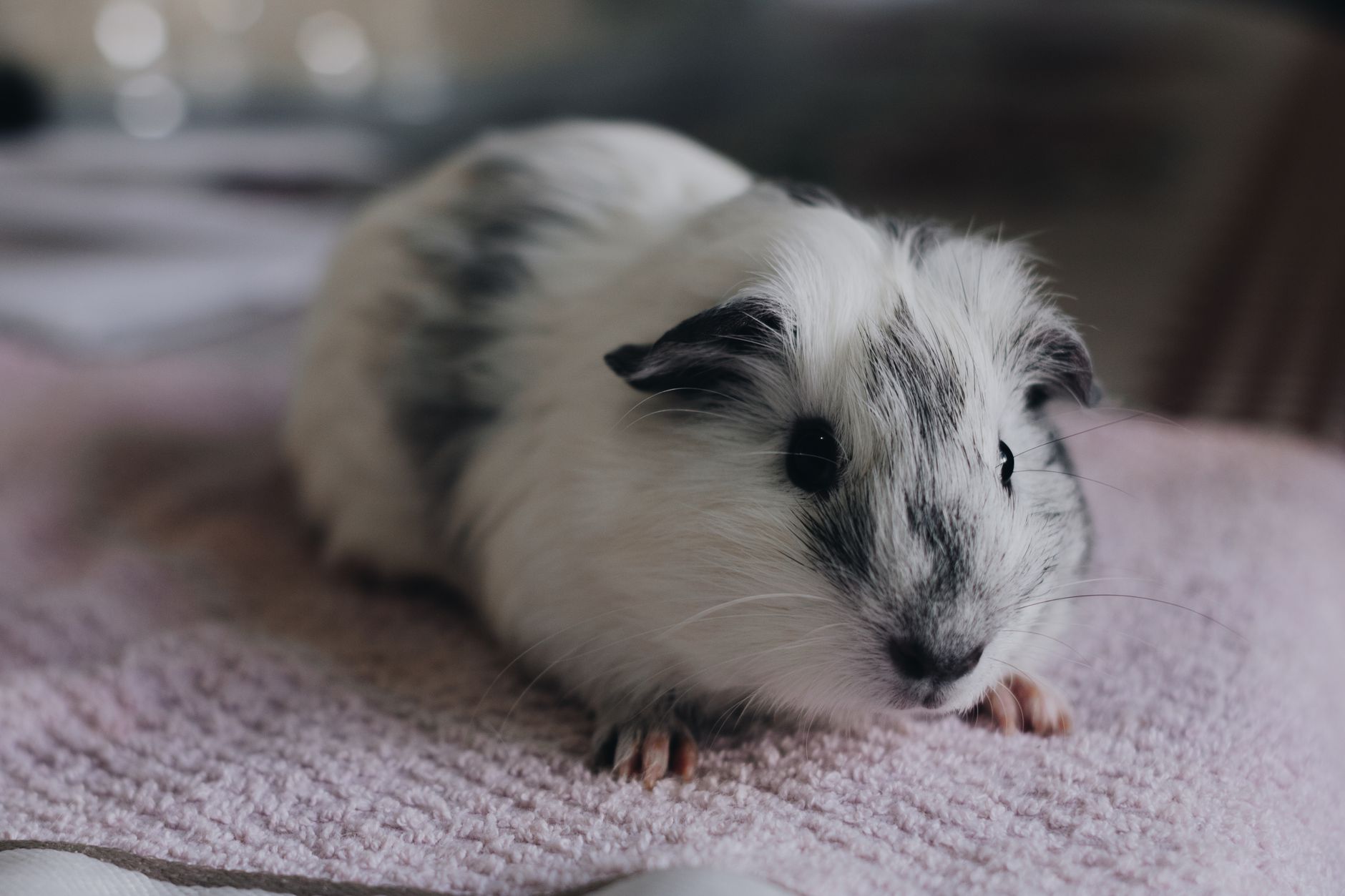
The Guinea Pig Myth: Debunking the “Easy Pet” Notion
Guinea pigs are often marketed as ideal starter pets, especially for children. The reality, however, is far more demanding than the average person realizes. Their needs are nuanced, and neglecting them can lead to serious health consequences and unhappy animals. Understanding the truth about cavy care is crucial before bringing one home.
Space Requirements: More Than Just a Cage

Many people underestimate the amount of space guinea pigs require. They are active animals that need ample room to explore, exercise, and express their natural behaviors.
- A minimum of 7.5 square feet is recommended for two guinea pigs. This is significantly larger than most commercially available cages.
- Larger is always better. Giving them more space reduces stress, promotes social interaction, and prevents health problems associated with confinement.
- Consider a custom-built cage or a modified playpen to provide adequate space.
Dietary Demands: A Recipe for Unexpected Expenses
Guinea pigs have specific dietary needs that require careful planning and can become surprisingly expensive.
- Vitamin C: They cannot produce their own Vitamin C and require a daily supplement, usually through Vitamin C-rich vegetables or a supplement.
- Hay: High-quality Timothy hay is essential for their digestive health and should make up the majority of their diet.
- Pellets: Guinea pig-specific pellets should be offered in limited quantities to avoid obesity.
- Fresh Vegetables: A variety of fresh vegetables, such as leafy greens, bell peppers, and carrots, should be offered daily.
The constant need for fresh produce and hay can quickly add up, especially during the winter months. Why not to get a guinea pig? because of the unexpected and ongoing costs associated with their care is a valid consideration.
Social Needs: The Importance of Companionship
Guinea pigs are social animals and thrive in pairs or small groups. Keeping a single guinea pig can lead to loneliness and depression.
- Adopting at least two guinea pigs is highly recommended.
- Same-sex pairs are often the easiest to manage, although neutering can allow for mixed-sex pairings.
- Proper introductions are crucial to prevent fighting and establish a healthy social hierarchy.
Veterinary Care: A Financial and Emotional Investment
Guinea pigs are prone to a variety of health problems, including respiratory infections, skin mites, dental issues, and bladder stones.
- Finding a veterinarian experienced with guinea pigs can be challenging and expensive.
- Regular checkups are essential for early detection and treatment of health problems.
- Emergency veterinary care can be costly and stressful.
| Health Problem | Common Symptoms | Potential Costs |
|---|---|---|
| :———————– | :————————————- | :——————– |
| Respiratory Infection | Sneezing, coughing, nasal discharge | $50 – $200+ |
| Skin Mites | Itching, hair loss, scabs | $30 – $100+ |
| Dental Issues | Drooling, weight loss, difficulty eating | $100 – $500+ |
| Bladder Stones | Straining to urinate, blood in urine | $200 – $1000+ |
Cleaning and Maintenance: A Daily Chore
Guinea pigs are messy animals that require daily spot cleaning and regular cage cleaning.
- Spot cleaning should be done daily to remove soiled bedding and droppings.
- A full cage clean should be done at least once a week, or more frequently if necessary.
- This involves removing all bedding, cleaning the cage with a pet-safe disinfectant, and replacing the bedding with fresh material.
Lifespan and Commitment: A Long-Term Relationship
Guinea pigs typically live for 5-7 years, which is a significant commitment.
- Consider your lifestyle and future plans before committing to a guinea pig.
- Are you prepared to provide daily care for the next 5-7 years?
- What will happen to your guinea pigs if you move or go on vacation?
Handling and Interaction: Not Always Cuddly
While some guinea pigs enjoy being handled, others are more skittish and prefer to be left alone.
- Respect your guinea pig’s personality and avoid forcing them to interact if they are uncomfortable.
- Gentle handling and positive reinforcement can help build trust over time.
- Children should be supervised when handling guinea pigs to prevent accidental injury.
Noise and Odor: Factors to Consider
Guinea pigs can be surprisingly noisy animals, especially when they are hungry or seeking attention.
- They communicate through a variety of vocalizations, including squeaks, whistles, and rumbles.
- Their cages can also develop an odor if not cleaned regularly.
- Consider these factors when choosing a location for your guinea pig’s cage.
Allergic Reactions: A Potential Health Risk
Some people are allergic to guinea pigs, their hay, or their bedding.
- Symptoms of an allergic reaction can include sneezing, coughing, runny nose, itchy eyes, and skin rashes.
- If you suspect you are allergic to guinea pigs, consult with an allergist before bringing one home.
Responsible Pet Ownership: A Moral Obligation
Ultimately, deciding why not to get a guinea pig should be based on your ability to provide for their specific needs and ensure their well-being. Responsible pet ownership is a moral obligation, and neglecting a guinea pig’s needs can have serious consequences. Before getting a guinea pig, carefully consider all of the factors discussed above and ensure that you are prepared to provide a loving and enriching home for these fascinating creatures.
Boredom and Enrichment: Keeping Them Happy
Guinea pigs are intelligent creatures that require mental stimulation to prevent boredom.
- Provide them with a variety of toys, such as tunnels, chew toys, and foraging toys.
- Rotate their toys regularly to keep them interested.
- Spend time interacting with them each day, offering attention and enrichment.
Frequently Asked Questions
Why do guinea pigs need Vitamin C supplements?
Guinea pigs, like humans, lack the enzyme L-glucono-gamma lactone oxidase, which is essential for synthesizing Vitamin C. This means they cannot produce Vitamin C on their own and must obtain it from external sources, such as fresh vegetables, fruits, or supplements. Insufficient Vitamin C can lead to scurvy, a serious health condition in guinea pigs.
What kind of hay is best for guinea pigs?
Timothy hay is widely considered the best option for adult guinea pigs due to its high fiber content and low calcium levels. Other grass hays, such as orchard grass and brome hay, are also good choices. Avoid alfalfa hay, which is too high in calcium and protein for adult guinea pigs but may be suitable for young, growing guinea pigs or pregnant/nursing females.
How often should I clean my guinea pig’s cage?
Spot cleaning, which involves removing soiled bedding and droppings, should be done daily. A full cage clean, where all bedding is removed and the cage is disinfected, should be done at least once a week. The frequency of cleaning depends on the size of the cage, the number of guinea pigs, and the type of bedding used.
Are guinea pigs good pets for children?
While guinea pigs can be enjoyable pets for children, they require responsible adult supervision and care. Children often lack the knowledge and maturity to provide the consistent care that guinea pigs need. Adults should be primarily responsible for feeding, cleaning, and providing veterinary care.
Can guinea pigs live alone?
Guinea pigs are social animals and thrive in pairs or small groups. Keeping a single guinea pig can lead to loneliness, depression, and behavioral problems. Adopting at least two guinea pigs is highly recommended.
What are some common signs of illness in guinea pigs?
Common signs of illness in guinea pigs include loss of appetite, lethargy, difficulty breathing, sneezing, coughing, nasal discharge, diarrhea, and weight loss. If you notice any of these symptoms, consult a veterinarian experienced with guinea pigs immediately.
How much does it cost to own a guinea pig?
The cost of owning a guinea pig can vary depending on several factors, including the cost of the guinea pig itself, the cost of housing, food, bedding, and veterinary care. Expect to spend at least $50-$100 per month on basic care, excluding unexpected veterinary bills.
Do guinea pigs bite?
Guinea pigs are generally docile animals and rarely bite unless they feel threatened or are in pain. If a guinea pig bites, it is important to identify the underlying cause and address it appropriately.
What is the best type of bedding for guinea pigs?
Good bedding options include fleece liners, paper-based bedding, and kiln-dried pine shavings. Avoid cedar shavings, which contain oils that can be harmful to guinea pigs. Fleece liners are popular for their reusability and comfort but require frequent washing.
How can I bond with my guinea pig?
Bonding with your guinea pig requires patience, gentle handling, and positive reinforcement. Offer them treats, talk to them in a soothing voice, and gradually introduce them to handling. Respect their boundaries and avoid forcing them to interact if they are uncomfortable.
What kind of toys do guinea pigs enjoy?
Guinea pigs enjoy a variety of toys, including tunnels, chew toys, foraging toys, and cardboard boxes. Rotate their toys regularly to keep them interested.
What temperature is ideal for guinea pigs?
Guinea pigs are sensitive to extreme temperatures and thrive in a temperature range of 65-75°F (18-24°C). Avoid exposing them to drafts or direct sunlight. Why not to get a guinea pig? could be answered with your inability to provide a consistent, suitable temperature for your cavies.