
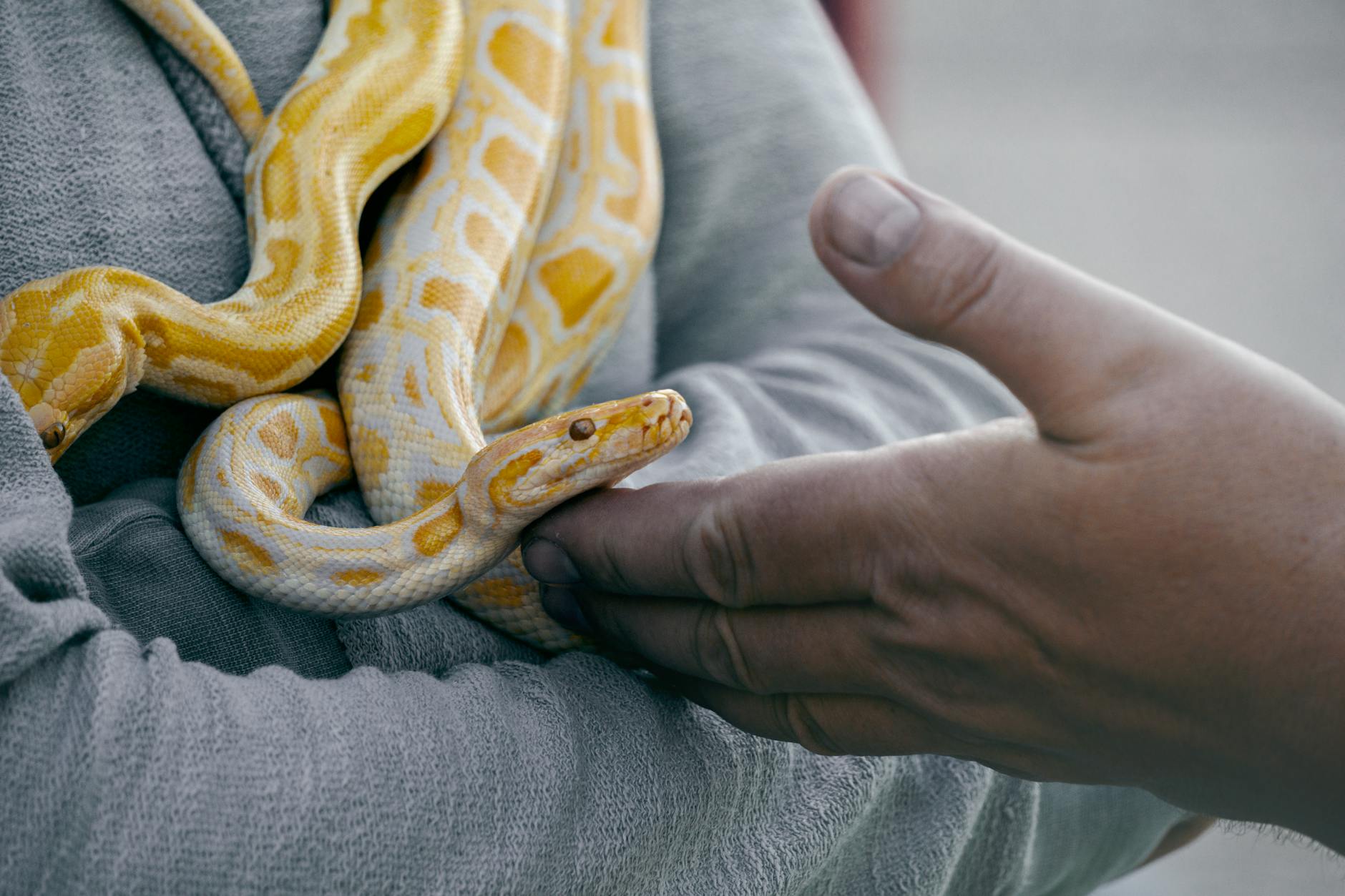
Why Is My Snake Not Moving a Lot? Understanding Reptilian Rest
Why is my snake not moving a lot? This common concern often stems from normal snake behavior related to thermoregulation, digestion, shedding, or brumation. However, decreased activity can also signal an underlying health issue requiring prompt attention.

Introduction: Decoding Snake Movement
Snakes, enigmatic and often misunderstood creatures, exhibit a wide range of behaviors that can puzzle their keepers. One of the most frequent concerns among snake owners is noticing their pet snake not moving a lot. It’s crucial to understand that a snake’s activity level isn’t constant and is influenced by numerous factors. While periods of inactivity are perfectly normal, recognizing when reduced movement indicates a problem is essential for responsible snake ownership. This article delves into the common reasons behind reduced snake activity, distinguishing between normal behaviors and potential red flags.
Understanding Normal Snake Behavior

A snake’s behavior is heavily influenced by its environment and natural instincts. Before assuming there’s a problem, consider these normal reasons for a decrease in activity.
- Thermoregulation: Snakes are ectothermic, meaning they rely on external heat sources to regulate their body temperature. They move to warmer or cooler areas to maintain an optimal temperature. If the enclosure’s temperature is ideal, your snake may simply be resting comfortably, digesting, or conserving energy.
- Digestion: After a meal, snakes enter a period of reduced activity while they digest their food. This process can take several days, depending on the size of the meal and the snake’s species. Minimize handling during this time to avoid regurgitation.
- Shedding: Snakes shed their skin periodically, and this process can significantly impact their activity level. During the shedding process, snakes often become more lethargic, hiding in their enclosure and refusing food.
- Brumation: Similar to hibernation in mammals, brumation is a period of dormancy that some snake species enter during the cooler months. During brumation, snakes significantly reduce their activity and metabolic rate. Not all snakes brumate, but if your species does, this could be the reason for decreased movement.
When to Worry: Signs of a Problem
While inactivity is often normal, certain signs can indicate an underlying health problem. It’s important to be observant and recognize these red flags:
- Refusal to Eat: A healthy snake typically has a good appetite. A sudden and prolonged refusal to eat, combined with decreased movement, warrants investigation.
- Abnormal Shedding: Difficulty shedding, incomplete shedding, or frequent shedding can indicate a problem with humidity, nutrition, or underlying health issues.
- Respiratory Issues: Wheezing, clicking sounds, or discharge from the nostrils are signs of a respiratory infection and require immediate veterinary attention.
- Physical Abnormalities: Lumps, bumps, skin lesions, or any other unusual physical changes should be examined by a veterinarian.
- Lethargy and Weakness: If your snake appears unusually weak or lethargic, even when temperatures are appropriate, it could be a sign of illness.
- Regurgitation: Repeated regurgitation is a serious sign and can indicate a digestive problem, stress, or underlying disease.
Addressing Potential Issues
If you suspect your snake’s inactivity is due to a health problem, the following steps can help:
- Check Environmental Conditions: Verify that the temperature and humidity levels in the enclosure are appropriate for your snake’s species. Use accurate thermometers and hygrometers.
- Observe Closely: Monitor your snake’s behavior, eating habits, and physical condition for any changes or abnormalities.
- Consult a Veterinarian: If you’re concerned about your snake’s health, consult a veterinarian specializing in reptiles. Early diagnosis and treatment can significantly improve the outcome.
- Provide Proper Husbandry: Ensure your snake’s enclosure is clean, appropriately sized, and provides adequate hiding spots and enrichment.
Preventing Problems: Promoting Snake Health
Preventing health problems is always better than treating them. Follow these guidelines to promote your snake’s health and well-being:
- Proper Enclosure Setup: Provide an enclosure that meets the specific needs of your snake species, including appropriate temperature gradients, humidity levels, and hiding spots.
- Balanced Diet: Feed your snake appropriately sized prey items at the recommended intervals. Supplement with vitamins and minerals if necessary.
- Cleanliness: Maintain a clean and sanitary enclosure by regularly removing waste and disinfecting surfaces.
- Regular Veterinary Checkups: Schedule regular checkups with a reptile veterinarian to monitor your snake’s health and address any potential problems early.
- Stress Reduction: Minimize stress by providing a quiet and secure environment for your snake. Avoid excessive handling and disturbances.

Frequently Asked Questions (FAQs)
My snake hasn’t moved in days. Is this normal?
It depends on various factors, including the snake’s species, recent feeding, shedding cycle, and ambient temperature. If the temperature is appropriate, the snake has recently eaten, or is in shed, days of inactivity can be normal. However, if combined with other unusual behaviors, it’s worth investigating further.
Could low temperatures be causing my snake to be inactive?
Yes, absolutely. Snakes are ectothermic and rely on external heat sources. If the enclosure is too cold, your snake’s metabolism will slow down, leading to decreased activity. Ensure appropriate temperatures are maintained.
My snake just ate. How long will it be inactive?
The duration of inactivity after feeding depends on the size of the meal and the snake’s metabolic rate. Generally, allow several days to a week for digestion, and avoid handling the snake during this time to prevent regurgitation.
Is my snake’s inactivity a sign of impaction?
Impaction, a blockage in the digestive tract, can cause decreased activity along with other symptoms like straining to defecate and loss of appetite. If you suspect impaction, consult a veterinarian.
What is brumation, and does it affect all snakes?
Brumation is a period of dormancy that some snake species enter during the cooler months. Not all snakes brumate, but those that do will experience a significant reduction in activity and metabolic rate.
How can I tell if my snake is preparing to shed?
Signs of shedding include cloudy eyes, dull skin, and increased hiding behavior. The snake may also become more lethargic and refuse food.
My snake is moving less but still eating. Should I be concerned?
While eating is a good sign, reduced movement with a normal appetite could still indicate a problem. Rule out incorrect temperatures first. Monitor for other symptoms, such as difficulty shedding or unusual behavior, and consult a vet if concerned.
What are the ideal temperature ranges for most pet snakes?
Ideal temperature ranges vary depending on the species, but generally, a basking spot of around 88-95°F (31-35°C) and a cooler side of around 75-80°F (24-27°C) is suitable for many common pet snakes.
Can stress cause my snake to be less active?
Yes, stress can significantly impact a snake’s behavior. Excessive handling, loud noises, and an insecure environment can all contribute to stress and decreased activity.
My snake only moves at night. Is this normal?
Many snake species are nocturnal or crepuscular, meaning they are most active during the night or twilight hours. If your snake is primarily active at night, it may be perfectly normal.
How often should I handle my snake?
Handling frequency depends on the snake’s temperament and individual needs. Some snakes tolerate handling well, while others prefer minimal interaction. Always handle your snake gently and avoid stressing it.
Why is my snake not moving a lot after I changed its enclosure?
Moving to a new enclosure is inherently stressful for a snake. It takes time for them to acclimate to new surroundings. They may be less active initially while exploring and settling in. Give them space and observe closely for any signs of further distress.