

Why is my Oscar Fish Scared?
Oscars, despite their size and seeming confidence, are surprisingly sensitive fish. The most common reasons why your Oscar fish is scared are poor water quality, incompatible tank mates, inadequate tank size, loud noises, sudden movements, or a recent change in their environment.

Understanding Oscar Fish Behavior
Oscars ( Astronotus ocellatus ), native to South America, are intelligent and charismatic fish. They are known for their interactive personalities and can even recognize their owners. However, their intelligence also makes them highly sensitive to their environment. Understanding their natural behavior is crucial for identifying and addressing the causes of fear. Oscars are naturally inquisitive but also territorial, which can manifest as skittishness or aggression depending on the situation.
Common Causes of Fear in Oscars
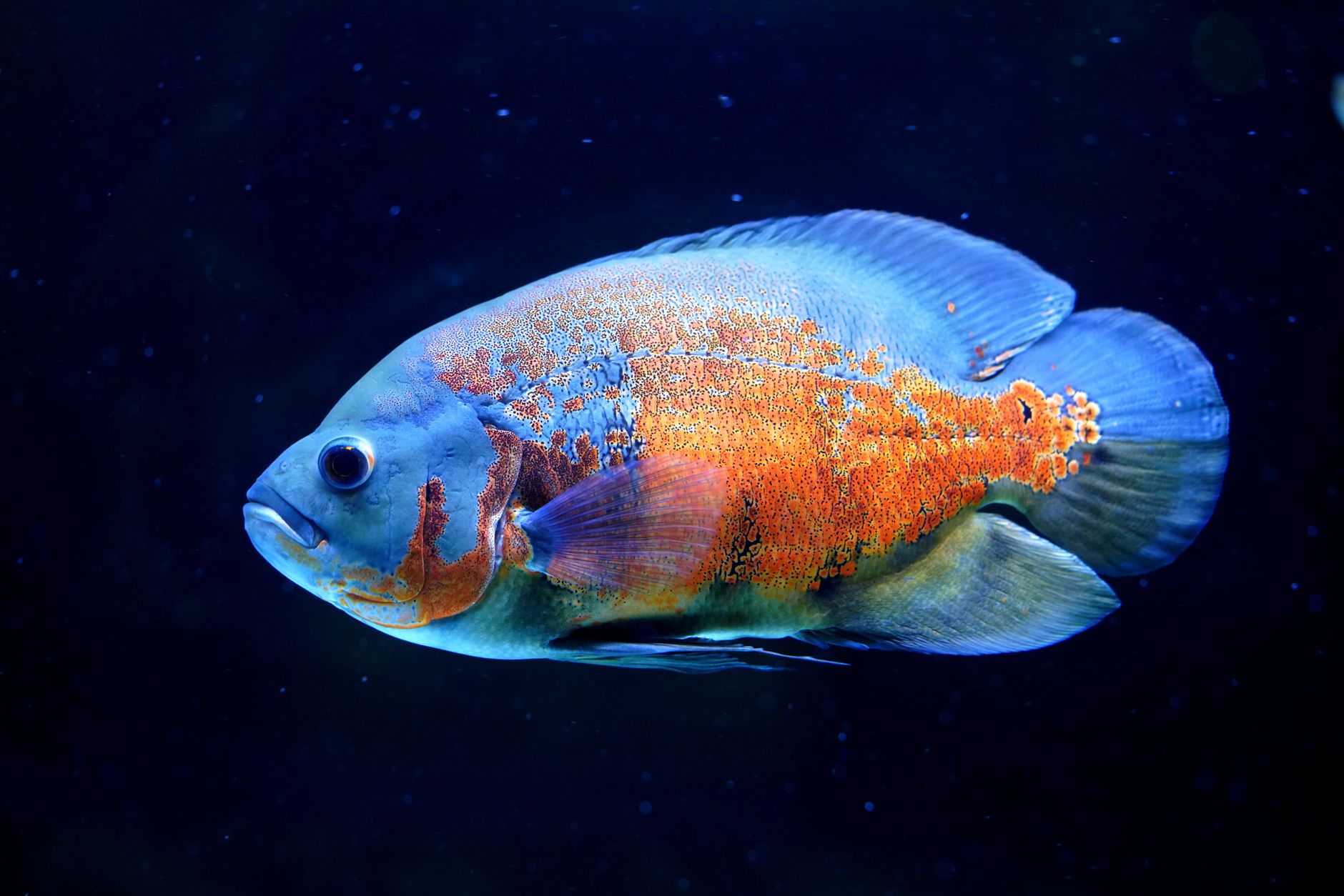
Why is my Oscar fish scared? The answer often lies in addressing the fundamental needs of the fish. Here are several common reasons for fear:
- Poor Water Quality: High levels of ammonia, nitrite, or nitrate are toxic to Oscars. This causes stress, which can manifest as fear. Dirty water can also harbor harmful bacteria, further compromising the fish’s health and behavior.
- Inadequate Tank Size: Oscars grow quickly and require a large tank. A single Oscar needs at least 75 gallons, and a pair requires even more. Cramped conditions lead to stress and increased aggression.
- Incompatible Tank Mates: Oscars are semi-aggressive and can be bullied by or bully other fish. Avoid keeping them with small, docile fish that may become prey.
- Loud Noises and Sudden Movements: Oscars are easily startled by loud noises, vibrations, or sudden movements near the tank. Their heightened senses make them susceptible to these external stimuli.
- Recent Changes in Environment: Moving the tank, adding new decorations, or even a major water change can disrupt an Oscar’s sense of security.
- Illness: Underlying health issues can make an Oscar more lethargic, fearful, and less responsive to stimuli. Always rule out sickness as a potential cause.
Addressing Environmental Factors
Creating a safe and comfortable environment is the best way to alleviate fear in Oscars. Here are some steps you can take:
- Water Quality Maintenance:
- Perform regular water changes (25-50% weekly) to maintain optimal water parameters.
- Test the water regularly for ammonia, nitrite, and nitrate.
- Invest in a high-quality filtration system.
- Tank Size: Ensure the tank is large enough for the Oscar to swim comfortably and establish a territory.
- Tank Mates: Carefully select tank mates that are compatible in terms of size and temperament. Consider other large, semi-aggressive fish.
- Minimize Disturbances: Keep the tank away from high-traffic areas and sources of loud noises. Avoid sudden movements near the tank.
- Acclimation: When introducing new fish or decorations, do so gradually to minimize stress. Float new fish in a bag to equalize temperature and then slowly introduce tank water.
- Provide Hiding Places: Include caves, plants (real or artificial), and other decorations that the Oscar can use for shelter.
Recognizing and Treating Illness
If environmental factors are ruled out, consider the possibility of illness. Common diseases affecting Oscars include:
| Disease | Symptoms | Treatment |
|---|---|---|
| Ich (White Spot) | Small white spots on body and fins | Increase water temperature, medication |
| Hexamita (Hole-in-the-Head) | Pits or lesions on head and face | Medication, improve water quality |
| Fin Rot | Ragged or decaying fins | Medication, improve water quality |
Observe the Oscar for any signs of illness, such as lethargy, loss of appetite, clamped fins, or unusual swimming behavior. If you suspect illness, consult a veterinarian or experienced aquarist for diagnosis and treatment.
Why is my Oscar fish scared? It could be due to disease, so carefully observe your fish!
The Importance of Patience and Observation
It’s vital to remember that Oscars, like all fish, have individual personalities. Some may be naturally more skittish than others. Patience and careful observation are key to understanding your Oscar’s behavior and addressing the underlying causes of fear.

Frequently Asked Questions
Why does my Oscar fish hide all the time?
Hiding is often a sign of stress or fear. If your Oscar is constantly hiding, it indicates something is amiss with its environment. Consider water quality, tank mates, and the availability of hiding places. Introducing more cover and ensuring optimal water parameters are the first steps in helping a constantly hiding oscar.
Is it normal for an Oscar fish to be shy at first?
Yes, it’s perfectly normal for a new Oscar to be shy or timid, especially immediately after being introduced to a new tank. Allow the fish time to acclimate to its new surroundings. Provide a dark, secure hiding place and avoid excessive disturbances during the first few days.
How do I know if my Oscar fish is stressed?
Signs of stress in Oscars include: hiding, loss of appetite, clamped fins, rapid breathing, flashing (rubbing against objects), and changes in color. If you observe these symptoms, immediately assess water quality and environmental factors.
Can an Oscar fish be scared of me?
Yes, Oscars can initially be scared of their owners, especially if they haven’t had much interaction with humans. Approach the tank slowly and avoid sudden movements. Over time, they often learn to recognize their owners and may even become interactive.
What water parameters are ideal for Oscars?
Ideal water parameters for Oscars include: temperature of 78-82°F (25-28°C), pH of 6.0-7.5, ammonia and nitrite levels of 0 ppm, and nitrate levels below 20 ppm. Regularly testing the water is crucial for maintaining these parameters.
How often should I feed my Oscar fish?
Feed your Oscar 1-2 times per day, providing only as much food as they can consume in a few minutes. Overfeeding can lead to water quality problems and obesity in the fish.
What should I feed my Oscar fish?
Oscars are omnivores and thrive on a varied diet. Offer high-quality cichlid pellets as the staple food, supplemented with occasional treats such as live or frozen foods (e.g., bloodworms, mealworms).
How do I introduce a new Oscar to an established tank?
Quarantine the new Oscar for several weeks to ensure it is healthy. Then, slowly introduce it to the main tank. Turn off the lights and monitor the interactions closely. Be prepared to separate the fish if aggression occurs.
Can loud music or TV scare my Oscar fish?
Yes, loud noises and vibrations can stress or frighten Oscars. Minimize exposure to loud music, TV, or other sources of noise near the tank.
Is it possible for an Oscar fish to get bored?
Oscars are intelligent fish that can become bored in a monotonous environment. Provide enrichment in the form of decorations, plants, and interactive activities, such as hand-feeding or rearranging the tank layout occasionally.
Why is my Oscar fish suddenly swimming erratically?
Erratic swimming can be a sign of several issues, including poor water quality, swim bladder disease, or neurological problems. Test the water, observe the fish for other symptoms, and consult a veterinarian if necessary.
Why is my Oscar fish lying at the bottom of the tank?
Lying at the bottom of the tank is a sign that something is seriously wrong. It could indicate stress, illness, or injury. Immediately assess the water quality and observe the fish for other symptoms. Consider consulting a veterinarian or experienced aquarist for guidance. Addressing this quickly is vital.