

Why is My Kitten So Aggressive During Play? Understanding Kitten Roughhousing
Your playful kitten’s sharp claws and teeth might feel more like an attack than a game. The reason Why is my kitten so aggressive when he plays? often boils down to a lack of proper socialization, pent-up energy, and undeveloped bite inhibition, all of which can be addressed with training and enriched play.

Understanding Play Aggression in Kittens
Kittens, like all young animals, learn essential survival skills through play. This play, however, can sometimes appear aggressive to us humans. It’s crucial to differentiate between genuine aggression (fueled by fear or territoriality) and play aggression, which is usually a misdirected instinct. Why is my kitten so aggressive when he plays? Understanding the underlying reasons is the first step to modifying this behavior.
The Roots of Play Aggression: A Kitten’s Perspective
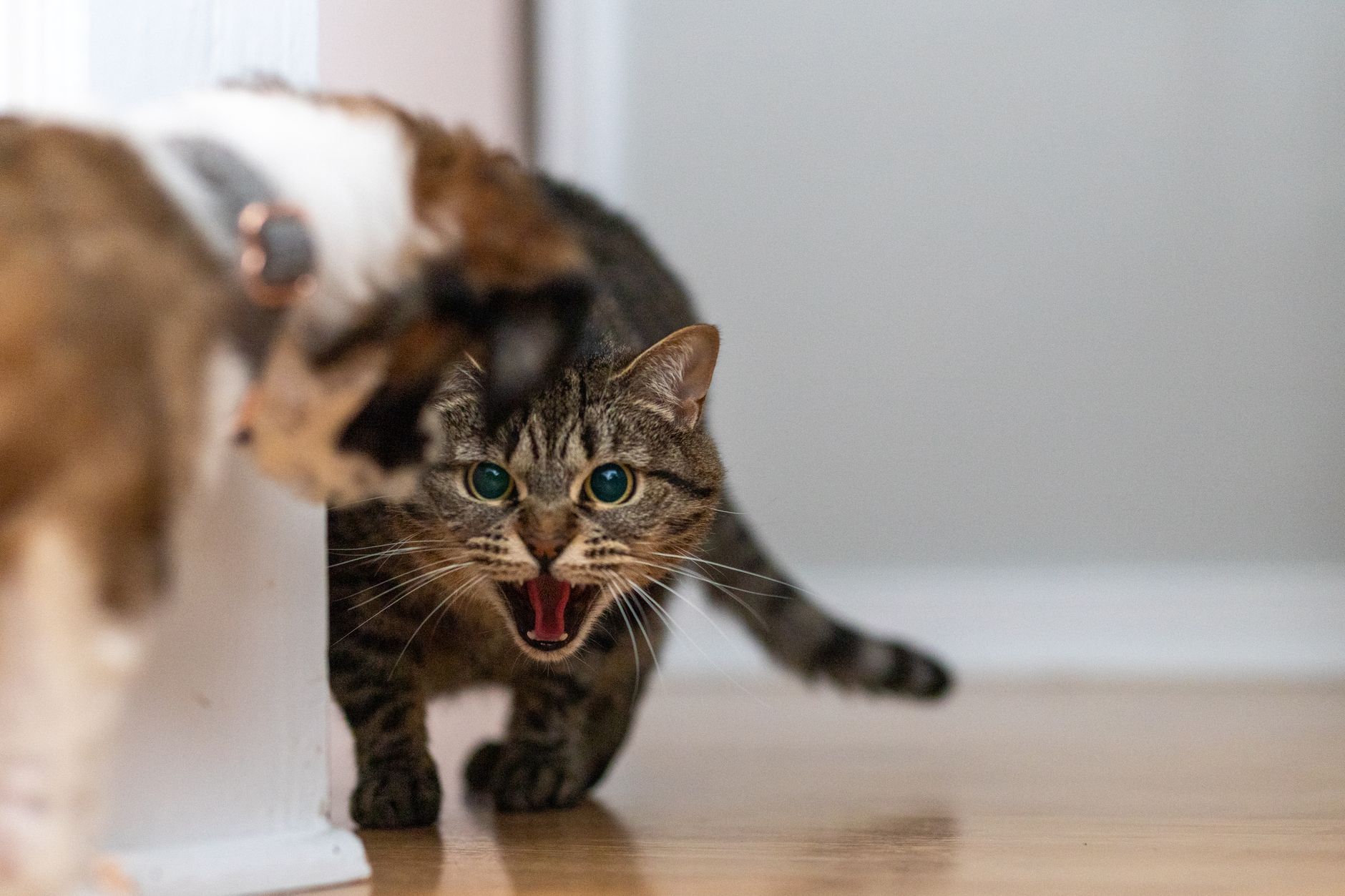
Several factors contribute to a kitten’s seemingly aggressive play style:
- Incomplete Socialization: Kittens typically learn acceptable play boundaries from their mothers and littermates. If a kitten is separated too early (before 8 weeks), it may miss out on these crucial lessons. They don’t learn what amount of biting or scratching is acceptable.
- Instinctual Behavior: Cats are natural predators. Play allows them to practice stalking, pouncing, and biting skills, even when they’re not hunting for food.
- Unchanneled Energy: Young kittens are bundles of energy. If this energy isn’t properly channeled through interactive play, it can manifest as aggressive play directed towards you.
- Learned Behavior: Sometimes, inadvertently, humans teach a kitten that hands and feet are acceptable toys. This is usually done in kittenhood with the thought of “they’re so little, it doesn’t hurt”. This behaviour needs to be discouraged from the very first instance.
- Single Kitten Syndrome: A kitten raised without other cats might not learn appropriate play behaviours. They don’t have other cats to teach them when they’re playing too rough.
- Lack of Bite Inhibition: This refers to a kitten’s ability to control the force of their bites and scratches. Kittens develop this skill by playing with their littermates, who will yelp or stop playing when hurt.
Distinguishing Play Aggression from Real Aggression
It’s important to distinguish between play aggression and true aggression, which can stem from fear, defensiveness, or territoriality. Key differences include:
| Feature | Play Aggression | Real Aggression |
|---|---|---|
| Body Language | Relaxed body posture, playful swats, stalking | Stiff posture, flattened ears, hissing, growling |
| Target | Often directed at moving objects (toys, feet) | Directed at specific individuals or perceived threats |
| Vocalizations | Meows, chirps | Hissing, growling, spitting |
| Bite Force | Usually less intense, more of a nip than a bite | Strong, potentially injurious bite |
Strategies to Redirect Kitten Play Aggression
- Provide Appropriate Toys: Offer a variety of interactive toys, such as wands, feather teasers, and puzzle toys, to engage your kitten’s predatory instincts in a safe way. Avoid using your hands or feet as toys.
- Schedule Regular Play Sessions: Aim for at least two 15-20 minute play sessions per day, focusing on activities that mimic hunting behavior. Vary the types of toys used to keep your kitten interested.
- Redirect Aggression: If your kitten starts to play too roughly, immediately redirect their attention to a toy. Stop all interaction if the rough play continues. A firm “Ouch!” can also be used to signal that their behavior is unacceptable.
- Don’t Punish: Punishment can create fear and anxiety, potentially worsening the aggression. Focus on positive reinforcement and redirection.
- Consider a Companion: If possible, adopting a second kitten or cat can provide a playmate and help your kitten learn appropriate social skills. Make sure introductions are done properly.
- Enrichment: Provide environmental enrichment such as cat trees, window perches, and scratching posts to satisfy your cat’s natural instincts and reduce boredom.
Addressing Common Mistakes
Pet owners sometimes unintentionally reinforce aggressive play behaviors. Here are some common mistakes to avoid:
- Using hands and feet as toys: This teaches the kitten that it’s okay to attack these body parts.
- Teasing or provoking the kitten: This can stimulate aggressive behavior.
- Inconsistent responses: Sometimes allowing and sometimes discouraging aggressive play can confuse the kitten.
- Ignoring the kitten’s warning signs: Pay attention to your kitten’s body language and stop the play before it escalates.
Seeking Professional Help
If you’re struggling to manage your kitten’s play aggression, consult with a veterinarian or a certified cat behaviorist. They can help you identify any underlying medical or behavioral issues and develop a tailored training plan.
Frequently Asked Questions (FAQs)

Why is my kitten more aggressive at night?
Kittens are often more active and seemingly aggressive at night due to their crepuscular nature – meaning they are most active at dawn and dusk. This is when their hunting instincts are strongest. Providing ample playtime before bedtime can help them expend energy and sleep better.
Is play aggression a sign of a behavioral problem?
Not always. Play aggression is often a normal part of kitten development, especially if the kitten was separated from its mother and littermates too early. However, if the aggression is excessive, causing injury, or accompanied by other behavioral problems, it’s best to consult with a veterinarian or cat behaviorist. It is always better to be safe than sorry.
How can I tell if my kitten is actually angry or just playing?
Pay attention to your kitten’s body language. If they are hissing, growling, flattening their ears, or displaying piloerection (raised fur), they are likely angry or fearful. Playful kittens typically have a relaxed body posture, dilated pupils, and may make playful swats or stalking motions.
What kind of toys are best for aggressive kittens?
Toys that allow your kitten to stalk, pounce, and chase are ideal. Wand toys with feathers or ribbons are great for mimicking prey. Puzzle toys that dispense treats can also provide mental stimulation and reduce boredom.
How do I stop my kitten from biting my ankles?
Ankle biting is a common problem. The best approach is to avoid encouraging this behavior. Redirect your kitten’s attention to a toy, or use a deterrent like a squirt of water from a spray bottle (used sparingly and only as a distraction). Make sure they have plenty of appropriate outlets for their energy.
Can diet affect a kitten’s aggression?
While diet isn’t a primary cause of aggression, a poor-quality diet can contribute to behavioral problems. Ensure your kitten is eating a high-quality kitten food that meets their nutritional needs. Speak to your veterinarian about the best food for your individual kitten.
What if my kitten is aggressive towards other cats in the house?
Introducing a new kitten to an existing cat requires a gradual and careful approach. Start by keeping them separated and gradually introducing their scents. Supervise initial interactions and provide plenty of resources (food, water, litter boxes, scratching posts) to avoid competition.
My kitten is aggressive when I try to groom them. What should I do?
Start grooming your kitten from a young age and make it a positive experience. Use gentle strokes and offer treats as rewards. If your kitten becomes aggressive, stop immediately and try again later. You can also try using a different type of brush or comb.
How long does kitten play aggression typically last?
Kitten play aggression usually decreases as they mature, especially if you consistently redirect their behavior and provide appropriate outlets for their energy. However, some cats may continue to exhibit playful aggression throughout their lives, albeit at a lower intensity.
Is it ever okay to play rough with my kitten?
While some kittens enjoy rough play, it’s crucial to establish clear boundaries and avoid using your hands or feet as toys. Always redirect their attention to an appropriate toy if they start to play too roughly. Remember that what seems playful to you could be perceived as aggressive by your kitten.
What’s the role of scratching posts in reducing aggression?
Scratching is a natural behavior for cats, allowing them to mark their territory, stretch their muscles, and remove dead nail sheaths. Providing scratching posts helps satisfy this instinct and reduces the likelihood of your kitten scratching furniture or you.
How can I create a more stimulating environment for my kitten?
Enrichment is key to reducing boredom and preventing aggressive behavior. Provide cat trees, window perches, puzzle toys, and interactive play sessions. Rotating toys regularly can also keep your kitten engaged and prevent them from becoming bored. Always remember that Why is my kitten so aggressive when he plays? can often be solved with a few adjustments to their environment and play routine.