

Why is my dog so protective of me all of a sudden?
Your dog’s sudden protectiveness likely stems from a perceived threat, hormonal changes, a shift in their social dynamic, or even their innate guarding instincts. Understanding the underlying cause is crucial to addressing and managing this behavior effectively.
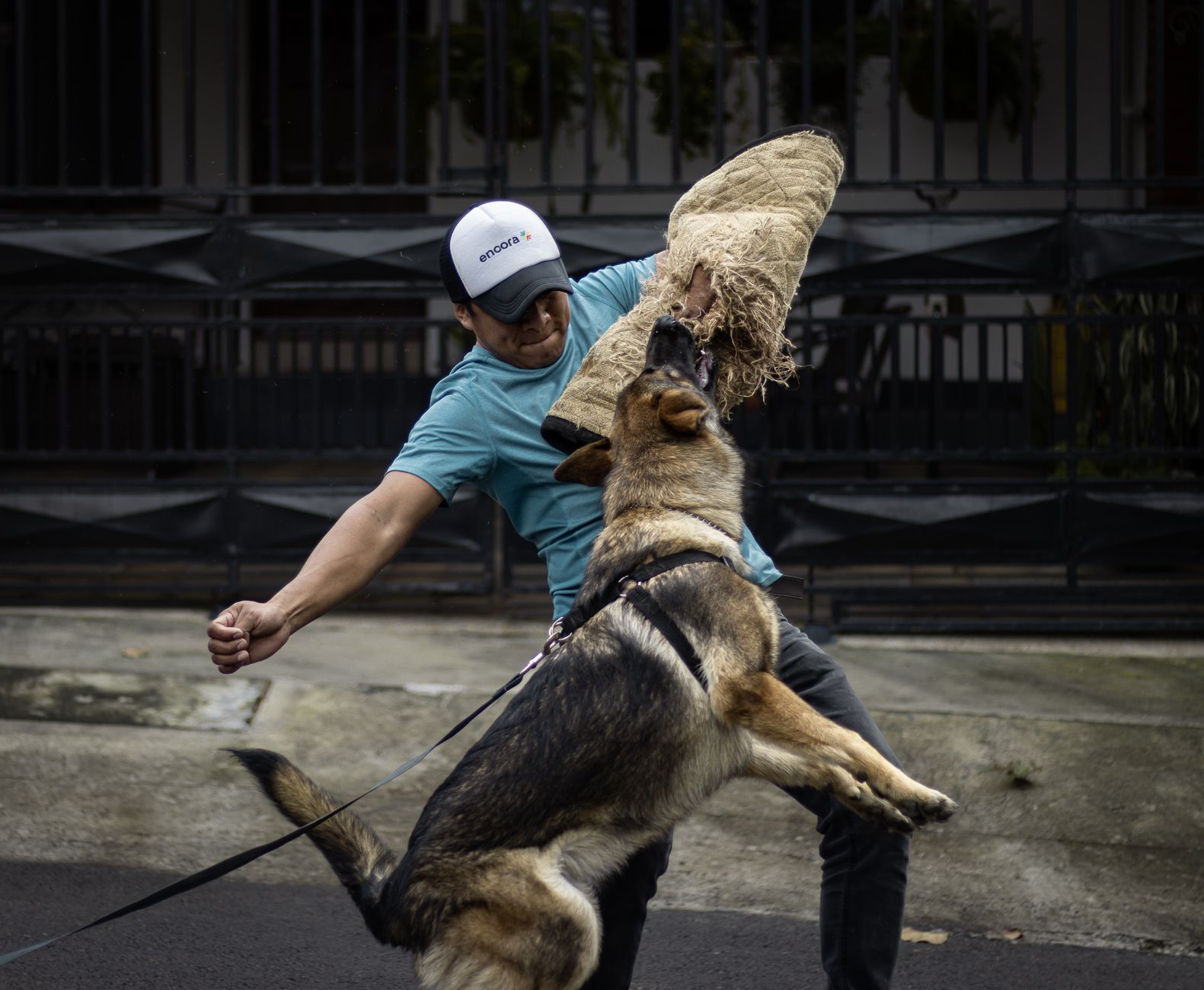
Understanding Sudden Protective Behavior in Dogs
Sudden protectiveness in dogs can be concerning and even disruptive. While canine loyalty is a cherished trait, excessive guarding behaviors can indicate underlying anxiety, insecurity, or a perceived need to defend you from perceived threats. Before automatically labeling your dog as “overprotective,” it’s important to thoroughly examine the potential reasons behind this sudden shift in behavior. Understanding the “why” behind why is my dog so protective of me all of a sudden? allows for a more targeted and effective solution.
Potential Triggers and Causes
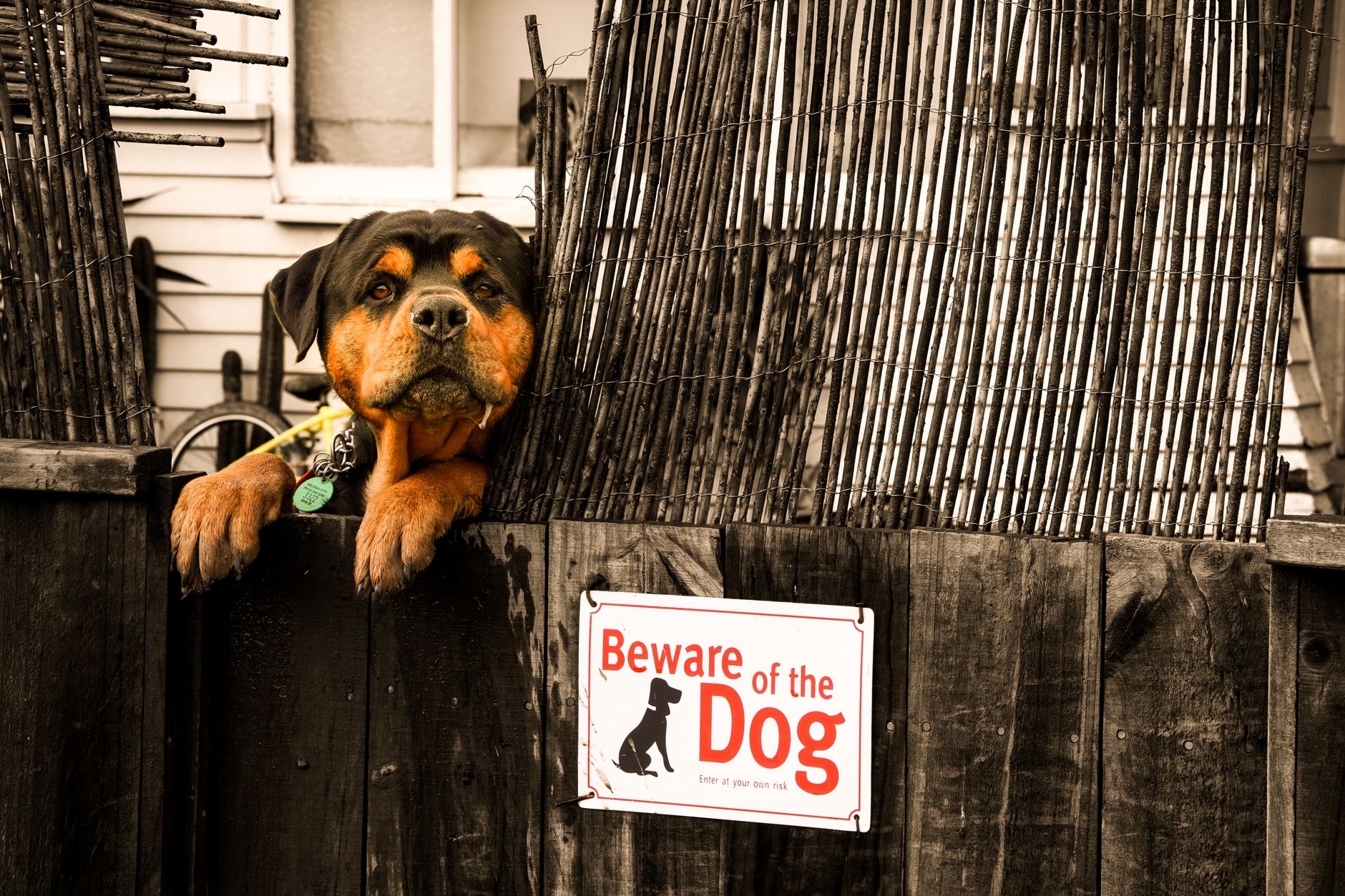
Several factors can contribute to a dog’s sudden increase in protectiveness. It’s rarely a single cause, but rather a combination of elements influencing their behavior.
- Environmental Changes: A new home, a new family member (human or animal), or even a change in routine can trigger anxiety and increased vigilance.
- Social Dynamics: A perceived threat to their position within the household pack hierarchy can drive them to be more protective, particularly if they feel you are vulnerable.
- Learned Behavior: Dogs are incredibly observant. If they’ve witnessed or experienced something that they interpret as a threat to your safety, they may become more protective as a result.
- Medical Conditions: Certain medical issues, particularly those affecting the brain or causing pain, can alter a dog’s behavior, leading to increased irritability and protectiveness. A vet check is always recommended to rule out health related issues.
- Hormonal Changes: In female dogs, pregnancy or false pregnancy can trigger nesting instincts and increased protectiveness.
- Breed Predisposition: Some breeds are naturally more inclined to guarding and protective behaviors than others (e.g., German Shepherds, Rottweilers).
- Perceived Threat: Seemingly innocuous events can be interpreted as threatening by your dog. This could be anything from a stranger approaching you, to loud noises outside, or even the movements of other animals.
- Owner Behavior: If you have recently acted in a way that appears fearful or anxious, your dog might interpret this as a sign of danger and subsequently become more protective.
Identifying Specific Signs of Protectiveness
Recognizing the specific signs of protective behavior is essential for addressing the problem effectively. It’s important to differentiate between normal loyalty and problematic protectiveness.
- Excessive Barking: Barking at people or animals approaching you, even if they pose no threat.
- Growling: A low, rumbling sound indicating discomfort and a willingness to defend.
- Snapping or Biting: The most concerning sign, indicating a direct attempt to ward off a perceived threat.
- Stiff Body Language: A tense posture, with a fixed gaze and ears forward, signaling alertness and readiness to act.
- Standing Between You and Others: Physically positioning themselves between you and other people or animals.
- Lunging: Attempting to aggressively move toward a perceived threat.
- Resource Guarding: Protecting you as a valuable resource, preventing others from approaching or interacting with you.
Strategies for Managing Protective Behavior
Addressing sudden protectiveness requires a multi-faceted approach that combines training, environmental management, and, in some cases, professional intervention.
- Rule Out Medical Issues: Schedule a vet appointment to rule out any underlying medical conditions.
- Positive Reinforcement Training: Focus on reinforcing calm and obedient behaviors using positive reinforcement methods (treats, praise, toys).
- Desensitization and Counter-Conditioning: Gradually expose your dog to the triggers of their protective behavior in a controlled environment, pairing the trigger with positive experiences.
- Obedience Training: Enroll in obedience classes to reinforce basic commands like “sit,” “stay,” and “leave it.” This provides structure and helps you establish yourself as the leader.
- Environmental Management: Minimize exposure to triggers whenever possible. For example, if your dog is protective of you on walks, avoid crowded areas or walk at less busy times.
- Consult a Professional: If the behavior is severe or escalating, consult a certified professional dog trainer or veterinary behaviorist. They can provide personalized guidance and address any underlying anxieties or fears.
- Avoid Punishment: Punishment can worsen anxiety and fear, leading to even more protective behavior. Focus on positive reinforcement and redirecting unwanted behaviors.
Long-Term Management and Prevention
Consistent training, environmental management, and a strong bond with your dog are crucial for long-term management and prevention of excessive protective behavior. Regular socialization, providing plenty of exercise, and creating a stable and predictable environment will help your dog feel secure and reduce the likelihood of unwanted behaviors.
Comparison Table: Normal vs. Problematic Protective Behavior

| Feature | Normal Protective Behavior | Problematic Protective Behavior |
|---|---|---|
| Triggers | Genuine threats to your safety or well-being. | Perceived threats, even when no real danger exists. |
| Response | Measured and appropriate response (e.g., barking at an intruder). | Excessive barking, growling, snapping, or biting in response to perceived threats. |
| Controllability | Can be easily redirected and calmed down with verbal cues. | Difficult to redirect or calm down, even with verbal cues. |
| Frequency | Occurs infrequently and only in response to legitimate threats. | Occurs frequently and in a wide range of situations. |
| Impact | Does not disrupt daily life or cause significant stress. | Disrupts daily life, causes significant stress, and may pose a safety risk to others. |
Why is Understanding the Root Cause Important?
Understanding the underlying reason why is my dog so protective of me all of a sudden? is paramount to effectively addressing the behavior. Treating the symptoms without addressing the cause will likely only provide temporary relief. This comprehensive approach ensures that you’re not just suppressing the behavior, but also addressing the root of your dog’s anxiety or insecurity. It helps build a stronger, more trusting relationship with your dog, based on understanding and mutual respect.
Frequently Asked Questions (FAQs)
What if my dog is only protective of me towards strangers?
This is a common scenario and often stems from your dog viewing you as a valuable resource . They may see strangers as a potential threat to your access to resources like food, attention, and affection. Desensitization and counter-conditioning can be very effective in these cases, gradually exposing your dog to strangers in a positive and controlled environment.
How do I stop my dog from growling at guests in my home?
- Never punish the growl –it’s communication. Instead, identify the trigger (e.g., approaching you, entering a certain area) and implement desensitization and counter-conditioning. Management is crucial; keep your dog leashed and under control, providing a safe space where they can retreat if they feel overwhelmed.
Is it normal for my female dog to be more protective during her heat cycle?
Yes, hormonal fluctuations during a female dog’s heat cycle can sometimes lead to increased anxiety and protectiveness . This is often related to nesting instincts and a desire to protect potential offspring (even if she is not pregnant).
Should I be worried if my puppy is already showing signs of protectiveness?
While some puppies may exhibit mild protective behaviors, excessive protectiveness at a young age can be a red flag. Early socialization and consistent training are crucial to prevent these behaviors from escalating as they mature.
What is the best way to socialize a dog who is already showing protective tendencies?
Socialization should be done gradually and carefully , always ensuring your dog’s comfort and safety. Start with controlled interactions in a neutral environment and closely monitor their body language. If they show signs of anxiety or aggression, remove them from the situation immediately.
Can changing my own behavior affect my dog’s protectiveness?
Absolutely. Dogs are highly attuned to their owners’ emotions. If you are anxious or fearful, your dog may pick up on these cues and become more protective. Projecting calmness and confidence can help reassure your dog and reduce their anxiety.
What role does breed play in protective behavior?
Some breeds are genetically predisposed to guarding and protective behaviors. However, breed is not the sole determinant. Training, socialization, and individual temperament all play significant roles.
How can I tell if my dog is being playful or protective?
Body language is key. Playful behavior is typically relaxed and fluid, with a wagging tail and a play bow. Protective behavior is characterized by stiff body language , a fixed gaze, and potentially growling or barking.
What should I do if my dog bites someone out of protectiveness?
- Prioritize safety by securing your dog and providing first aid to the victim. Report the bite to the appropriate authorities. Consult with a veterinarian, a veterinary behaviorist, and potentially a lawyer to determine the best course of action.
Can medication help with protective behavior?
In some cases, medication may be helpful to manage underlying anxiety that is contributing to the protective behavior. This should always be done under the guidance of a veterinarian or veterinary behaviorist.
How long will it take to change my dog’s protective behavior?
The timeline varies depending on the severity of the behavior, the underlying cause, and your consistency with training. It’s important to be patient and persistent , as it can take weeks or even months to see significant improvement.
When should I consider rehoming my dog due to protective behavior?
Rehoming should be considered as a last resort if the behavior poses a significant safety risk and all other interventions have failed. This is a difficult decision, but the safety of your community and the well-being of your dog must be the top priorities. Consulting with a veterinarian or veterinary behaviorist can help you assess all options and make the best decision for everyone involved.