

Why is my Dog Reactive to Certain Dogs? Unraveling the Mystery
Dog reactivity, the act of displaying undesirable behaviors like barking, lunging, and growling towards other dogs, can be frustrating and embarrassing. But why does it happen? The reasons are complex and varied, often stemming from a combination of genetics, past experiences, and environmental factors.

Understanding Dog Reactivity: More Than Just “Bad” Behavior
Dog reactivity, specifically when directed towards other dogs, is a common issue affecting many canines and their owners. It’s crucial to understand that reactivity isn’t necessarily aggression. While aggression implies intent to harm, reactivity is often a defensive response driven by fear, anxiety, frustration, or over-arousal. Understanding this distinction is the first step in addressing the problem.
The Roots of Reactivity: Nature vs. Nurture
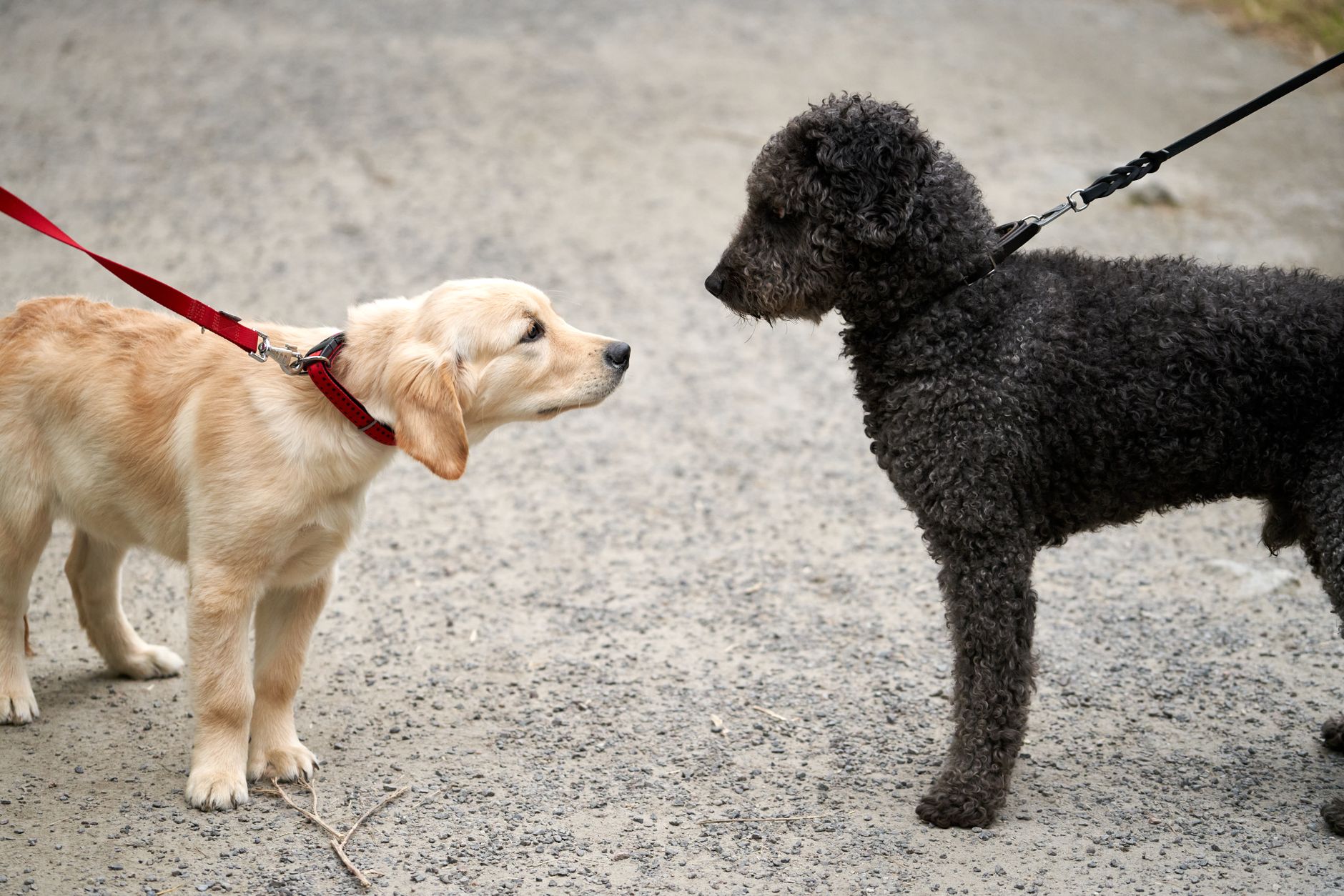
The reasons why is my dog reactive to certain dogs? are multifaceted and often intertwine. We can generally categorize these reasons into genetic predispositions and environmental influences.
- Genetics: Some breeds are inherently more prone to reactivity due to their breeding history. For example, herding breeds may exhibit reactivity as a misdirected herding instinct, while guard dogs might be naturally more protective and territorial.
- Early Socialization (or Lack Thereof): A crucial window exists during a puppy’s development (typically between 3-16 weeks) where exposure to various stimuli, including other dogs, is vital. Insufficient or negative early experiences can significantly increase the likelihood of reactivity.
- Fear and Anxiety: A negative encounter with another dog, such as being attacked or bullied, can create a lasting fear that triggers a reactive response whenever a similar dog is perceived.
- Frustration: Dogs who are highly motivated to greet or play with other dogs but are prevented from doing so (e.g., while on leash) can develop frustration-based reactivity. This is often referred to as leash reactivity.
- Learned Behavior: If a dog’s reactive behaviors successfully deter other dogs (e.g., barking makes them go away), they may learn to repeat these behaviors.
- Pain or Medical Conditions: Underlying medical conditions can contribute to irritability and reactivity. Pain, vision impairment, or hormonal imbalances can all play a role.
- Territoriality: A dog may exhibit reactivity to protect their perceived territory, whether it’s their home, yard, or even their owner.
- Resource Guarding: Dogs might become reactive to protect valuable resources, such as food, toys, or their favorite human, from other dogs.
Identifying Triggers: Pinpointing the “Why”
To effectively address reactivity, it’s essential to identify the specific triggers that provoke the behavior. Keep a detailed journal, noting the following:
- Type of Dog: Breed, size, color, sex
- Distance: How close does the other dog need to be to trigger a reaction?
- Environment: Where does the reactivity occur (e.g., on leash, in the park, at home)?
- Body Language: What is the dog’s body language before, during, and after the reactive episode?
- Context: What was happening just before the reactivity occurred?
Addressing Reactivity: A Multi-Faceted Approach
Managing dog reactivity requires patience, consistency, and a tailored approach. Here are some common strategies:
- Management: Preventing exposure to triggers is often the first step. This might involve avoiding certain locations, walking at off-peak hours, or using physical barriers.
- Counter-Conditioning and Desensitization: This involves gradually exposing the dog to their triggers at a distance where they remain calm, and pairing the presence of the trigger with positive reinforcement (e.g., treats). The goal is to change the dog’s emotional association with the trigger from negative to positive.
- Positive Reinforcement Training: Teaching alternative behaviors, such as “look at me” or “leave it,” can provide the dog with a more appropriate response to triggers.
- Medication: In some cases, medication may be necessary to reduce anxiety and make training more effective. Consult with a veterinarian or veterinary behaviorist to determine if medication is appropriate.
- Consult a Professional: Working with a certified professional dog trainer or veterinary behaviorist is highly recommended. They can help you develop a personalized training plan and address the underlying causes of reactivity.
Common Mistakes to Avoid
- Punishment: Punishment can worsen reactivity by increasing fear and anxiety.
- Flooding: Forcing the dog into close proximity with their triggers can be traumatic and counterproductive.
- Inconsistency: Inconsistent training can confuse the dog and slow progress.
- Ignoring the Problem: Reactivity is unlikely to resolve on its own and can escalate if left unaddressed.
Frequently Asked Questions (FAQs) about Dog Reactivity
Why is my dog reactive to certain dogs and not others?
Some dogs only react to specific types of dogs due to previous negative experiences, perceived threats based on size or breed, or simply because those dogs trigger specific behavioral patterns associated with play or competition. This selective reactivity often requires more nuanced observation and tailored training.
How can I tell the difference between reactivity and aggression?
Reactivity is usually a defensive response driven by fear, anxiety, or frustration, often involving warning signals like barking or growling without intent to cause serious harm. Aggression is a deliberate attempt to cause harm or injury, often escalating to biting or attacking. Body language cues also differ; reactive dogs may show signs of stress (e.g., whale eye, tucked tail), while aggressive dogs tend to display more assertive postures.
Is reactivity treatable?
Yes, reactivity is often treatable, but it requires patience, consistency, and the right approach. The success of treatment depends on the underlying cause, the severity of the reactivity, and the owner’s commitment to training and management.
Can reactivity be cured completely?
While a complete “cure” may not always be possible, reactivity can often be significantly reduced through consistent training and management. The goal is to help the dog learn to cope with their triggers in a calmer, more controlled manner.
What role does socialization play in reactivity?
Proper socialization during puppyhood (3-16 weeks) is critical for preventing reactivity. Exposure to a variety of dogs in positive, controlled environments helps puppies learn appropriate social skills and reduces the likelihood of developing fear or anxiety towards other dogs.
What is leash reactivity, and how is it different?
Leash reactivity is a specific type of reactivity where dogs react aggressively towards other dogs primarily when on a leash. This is often caused by frustration from being unable to approach or interact with the other dog, or from feeling constrained and vulnerable while on the leash.
What are some common training techniques for reactivity?
Common training techniques include counter-conditioning, where the dog learns to associate the presence of other dogs with positive experiences (e.g., treats); desensitization, where the dog is gradually exposed to other dogs at a safe distance; and positive reinforcement, where the dog is rewarded for calm behavior in the presence of triggers.
How long does it take to see results in reactivity training?
The time it takes to see results varies depending on the severity of the reactivity, the consistency of training, and the individual dog. Some dogs may show improvement within a few weeks, while others may require several months of dedicated work.
Is medication ever necessary for reactivity?
In some cases, medication may be necessary to reduce anxiety and make training more effective. This is especially true for dogs with severe reactivity or underlying anxiety disorders. Consult with a veterinarian or veterinary behaviorist to determine if medication is appropriate.
What should I do if my reactive dog bites another dog?
If your reactive dog bites another dog, separate the dogs immediately and ensure the injured dog receives veterinary care. Report the incident to your local animal control and consult with a certified professional dog trainer or veterinary behaviorist to address the underlying reactivity. You may also face legal consequences.
How can I find a qualified professional to help with reactivity?
Look for a certified professional dog trainer (CPDT-KA, KPA-CTP) or a veterinary behaviorist (DACVB). These professionals have specialized training and experience in addressing reactivity and other behavioral issues.
Why is my dog reactive to certain dogs when they used to be friendly?
This can be due to several factors including pain, aging, or a single negative incident. Even one bad experience at the dog park or during a walk can cause a dog to develop a fear-based reaction to similar dogs they encounter in the future.