

Why is my dog obsessed with eating acorns?
Your dog’s acorn obsession is likely driven by a combination of factors, including nutritional deficiencies, boredom, or simply the appealing taste and texture. While seemingly harmless, eating acorns can be dangerous for dogs due to their toxicity, so understanding the underlying cause is crucial for prevention.
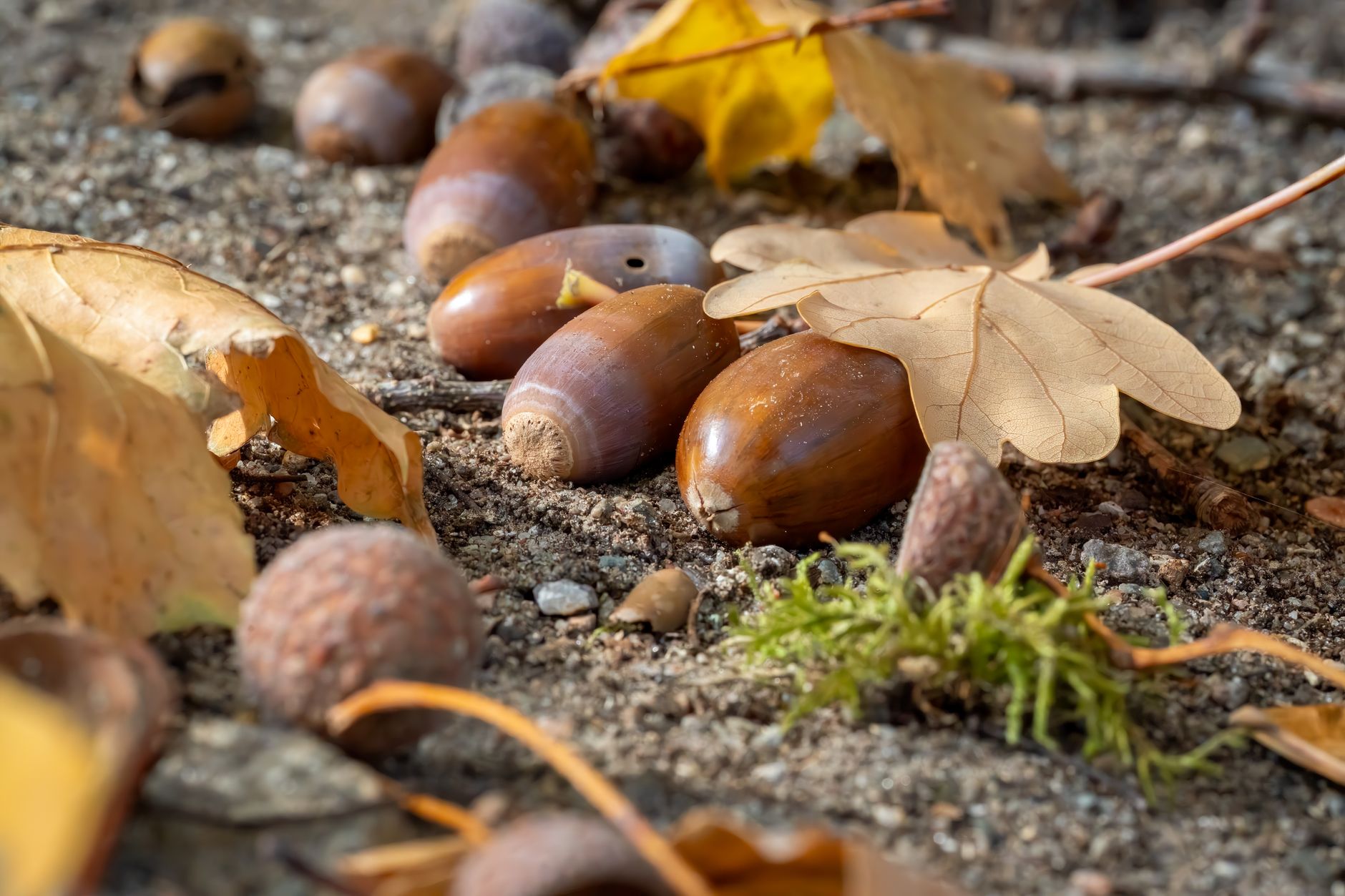
Unraveling the Acorn Allure: Why the Fascination?
Dogs are known for their eclectic appetites, and sometimes, those appetites lead them to things we wouldn’t expect – like acorns. Understanding why is my dog obsessed with eating acorns? requires considering several potential explanations. It’s not always as simple as liking the taste; underlying physiological or behavioral factors often play a significant role.
The Possible Nutritional Deficiency Angle

One potential reason behind your dog’s acorn obsession is a nutritional deficiency. While commercial dog foods are formulated to meet most canine needs, some dogs may still crave certain nutrients. Acorns contain carbohydrates, fats, and some minerals, which might be appealing if a dog’s diet is lacking in these areas. It’s crucial to consult with your veterinarian to rule out any underlying nutritional imbalances.
- Mineral Imbalances: Craving seemingly odd things like acorns could indicate a deficiency in essential minerals.
- Fiber Craving: Some dogs seek out acorns as a source of fiber, especially if their diet is low in it.
Boredom and Behavioral Factors
Just like humans, dogs can engage in compulsive behaviors when they’re bored or anxious. Chewing and eating can be self-soothing activities. If your dog is spending a lot of time alone or isn’t getting enough exercise, they might turn to acorns as a form of entertainment.
- Lack of Mental Stimulation: Inadequate mental stimulation can lead to boredom and destructive chewing.
- Anxiety: Stressful situations can trigger compulsive behaviors like eating acorns.
The Taste and Texture Temptation
Sometimes, the simplest explanation is the right one. Your dog might genuinely enjoy the taste and texture of acorns. The crunchy texture can be satisfying for dogs who enjoy chewing, and the slightly bitter taste might be appealing to some. Just like some humans have strange food cravings, some dogs simply develop a taste for acorns.
The Dangers of Acorn Consumption
Regardless of the reason behind your dog’s acorn obsession, it’s crucial to understand the potential dangers. Acorns contain tannins, which are toxic to dogs and can cause gastrointestinal upset. In severe cases, acorn poisoning can lead to kidney damage and even death.
| Symptom | Description |
|---|---|
| Vomiting | A common sign of gastrointestinal upset. |
| Diarrhea | Can be mild or severe, potentially leading to dehydration. |
| Loss of Appetite | Refusal to eat their regular food. |
| Lethargy | Appearing tired and lacking energy. |
| Abdominal Pain | Sensitivity or discomfort when touching the abdomen. |
| Kidney Damage | In severe cases, acorns can cause kidney damage, leading to increased thirst and urination. |
Preventing Acorn Ingestion
The best way to deal with acorn poisoning is to prevent it from happening in the first place. Here are some strategies:
- Supervise your dog: When walking in areas with oak trees, keep a close eye on your dog and prevent them from eating acorns.
- Remove acorns from your yard: Regularly clear your yard of acorns to minimize temptation.
- Provide alternative chew toys: Offer your dog a variety of chew toys to satisfy their chewing instincts.
- Enrichment Activities: Increase mental and physical stimulation through training, puzzle toys, and interactive games.
- Consult your veterinarian: If you suspect your dog is eating acorns due to a nutritional deficiency, talk to your vet about appropriate dietary changes or supplements.

Frequently Asked Questions (FAQs)
Why is my dog obsessed with eating acorns, and are all acorns toxic to dogs?
Yes, all acorns contain tannins, which are toxic to dogs. The level of toxicity can vary depending on the type of oak tree and the maturity of the acorn, but it’s best to assume that all acorns are potentially harmful to your dog. This toxicity is the main reason why is my dog obsessed with eating acorns? is a serious question.
How many acorns does it take to make a dog sick?
The number of acorns required to cause illness varies depending on the size of the dog and the tannin content of the acorns. Even a small number of acorns can cause gastrointestinal upset in smaller dogs. It’s best to prevent your dog from eating any acorns at all.
What are the first signs of acorn poisoning in dogs?
The first signs of acorn poisoning usually involve gastrointestinal upset, such as vomiting, diarrhea, and loss of appetite. Your dog may also appear lethargic and have abdominal pain. Seek veterinary attention immediately if you suspect acorn poisoning.
Can acorns cause a blockage in a dog’s digestive system?
Yes, acorns can cause a blockage in a dog’s digestive system, especially if they are swallowed whole or in large quantities. This is more common in smaller dogs. A blockage can require surgery to remove the obstruction.
What should I do if I see my dog eating acorns?
If you see your dog eating acorns, try to remove the acorns from their mouth immediately. Contact your veterinarian for advice, especially if your dog has eaten a large number of acorns or is showing any signs of illness. Do not induce vomiting without veterinary guidance.
Is there an antidote for acorn poisoning?
There is no specific antidote for acorn poisoning. Treatment typically involves supportive care, such as IV fluids to prevent dehydration, medications to control vomiting and diarrhea, and potentially activated charcoal to absorb toxins.
How can I make my yard safer for my dog if I have oak trees?
The best way to make your yard safer is to regularly remove acorns from the ground. You can also consider creating a fenced-off area where your dog can play without access to oak trees. Another option is to train your dog to avoid acorns using positive reinforcement techniques.
Can puppies get acorn poisoning, and are they more susceptible?
Yes, puppies can get acorn poisoning and are generally more susceptible due to their smaller size and immature digestive systems. It’s essential to be extra vigilant in preventing puppies from eating acorns.
Are roasted acorns safe for dogs?
While roasting can reduce the tannin content in acorns, it does not eliminate it entirely. Roasted acorns are still potentially harmful to dogs and should not be given as treats.
My dog seems fine after eating a few acorns. Should I still worry?
Even if your dog seems fine after eating a few acorns, it’s still a good idea to monitor them closely for any signs of illness. The effects of acorn poisoning can sometimes be delayed. Contact your vet if you have any concerns. Knowing why is my dog obsessed with eating acorns? is useful, even if they only eat a few.
Can acorn poisoning cause long-term health problems in dogs?
In severe cases, acorn poisoning can cause kidney damage that can lead to long-term health problems. It’s crucial to seek prompt veterinary treatment to minimize the risk of lasting damage.
What are some healthy alternatives to acorns for my dog’s chewing needs?
There are many safe and healthy alternatives to acorns for your dog’s chewing needs, including durable rubber chew toys, rope toys, and dental chews. Avoid giving your dog bones, as they can splinter and cause injury. Be aware of any choking hazards and always supervise your dog with new toys.