

Why is My Dog Letting Me Touch Her Puppies? Deciphering Maternal Trust
Several factors influence a mother dog’s willingness to allow human interaction with her newborns. The primary reason why your dog is letting you touch her puppies often boils down to a high level of trust and security she feels with you, her owner.
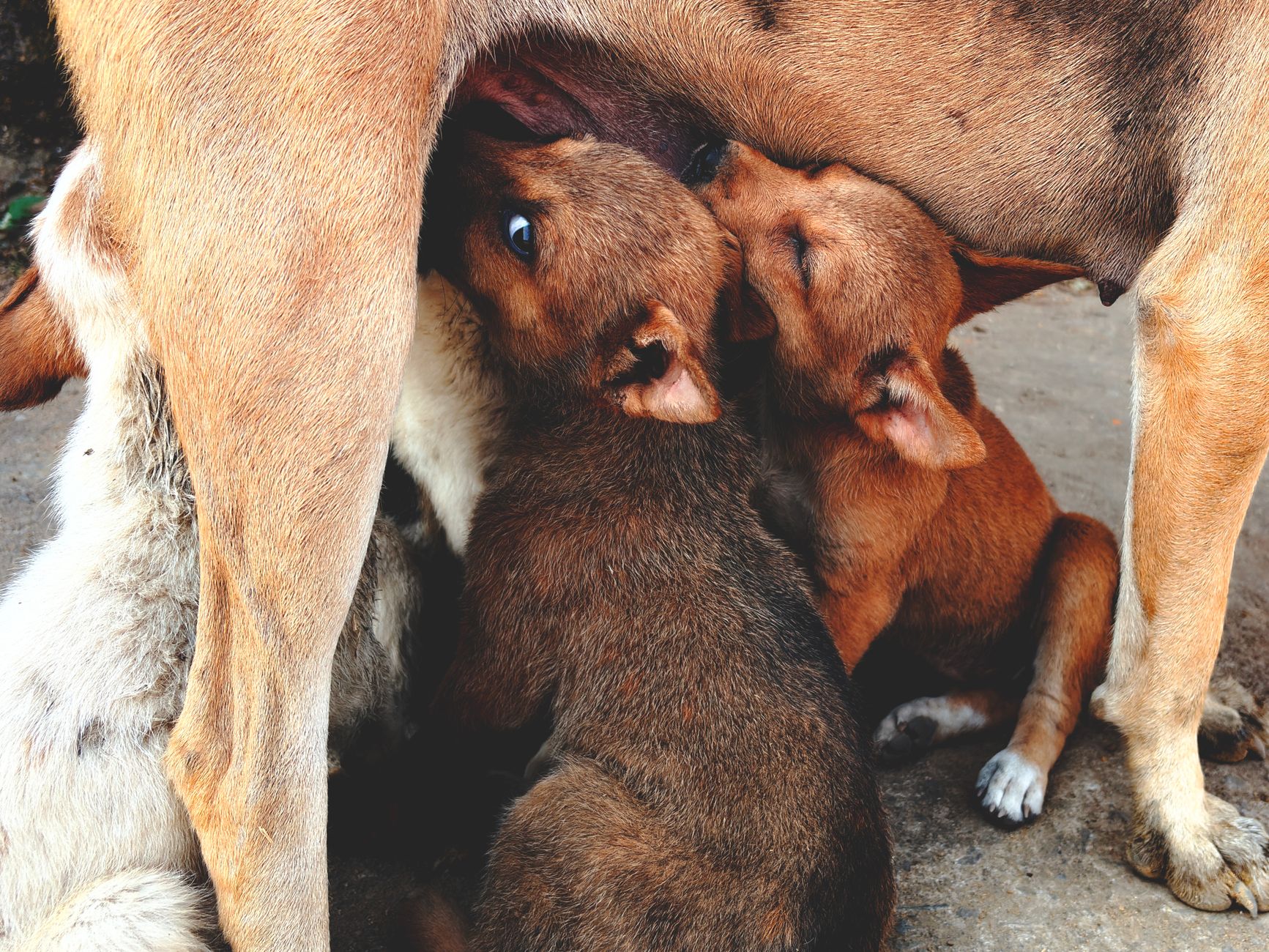
Understanding the nuances of canine maternal behavior is crucial for responsible pet ownership. While some mother dogs exhibit extreme protectiveness, others readily accept human involvement with their litters. Why is my dog letting me touch her puppies? It’s a question that delves into the complex interplay of genetics, environment, and the existing bond between dog and owner. This article, informed by veterinary behavioral science, will explore the various reasons behind this acceptance, potential benefits and drawbacks, and crucial guidelines to ensure the safety and well-being of both mother and pups.
Understanding Canine Maternal Instincts
A mother dog’s (also known as a dam) behavior is driven by powerful hormonal and instinctual factors. Immediately after birth, hormones such as oxytocin flood her system, promoting bonding and nurturing behaviors. However, alongside this drive to care for her young, a strong protective instinct also exists. This instinct is designed to safeguard the vulnerable puppies from perceived threats. The level of protectiveness varies greatly depending on several factors:
- Breed: Some breeds are naturally more protective than others.
- Temperament: Individual personality plays a significant role.
- Previous Experiences: Negative experiences, such as a previous perceived threat to her pups, can increase protectiveness.
- Environmental Security: A quiet, safe, and comfortable whelping environment contributes to a relaxed dam.
The Role of Trust in Acceptance
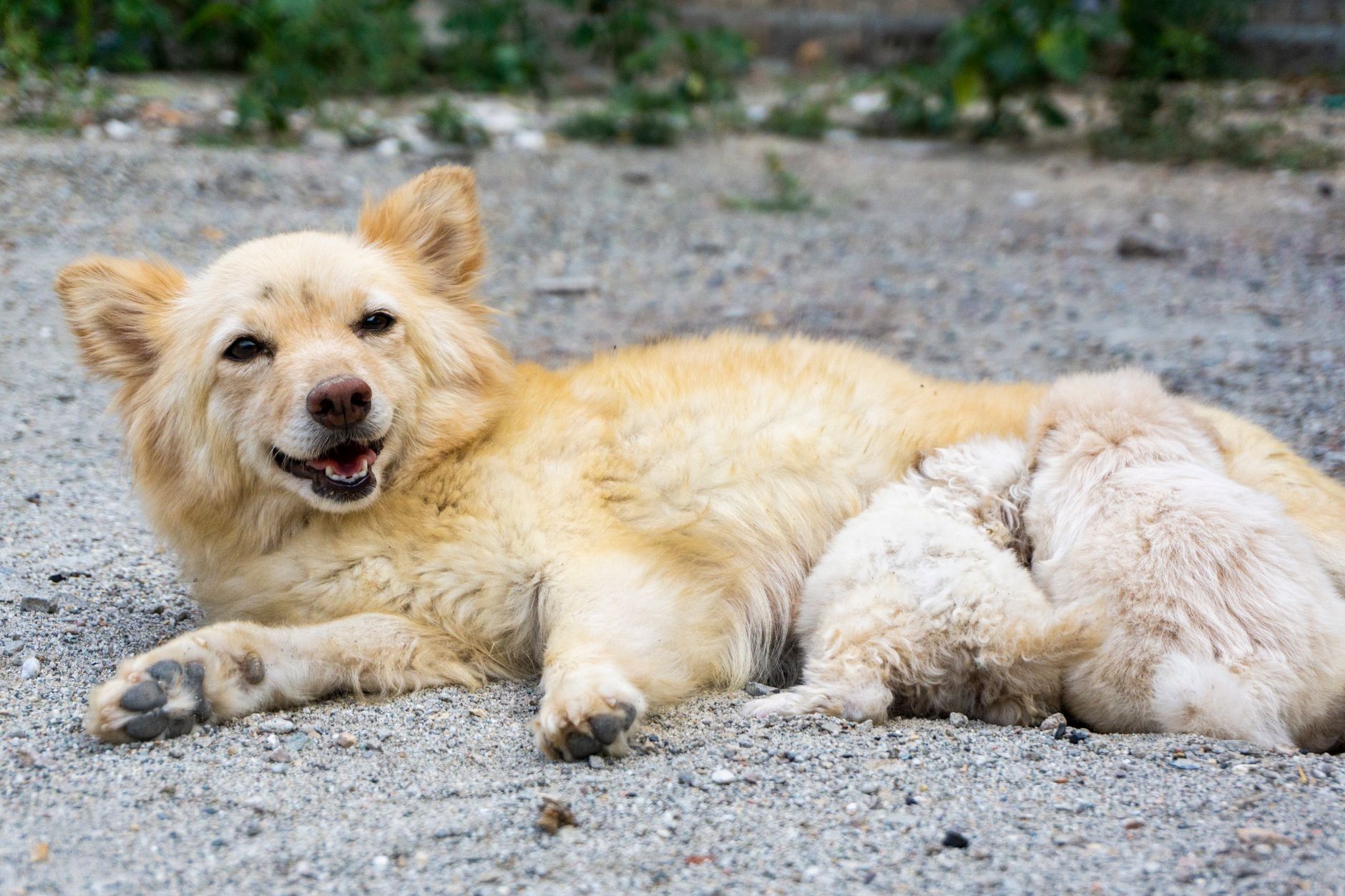
One of the most significant factors influencing why your dog is letting you touch her puppies is the pre-existing trust established between you and her. A dog who has experienced consistent positive interactions with her owner is more likely to perceive them as a trusted member of the “pack,” not a threat to her vulnerable pups. This trust overrides some of the inherent protective instincts.
Benefits of Early Human Interaction
Gentle, supervised handling of puppies from a young age (typically after the first week) can have several benefits:
- Socialization: Early exposure to human touch helps puppies become accustomed to human contact, reducing the likelihood of fear or aggression later in life.
- Improved Handling: Puppies that are handled regularly are generally easier to groom, medicate, and examine by a veterinarian.
- Strengthened Bond: Positive interactions contribute to a stronger bond between the puppies and humans.
However, it’s crucial to remember that early interaction should always be conducted responsibly and cautiously.
Guidelines for Safe Interaction
While your dog may be accepting, it’s paramount to adhere to strict guidelines to ensure the safety and well-being of the entire family.
- Hygiene: Always wash your hands thoroughly before and after handling the puppies.
- Supervision: Never leave children unsupervised with the mother dog or her puppies.
- Respect Boundaries: Observe the mother dog’s body language. If she shows signs of stress (e.g., lip licking, whale eye, stiffening), immediately cease interaction.
- Quiet Environment: Maintain a calm and quiet environment to minimize stress for the mother and pups.
- Limit Time: Keep interactions brief and focused on gentle handling. Avoid prolonged periods of cuddling or disturbing the pups.
- Never Force It: If the mother dog is clearly uncomfortable, do not force the interaction. Give her space and try again later.
- Monitor Pups: Weigh the puppies daily to ensure they are thriving. Seek veterinary advice if any puppy is not gaining weight appropriately.
Common Mistakes to Avoid
Several common mistakes can jeopardize the safety and well-being of the mother and her puppies:
- Overhandling: Excessive handling can stress the mother and disrupt bonding.
- Introducing Strangers: Avoid introducing strangers to the puppies, especially during the first few weeks.
- Ignoring Maternal Signals: Failing to recognize and respect the mother dog’s signals of discomfort or stress.
- Unclean Environment: Maintaining an unclean whelping environment can increase the risk of infection.
The Importance of Veterinary Consultation
Regular veterinary check-ups are crucial for both the mother and her puppies. A veterinarian can assess the mother’s health, monitor the puppies’ development, and provide advice on proper care and nutrition.
Frequently Asked Questions (FAQs)
Why is my dog growling at me when I get near her puppies, even though she usually trusts me?
Even the most trusting dog can exhibit protective behaviors when it comes to her newborns. Growling is a warning sign indicating she feels threatened or uncomfortable. Respect her boundaries and give her space. This doesn’t mean she doesn’t trust you, but her maternal instincts are heightened. Try approaching more slowly and talking to her in a calm, reassuring voice.
How long should I wait before touching the puppies after they are born?
It’s generally recommended to wait at least 24-48 hours after birth to give the mother and puppies time to bond. After that, brief, gentle handling is usually acceptable, but always monitor the mother’s reaction.
Is it okay to let my children touch the puppies?
Children can be involved in handling puppies, but only under strict supervision. Teach them how to handle the puppies gently and respectfully. Ensure they understand the importance of respecting the mother’s boundaries. Short, supervised visits are preferable to prolonged interactions.
My dog seems to be ignoring her puppies. Should I be worried?
While some new mothers are naturally attentive, others may take time to adjust. Closely monitor the puppies to ensure they are nursing and appear healthy. If the mother consistently ignores them, or if the puppies are not thriving, seek immediate veterinary attention. Medical conditions can sometimes interfere with maternal instincts.
How can I tell if my dog is stressed when I touch her puppies?
Signs of stress in a mother dog include lip licking, yawning, whale eye (showing the whites of her eyes), panting, stiffening, growling, or snapping. If you observe any of these behaviors, immediately cease interaction.
What if my dog bites me when I try to touch her puppies?
A bite indicates a clear lack of trust and a strong protective instinct. Immediately stop trying to interact with the puppies and consult with a veterinary behaviorist. It’s crucial to address the underlying cause of the aggression to ensure the safety of everyone involved.
Why is my dog letting me touch some of the puppies but not others?
This could be due to several factors, including individual puppy health, the mother’s perception of individual pups, or simply random variation in her protectiveness. Closely monitor all the puppies to ensure they are thriving.
Is it possible to make my dog more comfortable with me touching her puppies?
Yes, through positive reinforcement. Associate your presence with positive experiences for the mother, such as giving her treats or offering gentle praise. Gradually increase your proximity to the puppies while closely monitoring her reaction.
Can I move the puppies to clean their whelping box?
Yes, but do so carefully. Remove the puppies one by one to a safe, clean, and warm location while you clean the whelping box. Return them as quickly and gently as possible.
Why is it important to weigh the puppies daily?
Daily weighing is a crucial indicator of puppy health. A steady weight gain indicates that the puppies are nursing adequately and thriving. Failure to gain weight is a red flag and requires veterinary attention.
What if the mother dog is rejecting one of her puppies?
Rejection can occur for various reasons, including illness or deformity. If the mother is consistently rejecting a puppy, you may need to intervene and bottle-feed the puppy to ensure it receives adequate nutrition. Consult with a veterinarian immediately.
Why is my dog so tired after giving birth?
Giving birth is a physically demanding process. Allow the mother dog ample rest and provide her with a nutritious diet to help her recover. Ensure she has access to fresh water at all times.