
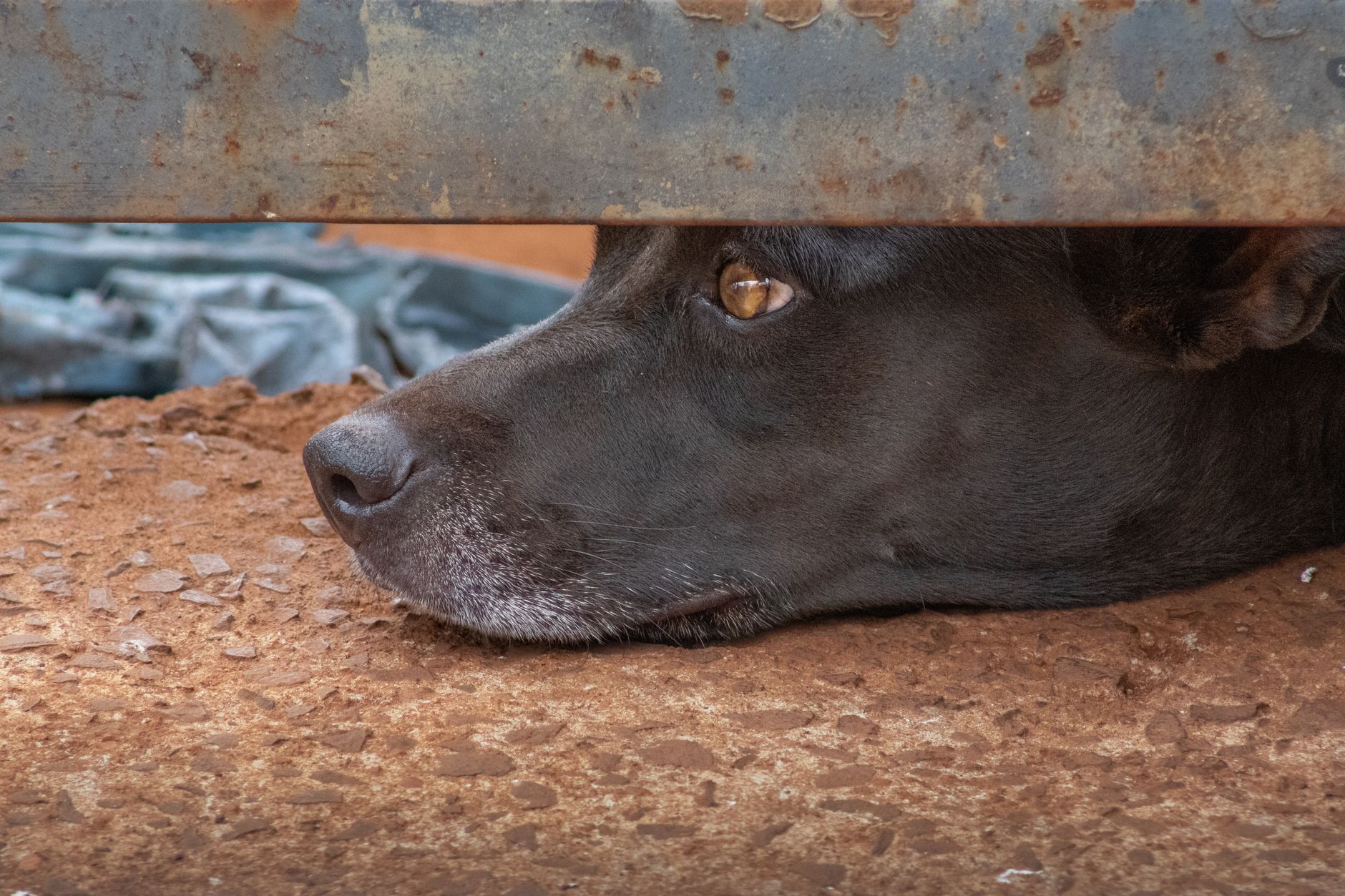
Why Is My Dog Distant After Vacation? Understanding Post-Vacation Dog Behavior
Why is my dog distant after vacation? Your dog’s aloofness after your return could stem from a combination of factors, including stress, changes in routine, separation anxiety, or even jealousy, but is usually temporary and resolves with patience and understanding. It’s vital to re-establish a sense of security and normalcy for them.

Understanding the Canine Vacation Experience
Vacations are often a source of excitement and relaxation for humans, but for our canine companions, they can be a period of significant disruption. Why is my dog distant after vacation? Understanding the factors that contribute to this behavior is crucial for addressing it effectively. Dogs thrive on routine and predictability. Changes in their environment, schedule, and even the people they interact with can be stressful and disorienting.
- Change in Environment: A different house, hotel room, or even a kennel environment can be unsettling. They are surrounded by unfamiliar sights, sounds, and smells.
- Altered Routine: Meal times, walks, and playtime are all likely to be different while you’re away or on vacation. This inconsistency can lead to anxiety.
- New Faces: Even if your dog is staying with trusted friends or family, they are still not their primary caregivers. This can cause confusion and a sense of loss.
- Lack of Control: Dogs like to have some level of control over their environment. When they’re in a new place or being cared for by someone else, they may feel like they’ve lost that control, which can lead to stress and withdrawal.
Potential Causes of Post-Vacation Distance

Several underlying causes can contribute to a dog’s distant behavior after a vacation. Addressing these factors is key to helping your dog readjust.
- Separation Anxiety: Even if they were well-cared for, your dog likely missed you. This can manifest as withdrawal or clinginess, depending on the dog’s personality.
- Stress and Anxiety: The overall experience of being away from their familiar surroundings and routine can be stressful.
- Change in Social Dynamics: If your dog stayed with other dogs, there might have been changes in the social hierarchy that are now affecting their behavior.
- Medical Issues: Although less common, consider the possibility of an illness or injury during the vacation period. Rule out any physical discomfort as a contributing factor.
- Guilt/Jealousy: Some experts suggest that dogs can sense changes in the household dynamics and may even exhibit signs of perceived “guilt” if they feel they did something wrong, or “jealousy” if you are giving attention to others immediately upon return.
How to Re-Establish Routine and Rebuild Trust
Once you understand the possible causes, you can take steps to help your dog feel more secure and loved.
- Resume Normal Routine Immediately: Get back to your dog’s usual feeding schedule, walk times, and bedtime routine as soon as possible.
- Provide Extra Attention and Affection: Spend quality time with your dog, offering lots of praise, petting, and playtime. This reinforces your bond.
- Create a Safe and Comfortable Environment: Ensure your dog has access to their favorite toys, bed, and blankets.
- Avoid Overwhelming Your Dog: While affection is important, avoid smothering your dog with attention. Give them space if they need it.
- Use Positive Reinforcement: Reward good behavior with treats and praise. Avoid punishment, which can increase anxiety.
- Patience is Key: It may take a few days or even weeks for your dog to fully adjust. Be patient and understanding.
When to Seek Professional Help
While most dogs will eventually readjust after a vacation, some may require professional intervention.
- Persistent Changes in Behavior: If your dog’s distant behavior persists for more than a few weeks.
- Signs of Anxiety or Depression: If your dog exhibits signs of excessive panting, pacing, trembling, loss of appetite, or withdrawal.
- Aggressive Behavior: If your dog becomes aggressive or reactive.
- Underlying Medical Conditions: Consult your veterinarian to rule out any underlying medical issues.
- Consult a Certified Dog Behaviorist: If you’ve tried these steps and your dog is still struggling, a certified dog behaviorist can provide tailored guidance.
Comparison of Post-Vacation Dog Behavior
| Behavior | Possible Cause(s) | Solution(s) |
|---|---|---|
| Distance/Aloofness | Separation anxiety, stress, change in routine, illness | Re-establish routine, provide extra attention, rule out medical issues, consider calming aids. |
| Clinginess | Separation anxiety, fear of abandonment | Reassure with calm affection, avoid reinforcing clingy behavior, practice short periods of absence. |
| Destructive Behavior | Anxiety, boredom, pent-up energy | Provide plenty of exercise, offer chew toys, consider crate training. |
| Aggression | Fear, territoriality, resource guarding | Seek professional help from a certified dog behaviorist or trainer. |
| Loss of Appetite | Stress, change in food, illness | Offer favorite foods, ensure access to fresh water, consult your veterinarian. |
Frequently Asked Questions (FAQs)
Why does my dog ignore me after I get back from vacation?
Your dog’s apparent indifference can stem from several factors, including stress, temporary resentment stemming from separation anxiety, or even the adjustment to being back in their regular environment. They might need time to process the changes and reintegrate into their routine with you. Provide them with space and gradually re-establish your bond through positive interactions.
Is it normal for a dog to act weird after being boarded?
Yes, it’s completely normal for dogs to exhibit unusual behaviors after being boarded. Boarding facilities involve a change of scenery, routine, and potentially interaction with other dogs. These factors can lead to stress, anxiety, and a period of readjustment upon their return home.
How long does it take for a dog to adjust after being away from home?
The adjustment period varies depending on the dog’s temperament, the length of the absence, and the experiences they had while away. Generally, most dogs will start to re-establish their normal routines within a few days to a week. More sensitive dogs might require a longer period of adjustment.
Can dogs get jealous when you return from a trip?
While the concept of “jealousy” in dogs is complex and not fully understood, dogs can exhibit behaviors that resemble jealousy. They might compete for your attention, become clingy, or display mild aggression if they perceive a threat to their bond with you. This is especially true if you shower other family members or pets with attention immediately upon returning.
What are some signs that my dog is stressed after being away?
Signs of stress in dogs can vary, but common indicators include excessive panting, pacing, trembling, hiding, loss of appetite, changes in sleep patterns, destructive behavior, and increased vocalization (barking or whining). Watch for these signs to gauge your dog’s emotional state.
Should I change boarding facilities if my dog seems unhappy after each stay?
If your dog consistently shows signs of distress or unhappiness after boarding, it may be worth exploring alternative options. Consider in-home pet sitters, family members, or other boarding facilities with different environments or care practices. Observe your dog’s behavior in the new setting to determine if it’s a better fit.
How can I prepare my dog for a boarding stay to minimize stress?
Preparation is key. Introduce your dog to the boarding facility beforehand with short visits. Provide them with familiar items like their bed, toys, and a blanket that smells like home. Pack their usual food to avoid dietary changes and discuss any specific needs or concerns with the boarding staff.
My dog is suddenly more clingy after vacation. Why?
Increased clinginess after vacation is often a sign of separation anxiety or a desire to re-establish the bond that was temporarily disrupted. Your dog might be seeking reassurance and security after being away from you. Respond with calm affection and gradually encourage independence by providing them with engaging activities and toys.
Why is my dog sleeping more after vacation?
Increased sleepiness can be a sign of exhaustion from the stress of travel or boarding. Your dog might also be recovering from a mild illness or simply catching up on rest after a period of disrupted sleep patterns. If the excessive sleepiness persists for more than a few days, consult your veterinarian.
What are some ways to make my dog feel more secure after being away?
Create a safe and predictable environment by re-establishing their routine, providing access to their favorite comfort items, and spending quality time with them. Avoid sudden changes or overwhelming them with attention. A calming pheromone diffuser or supplement might also help reduce anxiety.
Is it possible my dog got sick while being boarded?
Yes, it is possible. While reputable boarding facilities take precautions, dogs can be exposed to illnesses like kennel cough or gastrointestinal upset. Monitor your dog for signs of illness, such as coughing, sneezing, vomiting, or diarrhea, and consult your veterinarian if you have any concerns.
Why is my dog distant after vacation, even with a trusted pet sitter?
Even with a trusted pet sitter, your dog might still experience some stress and anxiety from the change in routine and absence of their primary caregiver. The sitter, no matter how loving, is still not you. Continue to offer reassurance, re-establish their routine, and give them time to readjust to being back home. It is important to remember, why is my dog distant after vacation? is a common and usually temporary issue.