

Why is My Dog Acting Weird After My Surgery?
Your dog’s behavioral changes after your surgery are likely due to a combination of emotional distress, changes in routine, and sensitivity to your altered state. Understanding these factors is key to helping them adjust.

The bond between humans and their canine companions is profound. Dogs are remarkably attuned to our emotions and routines. Therefore, it’s no surprise that when we undergo significant changes, such as surgery, they can react in noticeable ways. Why is my dog acting weird after my surgery? The answer lies in understanding the complex interplay of factors impacting your furry friend.
Understanding Your Dog’s Perspective
From your dog’s perspective, your surgery represents a disruption to their normal world. They might be sensing your pain, medication-induced changes, or the overall altered dynamic within the household. Here’s a breakdown:
- Sensory Overload: Dogs are incredibly sensitive to smells and sounds. The antiseptic scents from bandages, the clinking of medication bottles, or the beeping of medical equipment can be overwhelming and anxiety-inducing.
- Emotional Connection: Dogs are experts at reading our body language and emotional cues. They can sense our discomfort, anxiety, or depression after surgery, which can trigger their own stress response.
- Routine Disruption: Dogs thrive on routine. If your surgery has disrupted their feeding schedule, walk times, or playtime, it can lead to confusion and anxiety.
- Fear of Loss: Some dogs may interpret your incapacitation as a sign of potential abandonment or loss, leading to clingy or anxious behaviors.
Common Signs of a Dog Acting Weird After Your Surgery
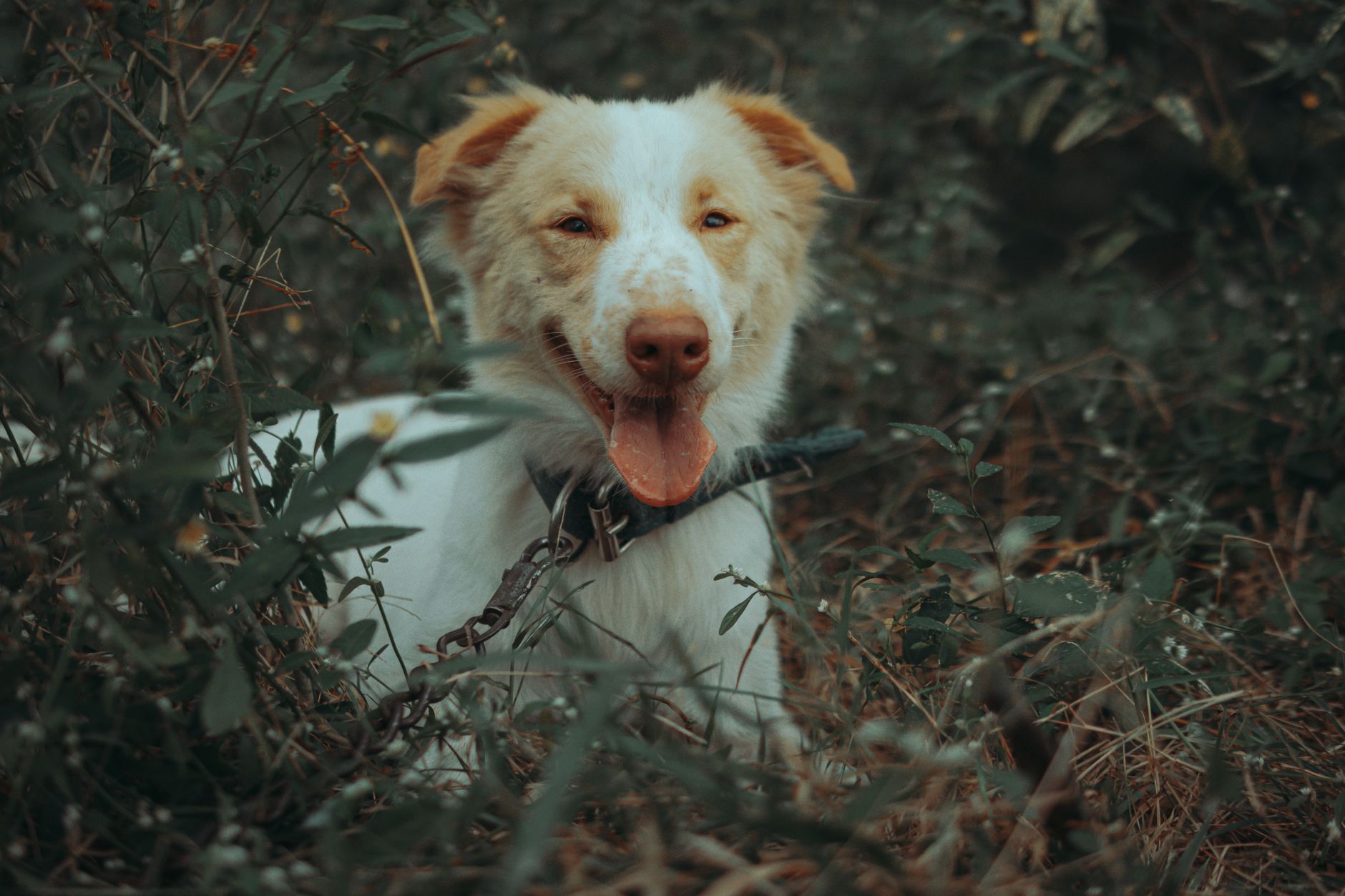
The manifestation of “weird” behavior varies from dog to dog. It’s crucial to be observant and identify any changes in your dog’s normal behavior. Here are some common signs:
- Increased Clinginess: Following you everywhere, excessive licking, or demanding constant attention.
- Anxiety and Restlessness: Pacing, panting, whining, or trembling.
- Changes in Appetite: Loss of appetite or, conversely, increased hunger.
- Sleep Disturbances: Difficulty sleeping, restlessness, or changes in sleep patterns.
- Aggression or Irritability: Snapping, growling, or becoming easily agitated, especially when approached or touched.
- Destructive Behavior: Chewing, digging, or scratching, even if they don’t normally exhibit these behaviors.
- Elimination Issues: Accidents inside the house, even if they are normally house-trained.
- Excessive Barking: Barking more frequently or at unusual triggers.
Practical Strategies for Helping Your Dog Adjust
Helping your dog adjust to your post-surgery condition requires patience, understanding, and proactive intervention.
- Maintain Routine as Much as Possible: Even if you can’t perform all the activities yourself, enlist the help of a family member, friend, or professional dog walker to maintain your dog’s feeding, walking, and playtime schedule.
- Create a Calming Environment: Provide your dog with a safe and comfortable space where they can retreat when feeling overwhelmed. This could be their crate, bed, or a quiet corner.
- Use Calming Aids: Consider using calming aids such as pheromone diffusers (e.g., Adaptil), calming supplements (containing ingredients like L-theanine or chamomile), or anxiety vests (e.g., ThunderShirt). Always consult with your veterinarian before using any new supplements or medications.
- Provide Mental Stimulation: Keep your dog mentally stimulated with puzzle toys, interactive games, or short training sessions. This can help distract them from their anxiety and provide a sense of normalcy.
- Offer Extra Attention and Affection (But Don’t Overdo It): While it’s important to reassure your dog, avoid showering them with excessive attention, as this can reinforce their anxious behavior. Provide gentle affection and praise when they are calm and relaxed.
- Consult with Your Veterinarian or a Certified Dog Trainer: If your dog’s behavior is severe or persists for more than a few days, consult with your veterinarian to rule out any underlying medical conditions and discuss potential treatment options. A certified dog trainer can also provide guidance on managing anxiety and modifying behavior.
Knowing When to Seek Professional Help
While most dogs will adjust to your post-surgery condition within a few days or weeks, some may require professional intervention. Seek veterinary or behavioral assistance if you observe the following:
- Severe Anxiety: Excessive panting, trembling, hiding, or attempts to escape.
- Aggression: Snapping, growling, or biting.
- Self-Harm: Excessive licking, chewing, or scratching that leads to skin lesions.
- Prolonged Loss of Appetite: Refusal to eat for more than 24 hours.
- Significant Changes in Elimination Habits: Inability to urinate or defecate, or frequent accidents inside the house.
Why is my dog acting weird after my surgery? A Summary Table of Causes and Solutions
| Cause | Solution |
|---|---|
| Sensory Overload | Minimize exposure to strong scents/sounds; create a quiet space |
| Emotional Connection | Manage your own anxiety; reassure your dog without overdoing it |
| Routine Disruption | Maintain routine as much as possible; enlist help |
| Fear of Loss | Provide extra attention and affection; engage in play |
| Underlying Medical Issue | Consult with your veterinarian |

Frequently Asked Questions
Is it normal for my dog to be more clingy after my surgery?
Yes, increased clinginess is a common reaction. Your dog senses your vulnerability and may become more attached to provide comfort and reassurance. This behavior is often driven by anxiety and a desire to stay close to you during a perceived period of instability.
My dog is suddenly barking a lot more. Why is this happening?
Excessive barking can be a sign of anxiety, boredom, or a heightened sense of alertness. Your dog may be more sensitive to external stimuli due to the changes in the household and your altered state. Providing mental stimulation and addressing any underlying anxiety can help reduce barking.
My dog won’t eat after my surgery. What should I do?
Loss of appetite can be caused by stress, medication side effects, or an underlying medical condition. Offer your dog their favorite foods, try hand-feeding them, and consult with your veterinarian to rule out any medical problems. Do not force your dog to eat.
My dog is having accidents in the house, even though he’s house-trained. Why?
Accidents in the house can be a sign of stress, anxiety, or a medical issue. Rule out any medical problems with your veterinarian and consider using positive reinforcement to encourage appropriate elimination habits. Ensure your dog has frequent opportunities to go outside.
Can my medication affect my dog’s behavior?
While your medication itself won’t directly affect your dog, the changes in your behavior and routine caused by the medication can impact your dog. They may be sensing your discomfort or altered state, leading to behavioral changes.
How long will my dog act weird after my surgery?
Most dogs will adjust within a few days to a few weeks. However, some may require more time or professional intervention. If your dog’s behavior persists or worsens, consult with your veterinarian or a certified dog trainer.
Should I crate my dog if they are acting anxious?
If your dog is crate-trained and views their crate as a safe space, crating them can provide comfort and security. However, never force your dog into the crate, as this can increase their anxiety. Ensure the crate is comfortable and filled with familiar items.
What are some natural calming remedies for dogs?
Some natural calming remedies include pheromone diffusers (Adaptil), calming supplements (containing L-theanine or chamomile), and anxiety vests (ThunderShirt). Always consult with your veterinarian before using any new supplements or medications.
Is it possible my dog is just jealous of the attention I’m getting?
While dogs don’t experience jealousy in the same way humans do, they may feel insecure or anxious about changes in the distribution of attention. Ensure your dog continues to receive adequate attention and affection, even while you are recovering.
My dog is trying to lick my incision. Should I let them?
No, you should prevent your dog from licking your incision. Their saliva contains bacteria that can increase the risk of infection. Use an Elizabethan collar (cone) if necessary to prevent them from reaching the incision site.
How can I make my dog feel more secure during my recovery?
Maintain routine as much as possible, provide a calming environment, offer extra attention and affection, and use calming aids if needed. Consistency and reassurance are key to helping your dog feel secure.
Why is my dog acting weird after my surgery even though it’s been weeks?
If behavioral changes persist for weeks, it’s essential to rule out underlying medical conditions in your dog or subtle changes in your own recovery that may be affecting your dog. Continued consultation with a veterinarian or veterinary behaviorist is crucial in such cases.