
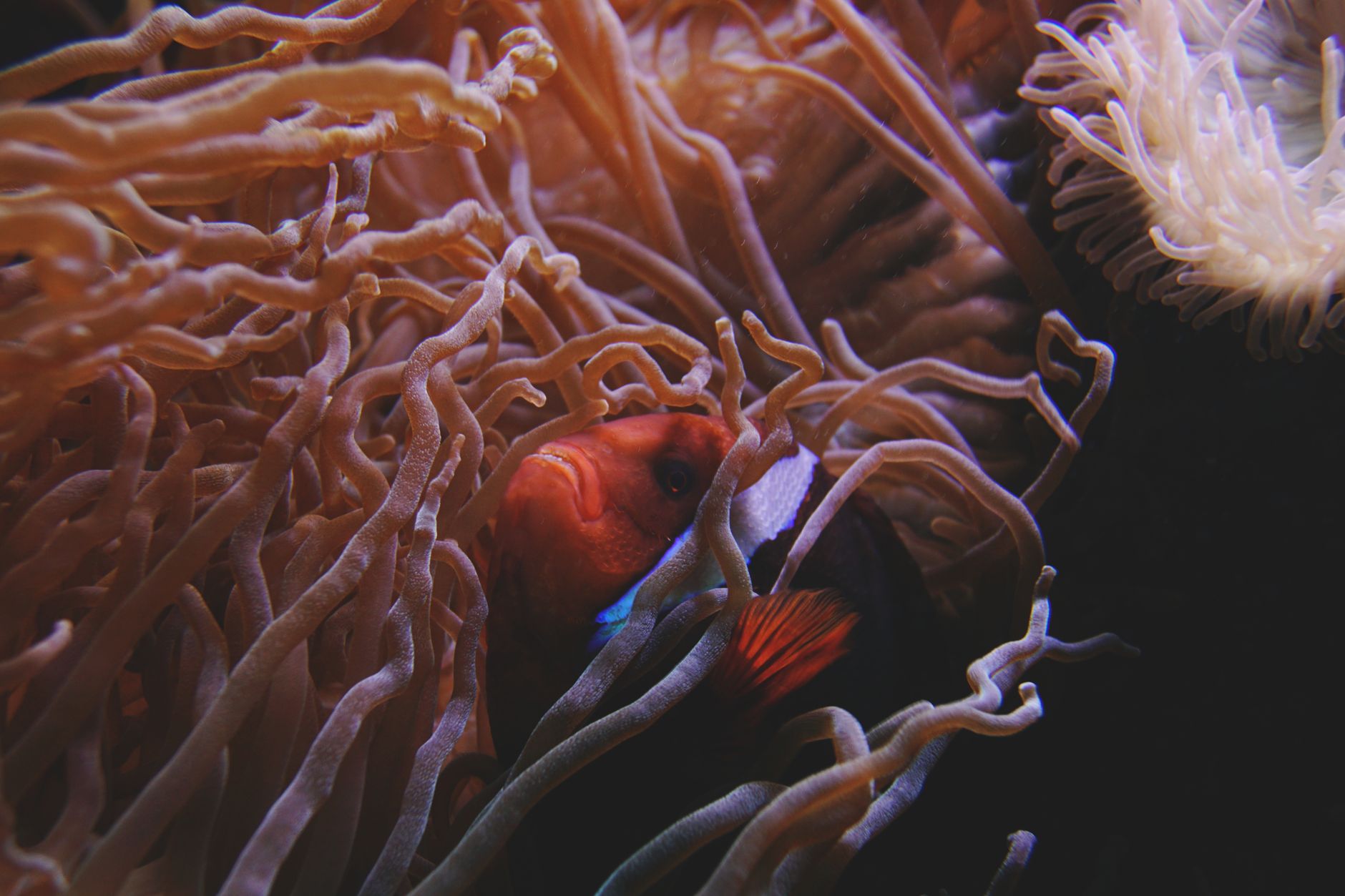
Why is My Clownfish Biting My Anemone? Unraveling the Mystery
Why is my clownfish biting my anemone? This behavior, while seemingly counterintuitive, is often related to the clownfish establishing dominance, cleaning the anemone, stimulating mucus production, or even a temporary displacement of aggression; it isn’t necessarily harmful and can often be a sign of a healthy symbiotic relationship.

Understanding the Clownfish-Anemone Symbiosis
The clownfish and anemone relationship is a classic example of mutualism, where both species benefit. The anemone provides shelter and protection for the clownfish, which is immune to the anemone’s stinging cells. In return, the clownfish defends the anemone from certain predators, helps keep it clean, and can even provide nutrients through its waste. However, this carefully balanced relationship can sometimes appear… abrasive. To properly analyze the unusual behaviour of a clownfish biting its anemone, a closer inspection is required.
Potential Reasons for Anemone Biting

While it might seem like the clownfish is harming its host, there are several explanations for this behavior. It’s crucial to observe the clownfish’s actions and the anemone’s response to determine the underlying cause.
-
Establishing Dominance: Within a group of clownfish in an aquarium, there is a clear social hierarchy. The largest and most aggressive female sits at the top, followed by a male, and then smaller, less dominant individuals. Biting or nipping at the anemone can be a way for a dominant clownfish to assert its position.
-
Anemone Cleaning and Maintenance: Clownfish are known to help keep their host anemone clean by removing parasites, algae, and debris. Sometimes, what appears to be biting is actually the clownfish gently picking at the anemone’s tentacles to remove unwanted materials.
-
Stimulating Mucus Production: The anemone’s mucus layer is crucial for its health and protection. It acts as a barrier against infection and helps to remove waste. Clownfish may gently bite or rub against the anemone to stimulate the production of this protective mucus.
-
Displacement Behavior/Territoriality: If the clownfish is stressed, feeling threatened, or if resources are scarce (like food) in the tank, it can engage in displacement behaviors. Biting the anemone might be a way for the clownfish to release pent-up energy or frustration. This is especially common when introducing new tank mates.
-
Lack of Nutrition: In rare cases, the clownfish may bite at the anemone to try and eat it, if the clownfish is severely underfed and unable to find other food sources.
Distinguishing Between Normal and Problematic Biting
Not all biting is cause for concern. Observe the clownfish’s behavior closely. If the biting is occasional and gentle, and the anemone shows no signs of stress, it’s likely a normal part of their interaction. However, if the biting is frequent, aggressive, and causes the anemone to retract, deflate, or show signs of tissue damage, then it’s a problem that needs to be addressed.
| Characteristic | Normal Biting | Problematic Biting |
|---|---|---|
| Frequency | Occasional | Frequent |
| Intensity | Gentle | Aggressive |
| Anemone Response | No visible stress | Retraction, deflation |
| Tissue Damage | None | Present |
Addressing Problematic Biting
If you suspect that the biting is problematic, there are several steps you can take:
-
Increase Feeding: Ensure your clownfish are getting enough food. Offer a varied diet of high-quality flake food, frozen food, and live food.
-
Reduce Stress: Identify and eliminate any potential stressors in the tank, such as aggressive tank mates, poor water quality, or inadequate lighting.
-
Provide More Hiding Places: Give the clownfish more hiding places, such as rocks or caves, to reduce stress and territorial disputes.
-
Monitor Water Quality: Regularly test your aquarium water to ensure it is within the proper parameters. Poor water quality can stress both the clownfish and the anemone.
-
Consider Re-homing: In extreme cases, if the biting persists despite your best efforts, you may need to consider re-homing either the clownfish or the anemone.
The Importance of Observation
Ultimately, understanding why is my clownfish biting my anemone? boils down to careful observation. Pay attention to the frequency, intensity, and context of the biting, as well as the anemone’s response. By understanding the nuances of their interaction, you can ensure the health and well-being of both species. Remember, it is critical to identify if the anemone or the clownfish is under stress.

Frequently Asked Questions (FAQs)
Why is My Clownfish Suddenly Biting My Anemone After Weeks of Peaceful Coexistence?
Sudden changes in behavior can be attributed to several factors. It could be a change in the clownfish’s social dynamics, perhaps due to maturation, or environmental stressors such as a change in water parameters, the addition of new tankmates, or even something as simple as a change in lighting. Keep a close eye on water conditions and look for any other changes in the tank.
Is it Normal for a Newly Introduced Clownfish to Bite an Anemone?
Yes, it’s quite common. A new clownfish needs to acclimate to its new home, and this may involve a period of “testing” the anemone. This biting helps them to develop immunity to the anemone’s sting. This initial biting is typically not harmful and should subside as the clownfish settles in.
Can An Anemone Be Hurt by a Clownfish Biting it?
While most biting is harmless, persistent and aggressive biting can definitely damage an anemone. This can lead to tissue damage, infection, and even death. If you observe signs of stress in the anemone, like retraction or deflation, you need to address the biting behavior.
My Clownfish is Biting the Base of the Anemone, Is This Normal?
Biting at the base is less common but can still occur. It might be related to cleaning debris or algae from the base. However, frequent or aggressive biting at the base is cause for concern and could indicate territoriality or stress. Monitor this behavior closely and check for signs of damage to the anemone’s base.
How Can I Tell if My Anemone is Stressed by the Biting?
Signs of stress in an anemone include retraction of the tentacles, deflation of the body, discoloration, and excessive mucus production. It might also stop extending its tentacles fully. Any of these signs warrant investigation and action to reduce the stress.
Should I Separate the Clownfish and Anemone if the Biting is Too Aggressive?
Separation is a last resort, but sometimes necessary. If you’ve tried other solutions, such as increasing feeding, reducing stress, and improving water quality, and the biting persists and is causing significant harm to the anemone, then temporarily separating them can give the anemone time to recover.
Does the Type of Anemone Matter When it Comes to Biting?
Yes, some anemone species are more delicate than others. For example, bubble-tip anemones are generally more robust than carpet anemones. A delicate anemone is more susceptible to damage from biting. Research the specific needs of your anemone species and monitor it carefully.
Could the Biting Indicate the Anemone is Sick or Dying?
While unlikely, it’s possible. A sick or dying anemone might release chemicals that trigger unusual behavior in the clownfish. However, it’s more probable that the biting is a separate issue; investigate the anemone’s overall health. Check water parameters, and look for signs of disease.
Is It Possible My Clownfish is Not Actually Biting, But Just Nuzzling?
Yes, this is a crucial distinction. Clownfish often nuzzle or rub against the anemone, which is part of establishing their symbiotic relationship. Nuzzling is gentle and doesn’t cause any harm, whereas biting is more deliberate and can be aggressive.
How Often Should I Feed My Clownfish to Prevent Biting?
Feeding frequency depends on the age and size of the clownfish. Generally, feeding them 1-2 times per day with a high-quality food is sufficient. Make sure they are getting enough food to satisfy their needs. Overfeeding, however, can be detrimental to water quality.
Will a Second Anemone Stop the Biting?
Introducing a second anemone is not always a reliable solution. It could potentially alleviate the biting by spreading the clownfish’s attention. However, it could also lead to territorial disputes between the anemones themselves. Proceed with caution and ensure you have enough space and resources.
Is there anything else I can do?
Besides the above, observing your tank regularly is important. Ensure your filter is working properly, and your water parameters are ideal. Consider adding a protein skimmer to your tank. Finally, give your tank regular maintenance as directed by your local fish store. This may include a partial water change or a filter cartridge replacement. These steps can go a long way to ensuring that both the anemone and the clownfish are healthy.