
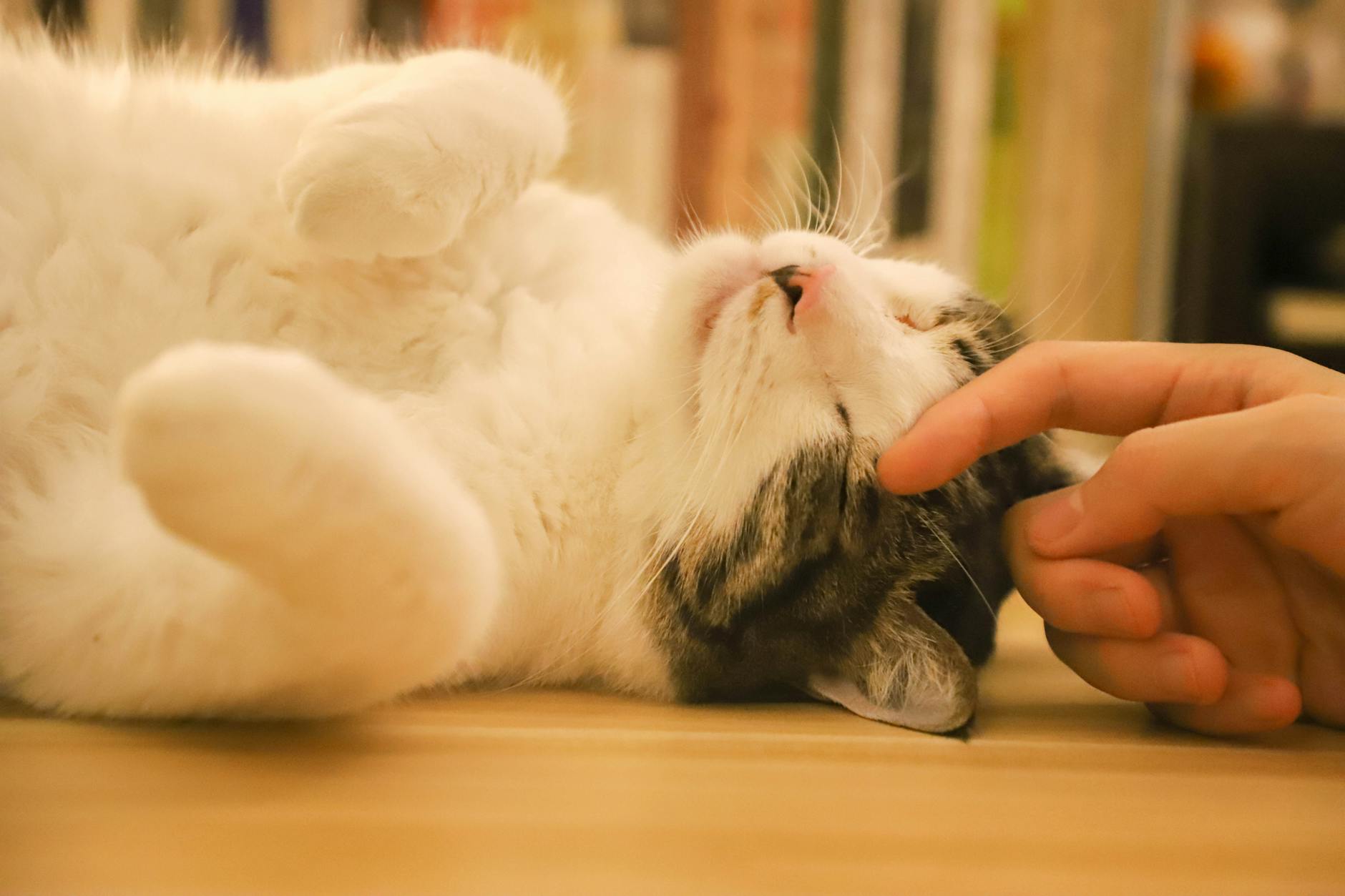
Why Is My Cat Purring So Much Next to Me? Unveiling the Secrets
Why is my cat purring so much next to me? Cats purr for a variety of reasons, ranging from contentment and seeking attention to self-soothing and even indicating illness, so excessive purring could signal heightened emotions or underlying health concerns.
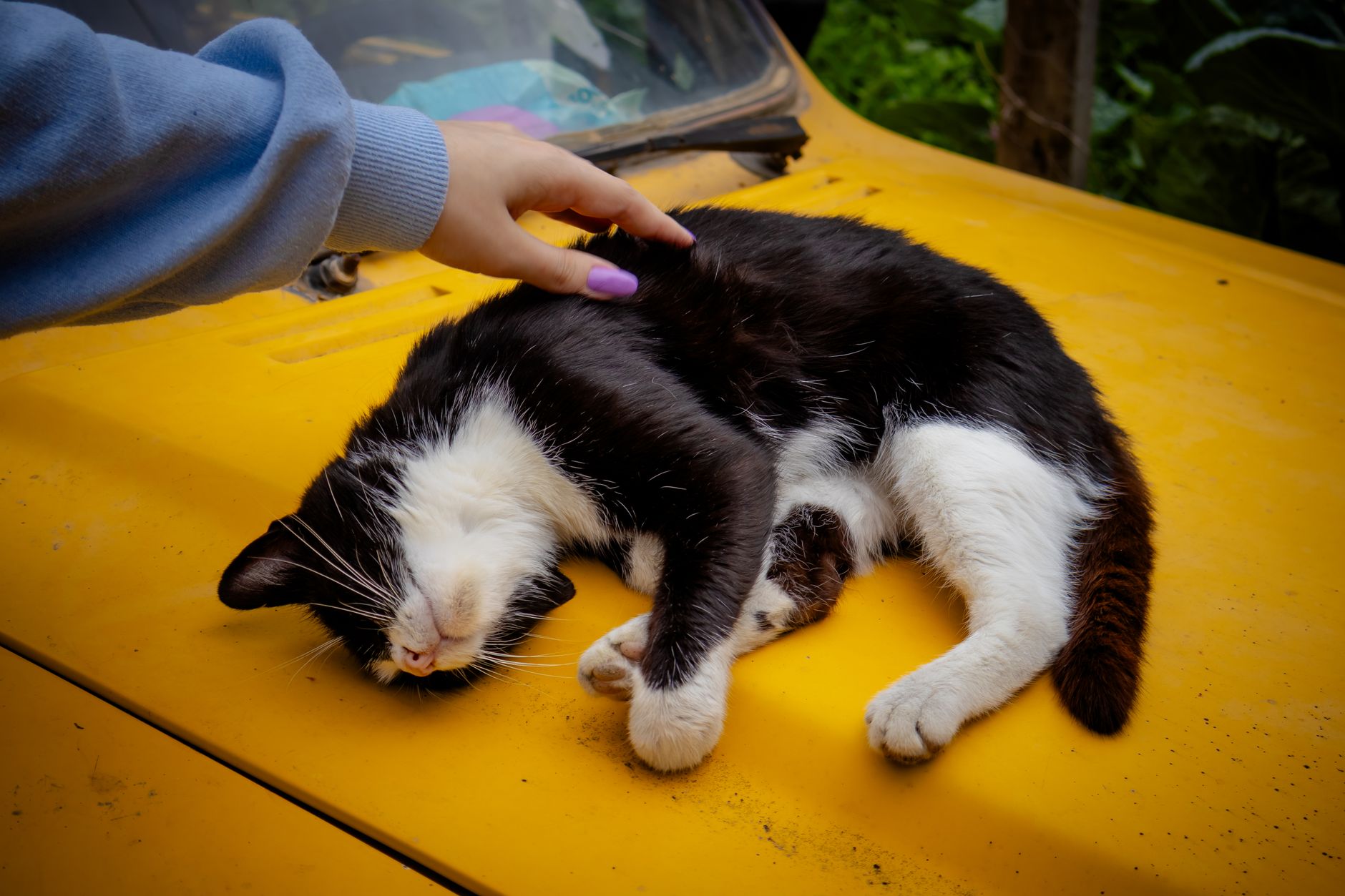
Introduction: Decoding the Purr
The sound of a cat’s purr is one of the most comforting noises in the world. But why is my cat purring so much next to me? This seemingly simple question has complex answers rooted in feline behavior, physiology, and even a little bit of mystery. We delve into the myriad reasons behind this fascinating phenomenon, separating fact from fiction and providing insights into what your cat might be trying to tell you. Understanding your cat’s purrs helps strengthen your bond and ensures their well-being.
The Science Behind the Purr

Contrary to popular belief, the precise mechanism of purring wasn’t entirely understood until relatively recently. The leading theory involves the laryngeal muscles and the hyoid bone.
- Electrical signals from the brain cause these muscles to constrict and relax rapidly.
- This movement vibrates the vocal cords.
- The vibrations create the characteristic purring sound.
It’s important to note that while most domestic cats purr, not all feline species can. Big cats like lions and tigers can roar, but they lack the necessary anatomical structures for consistent purring. Some smaller wild cats, like the cheetah, can purr.
Reasons for Purring: More Than Just Happiness
While a purr often indicates contentment, it’s crucial to remember that purring doesn’t always equate to happiness. Cats purr for various reasons:
- Contentment and Pleasure: This is the most common association. Cats often purr when being petted, enjoying a comfortable spot, or feeling relaxed and secure.
- Seeking Attention: Sometimes, a cat will purr to attract your attention, especially when they are hungry or want to play.
- Self-Soothing and Healing: Remarkably, cats also purr when they are in pain, stressed, or injured. The vibrations are believed to have therapeutic effects, promoting healing and reducing pain. This is due to low-frequency vibrations affecting muscle growth and repair.
- Bonding and Communication: Kittens purr to communicate with their mothers, signaling that they are present and well. Adult cats may purr to strengthen bonds with humans or other animals.
- Hunger (especially in kittens): Kittens often purr to signal to their mother that they are hungry.
Distinguishing Between Purrs: Context is Key
Since purring can indicate various emotional states, understanding the context is essential. Observe your cat’s body language alongside the purr:
- Relaxed posture, slow blinks, and kneading: These signs usually accompany a content purr.
- Ears forward, tail twitching, and demanding meows: These may indicate the cat is purring to get your attention.
- Hunched posture, hiding, and loss of appetite: These could suggest the cat is purring as a self-soothing mechanism due to pain or discomfort.
Is Excessive Purring a Cause for Concern?
Why is my cat purring so much next to me? If your cat’s purring is noticeably more frequent or intense than usual, especially if accompanied by other behavioral or physical changes, it’s worth investigating further. Constant purring could be a sign of:
- Pain or discomfort: As mentioned before, cats purr to soothe themselves. Increased purring might indicate a chronic condition or injury.
- Anxiety or stress: Changes in the environment, new pets, or loud noises can trigger stress-related purring.
- Underlying medical conditions: In rare cases, excessive purring may be associated with certain medical conditions such as hyperthyroidism. Consult with a veterinarian if you’re concerned.
Addressing Excessive Purring
If you suspect your cat’s excessive purring is due to something other than contentment, here are some steps you can take:
- Observe your cat carefully: Pay attention to their body language, appetite, litter box habits, and any other unusual behaviors.
- Provide a safe and comfortable environment: Ensure your cat has access to a quiet, secure space where they can retreat if feeling stressed.
- Enrich their environment: Offer toys, scratching posts, and opportunities for play and exploration.
- Consult with your veterinarian: If you’re concerned about your cat’s health, schedule a check-up to rule out any underlying medical issues.
The Power of Purring: Benefits for Humans
Interestingly, research suggests that being around a purring cat can also be beneficial for humans. The frequency of a cat’s purr (typically between 25 and 150 Hz) is believed to have therapeutic effects, including:
- Lowering stress and anxiety levels
- Reducing blood pressure
- Promoting bone healing
- Improving cardiovascular health
So, next time your cat is purring next to you, take a moment to appreciate the comfort and potential health benefits it brings.
Understanding Context
The most important piece to understanding why is my cat purring so much next to me is simply understanding the context. Is the cat seeking food, in discomfort, or simply relaxing? If the behavior becomes noticeably different, that warrants a closer look at your cat’s overall health and lifestyle.

Frequently Asked Questions (FAQs)
Is purring always a sign that my cat is happy?
No, purring doesn’t always indicate happiness. While contentment is a common reason for purring, cats also purr when they are in pain, stressed, or seeking attention. Pay attention to your cat’s body language and the surrounding circumstances to get a better understanding of what they are trying to communicate.
Can kittens purr from birth?
Kittens can purr from very early age, usually within a few days of birth. This helps them communicate with their mother, signaling that they are present and well. The purr also encourages the mother cat to nurture and care for her offspring.
Why does my cat purr when I pet them?
Purring when petted is a common sign of contentment. Your cat likely enjoys the physical affection and feels safe and secure in your presence. They may also be reinforcing the bond between you two.
Does my cat only purr for me?
Cats can purr for other animals and even inanimate objects, although it is less common. They might purr when near another cat they are bonded with, or even when rubbing against a favorite blanket.
Can I tell if my cat is purring due to pain?
It can be challenging, but there are clues. If your cat is purring excessively and exhibiting other signs of discomfort such as a hunched posture, hiding, loss of appetite, or reluctance to move, it’s more likely that they are purring to self-soothe due to pain. In these cases, a veterinary check-up is essential.
What does it mean if my cat is purring very loudly?
A loud purr can indicate a particularly strong emotional response, whether it’s extreme contentment or significant distress. However, some cats naturally purr louder than others. Consider the context and other behavioral cues to determine the cause.
Should I be concerned if my cat suddenly stops purring?
A sudden cessation of purring could be a sign of illness or distress. If your cat typically purrs frequently and suddenly stops, it’s worth monitoring them closely for other symptoms and consulting with a veterinarian if you have concerns.
Is there a difference between male and female cats’ purrs?
There is no significant difference in the sound or frequency of purrs based on a cat’s sex. The reason for purring and its loudness may vary.
Does my cat purr to manipulate me?
While cats are capable of learning how to get what they want, purring is generally a natural behavior rather than a calculated manipulation tactic. It’s more likely that your cat has learned that purring elicits a positive response from you.
How can I help my cat if they are purring due to anxiety?
Create a calm and predictable environment for your cat. Provide them with a safe and comfortable space where they can retreat when feeling stressed. Offer plenty of attention, play, and enrichment. You might also consider using pheromone diffusers, such as Feliway, to help reduce anxiety.
Are there any medical reasons for excessive purring?
Hyperthyroidism is one medical condition that can cause excessive purring, as it increases a cat’s metabolism and can make them feel restless and anxious. It’s essential to rule out any underlying medical issues through a veterinary examination.
Why is my cat purring so much next to me at night?
Why is my cat purring so much next to me at night? Your cat may be purring to seek warmth, security, and companionship. Cats are often more affectionate at night, and they may be trying to reinforce their bond with you as you both settle down to sleep. Alternatively, your cat could be hungry.