

Why is my Cat Obese But Not Eating a Lot?
The paradox of an overweight cat seemingly eating little food can be confusing; however, the answer often lies in hidden calories, metabolic changes, and lifestyle factors. Why is my cat obese but not eating a lot? The reasons are multifaceted and require careful investigation.
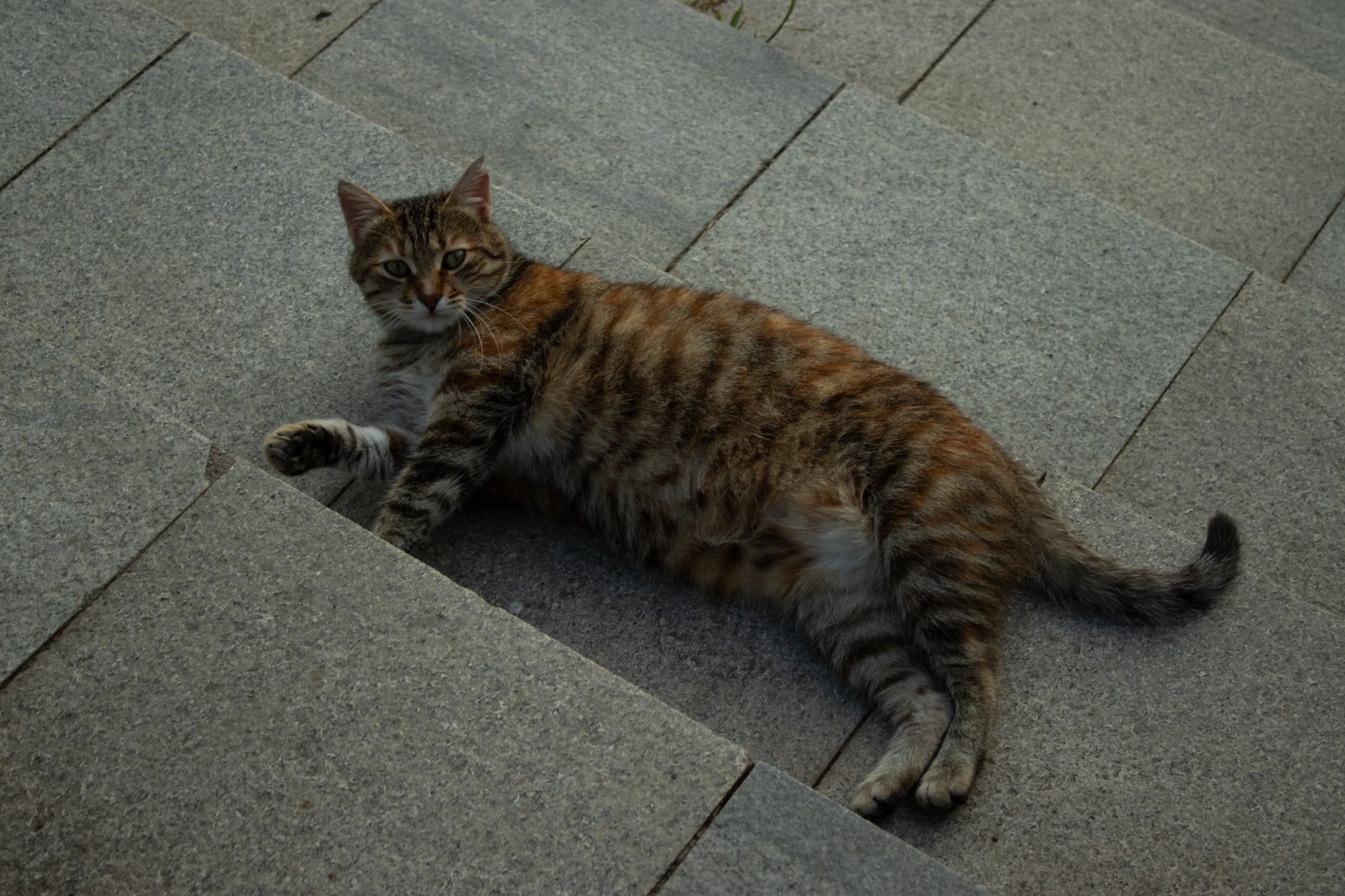
Understanding the Paradox of Feline Obesity
Obesity in cats is a growing concern, impacting their health and lifespan. It might seem counterintuitive to observe an obese cat with a seemingly small appetite. However, understanding the underlying factors contributing to this situation is crucial for effective weight management.
Hidden Calories: The Silent Culprit

One of the most common reasons why your cat is obese but not eating a lot is the presence of hidden calories in their diet. These calories can come from various sources:
- Treats: Even small treats, when given frequently, can significantly contribute to overall caloric intake. Many commercially available cat treats are high in calories and low in nutritional value.
- Table scraps: Sharing human food with your cat is often a recipe for weight gain. Human food is typically much higher in calories, fat, and sodium than cat food.
- Multiple feeders: If you have multiple cats, it’s possible that one cat is consuming more food than you realize, even if they don’t appear to be eating much at any given time. Monitor feeding behavior closely.
- High-calorie food: Some cat foods are denser in calories than others. Switching to a lower-calorie formula can make a difference, even if the volume of food remains the same.
The Role of Metabolism and Age
As cats age, their metabolism naturally slows down. This means they burn fewer calories, and the same amount of food can lead to weight gain. Additionally, neutered or spayed cats often have a lower metabolic rate and require fewer calories than intact cats. Hormonal changes can influence appetite and fat storage.
Inactivity and Sedentary Lifestyle
A lack of physical activity is a major contributor to feline obesity. Indoor cats, in particular, are prone to a sedentary lifestyle. Without sufficient exercise, cats burn fewer calories, leading to weight gain even with a moderate food intake.
- Lack of environmental enrichment: A boring environment can lead to boredom eating. Provide toys, scratching posts, and climbing opportunities to encourage activity.
- Limited playtime: Engage your cat in regular playtime sessions using interactive toys like wands, lasers (with caution), and puzzle feeders.
- Indoor confinement: While keeping cats indoors protects them from many dangers, it also limits their natural hunting and exploring behaviors. Consider providing a safe outdoor enclosure (catio) or taking your cat for supervised walks on a leash.
Underlying Medical Conditions
In some cases, weight gain despite a seemingly low food intake can be a symptom of an underlying medical condition. While less common, it’s important to rule out medical causes with your veterinarian.
- Hypothyroidism: Though rare in cats, hypothyroidism can lead to a decreased metabolic rate and weight gain.
- Cushing’s disease: This hormonal disorder can also cause weight gain, increased appetite, and other symptoms.
- Medications: Certain medications, such as corticosteroids, can increase appetite and promote weight gain.
The Importance of Accurate Portion Control
Even if you believe you’re feeding your cat a small amount, it’s crucial to accurately measure their food. Eyeballing portions can lead to overfeeding. Use a measuring cup to ensure you’re providing the correct amount based on your cat’s ideal weight and activity level.

Strategies for Managing Feline Obesity
Addressing feline obesity requires a multifaceted approach:
- Veterinary Consultation: The first step is always to consult with your veterinarian to rule out any underlying medical conditions and develop a personalized weight management plan.
- Dietary Changes: Switch to a high-protein, low-carbohydrate food formulated for weight loss. Your veterinarian can recommend a suitable diet.
- Portion Control: Strictly adhere to the recommended feeding guidelines and accurately measure portions.
- Increased Activity: Encourage exercise through playtime, environmental enrichment, and exploration.
- Eliminate Treats and Table Scraps: Focus on providing all necessary nutrients through their regular food.
- Slow Feeders: Use puzzle feeders or slow-feeding bowls to encourage slower eating and prevent overconsumption.
Comparison of Caloric Content (Example)
| Food Type | Calories per Cup (Approximate) |
|---|---|
| Standard Dry Food | 350-450 |
| Weight Management Dry Food | 280-350 |
| High-Calorie Treats | Varies Widely |
Frequently Asked Questions (FAQs)
Why is my cat obsessed with food even when overweight?
Cats can be obsessed with food even when overweight due to learned behaviors, genetics, or underlying medical conditions. If they were previously food-insecure (e.g., rescued from a stray situation), they might have a persistent anxiety about food availability. Consult your vet to rule out medical factors.
Is it safe to suddenly reduce my cat’s food intake to help them lose weight?
No, it’s not safe to suddenly reduce your cat’s food intake. Rapid weight loss can lead to a serious liver condition called hepatic lipidosis, which can be life-threatening. Always consult with your veterinarian to develop a gradual and safe weight loss plan.
What are the best types of toys to encourage my cat to exercise?
The best toys for encouraging exercise include interactive toys like wands with feathers or ribbons, laser pointers (used safely and responsibly), and puzzle feeders that require your cat to work for their food. Rotating toys regularly keeps them engaged and interested.
How much weight should my cat lose per week?
The ideal weight loss rate for cats is generally considered to be 0.5% to 2% of their body weight per week. This gradual approach helps prevent health complications like hepatic lipidosis.
Are dry or wet food better for weight loss in cats?
Both dry and wet food can be suitable for weight loss, depending on the cat. Wet food often has a higher water content, which can help with satiety, while some dry food formulas are specifically designed for weight management. Discuss with your veterinarian to determine the best option for your cat’s individual needs.
How can I prevent my cat from begging for food all the time?
To prevent begging, establish a consistent feeding schedule and avoid giving in to their demands. Ignore their begging behavior and avoid making eye contact. Ensure they are getting enough mental and physical stimulation to reduce boredom-related food seeking. Puzzle feeders can also help with this.
Why does my cat eat small amounts frequently throughout the day?
Cats are naturally grazers and often prefer to eat small meals throughout the day rather than one or two large meals. If they have access to food at all times (free-feeding), they may eat small amounts frequently.
Can stress or anxiety contribute to my cat’s obesity?
Yes, stress and anxiety can contribute to obesity in some cats. Some cats may overeat as a coping mechanism when they are feeling stressed or anxious. Identifying and addressing the source of stress is important for their overall well-being.
What are the long-term health risks associated with feline obesity?
The long-term health risks of feline obesity include diabetes, arthritis, heart disease, liver disease, and a reduced lifespan. Maintaining a healthy weight is essential for preventing these complications.
How can I tell if my cat is overweight or just has a larger build?
You can assess your cat’s body condition by feeling their ribs and spine. You should be able to feel their ribs with a slight covering of fat. If you can’t feel their ribs or spine, they are likely overweight. Also, observe their waistline from above; a healthy cat should have a visible waist. Consult your veterinarian for a professional assessment.
What role do genetics play in feline obesity?
While environmental factors are the primary drivers of feline obesity, genetics can play a role. Some breeds may be predisposed to weight gain. However, diet and lifestyle remain the most significant factors influencing weight.
Why is my cat obese but not eating a lot compared to my other cats?
Individual cats have different metabolic rates, activity levels, and appetite regulation. Even with similar diets, some cats may be more prone to weight gain than others. This is often a matter of individual physiology. Always feed each cat individually and monitor their intake.