

Why is my Cat Not Responding When I Call Her? Understanding Feline Selective Hearing
Understanding why your cat is not responding when you call her requires exploring various factors ranging from hearing loss and medical conditions to selective attention and training deficiencies. The most common reasons include age-related hearing decline, distraction, lack of consistent training, or simply that your cat isn’t feeling particularly sociable.

Understanding Feline Communication and Responsiveness
Cats are fascinating creatures with communication styles quite different from humans and dogs. While we might expect a dog to bound over at our beck and call, a cat’s response is often more nuanced, governed by a complex interplay of instinct, experience, and current mood. Understanding this is the first step to deciphering why is my cat not responding when I call her.
Possible Medical Reasons for a Lack of Response
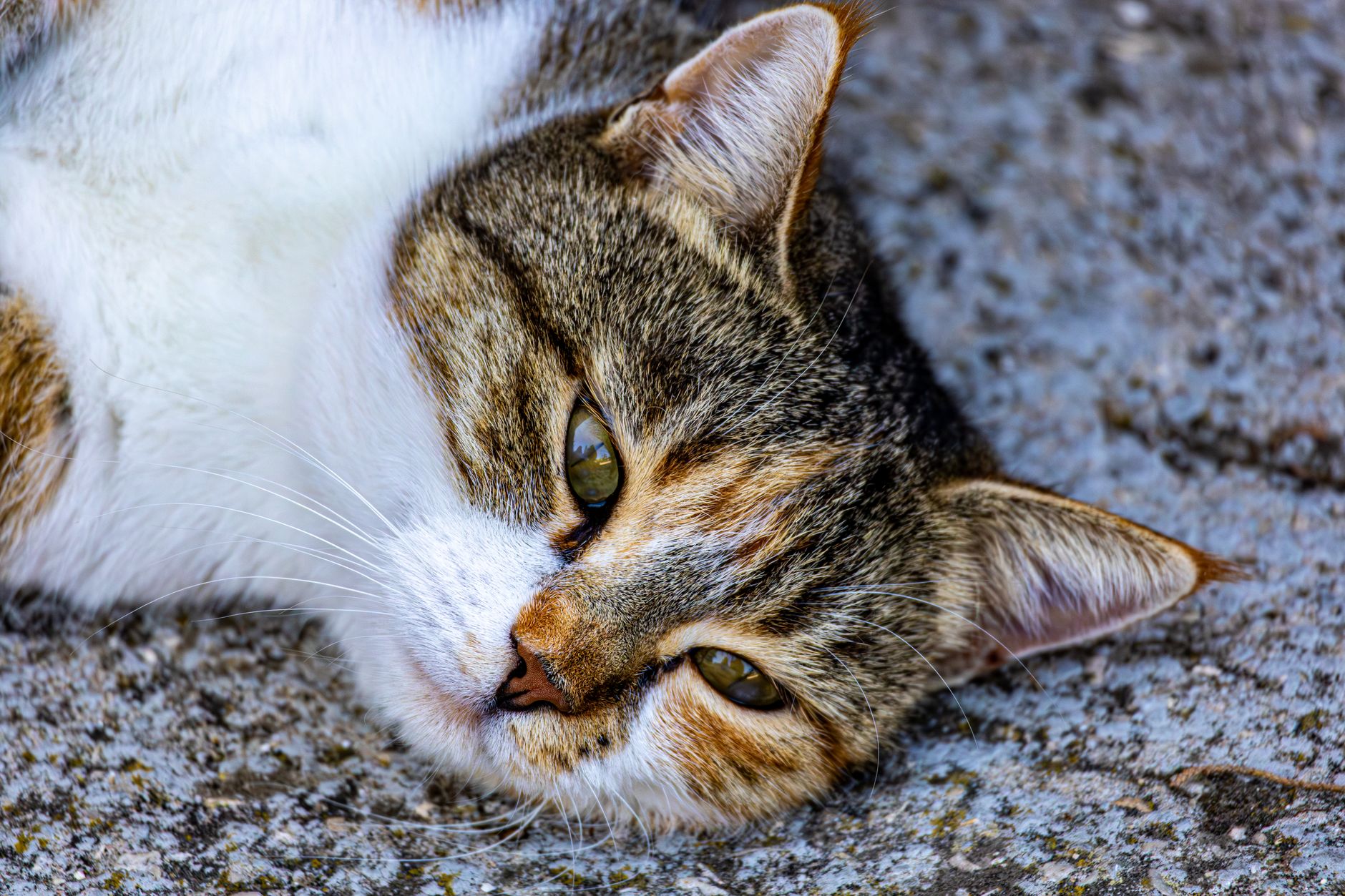
Before jumping to conclusions about your cat’s training or personality, it’s crucial to consider potential medical causes for their lack of response.
- Hearing Loss: Just like humans, cats can experience hearing loss as they age. This is especially common in white cats with blue eyes.
- Ear Infections: Infections can cause temporary or permanent hearing loss, pain, and discomfort, leading to decreased responsiveness.
- Neurological Issues: In rare cases, neurological problems can affect a cat’s ability to process sound and respond appropriately.
If you suspect a medical issue, a visit to your veterinarian is essential. They can perform a thorough examination to rule out any underlying health problems.
The Role of Training and Association
Even without medical issues, the association a cat has with its name significantly impacts its responsiveness. Positive reinforcement training can be a powerful tool in shaping a cat’s behavior.
- Positive Reinforcement: Consistently rewarding your cat with treats, praise, or affection when they respond to their name creates a positive association.
- Consistency: Use the same tone and pronunciation of their name every time you call them. Inconsistency can confuse them.
- Avoid Negative Associations: Never use your cat’s name when scolding or disciplining them. This can create a negative association, making them less likely to respond.
If your cat associates their name with good things, they are far more likely to respond when called. The question, “Why is my cat not responding when I call her?” might simply be answered with: She doesn’t think it’s worth her time!
Environmental Factors and Distractions
A cat’s responsiveness can also be influenced by their surroundings.
- Distractions: A noisy environment or the presence of intriguing stimuli (birds outside the window, a new toy) can easily distract a cat.
- Comfort and Security: If a cat feels threatened or uncomfortable, they may be less likely to respond, even if they hear you.
- Attention Span: Cats have relatively short attention spans. If you call them repeatedly without a clear purpose, they may tune you out.
Minimize distractions and ensure your cat feels safe and comfortable in their environment to improve their responsiveness.
The “Selective Hearing” Phenomenon: Is it Real?
While cats aren’t necessarily deaf, they are masters of selective hearing. They are more likely to respond to sounds they deem important or rewarding. The reason why is my cat not responding when I call her could be due to their inherent feline independence and prioritization of stimuli.
Consider this table illustrating potential response motivation:
| Motivation | Likelihood of Response |
|---|---|
| Food/Treats | High |
| Play/Attention | Medium to High |
| No Apparent Reward | Low |
| Perceived Threat | Very Low |
Mastering the Art of the Cat Call: Techniques for Improved Response
Improving your cat’s responsiveness requires patience, consistency, and an understanding of feline psychology.
- Use a Positive and Engaging Tone: Avoid a harsh or demanding tone. Instead, use a cheerful and inviting voice.
- Keep Calls Short and Sweet: A quick, clear “Here, [Cat’s Name]!” is more effective than a long, drawn-out call.
- Incorporate Visual Cues: Pair your verbal call with a visual cue, such as waving a favorite toy or shaking a treat bag.
- Practice in Quiet Environments: Start training in a quiet room with minimal distractions.
- Gradually Increase Distance: Once your cat consistently responds in a quiet environment, gradually increase the distance.
By implementing these techniques, you can increase the likelihood that your cat will respond when called.
Understanding Breed Predispositions to Responsiveness
While individual personality plays a significant role, certain cat breeds may be more naturally inclined to be responsive than others. For example, Siamese and Burmese cats are known for being vocal and affectionate, while Persians are often more aloof and independent.
Managing Expectations: Embracing Feline Independence
Ultimately, it’s important to manage your expectations. Cats are not dogs, and they will never be as consistently obedient. Embrace their independence and appreciate their unique personalities. Remember, why is my cat not responding when I call her can sometimes simply boil down to: because she doesn’t want to!

Frequently Asked Questions
Why does my cat respond sometimes but not others?
Your cat’s responsiveness can vary depending on their mood, energy levels, and the presence of distractions. They might be more responsive when they are hungry or bored than when they are already engaged in another activity. Consistency is key in helping them understand what you expect.
Is it possible my cat is ignoring me on purpose?
Yes, cats are known for their selective hearing. They might be perfectly aware that you are calling them, but they choose not to respond because they are not interested in what you have to offer or are simply feeling independent.
What if my cat only responds to food-related calls?
This is common. Cats often associate food with positive experiences. Try broadening your training to include other rewards, such as playtime or affection, to encourage responsiveness to other calls. Gradually reduce reliance on food treats to avoid overfeeding.
How do I know if my cat has hearing loss?
Signs of hearing loss include not reacting to loud noises, sleeping more soundly, and becoming more vocal than usual. Consult your veterinarian for a hearing test if you suspect hearing loss.
What is the best way to train my cat to come when called?
Use positive reinforcement. Call your cat’s name in a cheerful voice and immediately offer a treat or praise when they come to you. Repeat this process consistently. Keep training sessions short and fun.
My cat used to respond, but now she doesn’t. What changed?
Several factors could contribute to this, including age-related hearing loss, changes in their environment, or a negative association with being called. Try to identify any potential stressors or negative experiences that might be affecting their behavior.
Should I punish my cat for not responding?
Never punish your cat for not responding. This will only create a negative association with you and make them even less likely to respond in the future.
Is there a specific age when cats start to lose their hearing?
Hearing loss can occur at any age, but it is more common in older cats. Certain breeds, like white cats with blue eyes, are also more prone to congenital deafness.
Can I use a clicker to train my cat to come when called?
Yes, clicker training can be very effective. Pair the click with a treat when your cat comes to you after hearing their name. The clicker becomes a signal that they have done something right.
What are some signs that my cat is feeling stressed or anxious?
Signs of stress include hiding, changes in appetite, excessive grooming, and aggression. A stressed cat is less likely to respond to your calls.
How can I make my cat feel more secure in their environment?
Provide them with plenty of safe hiding places, such as cat trees or covered beds. Ensure they have access to fresh food, water, and a clean litter box. Minimize loud noises and sudden changes in the environment.
Why do some cats respond better to whistles or other sounds than their names?
Cats have sensitive hearing and may respond better to high-pitched sounds or whistles, especially if they are not used to hearing their name. These alternative sounds might also be novel and intriguing, capturing their attention more effectively than a familiar name. If so, consider pairing the whistle (or other chosen sound) with their name during training, using positive reinforcement to ensure consistency.