

Why is My Cat Making Weird Noises After Surgery? Understanding Post-Operative Vocalizations
Why is my cat making weird noises after surgery? Post-operative vocalizations in cats, ranging from meows to growls, are often a temporary side effect of anesthesia, pain, disorientation, or underlying medical complications; understanding the potential causes helps ensure your feline friend receives the best possible care.
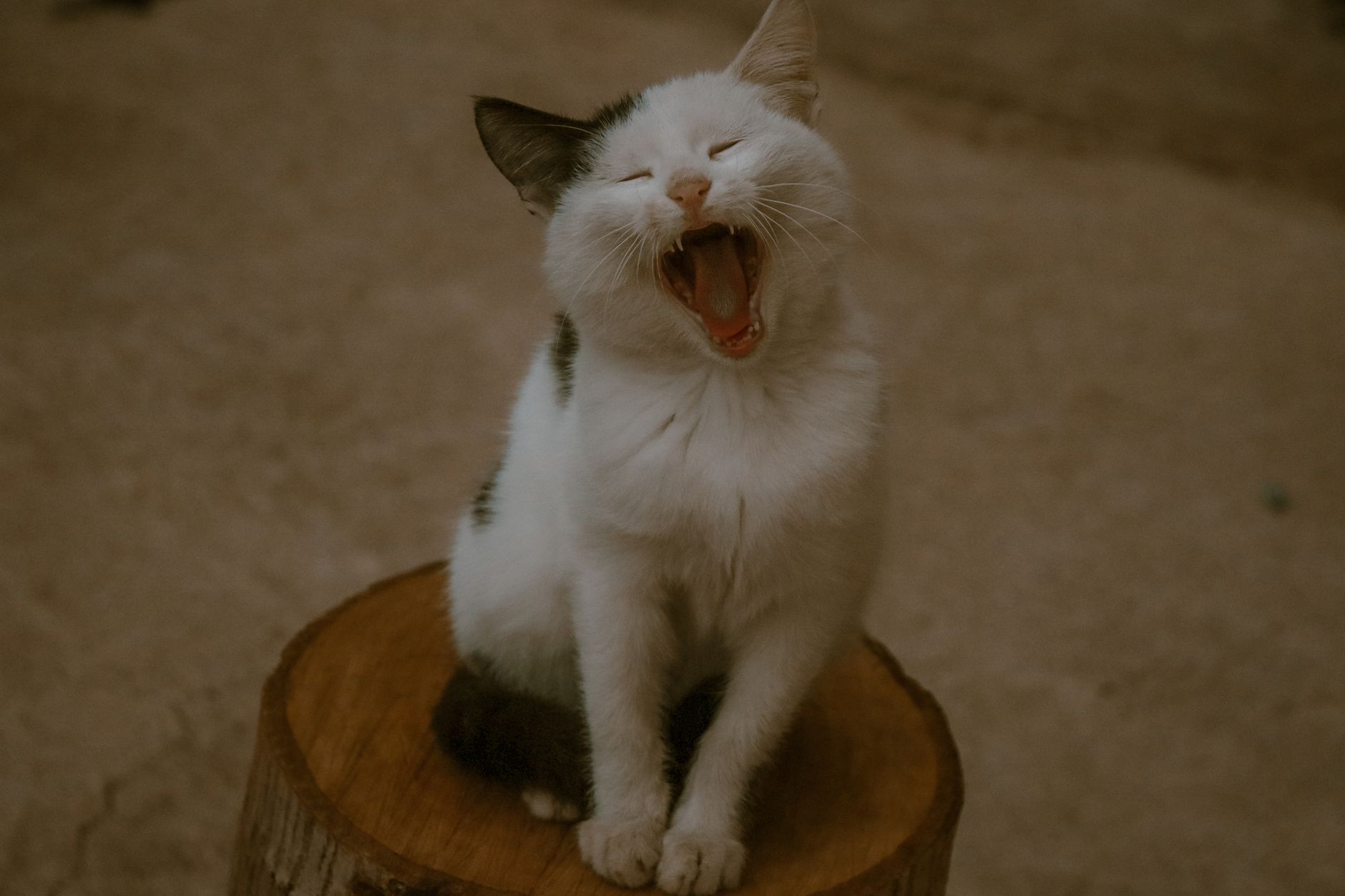
Introduction: The Silent Companion and Sudden Symphony
Bringing your cat home after surgery can be a relief, but it can also be alarming if they suddenly start exhibiting unusual vocalizations. Cats are often perceived as stoic creatures, so any change in their typical behavior, especially weird noises after a medical procedure, warrants attention. While some post-operative vocalization is normal, it’s crucial to distinguish between benign reactions and signs of a more serious problem. Knowing why is my cat making weird noises after surgery? empowers you to advocate for their well-being.
Anesthesia’s Lingering Effects

One of the most common reasons for post-operative vocalization is the lingering effect of anesthesia. Anesthetics can affect a cat’s cognitive function and motor control, leading to disorientation, confusion, and unusual behaviors, including vocalizations.
- Disorientation: Your cat might not recognize its surroundings, leading to anxiety and meowing.
- Hypersensitivity: Anesthesia can sometimes temporarily increase sensitivity to sounds and touch, causing a cat to react more intensely to normal stimuli.
- Delayed Elimination: The drugs can also affect bladder control, and the cat may vocalize its discomfort and frustration.
Pain Management and Vocalization
Pain is another significant contributor to post-operative weird noises. Even with pain medication, cats can experience discomfort after surgery.
- Meowing or Crying: These are common indicators of pain, especially when accompanied by other signs like reluctance to move or touch the surgical site.
- Growling or Hissing: A cat might growl or hiss if touched near the incision, even if you’re trying to help.
Always administer prescribed pain medication as directed by your veterinarian. If you suspect your cat is in significant pain, contact your vet immediately for further instructions.
Disorientation and Confusion
As mentioned earlier, disorientation is a frequent side effect of anesthesia. This confusion can manifest in various ways, including vocalizations.
- Wandering and Meowing: Your cat might wander aimlessly around the house, meowing incessantly as if searching for something.
- Difficulty Recognizing You: They may act fearful or aggressive towards familiar people or pets.
- Altered Sleep Patterns: Post-operative disorientation can disrupt a cat’s normal sleep schedule.
Underlying Medical Complications
Although less common, medical complications can also contribute to post-operative vocalization.
- Infection: Infection at the surgical site can cause pain and discomfort, leading to increased vocalization.
- Adverse Drug Reactions: In rare cases, a cat may experience an adverse reaction to anesthesia or pain medication.
- Internal Bleeding: Internal bleeding, although rare, can cause pain and discomfort.
- Surgical Complications: If the surgery didn’t go as planned, your cat may be experiencing new or untreated symptoms.
When to Worry: Identifying Red Flags
While some post-operative vocalization is normal, it’s essential to know when to be concerned. Here are some red flags that warrant immediate veterinary attention:
- Excessive or Persistent Vocalization: If the vocalization is constant and doesn’t improve after a few days.
- Panting or Difficulty Breathing: These are signs of respiratory distress.
- Lethargy or Weakness: If your cat is extremely lethargic or unable to stand.
- Loss of Appetite or Vomiting: These could indicate underlying complications.
- Swelling or Discharge at the Incision Site: These are signs of infection.
- Aggression: Unexpected aggression can indicate pain or disorientation.
- Seizures: If your cat experiences seizures.
Creating a Comfortable Recovery Environment
Providing a comfortable and supportive environment can help minimize post-operative vocalization.
- Quiet and Calm Space: Create a quiet, dimly lit area where your cat can rest undisturbed.
- Soft Bedding: Provide soft, comfortable bedding to minimize pressure on the surgical site.
- Easy Access to Food and Water: Ensure your cat has easy access to fresh food and water.
- Litter Box Nearby: Place the litter box close to the resting area to minimize movement.
- Pheromone Diffusers: Consider using pheromone diffusers (like Feliway) to help reduce anxiety.
Monitoring Your Cat’s Recovery
Regular monitoring is crucial to ensure your cat’s recovery progresses smoothly.
- Incision Site: Check the incision site daily for signs of infection (redness, swelling, discharge).
- Appetite and Water Intake: Monitor your cat’s appetite and water intake.
- Elimination Habits: Observe your cat’s urination and defecation habits.
- Behavior: Note any changes in behavior, such as increased vocalization or lethargy.
- Medication Adherence: Make sure you are administering medications as prescribed and at the correct dosage.
Understanding the Different Types of Vocalization
Cats exhibit a variety of vocalizations, each with its own meaning. Understanding these differences can help you determine the underlying cause of your cat’s weird noises.
| Vocalization | Possible Meaning |
|---|---|
| Meowing | Pain, hunger, attention-seeking, disorientation |
| Hissing | Fear, aggression, pain |
| Growling | Fear, aggression, pain |
| Purring | Comfort, contentment, sometimes pain relief |
| Crying | Pain, distress, anxiety |
| Yowling | Disorientation, confusion, pain |
Frequently Asked Questions (FAQs)
Why is my cat making weird noises after surgery immediately after waking up?
The weird noises immediately after waking are most likely due to the lingering effects of anesthesia. The cat may be disoriented and confused, resulting in vocalizations like meowing or crying. This usually subsides as the anesthesia wears off.
How long should I expect my cat to make weird noises after surgery?
The duration of post-operative vocalization varies depending on the cat, the type of surgery, and the anesthetic used. Generally, you can expect vocalization to decrease within 24-48 hours. If it persists beyond that, consult your veterinarian.
What can I do to soothe my cat if they are making weird noises and seem distressed?
First, ensure your cat has a quiet and comfortable space to recover. Offer soft bedding, easy access to food and water, and a nearby litter box. Speak to your cat in a calming voice, and gently pet them if they allow it. A pheromone diffuser can also help reduce anxiety. Avoid forcing affection or interaction.
Should I be worried if my cat is purring and also making other noises after surgery?
Purring is often associated with contentment, but cats can also purr when they are in pain or feeling anxious. If your cat is purring and making other noises, such as meowing or crying, it’s important to assess the overall situation and consider whether your cat is experiencing discomfort. If there are concerning signs, consult with your veterinarian.
Can pain medication cause my cat to make weird noises after surgery?
While pain medication is designed to reduce pain, it can sometimes cause side effects that lead to unusual vocalizations. Some medications may cause disorientation or gastrointestinal upset, which could result in meowing or crying. If you suspect the pain medication is causing the problem, contact your veterinarian.
What kind of noises are considered “weird” after surgery?
The definition of “weird” is subjective, but generally, it refers to any vocalization that is not typical for your cat. This may include excessive meowing, crying, howling, growling, or hissing. The specific type of noise, its frequency, and the accompanying behaviors provide the most information to distinguish normal and abnormal.
My cat is eating and drinking normally but still making weird noises. Is this normal?
Even if your cat is eating and drinking normally, they can still be experiencing pain or discomfort that prompts them to make noises. Eating and drinking can be involuntary responses to biological need, so it’s not always the best indicator of comfort. The noises may be a signal of something else happening internally that is causing them pain or distress, and consultation with a vet is always best.
Could my cat be making weird noises because they are bored or lonely after surgery?
While boredom or loneliness can contribute to vocalization, it’s less likely immediately after surgery. Pain, disorientation, and discomfort are the more probable causes. However, after a few days, if your cat is recovering well and still vocalizing, enrichment activities might help.
What if my cat is making weird noises only when I try to touch the surgical site?
This is a clear indication that your cat is experiencing pain or discomfort at the surgical site. Avoid touching the area, and contact your veterinarian to discuss pain management options. Touching should be avoided until the cat is completely healed.
How soon after surgery should I contact my veterinarian if my cat is making weird noises?
If the weird noises are excessive, persistent (beyond 48 hours), or accompanied by other concerning signs (e.g., lethargy, loss of appetite, difficulty breathing), contact your veterinarian immediately. A quick call can determine if a check-up is necessary.
My cat seems to be hallucinating and making weird noises. Is this possible after surgery?
Although not common, hallucinations can occur as a rare side effect of anesthesia or certain medications. If you suspect your cat is hallucinating, contact your veterinarian immediately. Stopping the medication might be necessary to alleviate their symptoms.
Why is my cat making weird noises after surgery months later?
If the weird noises start months after surgery, it’s unlikely to be directly related to the procedure itself. It could be related to the original condition or be indicative of a new health issue unrelated to the surgery. Contact your veterinarian for a thorough examination to rule out any underlying medical conditions. An examination might be needed to determine the actual problem.