

Why Is My Cat Holding Her Paw Up? Understanding Feline Paw Elevation
Your cat holding her paw up can signal a variety of issues, ranging from minor irritations to serious injuries. This behavior often indicates pain, discomfort, or an attempt to protect a sensitive area. It’s crucial to carefully observe your cat and seek veterinary attention if the paw elevation persists or is accompanied by other concerning symptoms.

Introduction: Deciphering Your Cat’s Body Language
Cats are masters of disguise when it comes to pain, often masking discomfort until it becomes unbearable. Observing subtle changes in their behavior is key to identifying potential health problems early. One such behavior is holding a paw up, also known as paw elevation. While seemingly innocuous, this action is a significant indicator that something is amiss. Understanding the potential causes behind this behavior allows you to take the appropriate steps to ensure your feline friend receives the necessary care. This article will delve into the various reasons why is my cat holding her paw up?, providing valuable insights and practical advice for cat owners.
Potential Causes of Paw Elevation
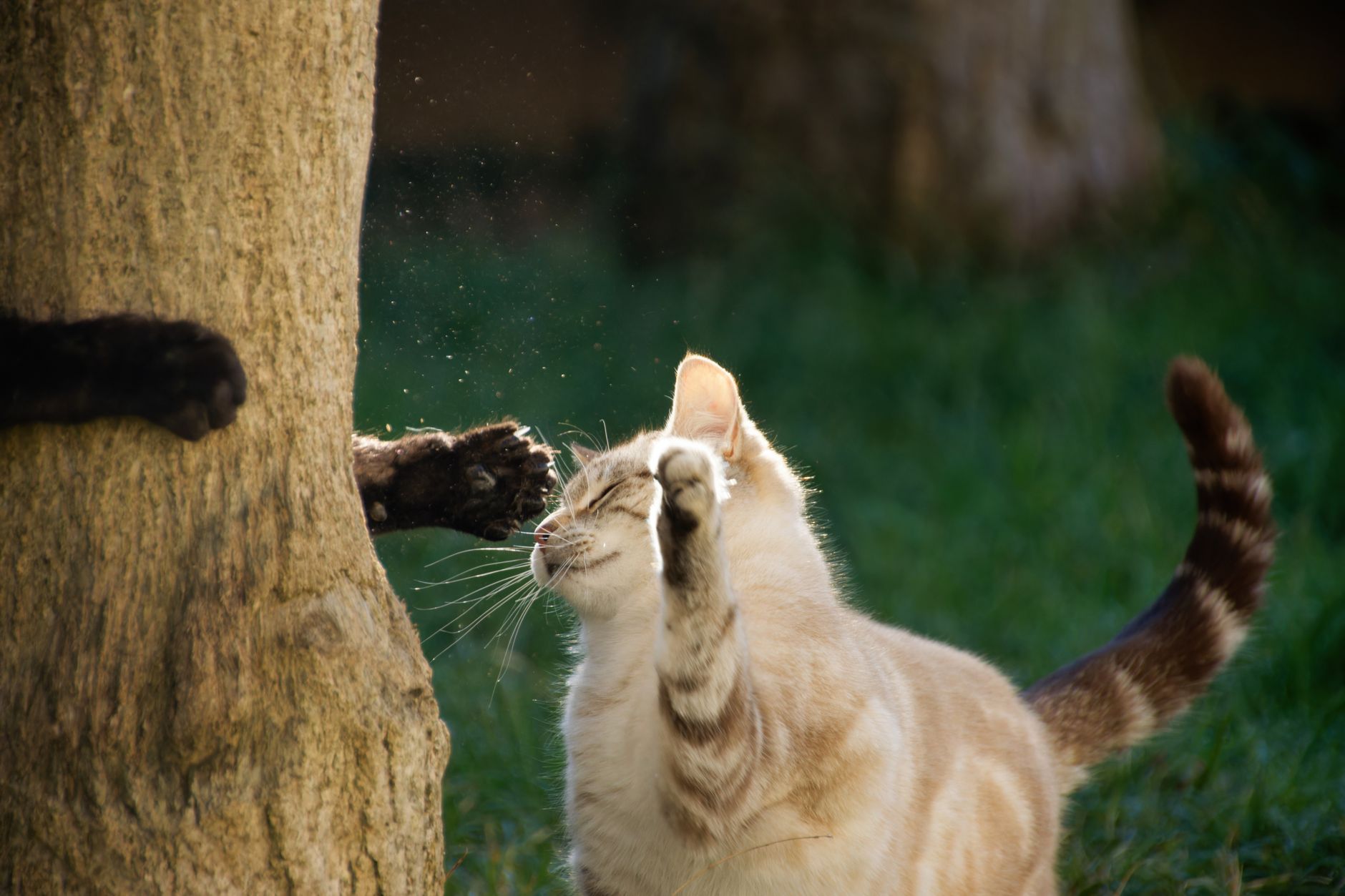
Several factors can contribute to a cat holding its paw up. Identifying the specific cause requires careful observation and, in many cases, a veterinary examination.
- Injury: This is the most common reason for paw elevation. The injury could be a cut, puncture wound, fracture, sprain, or even a dislocated toe. Even minor injuries can cause significant discomfort.
- Foreign Object: A thorn, splinter, piece of glass, or other foreign object lodged in the paw pad or between the toes can cause intense pain and trigger paw elevation.
- Infection: Bacterial or fungal infections in the paw can lead to inflammation, swelling, and pain, prompting the cat to lift the affected paw.
- Abscess: An abscess, a pocket of pus caused by a bacterial infection, can form in the paw, causing significant pain and pressure.
- Arthritis: In older cats, arthritis can affect the joints in the paws, causing chronic pain and stiffness. This can lead to intermittent paw elevation.
- Nerve Damage: Although less common, nerve damage in the paw can cause pain or a strange sensation that leads to the cat holding its paw up.
- Allergies: Allergic reactions can cause skin irritation and inflammation in the paws, leading to discomfort and paw elevation.
- Tumors: Although rare, tumors in the paw can cause pain and swelling, resulting in paw elevation.
- Burn or Chemical Irritation: Contact with hot surfaces or irritating chemicals can damage the paw pads, leading to pain and paw elevation.
- Pansteatitis (Yellow Fat Disease): While less common, this disease characterized by inflammation of the body fat, can cause pain and affect mobility.
- Claw Problems: Ingrown claws or infected nail beds can be extremely painful and cause a cat to hold its paw up.
Diagnosing the Cause of Paw Elevation
A thorough diagnosis involves several steps:
- Observation: Carefully observe your cat’s behavior, including when and how often they are holding their paw up. Note any other accompanying symptoms, such as limping, licking at the paw, swelling, redness, or changes in appetite or litter box habits.
- Physical Examination: Gently examine the affected paw. Look for any signs of injury, foreign objects, swelling, redness, or discharge. Palpate the paw carefully to identify any areas of pain or sensitivity.
- Veterinary Consultation: If you are unable to identify the cause of the paw elevation or if your cat seems to be in significant pain, it is crucial to consult a veterinarian.
- Diagnostic Testing: The veterinarian may recommend diagnostic tests, such as X-rays, blood tests, or skin scrapings, to help determine the underlying cause.
Treatment Options
Treatment will depend on the underlying cause of the paw elevation.
- Foreign Object Removal: If a foreign object is present, the veterinarian will carefully remove it and clean the wound.
- Wound Care: Wounds may require cleaning, bandaging, and antibiotics to prevent infection.
- Pain Management: Pain medication may be prescribed to alleviate discomfort.
- Antibiotics or Antifungals: Infections are treated with appropriate antibiotics or antifungal medications.
- Arthritis Management: Arthritis management may include pain medication, joint supplements, and lifestyle modifications.
- Surgery: In some cases, surgery may be necessary to address fractures, abscesses, or tumors.
- Allergy Management: Allergy management may involve dietary changes, medication, and environmental modifications.
Preventive Measures
While it’s impossible to prevent all causes of paw elevation, certain measures can reduce the risk:
- Regular Paw Checks: Regularly inspect your cat’s paws for any signs of injury or foreign objects.
- Indoor Environment Safety: Keep your home free of sharp objects and potential hazards.
- Proper Nail Care: Trim your cat’s nails regularly to prevent ingrown claws.
- Weight Management: Maintaining a healthy weight can reduce the risk of arthritis.
- Monitor Outdoor Access: If your cat goes outdoors, supervise their activities to minimize the risk of injury.
Why is my cat holding her paw up? A Comprehensive Look
In summary, a cat holding its paw up is usually a sign of pain or discomfort in the paw. Addressing the underlying cause is crucial for your cat’s well-being. Consulting with a veterinarian is recommended.

Frequently Asked Questions (FAQs)
What should I do immediately if I notice my cat holding her paw up?
First, carefully observe your cat for any other signs of distress, such as limping, excessive licking, or changes in behavior. Gently examine the affected paw for any obvious injuries, foreign objects, or swelling. If you find anything, attempt to remove it carefully if it’s easily accessible. If you are unable to identify the cause or if your cat seems to be in significant pain, contact your veterinarian immediately.
Can a cat hide pain well?
Yes, cats are notorious for hiding pain. This is an evolutionary adaptation to avoid appearing vulnerable to predators. Therefore, even if your cat seems relatively normal, it’s important to take paw elevation seriously, especially if it persists for more than a few hours. Subtle changes in behavior can be key indicators of underlying pain.
What are some signs that indicate a serious problem requiring immediate veterinary attention?
Signs that warrant immediate veterinary attention include: significant limping, open wounds, bleeding, swelling, redness, discharge, difficulty breathing, loss of appetite, lethargy, vocalization (hissing or growling) when the paw is touched, or any other concerning symptoms. Ignoring these signs can lead to serious complications.
How can I safely examine my cat’s paw if she’s resistant to being touched?
Approach your cat calmly and gently. Speak in a soothing voice. If possible, have someone assist you by gently restraining the cat. Start by touching other parts of the body before moving to the affected paw. If your cat becomes agitated or aggressive, stop immediately and contact your veterinarian. They may be able to examine the paw under sedation.
Is it possible that my cat is just faking it for attention?
While it’s rare, some cats may exhibit attention-seeking behaviors. However, it’s always best to err on the side of caution and rule out any underlying medical conditions first. Consult with your veterinarian to determine if the paw elevation is due to a medical issue or a behavioral problem.
What are some common causes of paw injuries in cats?
Common causes of paw injuries include: stepping on sharp objects (glass, thorns, nails), fights with other animals (bites and scratches), burns from hot surfaces, chemical irritants, and traumatic injuries (falls, being hit by a car). Being aware of these potential dangers can help you prevent injuries.
How often should I trim my cat’s nails?
The frequency of nail trimming depends on your cat’s lifestyle and nail growth rate. Indoor cats typically need their nails trimmed every 2-3 weeks. Outdoor cats may need less frequent trimming, as their nails wear down naturally through scratching. Regular nail trimming can prevent ingrown claws and other nail-related problems.
What are some natural remedies I can use to soothe my cat’s sore paw?
While natural remedies may provide temporary relief, they should not replace veterinary care. Consult with your veterinarian before using any natural remedies. Some options include: Epsom salt soaks (for minor inflammation), warm compresses, and aloe vera gel (for minor burns).
How can I prevent my cat from licking or chewing at her paw?
Excessive licking or chewing can worsen the underlying problem and increase the risk of infection. An Elizabethan collar (cone) can prevent your cat from reaching her paw. Your veterinarian may also recommend a bitter apple spray or other topical deterrent.
Can allergies cause my cat to hold her paw up?
Yes, allergies can cause skin irritation and inflammation in the paws, leading to discomfort and paw elevation. Food allergies are a common culprit. Talk with your veterinarian to determine if your cat has allergies, and what management techniques will work best.
My cat is older. Could it be arthritis?
Yes, arthritis is a common condition in older cats and can cause pain and stiffness in the joints of the paws. This can lead to intermittent paw elevation. Veterinary intervention can make your cat more comfortable.
Why is my cat holding her paw up, but only sometimes?
Intermittent paw elevation can be due to a variety of factors, including mild or intermittent pain, early stages of arthritis, or a foreign object that is only causing discomfort periodically. Keep a detailed record of when it happens, so you can provide this info to your vet.