

Why Is My Cat Acting Like He’s Drunk? Understanding Feline Ataxia
Why is my cat acting like he’s drunk? Incoordination, stumbling, and disorientation in cats, often resembling drunkenness, usually indicates a neurological issue called ataxia, which can stem from various underlying causes ranging from inner ear infections to serious brain trauma. Prompt veterinary attention is crucial to determine the cause and implement appropriate treatment.

Decoding Feline Ataxia: More Than Just Stumbling
Witnessing your cat suddenly behaving as if intoxicated can be alarming. The unsteadiness, disorientation, and loss of coordination are hallmarks of ataxia, a condition that affects the nervous system’s ability to regulate movement. While the term evokes images of human intoxication, the causes in cats are distinctly different and require careful evaluation. Why is my cat acting like he’s drunk? The answer is rarely, if ever, because they’ve actually consumed alcohol. It’s far more likely to be a medical issue.
Types of Ataxia in Cats
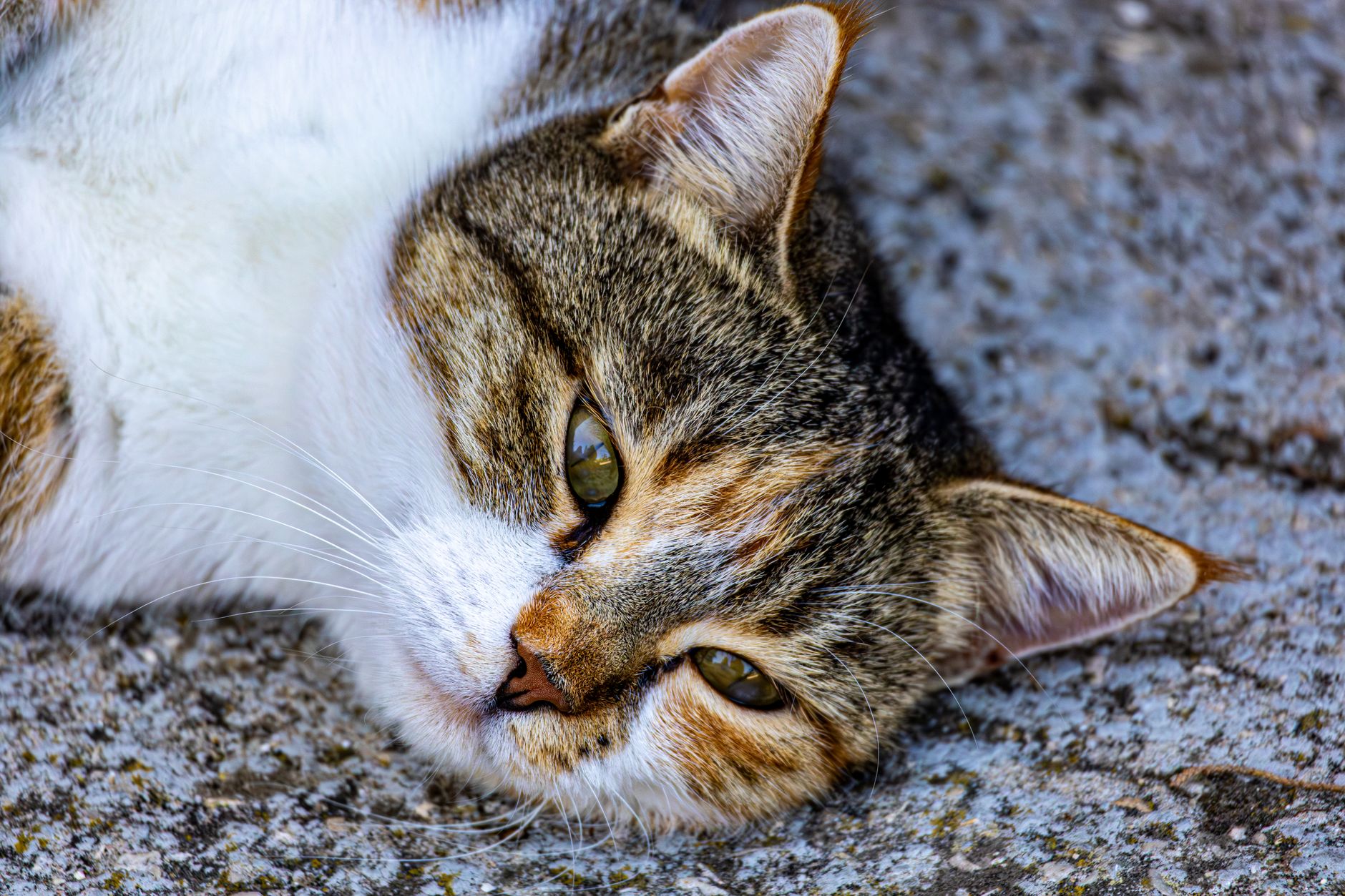
Ataxia manifests in different forms, each hinting at the location and nature of the underlying problem:
-
Cerebellar Ataxia: This type stems from damage or malformation of the cerebellum, the part of the brain responsible for fine-tuning motor skills and coordination. Cats with cerebellar ataxia often exhibit exaggerated movements, tremors, and a wide-based stance.
-
Vestibular Ataxia: This involves the vestibular system, located in the inner ear and brainstem, which controls balance and spatial orientation. Affected cats may tilt their heads, circle, experience nystagmus (rapid eye movements), and have difficulty maintaining their balance.
-
Sensory Ataxia: Arising from issues with the spinal cord or peripheral nerves, this type results in a loss of awareness of limb position (proprioception). Cats with sensory ataxia may drag their paws, have difficulty placing their feet correctly, and appear uncoordinated.
Potential Causes: From Infections to Injuries
Several factors can contribute to a cat exhibiting symptoms of ataxia:
-
Inner Ear Infections: Vestibular ataxia is often caused by inner ear infections that disrupt the balance mechanisms.
-
Trauma: Head injuries can damage the brain, particularly the cerebellum, leading to ataxia.
-
Infections: Viral infections like feline infectious peritonitis (FIP) or parasitic infections like toxoplasmosis can affect the nervous system.
-
Tumors: Brain tumors can compress or damage neural tissue, disrupting motor control.
-
Toxins: Exposure to certain toxins, such as lead or insecticides, can cause neurological damage and ataxia.
-
Nutritional Deficiencies: Thiamine deficiency, although rare, can affect neurological function.
-
Cerebellar Hypoplasia: This condition, often seen in kittens, is characterized by an underdeveloped cerebellum, leading to cerebellar ataxia. It’s commonly associated with in utero exposure to the feline panleukopenia virus.
-
Idiopathic Vestibular Disease: In some cases, the cause of vestibular ataxia remains unknown (idiopathic).
Diagnosis and Treatment: A Path to Recovery
Diagnosing the cause of ataxia requires a comprehensive veterinary examination. The vet will likely perform:
-
Neurological Exam: This assesses reflexes, balance, coordination, and sensory perception.
-
Blood Tests: To identify infections, toxins, or organ dysfunction.
-
Urine Analysis: To check for kidney issues or toxins.
-
Imaging (X-rays, CT Scans, MRI): To visualize the brain, inner ear, and spinal cord.
-
Cerebrospinal Fluid (CSF) Analysis: To detect inflammation or infection in the central nervous system.
Treatment depends on the underlying cause. Inner ear infections are treated with antibiotics or antifungals. Trauma may require supportive care and medications to reduce brain swelling. Tumors may be treated with surgery, radiation, or chemotherapy. For idiopathic vestibular disease, supportive care and anti-nausea medications are often prescribed. In some cases, recovery is possible, while in others, cats may learn to adapt to their limitations. The key is a timely diagnosis and appropriate intervention. Why is my cat acting like he’s drunk? A vet is the most important resource for you to answer that question definitively.
Living with an Ataxic Cat: Providing Support and Care
Caring for a cat with ataxia requires patience and understanding. Here are some tips:
- Provide a Safe Environment: Remove hazards that could cause falls or injuries.
- Ensure Easy Access to Resources: Place food, water, and litter boxes within easy reach.
- Consider Low-Sided Litter Boxes: These are easier for cats with mobility issues to use.
- Provide Soft Bedding: To cushion falls and provide comfort.
- Offer Assistance with Grooming: Cats with ataxia may have difficulty grooming themselves.
- Monitor for Complications: Watch for signs of pain, infection, or worsening neurological signs.
- Maintain a Consistent Routine: Predictability can help reduce anxiety.
| Care Aspect | Adaptation | Rationale |
|---|---|---|
| Litter Box | Low-sided, easily accessible | Prevents accidents and strain. |
| Food & Water | Elevated bowls (optional), non-slip mats | Reduces neck strain and prevents spills. |
| Flooring | Non-slip surfaces (rugs, mats) | Provides better traction and reduces the risk of falls. |
| Resting Areas | Soft, padded beds in quiet areas | Offers comfortable and secure resting spots. |
| Grooming | Gentle brushing sessions | Helps maintain hygiene and prevent matting, especially if the cat struggles to groom themselves properly. |

Frequently Asked Questions (FAQs)
Why is My Cat Suddenly Uncoordinated?
Sudden incoordination in cats can be a sign of ataxia, resulting from various underlying causes such as inner ear infections, trauma, or neurological issues. It’s essential to consult a veterinarian promptly for diagnosis and treatment. Ignoring these symptoms can worsen the cat’s condition.
Can Ataxia in Cats Be Cured?
Whether ataxia can be cured depends on the underlying cause. Inner ear infections can often be treated effectively with antibiotics, leading to a full recovery. However, conditions like cerebellar hypoplasia or brain tumors may not be curable, but their symptoms can sometimes be managed with supportive care.
Is Ataxia Painful for Cats?
Ataxia itself isn’t inherently painful, but the underlying cause may be. For example, an inner ear infection can be painful, and a brain tumor can cause headaches. Your veterinarian can assess your cat’s pain level and prescribe appropriate pain management if needed.
How Do I Know If My Cat Has Cerebellar Hypoplasia?
Cerebellar hypoplasia is usually diagnosed in kittens who exhibit uncoordinated movements and tremors from a young age. A veterinarian can confirm the diagnosis based on a neurological examination and, potentially, imaging studies. While there is no cure, many cats with cerebellar hypoplasia can live relatively normal lives with proper care.
What Toxins Can Cause Ataxia in Cats?
Several toxins can cause neurological damage leading to ataxia, including lead, insecticides, antifreeze, and certain medications. If you suspect your cat has been exposed to a toxin, seek immediate veterinary care.
Can Ataxia Be a Sign of a Stroke in Cats?
While less common than in humans, cats can experience strokes, which can cause neurological deficits, including ataxia. If your cat suddenly develops ataxia along with other signs of neurological dysfunction, such as facial drooping or difficulty breathing, it could be a stroke. Immediate veterinary attention is needed.
Is Ataxia Contagious to Other Cats?
Whether ataxia is contagious depends on the underlying cause. For example, if ataxia is caused by a viral infection like FIP, it can potentially be transmitted to other cats. However, if ataxia is caused by trauma or a brain tumor, it is not contagious.
What is Idiopathic Vestibular Disease in Cats?
Idiopathic vestibular disease is a condition where cats develop sudden vestibular ataxia without a known cause. The symptoms can be alarming, but many cats recover within a few days or weeks with supportive care, such as anti-nausea medications and fluid therapy.
Can a Cat with Ataxia Still Live a Good Life?
Yes, many cats with ataxia can live a happy and fulfilling life with proper care and support. By providing a safe environment, easy access to resources, and regular veterinary checkups, you can help your ataxic cat adapt and thrive.
What’s the difference between Ataxia and Vertigo?
While often linked, ataxia is a general term referring to the lack of muscle coordination, while vertigo is the sensation of spinning or dizziness. Vertigo is often a symptom causing ataxia, particularly in vestibular cases.
How Soon Should I Take My Cat to the Vet if They’re Acting Drunk?
Immediately. Any sudden onset of uncoordination, disorientation, or stumbling should be considered a medical emergency. Prompt veterinary attention can improve the chances of a successful diagnosis and treatment.
Can Diet Influence Ataxia in Cats?
While diet cannot cure ataxia, providing a balanced and nutritious diet is essential for overall health and can help support your cat’s recovery. If your cat has a nutritional deficiency, such as thiamine deficiency, your veterinarian can recommend a specific diet or supplement to address the issue.