

Why Does Dry Dog Food Make My Dog So Thirsty?
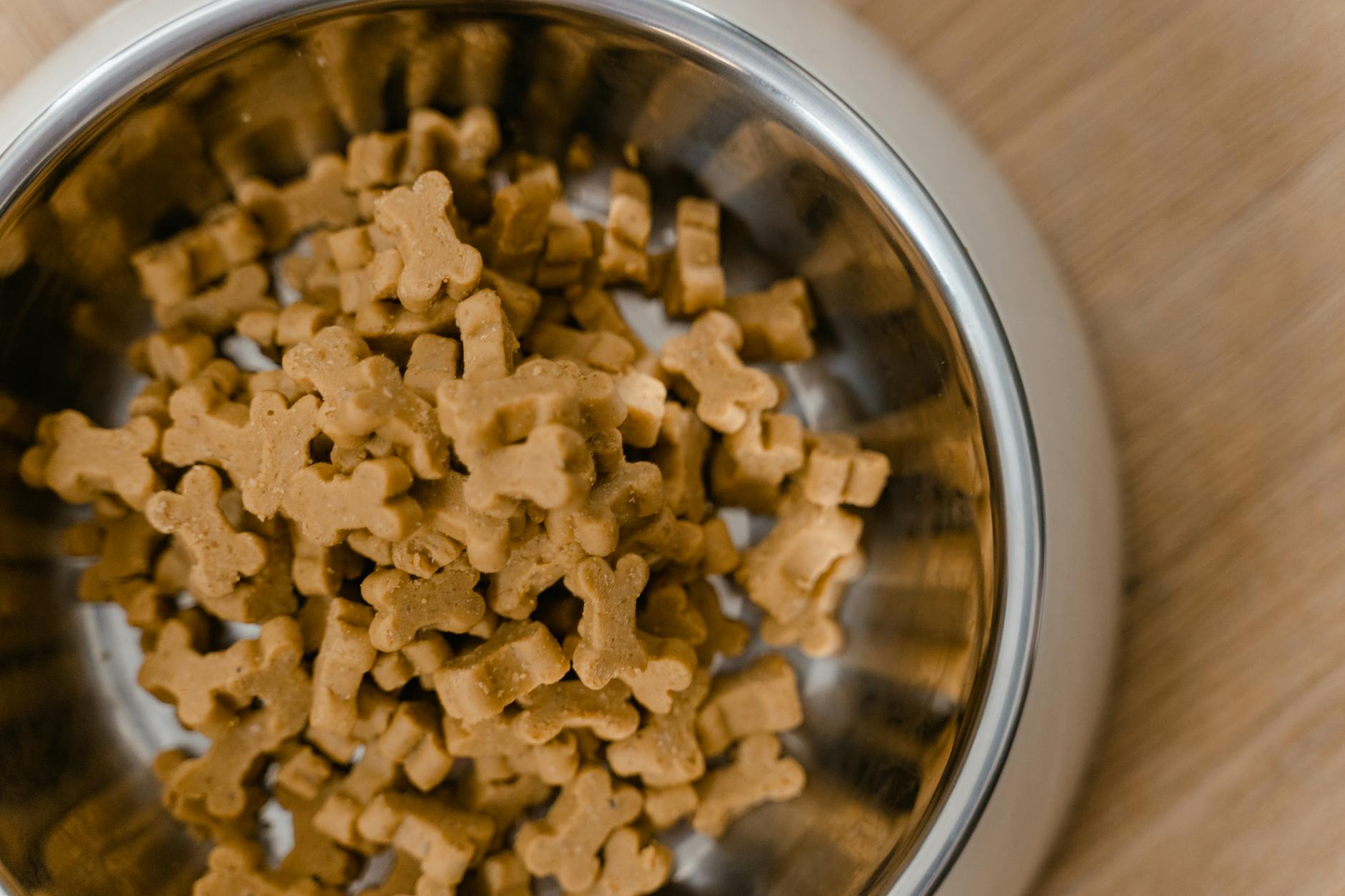
Dry dog food naturally contains significantly less moisture than wet food. As a result, dogs eating predominantly dry kibble will instinctively drink more water to compensate for the lack of hydration in their meals, fulfilling their daily fluid requirements.

Understanding Dry Dog Food and Hydration
Why is dry dog food making my dog thirsty? The answer lies in the composition of kibble. Unlike wet or raw food options, dry dog food typically contains only 6-10% moisture. This low moisture content necessitates increased water intake to prevent dehydration and maintain optimal bodily functions. Understanding this connection is crucial for responsible pet ownership.
The Benefits of Dry Dog Food

Despite the need for increased water consumption, dry dog food offers several advantages:
- Convenience: Easy to store, measure, and serve.
- Dental Health: Can help reduce tartar buildup due to the abrasive texture.
- Cost-Effectiveness: Generally more affordable than wet food.
- Longer Shelf Life: Less prone to spoilage compared to wet food.
These benefits make dry food a popular choice, but it’s essential to ensure your dog is adequately hydrated.
Addressing the Thirst Factor
While increased thirst is a normal consequence of a dry food diet, it’s essential to monitor your dog’s water consumption. Significant increases in thirst or excessive urination can indicate underlying health issues and warrant a veterinary visit. Providing constant access to fresh, clean water is paramount.
Here are some tips to help your dog stay hydrated:
- Multiple Water Sources: Place water bowls in various locations around the house and yard.
- Fresh Water: Change the water frequently to keep it clean and appealing.
- Wet Food Supplements: Add a small amount of wet food to your dog’s diet to increase moisture intake.
- Hydrating Treats: Offer fruits and vegetables like watermelon or cucumber as healthy, hydrating snacks.
- Water Fountain: Consider a pet water fountain, which can encourage drinking with its circulating water.
Common Mistakes and Misconceptions
Many pet owners mistakenly believe that dry dog food alone provides sufficient hydration. This is a dangerous misconception. Failing to provide adequate water can lead to dehydration, which can cause serious health problems. Always ensure your dog has access to plenty of fresh water, especially when feeding dry food. Another common mistake is neglecting to clean water bowls regularly, which can lead to bacterial growth and deter drinking.
The Impact of Environment and Activity Level
A dog’s thirst is also influenced by environmental factors and activity levels. Hot weather and increased physical activity will naturally increase your dog’s need for water. Adjust water availability accordingly, especially during summer months or after strenuous exercise. Keep fresh water readily available when traveling with your dog.
Monitoring Your Dog’s Hydration
Observation is key. Learn to recognize the signs of dehydration in your dog. These include:
- Lethargy
- Dry nose and gums
- Sunken eyes
- Loss of skin elasticity (tenting)
If you notice any of these signs, consult your veterinarian immediately. Dehydration can quickly become life-threatening, especially in puppies and older dogs.
Understanding Dog Food Ingredients
The ingredients in your dog’s food can also impact hydration. Some dry foods contain higher levels of sodium or fiber, which can increase thirst. Choosing a high-quality dry food with a balanced ingredient profile can help minimize excessive thirst. Consult with your veterinarian or a veterinary nutritionist to select the best food for your dog’s individual needs.
Frequently Asked Questions (FAQs)
Is it normal for my dog to drink a lot of water after eating dry food?
Yes, it’s entirely normal. Dry dog food, with its low moisture content, naturally triggers a thirst response in dogs. Expect your dog to drink more water after meals compared to when they are not eating.
How much water should my dog drink per day?
A general guideline is one ounce of water per pound of body weight per day. However, this can vary based on activity level, weather conditions, and overall health.
Can excessive thirst be a sign of a medical problem?
Yes, excessive thirst (polydipsia) can be a symptom of various medical conditions, including diabetes, kidney disease, Cushing’s disease, and infections. If you notice a sudden or significant increase in your dog’s water consumption, consult your veterinarian.
What are the signs of dehydration in dogs?
The signs of dehydration in dogs include lethargy, dry nose and gums, sunken eyes, and loss of skin elasticity. To check skin elasticity, gently pinch the skin on the back of the neck. If it doesn’t quickly snap back into place, your dog may be dehydrated.
Should I switch to wet food to reduce my dog’s thirst?
Switching to wet food can help reduce thirst, as wet food has a much higher moisture content. However, it’s essential to consult with your veterinarian before making any significant dietary changes.
Can I add water to my dog’s dry food?
Yes, adding water to dry food can help increase moisture intake and make the food more palatable. Some dogs prefer this softened texture.
Are some dry dog food brands better for hydration than others?
Yes, high-quality dry dog foods with balanced ingredient profiles and lower sodium levels may contribute to less excessive thirst. Research brands carefully and consult with your veterinarian.
How often should I clean my dog’s water bowl?
You should clean your dog’s water bowl daily to prevent bacterial growth and ensure fresh, appealing water.
Is tap water safe for my dog to drink?
In most cases, tap water is safe for dogs. However, if you have concerns about the quality of your tap water, consider using filtered water.
Can puppies drink too much water?
While it’s uncommon, puppies can sometimes drink excessively due to excitement or boredom. However, excessive thirst in puppies should always be evaluated by a veterinarian to rule out underlying medical issues.
How can I encourage my dog to drink more water?
To encourage your dog to drink more water, try offering fresh water frequently, using a pet water fountain, adding ice cubes to the water bowl, or offering hydrating treats.
Why is dry dog food making my dog thirsty if it has all the nutrients he needs?
While dry food provides necessary nutrients, the processing required to produce it removes much of the natural moisture present in fresh ingredients. This inherent lack of moisture is why is dry dog food making my dog thirsty?, regardless of its nutritional completeness. It is simply the lack of water that makes him drink.