

Why Is a Dog’s Nose So Cold? Exploring Canine Nasal Thermoregulation
A dog’s cold nose is not a sign of illness, but rather a fascinating adaptation for enhanced scent detection and thermoregulation; the reason a dog’s nose is so cold is due to a combination of evaporative cooling, mucus secretions, and blood vessel arrangement.
Introduction to the Canine Sniffer
The world is a symphony of scents to a dog. Their olfactory senses are vastly superior to ours, enabling them to navigate, hunt, and interpret their environment through a complex tapestry of aromas. But have you ever stopped to consider why is a dog’s nose so cold? It’s a common observation, prompting various assumptions about canine health and comfort. However, a cold nose is rarely indicative of a problem. In fact, it’s usually a sign of a perfectly functioning, incredibly sophisticated sensory organ. This article will delve into the scientific explanations behind the temperature of your furry friend’s nose, debunking myths and revealing the fascinating physiology at play.
The Science Behind the Cold Nose
Several factors contribute to the characteristic coolness of a dog’s nose. It’s not just a random quirk of nature; it’s a cleverly engineered system designed to maximize their ability to smell.
-
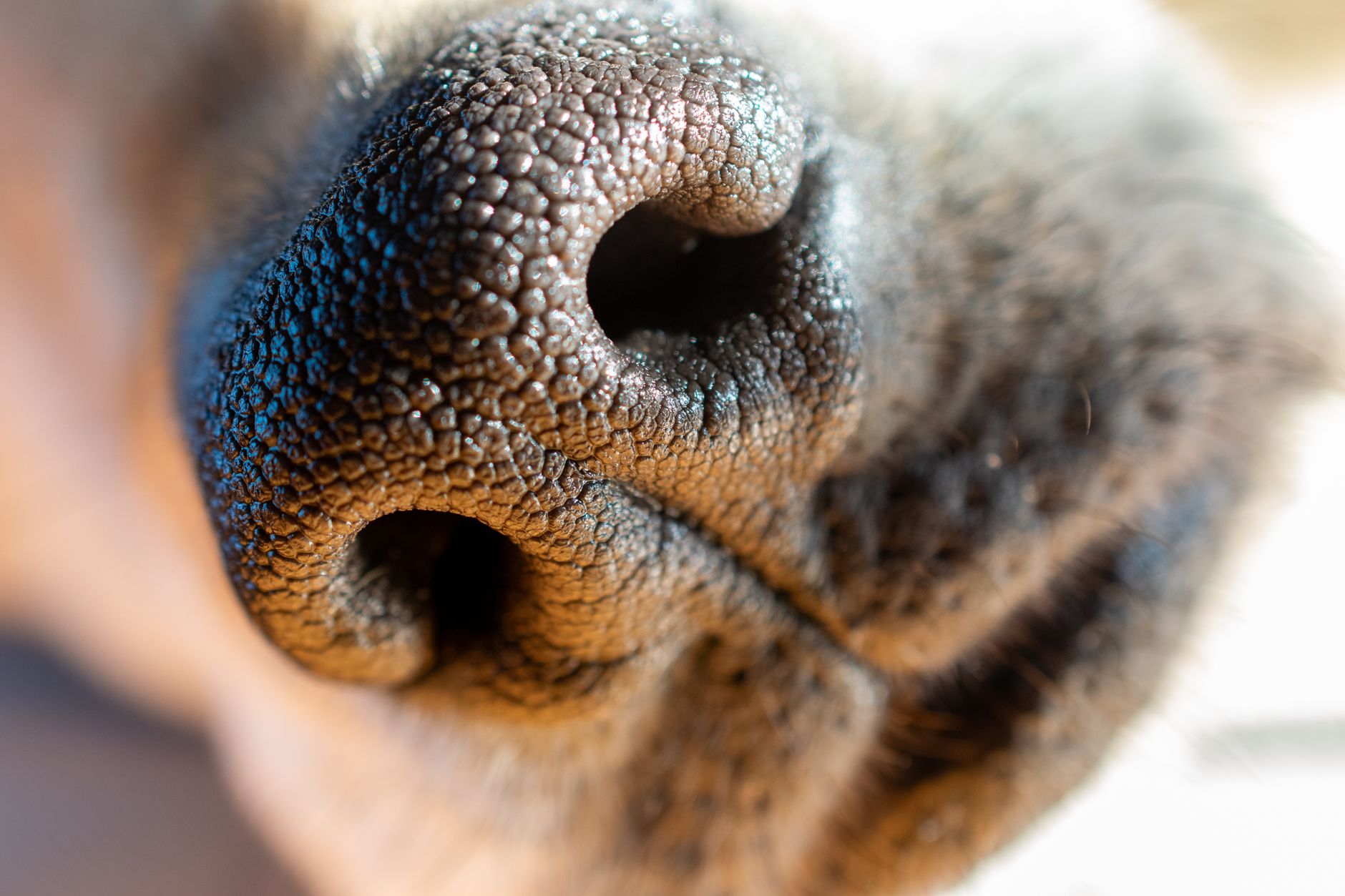
Evaporative Cooling: Dogs secrete a thin layer of mucus on their noses. As this mucus evaporates, it draws heat away from the nasal surface, resulting in a cooling effect. This is similar to how sweating cools humans.
-
Blood Vessel Arrangement: The vascular network within a dog’s nose is designed to facilitate heat exchange. Blood vessels near the surface release heat, contributing to the cooler temperature.
-
Behavioral Interactions with the Environment: Dogs constantly lick their noses. This action not only keeps the nose clean and moist but also contributes to evaporative cooling. Furthermore, dogs often touch their noses to cool surfaces, further reducing their temperature.
The Role of Scent Detection
The coldness of a dog’s nose is intrinsically linked to its superior sense of smell. A cooler nose allows dogs to detect faint scents more effectively.
-
Facilitating Scent Absorption: The slightly cooled surface of the nose is thought to help absorb scent particles from the air.
-
Enhancing Receptor Function: Some studies suggest that the lower temperature may optimize the function of olfactory receptors, increasing their sensitivity.
-
Detecting Thermal Gradients: A cold nose allows dogs to sense temperature differences in their environment, aiding in locating warm-blooded prey or other points of interest.
Debunking Myths about a Cold Nose
There’s a common misconception that a cold nose always equals a healthy dog, and a warm nose indicates illness. This isn’t necessarily true. While a sudden change in nose temperature, combined with other symptoms like lethargy or loss of appetite, should be investigated by a veterinarian, a consistently cold nose simply reflects normal canine physiology.
-
Temperature Fluctuation: A dog’s nose temperature can fluctuate throughout the day depending on their activity level, environment, and overall health.
-
Context is Key: Always consider other signs of illness when assessing your dog’s health. A cold nose alone is rarely a cause for concern.
Benefits of a Highly Sensitive Sense of Smell
A dog’s enhanced olfactory abilities provide numerous advantages, beyond just identifying dinner:
-
Navigation and Tracking: Dogs use their sense of smell to navigate their surroundings, track animals, and find lost objects.
-
Detection of Illness: Trained dogs can detect diseases like cancer and diabetes through subtle scent changes in humans.
-
Emotional Support: A dog’s ability to smell fear or anxiety can provide comfort and support to their owners.
Common Mistakes and Misconceptions
Many dog owners incorrectly interpret their dog’s nose temperature. Avoid these common mistakes:
-
Relying Solely on Nose Temperature for Diagnosis: Don’t use nose temperature as the sole indicator of your dog’s health. Look for other symptoms like lethargy, loss of appetite, vomiting, or diarrhea.
-
Overreacting to a Warm Nose: A warm nose doesn’t automatically mean your dog is sick. It could simply be due to recent exercise or exposure to warm temperatures.
-
Assuming All Dogs Have Equally Cold Noses: Individual dogs may have slightly different nose temperatures depending on their breed, age, and health.
Maintaining a Healthy Canine Nose
While a cold nose is generally a good sign, proper care is still essential:
-
Regular Cleaning: Gently clean your dog’s nose with a damp cloth to remove any debris or discharge.
-
Hydration: Ensure your dog has access to fresh water to maintain proper hydration, which is crucial for mucus production.
-
Veterinary Check-ups: Regular veterinary check-ups can help detect any underlying health conditions that may affect your dog’s nose or overall health.
Frequently Asked Questions About Dog Noses
Why does my dog lick its nose so much?
Dogs lick their noses for several reasons, including to keep it clean, to moisten the nasal surface for better scent detection, and to stimulate olfactory receptors. Licking also removes scent particles, allowing for new scents to be detected more readily.
Is a dry nose always a sign of illness?
No, a dry nose is not always a sign of illness. A dog’s nose can be dry due to various factors, such as dry air, dehydration, or simply waking up from a nap. Always look for other signs of illness before assuming there’s a problem.
Can sunburn affect a dog’s nose?
Yes, dogs can get sunburn on their noses, especially those with light-colored noses. Use a dog-safe sunscreen to protect their nose from harmful UV rays.
What does it mean if my dog’s nose is cracked?
A cracked nose can indicate dehydration, dryness, or even certain skin conditions. If the cracks are severe or accompanied by other symptoms, it’s best to consult with a veterinarian. Petroleum jelly or dog-specific nose balms can help moisturize a dry, cracked nose.
Why is my puppy’s nose warmer than my adult dog’s nose?
Puppies have less developed thermoregulation systems compared to adult dogs. Their noses may feel warmer due to inefficient cooling mechanisms. As they mature, their nasal temperature will likely become cooler.
Do all dog breeds have equally cold noses?
While the fundamental principle of a cold nose applies to all breeds, some breeds may have slightly different nose temperatures due to variations in nasal structure and mucus production.
Can I use human lotion on my dog’s nose if it’s dry?
It is generally not recommended to use human lotion on a dog’s nose as some ingredients can be toxic if ingested. Use a dog-specific nose balm or petroleum jelly instead.
Does the temperature of my dog’s nose change depending on the weather?
Yes, the temperature of a dog’s nose can be influenced by the weather. In cold weather, the nose might be even colder, while in hot weather, the body will attempt to maintain a constant temperature, but the nose may become slightly warmer.
How accurate are dogs at detecting scents with their cold noses?
Dogs are incredibly accurate at detecting scents. Their sense of smell is estimated to be between 10,000 and 100,000 times more sensitive than that of humans, thanks in part to the specialized structure of their noses.
Can dogs smell emotions?
Yes, dogs are believed to be able to smell emotions. They can detect changes in human body chemistry related to emotions like fear, anxiety, and happiness.
What is a rhinarium, and how does it contribute to a cold nose?
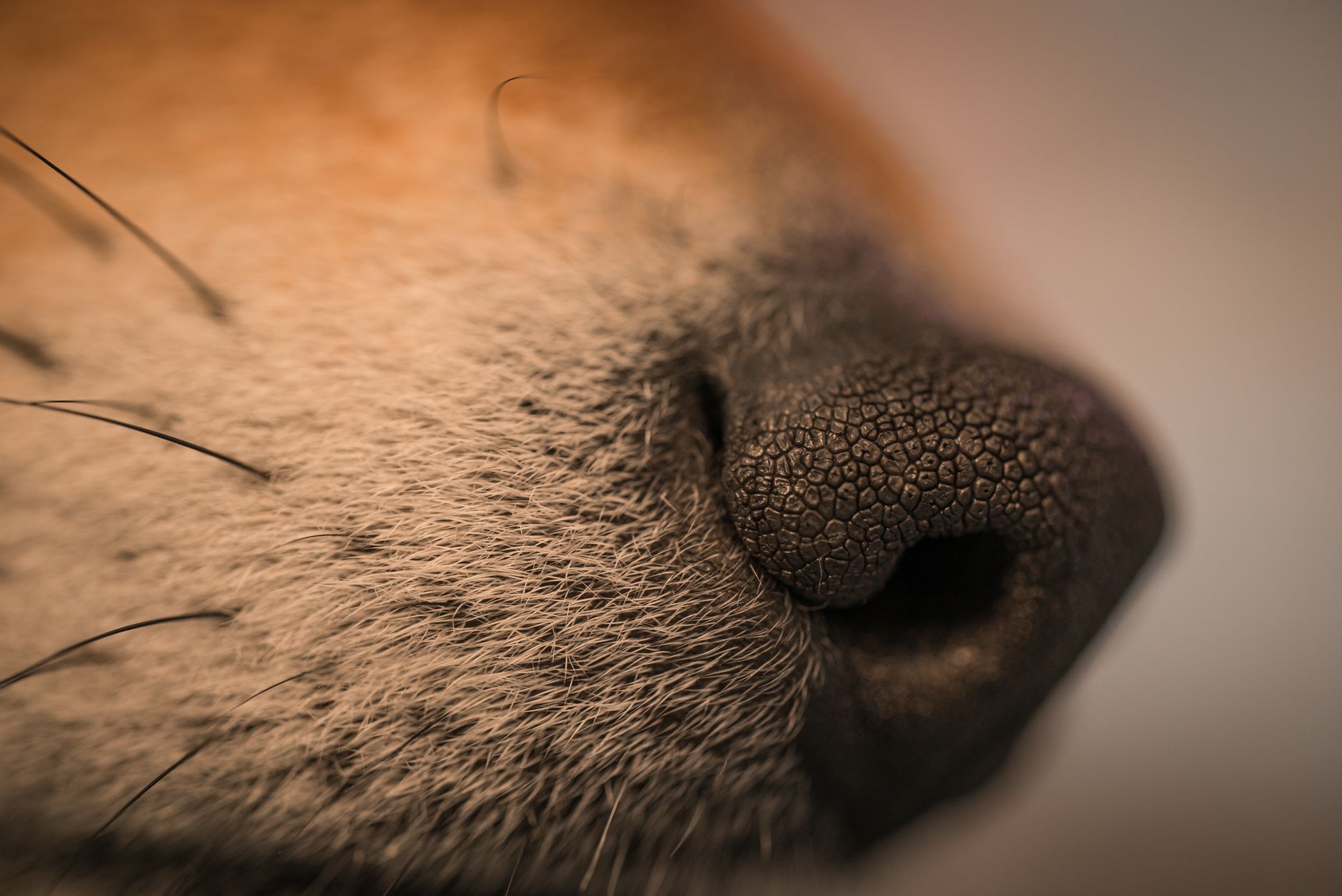
The rhinarium is the naked, moist, and highly sensitive area of skin surrounding the nostrils in dogs. It plays a critical role in enhancing their sense of smell by facilitating scent absorption and evaporative cooling. Its presence is a key reason why is a dog’s nose so cold.
Why is a dog’s nose so cold compared to other animals?
While many animals have a moist nose, the combination of factors – evaporative cooling, blood vessel arrangement, and licking behavior – contributes to the particularly pronounced coldness in dogs. This, coupled with the rhinarium, is a key differentiator in the canine’s olfactory abilities, explaining why is a dog’s nose so cold and such a valuable tool.