

Why Does Tilapia Taste So Good? Unpacking the Flavors
Why does tilapia taste so good? Tilapia’s mild flavor and versatility make it a popular choice, but understanding the specific reasons for its palatability requires examining its diet, farming practices, and the factors that contribute to its neutral and adaptable taste profile.

Introduction to Tilapia: More Than Just a Mild Fish
Tilapia has become a staple in many diets due to its affordability, accessibility, and – crucially – its taste. But why does tilapia taste so good to so many people, especially those who might not typically enjoy strong-flavored fish? The answer is multifaceted, involving both inherent characteristics and human intervention.
The Mildness Factor: Tilapia’s Neutral Taste Profile
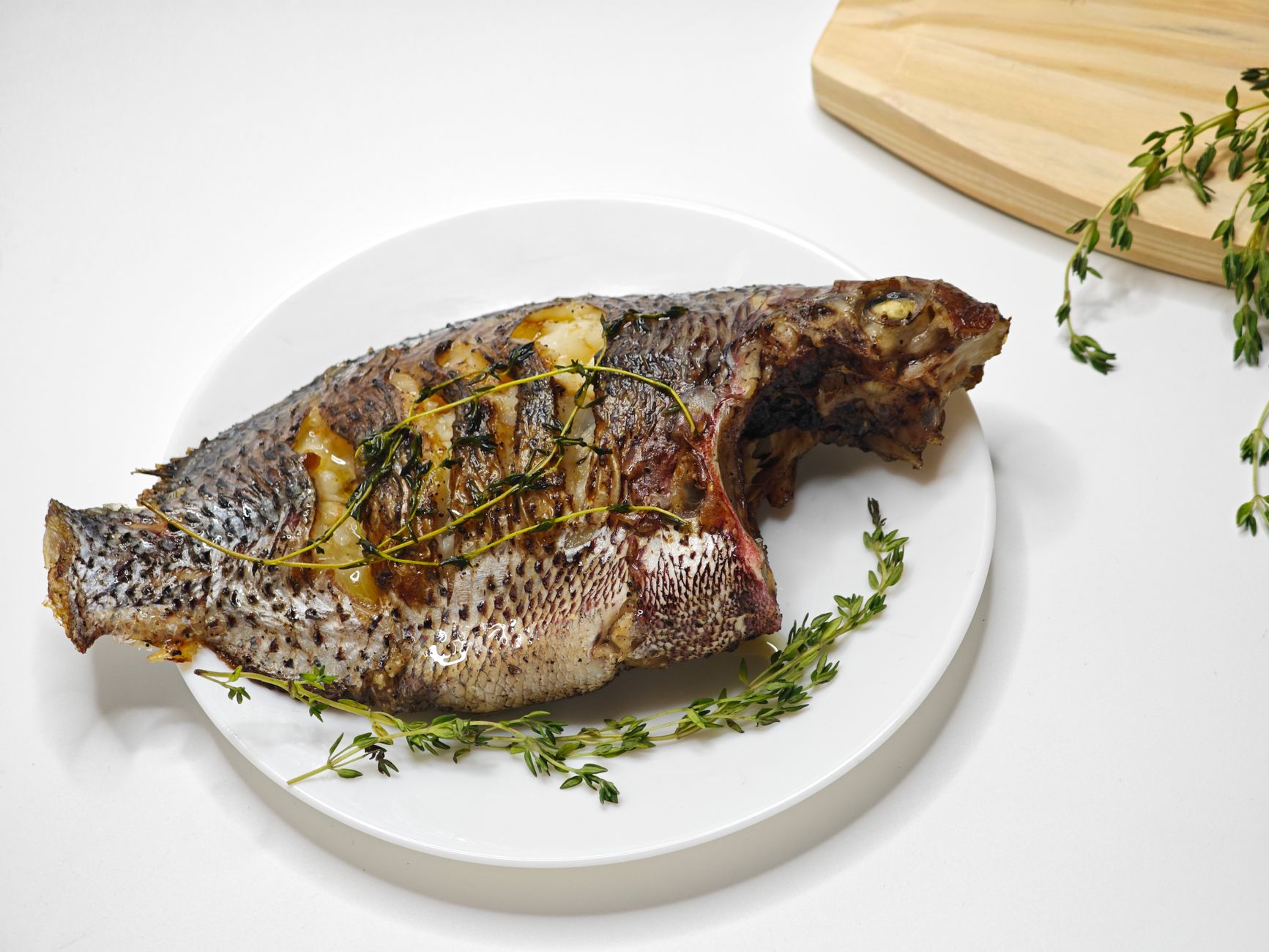
One of the primary reasons why does tilapia taste so good is its decidedly mild flavor. Unlike oily fish like salmon or mackerel, which possess a strong, distinct taste, tilapia has a remarkably neutral palate. This characteristic makes it incredibly versatile in the kitchen, easily absorbing the flavors of spices, sauces, and other ingredients.
This mildness stems from its diet. Tilapia are omnivorous fish, consuming algae, plants, and small invertebrates. This varied diet contributes to a less pronounced “fishy” taste compared to carnivorous fish.
The Influence of Aquaculture: Farming for Flavor
The majority of tilapia consumed worldwide is farm-raised, and aquaculture practices significantly influence its flavor. Controlled environments allow farmers to manage the fish’s diet and water quality, leading to a more consistent and predictable taste.
- Feed Composition: Tilapia are often fed a commercially prepared diet of grains, soybeans, and fishmeal, carefully balanced to promote healthy growth and a desirable flavor profile.
- Water Quality: Clean, well-oxygenated water is essential for preventing off-flavors. Poor water quality can lead to a muddy or earthy taste.
- Stocking Density: Overcrowding can stress the fish, negatively impacting its flavor. Sustainable aquaculture practices prioritize appropriate stocking densities.
Versatility in the Kitchen: A Chef’s Dream
Tilapia’s mild flavor makes it a blank canvas for culinary creativity. Why does tilapia taste so good in so many different dishes? Its ability to absorb flavors makes it ideal for a wide range of preparations:
- Baking: Tilapia can be baked with herbs, spices, and vegetables.
- Grilling: Its firm texture holds up well on the grill, absorbing smoky flavors.
- Pan-frying: A quick pan-fry creates a crispy exterior and a flaky interior.
- Stir-fries: Tilapia adds protein to stir-fries without overpowering the other flavors.
- Fish Tacos: A popular choice due to its affordability and mildness.
Comparing Tilapia to Other Fish: A Flavor Profile
To further understand why does tilapia taste so good, it’s helpful to compare it to other popular fish:
| Fish Type | Flavor Profile | Texture |
|---|---|---|
| Tilapia | Mild, neutral | Flaky, firm |
| Salmon | Rich, oily | Tender, flaky |
| Cod | Mild, slightly sweet | Flaky, delicate |
| Tuna | Strong, meaty | Firm |
| Catfish | Earthy, slightly sweet | Firm |
Common Concerns and Misconceptions
Despite its popularity, tilapia has faced some criticism. Some argue that its mildness equates to a lack of flavor, while others raise concerns about farming practices. However, responsibly farmed tilapia can be a healthy and sustainable choice. Choosing reputable sources is crucial.

Frequently Asked Questions (FAQs)
What exactly does tilapia taste like?
Tilapia has a very mild, slightly sweet flavor. Many people describe it as having a clean and neutral taste, making it a good option for those who don’t typically like strong-tasting fish.
Is tilapia a healthy fish to eat?
Yes, tilapia can be a healthy choice. It’s low in fat, high in protein, and a good source of selenium and vitamin B12. However, like all foods, moderation is key.
Where does most of the tilapia we eat come from?
The majority of tilapia consumed in the United States is imported, primarily from countries in Asia and South America.
How can I ensure I’m buying sustainably farmed tilapia?
Look for certifications from organizations like the Aquaculture Stewardship Council (ASC) or Best Aquaculture Practices (BAP). These certifications indicate that the fish was raised in an environmentally responsible manner.
Why does some tilapia taste muddy or earthy?
A muddy or earthy taste in tilapia can be caused by geosmin and 2-methylisoborneol (MIB), compounds produced by certain algae and bacteria in the water. This is more common in wild-caught or poorly managed farmed tilapia.
What’s the best way to cook tilapia to enhance its flavor?
Due to its mild flavor, tilapia benefits from being paired with bold flavors. Try marinating it in herbs, spices, or citrus juice before cooking. Pan-frying or baking with garlic, lemon, and herbs is also a great option.
Can I substitute tilapia for other fish in recipes?
Yes, tilapia is a very versatile fish and can be substituted for other mild-flavored white fish like cod, haddock, or flounder in many recipes.
Is tilapia high in mercury?
No, tilapia is generally considered to be a low-mercury fish, making it a safer option for pregnant women and children compared to some other seafood choices.
Does wild-caught tilapia taste different from farmed tilapia?
Wild-caught tilapia is rarer to find commercially. The taste can vary depending on their diet and environment, sometimes exhibiting a stronger or more earthy flavor compared to farmed tilapia.
Are there different varieties of tilapia, and do they taste different?
Yes, there are different species of tilapia, such as Nile tilapia, blue tilapia, and Mozambique tilapia. While the differences are subtle, some species may have a slightly different texture or flavor profile.
Is it safe to eat tilapia skin?
Yes, it is generally safe to eat tilapia skin, provided the fish has been properly cleaned and cooked. The skin can add a nice texture and flavor to the dish.
How can I tell if tilapia is fresh?
Fresh tilapia should have firm, moist flesh, a fresh, mild smell, and clear, bright eyes. Avoid fish that smells overly fishy or ammonia-like, or that has dull, cloudy eyes.