

Why Does My Hedgehog Randomly Bite Me?
Why does my hedgehog randomly bite me? The reasons for a hedgehog biting often stem from curiosity, taste, or stress; understanding the underlying cause is crucial to improving your interactions and creating a more positive relationship with your prickly friend.

Understanding Hedgehog Behavior: A Prickly Introduction
Hedgehogs, with their distinctive quills and endearing snouts, have become increasingly popular as pets. However, beneath the charming exterior lies a creature with unique instincts and behaviors. One of the most perplexing issues for hedgehog owners is random biting. While it can be alarming, understanding the reasons behind this behavior is essential for building trust and a harmonious relationship.
Hedgehogs aren’t inherently aggressive animals. Biting is rarely out of malice. It’s usually a result of misunderstanding their environment, responding to perceived threats, or simply exploring the world with their mouths. To address the issue of why does my hedgehog randomly bite me?, we need to delve deeper into their sensory world and behavioral tendencies.
Exploring the Senses: Smell, Taste, and Curiosity Bites
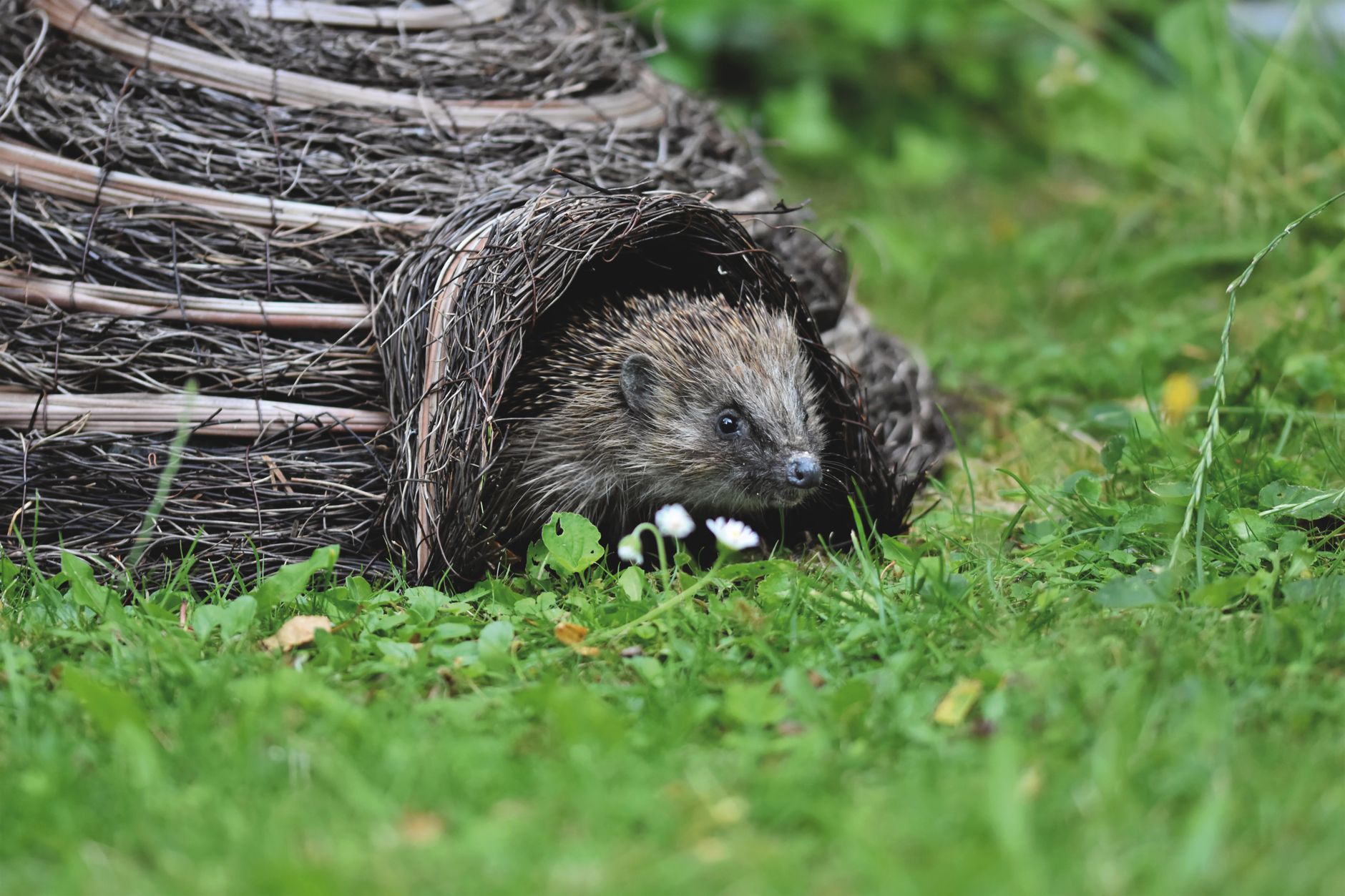
Hedgehogs have limited eyesight. They heavily rely on their senses of smell and taste to navigate their surroundings. This reliance can sometimes lead to accidental bites.
- Scent Identification: If your hands smell strongly of food, your hedgehog may mistake your fingers for a tasty treat. Certain lotions, soaps, or even lingering food particles on your skin can trigger this exploratory biting.
- Taste Testing: Hedgehogs are known to “anoint” themselves. This involves creating a foamy saliva and applying it to their quills. They often do this after encountering a new or interesting scent. Sometimes, this involves tasting the object first. If your skin has an interesting scent, they might try a quick nip to investigate.
It’s crucial to consider the potential triggers relating to scent and taste to understand why does my hedgehog randomly bite me?.
Stress, Fear, and Defensive Bites
While curiosity plays a role, stress and fear are significant contributors to biting. Hedgehogs are prey animals in the wild, and they can be easily startled.
- Sudden Movements: Approaching a hedgehog too quickly or making sudden movements can trigger a defensive response, leading to a bite.
- Loud Noises: Loud noises can also frighten a hedgehog, causing them to bite out of fear.
- Unfamiliar Environments: Introducing your hedgehog to a new environment can be stressful. It might take time for them to adjust and feel safe.
- Inadequate Handling: Incorrect or infrequent handling can contribute to anxiety and defensive biting.
Table: Common Hedgehog Stressors and Their Impact
| Stressor | Potential Reaction | Mitigation Strategy |
|---|---|---|
| Sudden Movements | Biting, balling up | Approach slowly and gently. |
| Loud Noises | Biting, balling up | Maintain a quiet environment during handling. |
| Unfamiliar Surroundings | Biting, hiding | Introduce new environments gradually. |
| Improper Handling | Biting, quill raising | Learn proper handling techniques; handle frequently and gently. |
Building Trust and Reducing Biting
Addressing the question of why does my hedgehog randomly bite me? requires a patient and consistent approach to building trust.
- Scent Familiarization: Allow your hedgehog to become familiar with your scent. Place a worn t-shirt in their cage so they can associate your smell with safety.
- Gentle Handling: Handle your hedgehog frequently and gently. Support their body properly to avoid making them feel insecure.
- Positive Reinforcement: Use positive reinforcement, such as offering a small treat after a successful handling session, to create positive associations.
- Minimize Stressors: Reduce potential stressors in their environment. Keep their cage in a quiet location, avoid sudden movements, and handle them in a calm and predictable manner.
- Wash Your Hands: Always thoroughly wash your hands before handling your hedgehog. This reduces the risk of confusing your fingers with food and minimizes the transfer of potentially harmful bacteria.
By implementing these strategies, you can significantly reduce the likelihood of being bitten and foster a stronger bond with your hedgehog.
Common Mistakes to Avoid
Certain common mistakes can exacerbate biting behavior in hedgehogs.
- Forcing Interaction: Never force your hedgehog to interact with you. Allow them to approach you on their own terms.
- Punishing Biting: Punishing a hedgehog for biting will only increase their fear and anxiety, making the problem worse.
- Inconsistent Handling: Inconsistent handling can make it difficult for your hedgehog to trust you. Establish a regular handling routine.
- Ignoring Body Language: Pay attention to your hedgehog’s body language. If they are balled up or hissing, they are feeling stressed and should be left alone.

Frequently Asked Questions
Why do hedgehogs bite hard?
Hedgehog bites can feel surprisingly painful due to their sharp teeth. They may not bite with full force unless they feel extremely threatened, but even a small nip can be uncomfortable. Their teeth are designed for crushing insects, so even a gentle bite can break the skin.
Are hedgehog bites dangerous?
While hedgehog bites are not typically medically dangerous, there is a small risk of infection. It’s important to wash any bite wound thoroughly with soap and water. If the bite is deep or shows signs of infection (redness, swelling, pus), consult a doctor.
How can I tell if my hedgehog is about to bite me?
Hedgehogs often give warning signs before biting. Common indicators include hissing, popping, or raising their quills. If you notice these behaviors, it’s best to back away slowly and give your hedgehog some space.
Do baby hedgehogs bite more than adults?
Baby hedgehogs, or hoglets, are often more prone to exploratory biting as they are still learning about their environment. They may also be more easily startled. With consistent and gentle handling, they usually outgrow this behavior.
What if my hedgehog only bites me when I pick him up?
This suggests that your hedgehog associates being picked up with something negative. Try making the experience more positive by offering a treat immediately after picking them up. Also, ensure you are supporting their body properly and not squeezing them.
Why does my hedgehog bite my clothes but not my skin?
This is likely due to the scent of your clothes. Detergent, fabric softener, or even lingering food smells could be attracting their attention. They may be tasting the fabric to explore the scent.
Can I train my hedgehog not to bite?
While you can’t completely eliminate biting, you can significantly reduce its frequency through consistent training and positive reinforcement. Focus on building trust and minimizing stressors.
Is it normal for hedgehogs to bite?
Occasional biting is relatively normal, especially when they are exploring new scents or feeling stressed. However, excessive or aggressive biting is not normal and indicates an underlying problem that needs to be addressed.
My hedgehog used to be friendly, but now he bites. What happened?
A change in behavior, such as increased biting, can indicate a change in their environment or health. Consider whether there have been any new stressors or changes in routine. It’s also worth ruling out any underlying medical conditions by consulting a veterinarian.
What kind of treats can I use to reward my hedgehog?
Safe and appealing treats for hedgehogs include mealworms, cooked chicken or turkey, and small pieces of fruit or vegetables. Offer treats in moderation to avoid obesity.
My hedgehog bites when I clean his cage. What should I do?
Cleaning the cage can be stressful for hedgehogs. Try removing your hedgehog from the cage before cleaning. Place them in a safe and comfortable temporary enclosure. This will minimize their stress and reduce the likelihood of biting.
Why does my hedgehog randomly bite me even when I’m being gentle?
Even with gentle handling, the reasons behind “why does my hedgehog randomly bite me?” can still revolve around unseen stressors, lingering scents, or underlying health issues. Thoroughly washing your hands, understanding their body language, and consulting with a vet are essential steps in solving this behavioral issue. Remember, patience and consistency are key to building a strong bond.