
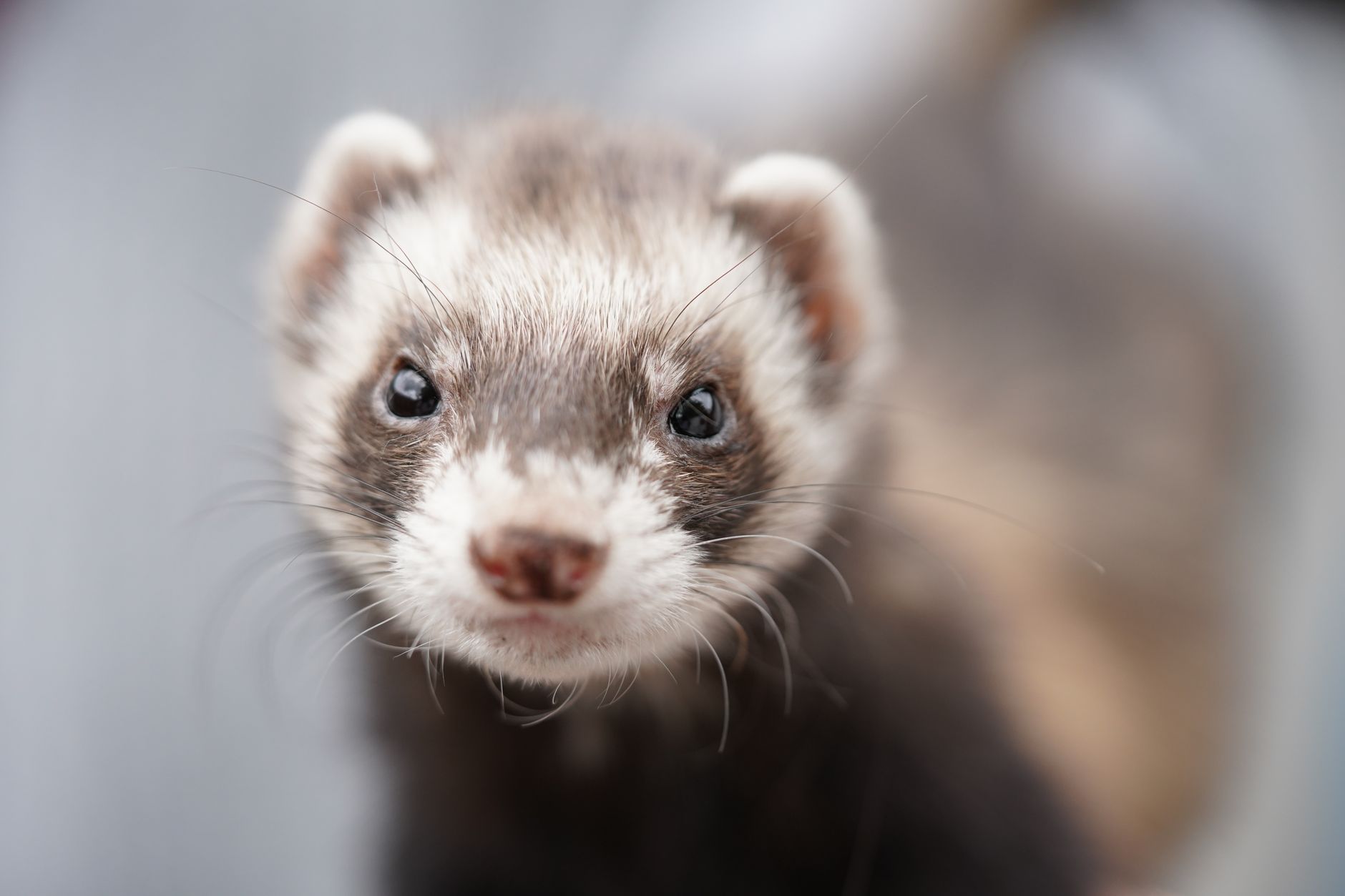
Why Does My Ferret Seem Sad? Unraveling the Mystery
Why does your ferret seem sad? The most common causes include boredom, loneliness, underlying health issues, and inadequate environmental conditions; addressing these factors promptly is crucial for your ferret’s well-being and happiness. Identifying the root cause is the first step towards restoring their playful spirit.
Introduction: A Ferret’s Emotional Landscape
Ferrets, with their playful antics and boundless energy, are captivating companions. However, just like any other animal, they can experience periods of apparent sadness or depression. Understanding why does my ferret seem sad? requires a thoughtful approach, considering their individual needs and the nuances of their behavior. This article delves into the common causes of sadness in ferrets, providing practical solutions and insights to help you restore your furry friend’s zest for life. As a leading expert in ferret behavior and care, I aim to equip you with the knowledge to recognize signs of sadness and take appropriate action.
Environmental Enrichment and Boredom

Ferrets are intelligent and curious creatures that thrive on mental and physical stimulation. When their environment lacks enrichment, they can become bored, leading to lethargy and an apparent state of sadness. Boredom is a significant contributor to behavioral issues and decreased well-being in ferrets.
- Lack of Toys: Provide a variety of toys that cater to their natural instincts, such as digging, chasing, and hiding. Consider rotation to maintain interest.
- Insufficient Playtime: Dedicate time each day for interactive play with your ferret. This could involve chasing a laser pointer, playing with a crinkle ball, or engaging in gentle wrestling.
- Limited Exploration: Ferrets love to explore. Ensure they have access to a safe and stimulating environment beyond their cage, allowing them to roam and investigate.
Social Interaction and Loneliness
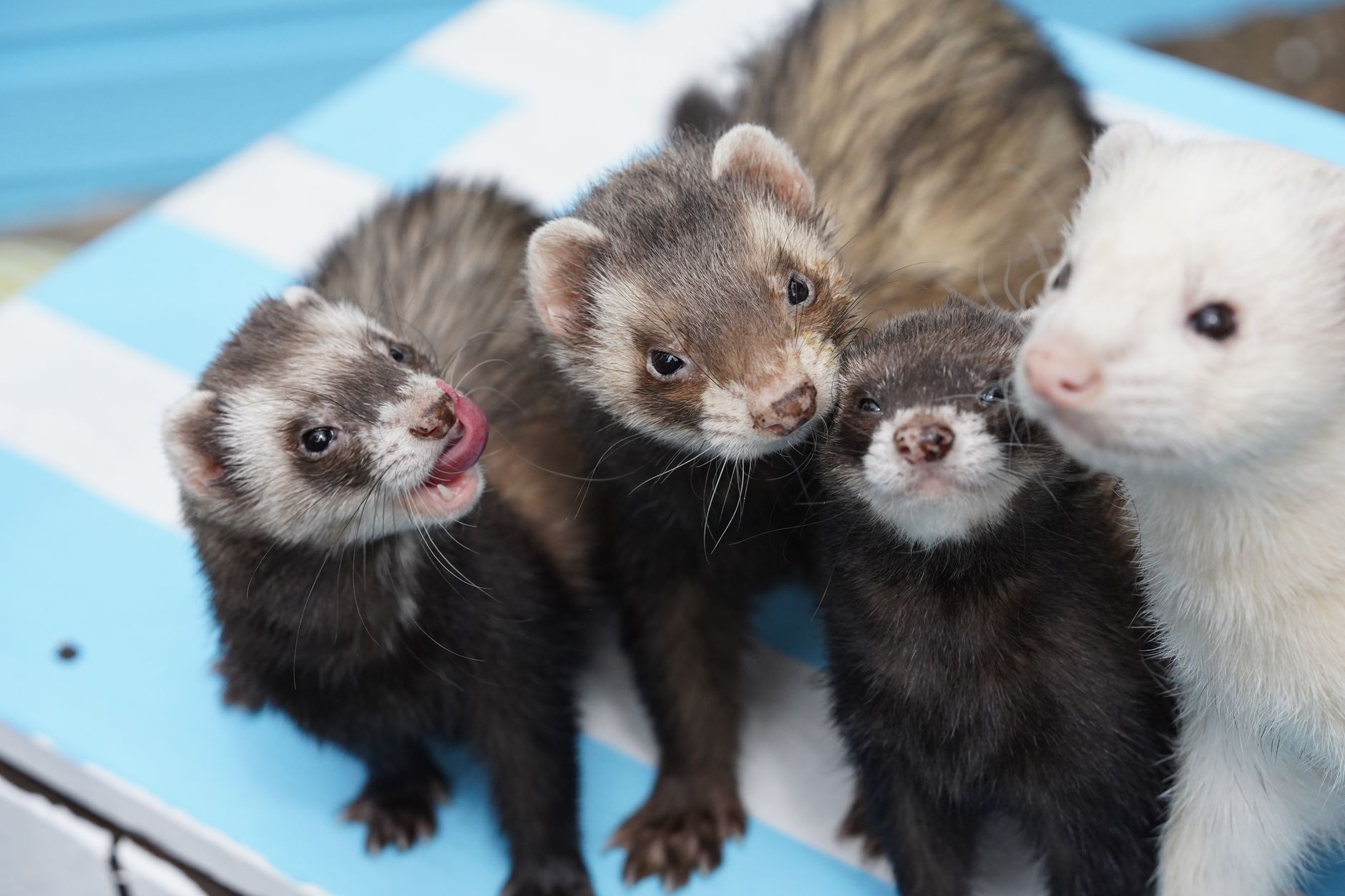
Ferrets are social animals, though not always in the same way as dogs or cats. While some ferrets are perfectly content as solo pets, many thrive with a companion. Loneliness can manifest as lethargy, decreased appetite, and a general lack of enthusiasm.
- Consider a Companion: Carefully introduce a second ferret to see if they bond. Observe their interactions closely and ensure they are compatible.
- Regular Interaction: Even if you don’t have another ferret, dedicate time each day to interact with your ferret. Talk to them, groom them, and engage in playful activities.
- Avoid Isolation: Keep your ferret in a central location where they can observe household activities. This helps them feel more connected and less isolated.
Health Issues and Pain
Underlying health problems can significantly impact a ferret’s mood and behavior. Pain, discomfort, or illness can cause a ferret to become withdrawn, lethargic, and appear sad. It is essential to rule out any medical conditions as a potential cause.
- Regular Veterinary Checkups: Schedule routine checkups with a veterinarian experienced in ferret care. Early detection of health issues is crucial.
- Monitor for Symptoms: Be vigilant for any signs of illness, such as changes in appetite, weight loss, diarrhea, vomiting, coughing, or sneezing.
- Pain Management: If your ferret is diagnosed with a painful condition, work with your veterinarian to develop a comprehensive pain management plan.
Environmental Factors and Housing
The quality of your ferret’s living environment can greatly influence their overall well-being. Unsuitable housing conditions can lead to stress, discomfort, and a perceived state of sadness.
- Cage Size: Ensure your ferret’s cage is large enough to accommodate their needs, providing ample space for sleeping, eating, playing, and using the litter box.
- Cleanliness: Maintain a clean and hygienic environment. Regularly clean the cage, litter box, and bedding to prevent the buildup of bacteria and odors.
- Temperature: Ferrets are sensitive to extreme temperatures. Keep their environment cool and well-ventilated, especially during hot weather. Avoid temperatures above 90°F (32°C).
Diet and Nutrition
A balanced and nutritious diet is essential for a ferret’s physical and mental health. A poor diet can lead to nutritional deficiencies, which can manifest as lethargy, weakness, and a general lack of energy.
- High-Quality Food: Feed your ferret a high-quality ferret food that is specifically formulated for their needs. Look for foods that are high in animal protein and low in carbohydrates.
- Avoid Sweets: Ferrets have a simple digestive system and cannot process sugars effectively. Avoid feeding them sweets, fruits, or other sugary treats.
- Fresh Water: Always provide access to fresh, clean water.

Frequently Asked Questions
How can I tell if my ferret is truly sad or just tired?
Distinguishing between sadness and tiredness can be tricky. While a tired ferret will perk up after resting, a sad ferret will exhibit persistent signs of withdrawal, such as decreased appetite, lethargy, and a lack of interest in their surroundings. Monitor your ferret’s behavior over several days to determine if the symptoms are persistent. If they are, consider the other factors discussed in this article and consult a veterinarian.
Is it normal for ferrets to sleep a lot?
Yes, ferrets are known for their long sleeping hours, typically ranging from 14 to 18 hours per day. However, if your ferret is sleeping significantly more than usual and exhibits other signs of sadness, it could indicate an underlying problem. Observe their activity levels when they are awake to assess their overall mood.
Can ferrets get depressed?
While the term “depression” is typically used in reference to humans, ferrets can certainly experience a state of low mood and reduced activity that resembles depression. This can be triggered by various factors, including loneliness, boredom, and health issues.
What are some signs of stress in ferrets?
Signs of stress in ferrets can include excessive grooming, changes in appetite, diarrhea, increased aggression, and hiding more than usual. If you notice these signs, identify and eliminate the source of stress.
Does the color of a ferret affect its personality?
There’s no scientific evidence to suggest that a ferret’s coat color is directly linked to its personality. Individual ferrets, regardless of color, will have unique temperaments and quirks.
How often should I clean my ferret’s cage?
Spot cleaning should be done daily, removing soiled litter and food debris. A thorough cleaning of the entire cage should be done at least once a week, or more frequently if necessary. Maintaining a clean environment is crucial for your ferret’s health and well-being.
Can I give my ferret treats? If so, what kind?
Treats can be given in moderation, but it’s important to choose healthy options. Cooked meat scraps (plain, unseasoned), small pieces of meat-based baby food, or commercially available ferret treats are good choices. Avoid sugary treats, fruits, and vegetables.
How do I introduce a new ferret to my existing ferret?
The introduction process should be slow and gradual. Start by keeping the ferrets in separate cages, allowing them to get used to each other’s scent. Supervise short, controlled interactions in a neutral space, gradually increasing the duration of their time together. Watch for signs of aggression and separate them immediately if necessary.
What are some common health problems that can cause a ferret to seem sad?
Common health problems that can contribute to sadness in ferrets include adrenal gland disease, insulinoma, lymphoma, and dental disease. If you suspect your ferret has a health issue, seek veterinary care promptly.
My ferret is biting more than usual. Could this be a sign of sadness?
Increased biting can be a sign of stress, pain, or fear, which can be associated with sadness. It’s important to determine the underlying cause of the biting behavior. Consider environmental changes, potential health issues, and social dynamics.
How can I provide mental stimulation for my ferret?
Provide a variety of toys that cater to their natural instincts, such as digging boxes filled with rice or beans, tunnels to explore, and toys that can be chased and batted around. Rotate toys regularly to keep them engaged. Interactive playtime is also essential for mental stimulation.
My ferret seems fine physically but still seems “off.” What should I do?
Even if your ferret appears physically healthy, it’s still possible that they are experiencing emotional distress. Evaluate their environment, social interactions, and mental stimulation. Consider a veterinary checkup to rule out any subtle health issues. Sometimes, a simple change in routine or environment can make a significant difference. If why does my ferret seem sad? is still a persistent question after your evaluation, don’t hesitate to seek professional help from a veterinarian experienced in ferret behavior.