

Why Does My Dog Sleep With A Stuffed Animal In Her Mouth? Understanding Canine Comfort
Dogs sleeping with stuffed animals in their mouths is usually about comfort and security, stemming from instincts and mimicking puppyhood behaviors. This behavior can be seen as a self-soothing activity, providing emotional support to your furry friend, and is often linked to the desire for comfort and a need for reassurance in their environment.

Introduction: The Canine Comfort Companion
The sight of a dog gently cradling a stuffed animal, especially with it nestled securely in their mouth, is undeniably endearing. But beyond the cuteness, this behavior offers a glimpse into the complex emotional world of our canine companions. Why does my dog sleep with a stuffed animal in her mouth? It’s a question many dog owners ponder. The answer isn’t always straightforward, but it typically involves a combination of instinct, learned behavior, and the simple desire for comfort.
Possible Reasons Behind The Behavior
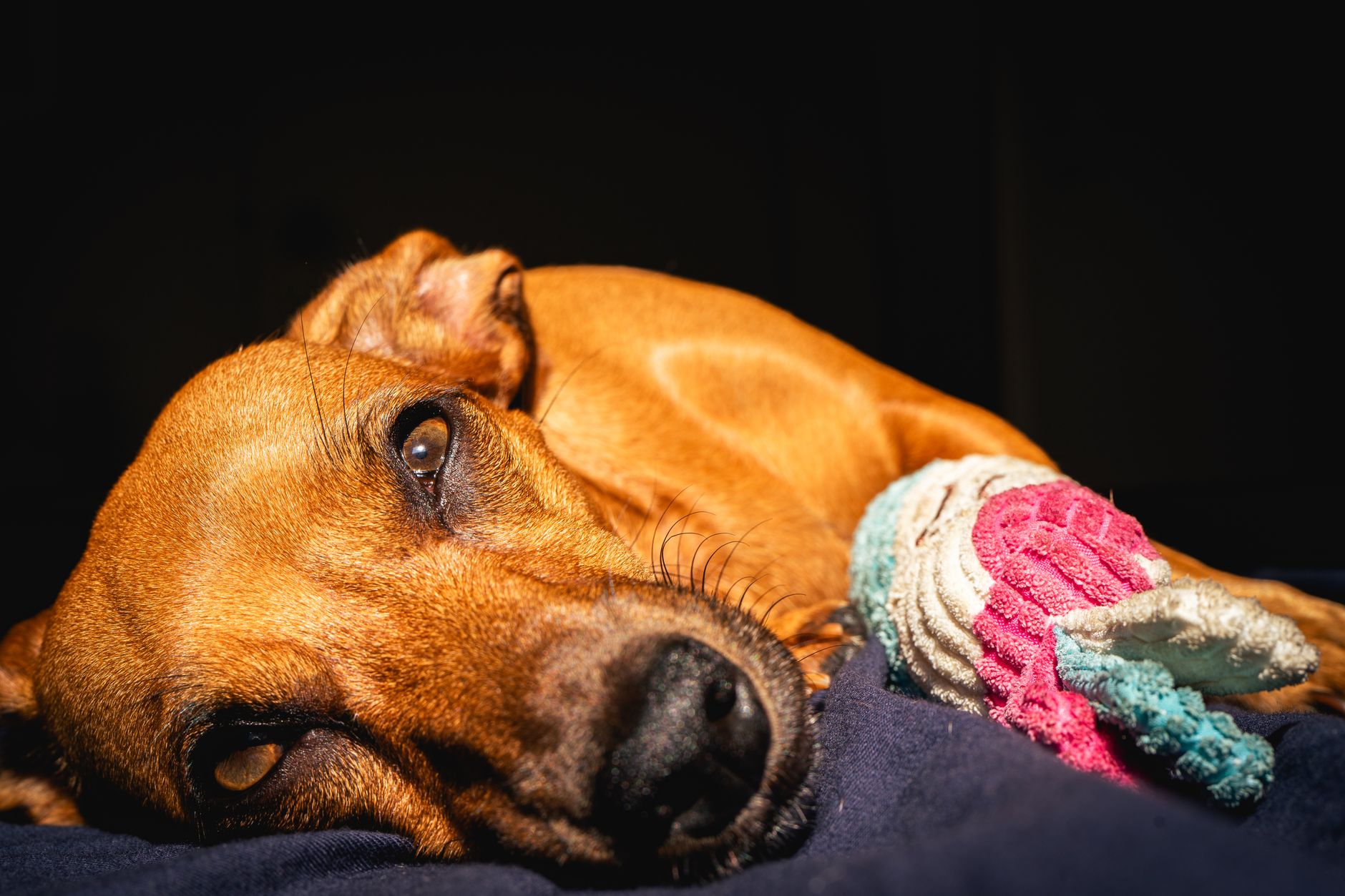
Several factors could contribute to why your dog engages in this adorable habit. Understanding these potential causes can help you better understand your dog’s needs and ensure they are happy and secure.
- Instinctual Behavior: Some experts believe this behavior is rooted in a maternal instinct. Female dogs, even if spayed, may retain a nurturing drive and view the stuffed animal as a surrogate puppy.
- Security Blanket: For some dogs, a stuffed animal acts as a security blanket, offering a sense of comfort and familiarity, especially in new or stressful situations.
- Oral Fixation: Just like human babies, some dogs experience an oral fixation, finding comfort in having something in their mouth. This can be especially true for puppies or dogs who were weaned too early.
- Playfulness: While sleeping, the action might just be a continuation of playtime. The dog might associate the stuffed animal with fun and games.
- Anxiety: In some cases, excessive chewing or carrying of a stuffed animal could be a sign of anxiety or boredom.
Potential Benefits of Stuffed Animal Companionship
Providing your dog with a suitable stuffed animal can offer several benefits:
- Reduces Anxiety: A comforting toy can help alleviate anxiety, particularly in dogs prone to separation anxiety or fear of loud noises.
- Promotes Relaxation: Cradling a toy can have a calming effect, helping your dog relax and fall asleep more easily.
- Provides Entertainment: During waking hours, the stuffed animal can serve as a source of entertainment and mental stimulation.
- Satisfies Natural Instincts: For dogs with strong hunting or retrieving instincts, a stuffed animal can provide a safe and appropriate outlet for these behaviors.
Choosing the Right Stuffed Animal
Selecting the right stuffed animal is crucial for your dog’s safety and enjoyment:
- Size Matters: Choose a toy that is appropriately sized for your dog. Too small, and it could be a choking hazard. Too large, and it might be cumbersome.
- Durability is Key: Opt for toys made from durable materials that can withstand chewing and play. Avoid toys with small parts that could be easily detached and swallowed.
- Safe Materials: Ensure the toy is made from non-toxic materials and does not contain harmful dyes or chemicals.
- Consider Your Dog’s Preferences: Pay attention to your dog’s play style and choose a toy that aligns with their interests. Some dogs prefer plush toys, while others prefer toys with squeakers or crinkly materials.
Addressing Potential Problems
While stuffed animals generally provide comfort, it’s essential to be aware of potential problems:
- Destructive Chewing: If your dog is a destructive chewer, they may tear apart stuffed animals and ingest the stuffing, posing a health risk. Monitor your dog’s play and replace damaged toys immediately.
- Possessiveness: Some dogs may become overly possessive of their stuffed animals, exhibiting aggression towards other pets or people who approach them. If this occurs, seek guidance from a professional dog trainer or behaviorist.
- Obsessive Behavior: Excessive reliance on a stuffed animal can be a sign of underlying anxiety or behavioral issues. Consult with your veterinarian or a qualified professional to address any concerns.
The Role of Veterinary Behaviorists
A veterinary behaviorist can play a crucial role in understanding and addressing behavioral concerns related to stuffed animal usage. They can:

- Assess your dog’s behavior and identify any underlying causes of anxiety or obsessive tendencies.
- Develop a customized treatment plan to address specific behavioral issues.
- Provide guidance on creating a safe and enriching environment for your dog.
Frequently Asked Questions (FAQs)
Why do some dogs only do this with one specific stuffed animal?
This often indicates that the dog has formed a strong emotional attachment to that particular toy. The specific smell, texture, or even the memories associated with that toy can contribute to its significance. This is essentially their comfort item of choice.
Is it safe for my puppy to sleep with a stuffed animal in their mouth?
While generally safe, it’s crucial to supervise puppies with stuffed animals to ensure they don’t ingest any stuffing or small parts. Choose durable toys designed for puppies and monitor them regularly. Early supervision is crucial to prevent potential health risks.
Could this behavior be a sign of a medical problem?
In rare cases, excessive licking or chewing could indicate a medical issue, such as dental problems or gastrointestinal upset. If you notice other concerning symptoms alongside the stuffed animal behavior, consult your veterinarian.
How can I tell if my dog is anxious and using the stuffed animal for comfort?
Signs of anxiety in dogs include excessive barking, pacing, panting, trembling, and destructive behavior. If your dog displays these symptoms, along with carrying the stuffed animal, it’s important to address the underlying anxiety with positive reinforcement training and possibly veterinary consultation.
What if my dog starts destroying the stuffed animals?
Destructive chewing can be a sign of boredom, anxiety, or simply a natural chewing instinct. Provide your dog with plenty of chew toys and interactive games to redirect their chewing behavior. Consider puzzle toys to engage their mind.
Should I take the stuffed animal away if my dog is overly possessive?
Taking the toy away abruptly might increase anxiety. Instead, work with a trainer to desensitize your dog to others approaching the toy. Positive reinforcement when your dog allows the toy to be near others is essential.
How often should I wash my dog’s stuffed animal?
Regularly washing the stuffed animal is crucial to prevent the build-up of bacteria and allergens. Aim to wash it every 1-2 weeks or more frequently if it gets dirty. Use a mild, dog-friendly detergent.
What are some alternative comfort items for dogs who don’t like stuffed animals?
Some dogs prefer blankets, chew toys, or even just a comfortable bed. Experiment to find what works best for your dog. Providing a safe space like a crate can also offer comfort.
Can I use this behavior as a training opportunity?
Yes, you can use the stuffed animal as a reward during training sessions, especially if your dog is highly motivated by it. This can strengthen the positive association with training and make it more enjoyable.
Is it normal for my dog to make noises while sleeping with the stuffed animal in their mouth?
Some dogs may make soft grunting or sucking noises while sleeping with a stuffed animal, which is generally normal and indicates they are comfortably relaxed. However, always consult a vet if the noises seem abnormal.
My dog only started doing this recently. Should I be worried?
A sudden change in behavior could indicate a change in your dog’s environment or health. Consider any recent stressors or changes in routine. If the behavior persists, it is prudent to consult with your veterinarian. Observing your dog’s behaviour is of vital importance.
Why does my dog sleep with a stuffed animal in her mouth when I’m away, but not when I’m home?
This is a telltale sign that your dog is experiencing separation anxiety. The stuffed animal serves as a comfort object in your absence. Address this with appropriate separation anxiety training and enrichment activities.