

Why Does My Dog Pull Like Crazy on the Leash?
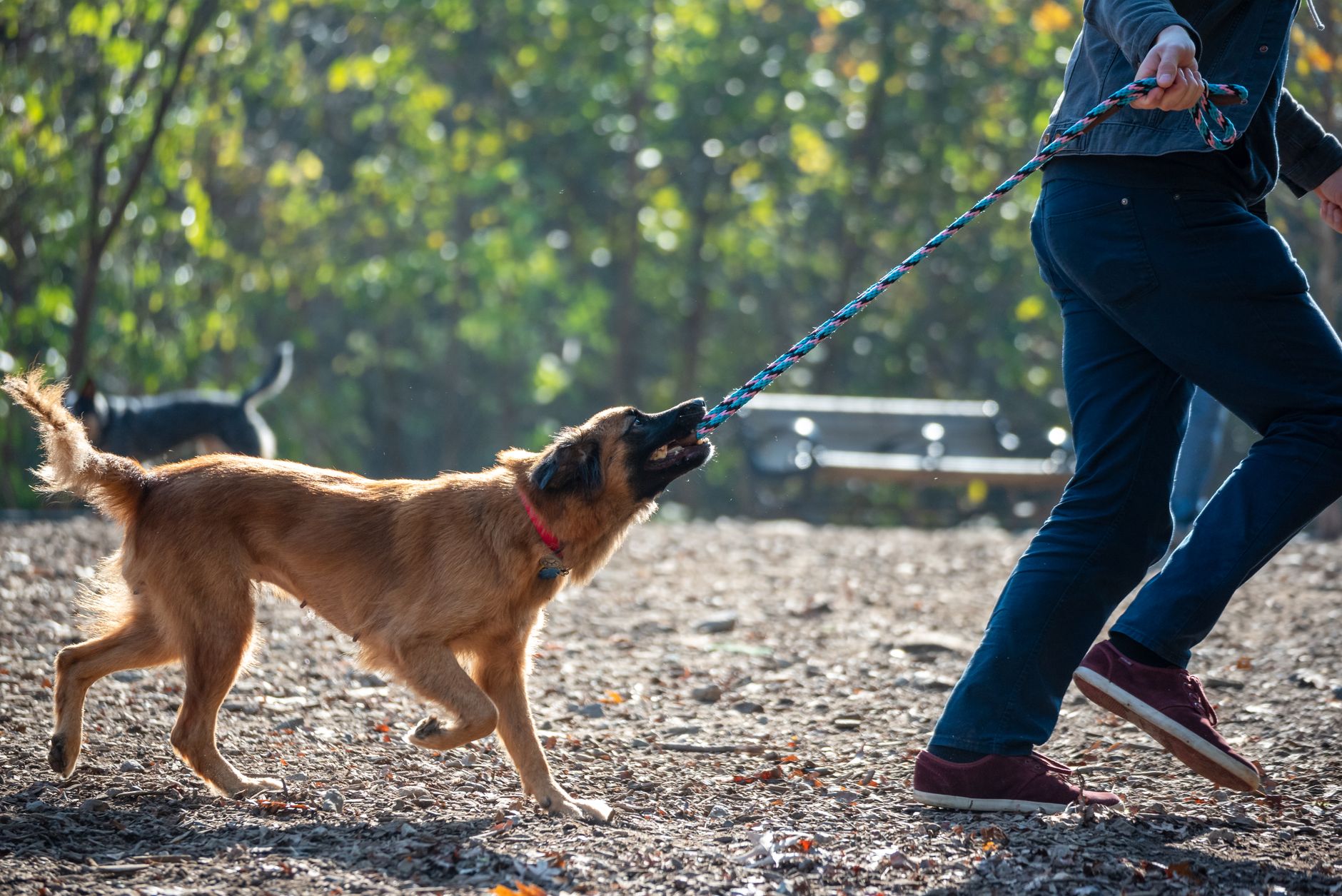
Why does my dog pull like crazy on the leash? The primary reason dogs pull is because it works – they reach their desired destination faster, reinforcing the pulling behavior and making it harder to break.

Understanding Leash Pulling: A Frustrating, But Common Issue
Leash pulling is one of the most common complaints dog owners have. It can make walks stressful and unenjoyable for both you and your furry friend. But understanding the underlying reasons why your dog pulls is the first step towards solving the problem. It’s rarely about dominance or spite. More often, it’s a combination of instinct, excitement, and learned behavior.
The Root Causes of Leash Pulling
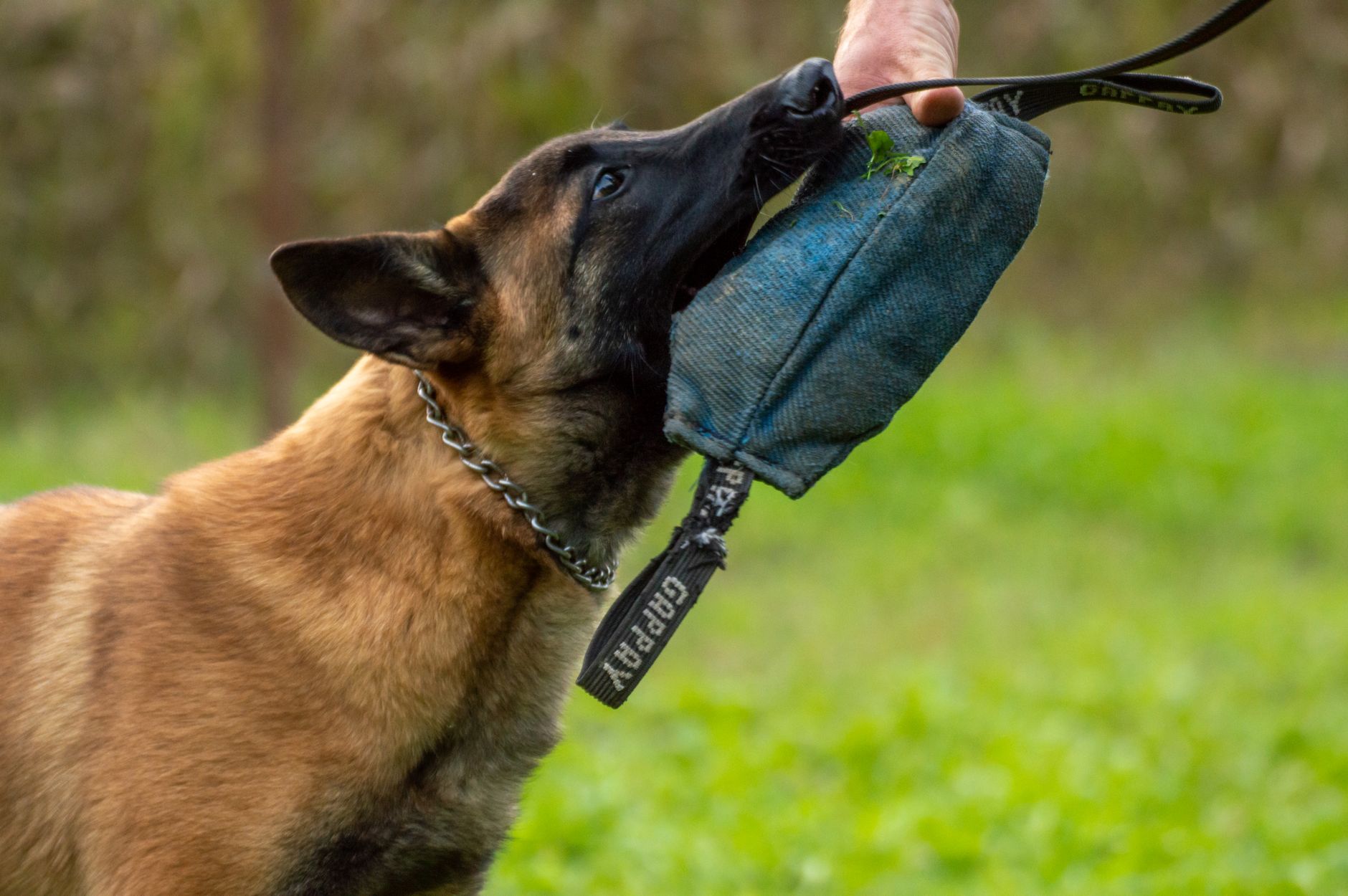
Several factors contribute to a dog’s tendency to pull on the leash. These include:
- Instinct: Dogs naturally want to explore and move forward. Their sniffing and investigating instincts often drive them forward, regardless of the leash.
- Faster Progress: When a dog pulls, they usually get to where they want to go faster. This positive reinforcement strengthens the pulling behavior.
- Excitement and Energy: Dogs with pent-up energy or high prey drives are more likely to pull, especially at the beginning of a walk.
- Lack of Training: Without proper training, dogs don’t understand what is expected of them on a leash.
- Equipment: Ill-fitting or uncomfortable collars and harnesses can contribute to pulling.
The Negative Consequences of Leash Pulling
Beyond the immediate frustration, leash pulling has several negative consequences:
- Physical Strain: Pulling can put a strain on your arms, back, and neck, and even lead to injuries.
- Dog Injuries: Repeated pulling can damage your dog’s trachea, especially if they are wearing a collar. It can also contribute to other musculoskeletal problems.
- Reduced Enjoyment: Leash pulling makes walks less enjoyable for both you and your dog, potentially leading to fewer walks overall.
- Social Problems: A dog that pulls is more difficult to control in public spaces, potentially leading to conflicts with other people or animals.
- Lost Opportunities: Owners may avoid taking their dogs to new places if they pull, therefore limiting their social development and enrichment opportunities.
Effective Training Techniques to Stop Leash Pulling
There are several effective techniques you can use to train your dog to walk politely on a leash:
- Positive Reinforcement: Reward your dog for walking nicely beside you with treats, praise, or toys.
- Change Direction: When your dog starts to pull, immediately change direction. This teaches them that pulling doesn’t get them where they want to go.
- Stop and Wait: When your dog pulls, stop moving completely until the leash is slack. Only proceed when they relax and give you their attention.
- Use a Head Halter or Front-Clip Harness: These tools discourage pulling by redirecting the dog’s movement. Important: They are not a substitute for training.
- Gradually Increase Distance: Start training in a quiet environment with minimal distractions. As your dog improves, gradually introduce more challenging environments.
- “Leave It” Command: Teaching your dog to “leave it” can help them ignore distractions and focus on you.
Tools to Help Stop Leash Pulling
Several tools can assist with leash training, but remember that they are most effective when used in conjunction with positive reinforcement and consistent training.
| Tool | Description | Pros | Cons |
|---|---|---|---|
| Flat Collar | A standard collar that sits around the dog’s neck. | Simple, readily available. | Can be uncomfortable and potentially harmful if the dog pulls excessively. |
| Front-Clip Harness | A harness that clips to the leash at the front of the dog’s chest. | Discourages pulling by redirecting the dog’s movement. | Some dogs find them uncomfortable; requires proper fitting. |
| Head Halter | A halter that fits around the dog’s muzzle, similar to a horse halter. | Provides excellent control; effectively redirects the dog’s head and body. | Requires careful introduction; some dogs strongly resist it. |
| Martingale Collar | A limited-slip collar that tightens slightly when the dog pulls, providing a gentle correction without choking. | Can be helpful for dogs who slip out of collars easily. | Can still put pressure on the trachea if the dog pulls excessively. |
| Retractable Leash | A leash that extends and retracts. | Allows the dog more freedom to explore, but not recommended if dealing with a pulling dog. | Encourages pulling; difficult to control the dog in unexpected situations; potential for injury. |
Common Mistakes to Avoid
- Inconsistency: Inconsistent training is one of the biggest reasons why dogs continue to pull.
- Using Force: Yelling, jerking the leash, or using punishment can damage your relationship with your dog and make the problem worse.
- Giving Up Too Soon: Leash training takes time and patience. Don’t get discouraged if you don’t see results immediately.
- Ignoring Distractions: Failing to manage distractions can derail your training progress.
- Failing to Reward Good Behavior: Focusing only on correcting pulling and forgetting to reward loose leash walking.
Maintaining Loose Leash Walking
Once your dog is walking nicely on a leash, it’s important to maintain that behavior through consistent reinforcement and practice. Continue to reward them for walking politely beside you, and occasionally test them in more challenging environments.
Frequently Asked Questions (FAQs)
Why is my dog suddenly pulling on the leash when he never used to?
There are several reasons why a dog may suddenly start pulling after previously walking nicely on a leash. Changes in routine, such as less exercise, new environmental stimuli (like a new neighbor dog), or underlying medical issues, can all contribute to increased pulling. Re-evaluate your dog’s physical and mental needs and revisit basic leash training techniques.
What’s the difference between a head halter and a front-clip harness?
A head halter fits around the dog’s muzzle and provides more direct control over their head, making it very effective at redirecting their attention when they pull. A front-clip harness attaches the leash to the front of the dog’s chest, which makes it harder for them to pull forward and gives you better leverage to redirect them. Both tools can be helpful, but some dogs tolerate one better than the other.
How long will it take to stop my dog from pulling on the leash?
The time it takes to stop leash pulling varies greatly depending on the dog’s age, breed, temperament, previous training, and your consistency with training. Some dogs may show improvement in a few weeks, while others may take several months. The key is to remain patient and consistent with your training efforts.
Is it okay to use a retractable leash if my dog pulls?
Generally, retractable leashes are not recommended for dogs that pull. They encourage pulling because the dog learns that extending the leash gets them farther. A standard leash (4-6 feet) allows for better control and is more suitable for training.
My dog only pulls when he sees other dogs. What should I do?
This is a common issue called reactivity. Start by increasing the distance between your dog and other dogs until he is no longer reactive. Then, use positive reinforcement to reward calm behavior in the presence of other dogs. Gradually decrease the distance as your dog improves. Consider consulting a professional trainer or behaviorist.
Can I use a prong collar to stop my dog from pulling?
Prong collars can be effective in reducing pulling, but they should only be used under the guidance of a qualified professional who can teach you how to use them properly. Incorrect use can cause pain and injury and can damage your relationship with your dog. Positive reinforcement methods are generally preferred.
What are the best treats to use for leash training?
The best treats are small, high-value treats that your dog loves. Think about soft, easily chewable treats such as bits of cooked chicken, cheese, or hot dogs. These high-value treats help keep their attention.
How often should I practice leash training?
Aim for short, frequent training sessions throughout the day, rather than long, infrequent ones. 5-10 minutes of training 2-3 times a day is often more effective than a single 30-minute session. Consistency is key!
My dog walks nicely at the beginning of the walk, but starts pulling later. Why?
This is often due to a combination of increasing excitement and decreasing mental energy. As your dog gets more stimulated by the environment, they may become more prone to pulling. Try incorporating mental stimulation activities, such as puzzle toys or obedience exercises, into your walks to help keep them focused.
What if my dog is pulling because he’s afraid of something?
If your dog is pulling out of fear, the best approach is to identify the trigger and gradually desensitize him to it. Start by exposing him to the trigger at a distance where he feels comfortable, and then gradually decrease the distance as he becomes more relaxed. Never force your dog to confront their fear.
Is it ever too late to train an older dog to stop pulling?
It’s never too late to train a dog, regardless of their age. While older dogs may learn at a slower pace, they are still capable of learning new behaviors. Be patient, consistent, and use positive reinforcement.
Why does my dog pull like crazy on the leash? Even after training?
Even after initial success, dogs can relapse if training isn’t continuously reinforced and adapted to changing environments. There are many reasons why does my dog pull like crazy on the leash? including inconsistent cues, environmental distractions or increased excitement. Regular reinforcement exercises are critical and may require you to dial back to the basics in new or overly stimulating situations.