

Why Does My Dog Pretend to Bury His Food With His Nose?
This behavior, often seen even with kibble in a food bowl, stems from deeply ingrained survival instincts. Why does my dog pretend to bury his food with his nose? The primary reason is a lingering ancestral drive to hide resources from competitors, even if your pampered pooch isn’t actually lacking for dinner.
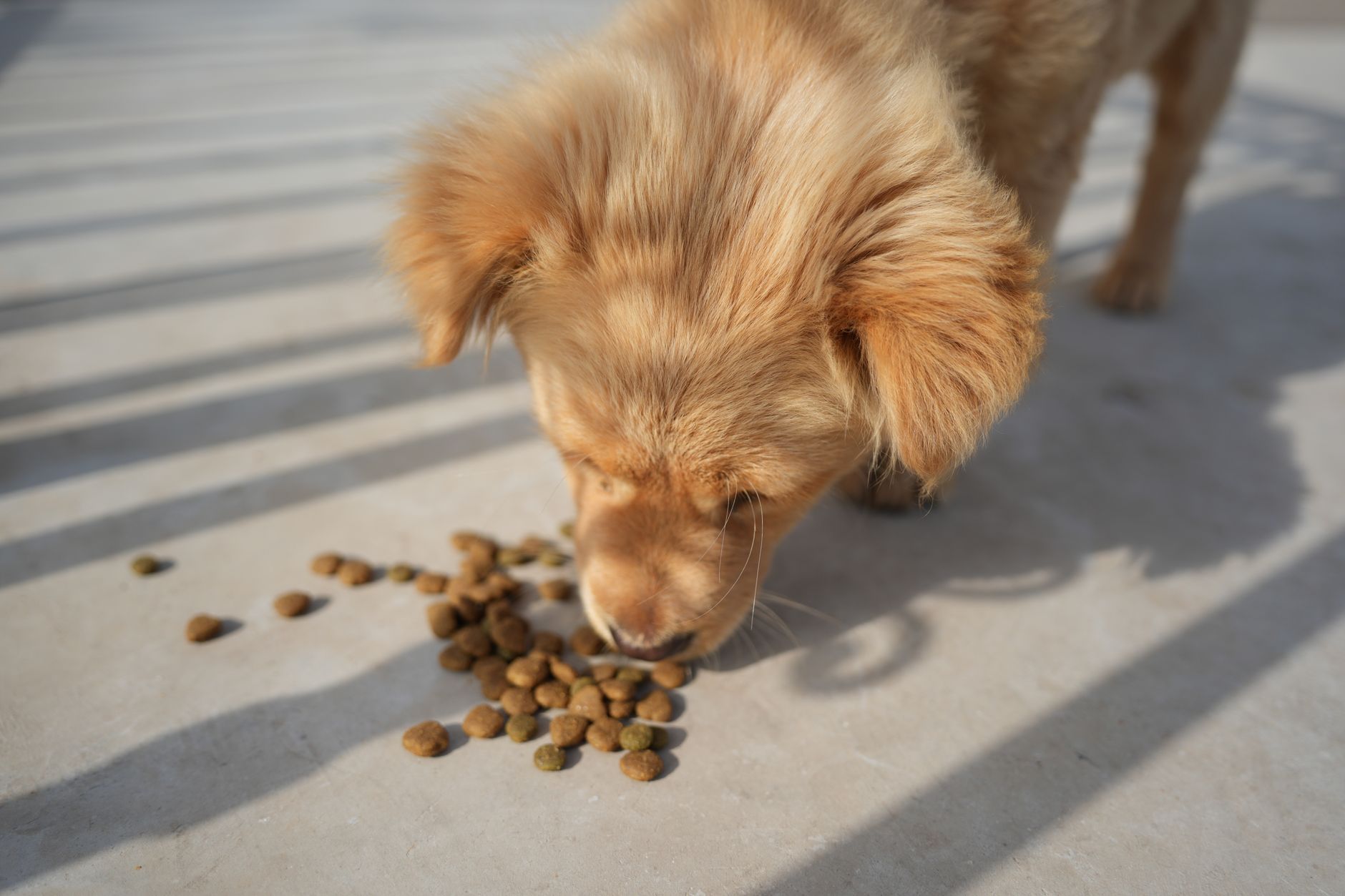
The Lingering Echoes of Ancestry: The Wild Dog’s Pantry
The seemingly quirky habit of “burying” food with their nose is a fascinating window into the evolutionary history of domestic dogs. Our canine companions, despite centuries of domestication, still carry within them the genetic blueprint of their wild ancestors. In the wild, food security was a constant concern. Wolves and other wild canids would often kill prey larger than they could consume in one sitting. To protect this valuable resource from scavengers and other predators, they would bury it, covering it with dirt, leaves, and debris to mask the scent.
This behavior wasn’t about a need for food later; it was about protecting food they already had from competition. A buried carcass was less likely to attract unwanted attention, allowing the dog to return later and finish their meal without fear of it being stolen.
The Modern Dog: Instinct vs. Reality
Now, consider your modern, well-fed dog. They likely have a consistent supply of high-quality food, readily available in a clean bowl. They aren’t battling starvation, nor are they fending off rival predators. So why does my dog pretend to bury his food with his nose in this seemingly illogical situation?
The answer lies in the persistence of instinct. Domestication, while significantly altering certain aspects of canine behavior, hasn’t completely eradicated these deeply ingrained survival drives. The impulse to bury and protect food remains, manifesting as the characteristic nose-nudging and paw-scratching motions we often observe.
Beyond Instinct: Other Contributing Factors
While instinct is the primary driver, other factors can also contribute to this behavior:
- Satiety: If a dog isn’t particularly hungry, they may instinctively attempt to “save” the remaining food for later. This is particularly common with dogs who are free-fed or given excessively large portions.
- Stress and Anxiety: In some cases, “burying” behavior can be a sign of stress or anxiety. A dog who feels insecure about their food supply, perhaps due to competition with other pets or inconsistent feeding schedules, may be more likely to exhibit this behavior.
- Breed Predisposition: Certain breeds, particularly those with strong herding or digging instincts, may be more prone to this behavior. Terriers, for example, are known for their digging tendencies, which can extend to “burying” food.
- Simple Habit: Sometimes, the behavior simply becomes a habit. A dog may have initially started burying food for instinctual reasons, but the action becomes ingrained over time, even when the underlying motivation is no longer present.
Decoding the “Burying” Ritual: The Signs to Watch For
Understanding the nuances of your dog’s “burying” ritual can provide valuable insights into their emotional state and motivations. Observe their behavior closely, paying attention to the following cues:

- Intensity: Is the dog gently nudging the food, or are they actively digging and scratching around the bowl? Intense digging may indicate a stronger instinctual drive or underlying anxiety.
- Frequency: How often does the dog exhibit this behavior? Occasional “burying” is generally considered normal, while frequent or obsessive behavior may warrant further investigation.
- Context: What is happening around the dog when they engage in this behavior? Are they being disturbed or rushed while eating? Are there other pets present? Understanding the context can help identify potential triggers.
Addressing the Behavior: When to Intervene
In most cases, “burying” behavior is harmless and doesn’t require intervention. However, if the behavior is excessive, disruptive, or indicative of underlying anxiety, there are steps you can take to address it:
- Establish a Consistent Feeding Schedule: Predictable feeding times can help alleviate anxiety and food insecurity.
- Provide a Quiet, Undisturbed Eating Environment: Minimize distractions and competition during meal times.
- Adjust Portion Sizes: Avoid overfeeding your dog, as satiety can trigger burying behavior.
- Enrichment Activities: Provide alternative outlets for digging and burying instincts, such as a designated digging pit or puzzle toys.
- Consult with a Veterinarian or Certified Dog Trainer: If you suspect that the behavior is related to anxiety or other underlying issues, seek professional guidance.
| Factor | Possible Interpretation | Intervention Strategy |
|---|---|---|
| High intensity | Strong instinct/anxiety | Consistent feeding schedule, secure environment |
| High frequency | Habit/underlying issue | Enrichment, veterinary consultation |
| Context: Disturbance | Dog feels rushed/insecure | Quiet eating space, slow feeder bowl |
| Context: Other pets | Competition for resources | Separate feeding areas, supervised meal times |
Frequently Asked Questions (FAQs)
Why does my dog pretend to bury his food with his nose but then still eats it?
Even with the instinctive urge to bury and preserve food, hunger ultimately wins. Your dog might intend to save the food for later, but the immediate gratification of eating often overrides this instinct. This highlights the push and pull between inherited behavior and the present reality of having a readily available food source.
Is it normal for puppies to try to bury their food?
Yes, it’s quite normal. The instinct to bury food is present from a young age. Puppies are learning and developing, and these inherent behaviors are part of their exploration of the world and their place within it. It’s generally not a cause for concern.
Should I stop my dog from pretending to bury his food?
Unless the behavior is causing problems, such as excessive mess or anxiety, there’s usually no need to stop it. It’s a natural instinct, and trying to suppress it could potentially lead to frustration or other behavioral issues. Focus on managing the behavior rather than eliminating it entirely.
Could my dog be burying food to hide it from other pets in the house?
Absolutely. In a multi-pet household, competition for resources can be a significant motivator. Your dog may be attempting to hide the food from other animals to ensure they can enjoy it later without interference. Providing separate feeding areas can help alleviate this stress.
What does it mean if my dog only “buries” certain types of food?
If your dog only “buries” certain foods, it likely means they don’t find those foods as appealing. The “burying” behavior could be their way of saying, “I’m not that interested in this right now.” Offer a variety of food options to identify what your dog truly enjoys.
My dog buries his toys, too. Is that related to the food burying?
Yes, it’s definitely related. The instinct to “bury” extends beyond food. Dogs often bury valuable items, like toys, as a way to protect them from theft or damage. This behavior is driven by the same underlying desire to secure and preserve resources.
Is it possible that my dog is bored and that’s why he’s pretending to bury his food?
Boredom can certainly contribute to this behavior. A bored dog may engage in “burying” as a form of self-entertainment. Providing more mental and physical stimulation can help redirect their attention and reduce the frequency of the behavior.
Will providing a digging box help reduce the food-burying behavior?
Potentially, yes. A digging box can provide a safe and appropriate outlet for your dog’s digging instincts. By channeling their digging behavior into a designated area, you may be able to reduce the urge to “bury” food in their bowl.
My dog only does this behavior with treats, not his regular kibble. Why?
This suggests that your dog considers the treats to be higher-value items. They’re more motivated to protect and preserve these special rewards. It’s a further indication that “burying” is linked to the perceived value of the resource.
Why does my dog use his nose instead of his paws to “bury” the food?
Using the nose to nudge or cover the food is often a residual behavior related to how their ancestors would have pushed dirt and leaves over their hidden caches. It’s a symbolic act, even if it’s not entirely effective.
Can this behavior be a sign of obsessive-compulsive disorder (OCD) in dogs?
In rare cases, excessive or ritualistic “burying” behavior could be a sign of canine OCD. However, it’s important to rule out other potential causes first. Consult with a veterinarian or veterinary behaviorist for a proper diagnosis.
What can I do if my dog is burying food and then digging it up later and eating it? It is causing a mess.
Firstly, ensure the buried food isn’t becoming spoiled or attracting pests. To manage the mess, consider reducing the amount of food offered at each feeding or feeding your dog in a crate or designated area that is easier to clean. If the behavior continues to be problematic, contact a vet or qualified behaviorist who can assess your dog’s behaviour and make specific recommendations.