
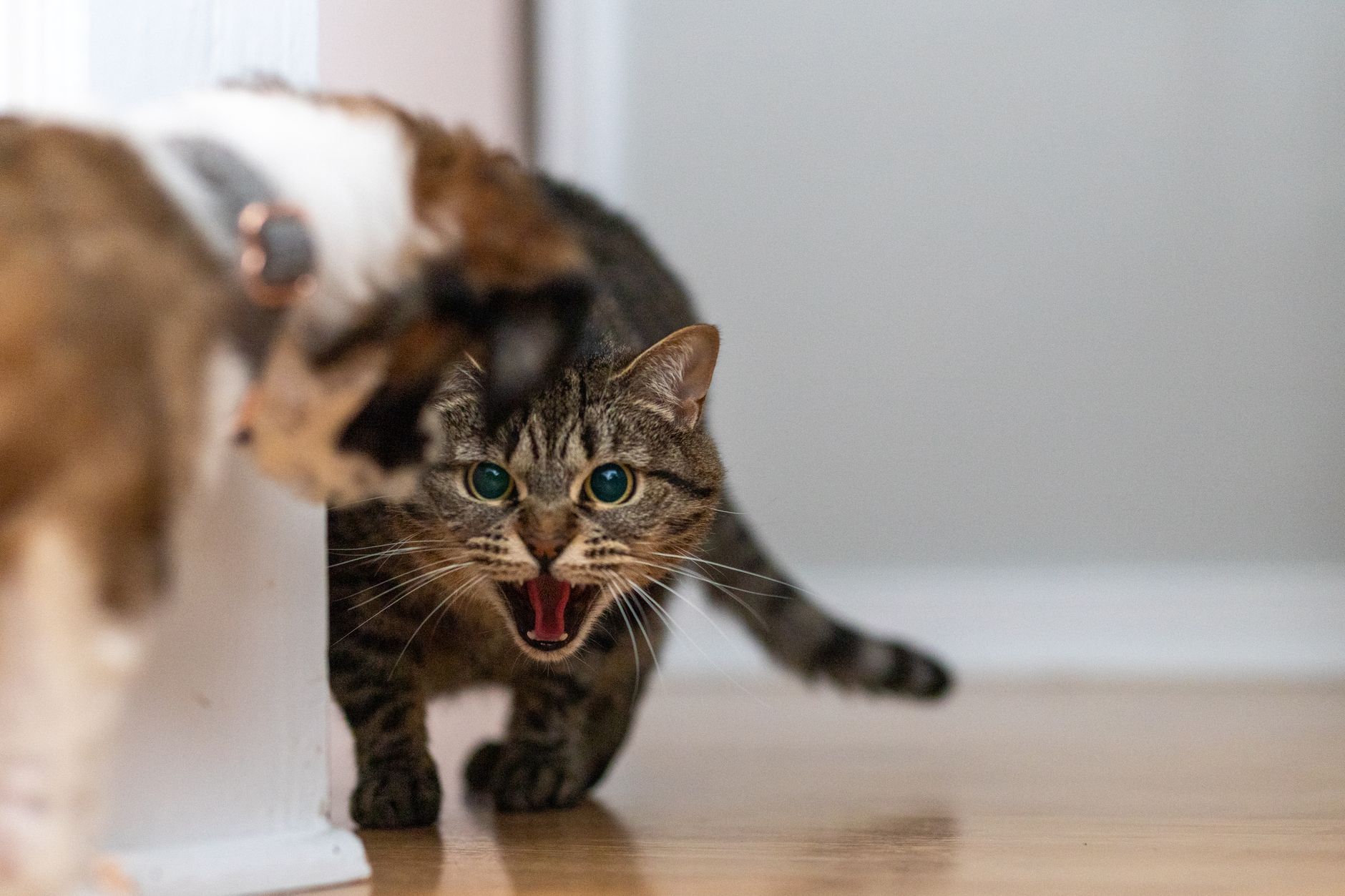
Why Does My Dog Get Aggressive When I Try to Pick Her Up? Unpacking the Aggression
The reason your dog gets aggressive when you try to pick her up is likely rooted in pain, fear, or a learned negative association with being handled; understanding the underlying cause is crucial for addressing the issue.

Picking up a dog should be a positive or, at the very least, neutral experience. When a dog reacts aggressively – growling, snapping, or biting – it’s a clear signal that something is wrong. Let’s delve into the reasons behind this behavior and how to approach it.
Understanding Canine Aggression: A Foundation
Canine aggression is a complex behavior influenced by various factors. It’s essential to remember that aggression is often a fear response, a way for a dog to protect itself from a perceived threat. Understanding the potential triggers is the first step in resolving the problem. Ignoring the signs can cause a significant rupture in the trust and love between pet and owner.
Potential Medical Reasons for Aggression

One of the most common reasons why a dog gets aggressive when you try to pick her up is underlying pain or discomfort. Even a gentle touch can trigger a painful reaction if the dog has:
- Arthritis
- Spinal issues
- Muscle strains
- Skin infections
- Internal injuries
A thorough veterinary examination is crucial to rule out any medical causes. Let your veterinarian know about the problem and allow them to examine the dog in the way that usually triggers the response so that they can diagnose the underlying issue.
Fear and Anxiety as Triggers
Even if there are no underlying health issues, your dog may be fearful or anxious. Some dogs have negative past experiences associated with being picked up. This could stem from:
- Being dropped accidentally
- Having a previous injury aggravated by being lifted
- Early socialization issues leading to general handling sensitivity
If your dog did not have socialization as a puppy, they may not be completely comfortable with being handled. Some dogs simply don’t like being lifted off the ground, feeling vulnerable and out of control.
Learned Behavior and Negative Associations
Dogs learn through association. If being picked up has consistently led to unpleasant experiences, your dog may get aggressive when you try to pick her up due to a learned negative association. This could be linked to:
- Forced handling for grooming or medication
- Being picked up before being taken to the vet
- Inconsistent or rough handling
The dog associates being lifted with the unpleasant experience that follows. This can be very difficult to correct without using proper techniques.
Strategies for Addressing Aggression
Addressing aggression requires patience, understanding, and a gradual approach. It’s crucial to avoid punishing your dog, as this can worsen the problem. Focus on building trust and changing the dog’s association with being picked up.
- Consult with a qualified dog behaviorist or certified professional dog trainer.
- Identify and eliminate the triggers, such as health conditions, physical stress, or trauma.
- Change negative feelings to positive ones by associating being picked up with praise, treats, or favorite toys.
- Train your dog using counterconditioning techniques.
- If the aggression is severe, you may need medication to treat the condition.
Gradual Desensitization and Counterconditioning
Desensitization involves gradually exposing the dog to the trigger (being picked up) in a controlled and safe environment. Counterconditioning pairs the trigger with something positive, such as high-value treats.
- Start with the basics: Approach your dog calmly and offer a treat.
- Touch gently: Gradually introduce gentle touching on the areas you would normally touch when picking her up.
- Lift slightly: Start by simply placing your hands under her belly without lifting. Reward with treats.
- Short lifts: Gradually increase the height and duration of the lift, always rewarding positive behavior.
- End on a positive note: Stop the training session before the dog shows any signs of stress.
This process may take weeks or months, depending on the severity of the aggression and the dog’s individual temperament.
The Importance of Professional Help
If you’re struggling to manage your dog’s aggression, seeking professional help is essential. A qualified dog behaviorist or certified professional dog trainer can assess the situation and develop a customized training plan. They can also help you identify any underlying medical or behavioral issues that may be contributing to the problem.
A professional can teach you to manage your dog more effectively. They can provide help and advice as you tackle the causes that make her aggressive.
Prevention is Key
Early socialization and positive handling experiences are crucial for preventing aggression. Expose puppies to a variety of people, environments, and handling procedures from a young age. Make sure all interactions are positive and rewarding.
| Prevention Strategy | Description |
|---|---|
| Early Socialization | Expose puppies to various sights, sounds, and handling early in life. |
| Positive Reinforcement | Use treats, praise, and toys to reward calm behavior. |
| Gentle Handling | Avoid rough or forceful handling, which can create fear and anxiety. |
| Veterinary Care | Regularly monitor your dog’s health and address any pain or discomfort promptly. |

Frequently Asked Questions (FAQs)
Why does my dog only get aggressive when I try to pick her up, but not others?
This often indicates that your dog associates you specifically with negative experiences related to being picked up. Maybe you’re the one who usually handles her for unpleasant tasks like nail trims or vet visits, or perhaps you unknowingly use a grip that makes her uncomfortable. Consider having another family member demonstrate how they pick her up, observing if they use a different technique.
Can aggression when being picked up be a sign of hip dysplasia in dogs?
Yes, hip dysplasia can absolutely be a contributing factor. The pain associated with the condition can make being lifted extremely uncomfortable, triggering an aggressive response. A veterinary exam, including X-rays, is essential to rule out hip dysplasia or other orthopedic issues.
Is it ever okay to punish my dog for growling or snapping when I try to pick her up?
Never punish your dog for growling or snapping. These are warning signals, communicating that she is uncomfortable or in pain. Punishing her will only suppress the warning signals, potentially leading to biting without warning, and it will damage your relationship.
How can I make being picked up a more positive experience for my dog?
Start by associating your presence with positive reinforcement. Give her treats and praise when you approach her. Then, gradually introduce gentle touching, rewarding her for remaining calm. Slowly work your way up to lifting her, always pairing the action with positive reinforcement.
What are some signs that my dog is uncomfortable with being picked up?
Signs of discomfort can include: tense body posture, lip licking, yawning, whale eye (showing the whites of the eyes), flattened ears, growling, snapping, or trying to move away. Pay close attention to these signals and stop if you see any of them.
My dog was fine with being picked up as a puppy, but now she’s aggressive. What could have changed?
This could indicate an underlying medical issue that has developed over time, such as arthritis or a spinal problem. It could also be due to a traumatic experience that occurred sometime after being a puppy. A thorough veterinary examination is necessary to determine the cause.
What if my dog is only aggressive when I try to pick her up in a certain way?
This suggests that the way you are holding her may be causing discomfort. Experiment with different grips and see if one is more comfortable for her. Avoid putting pressure on sensitive areas, such as her abdomen or spine.
How long will it take to train my dog to be comfortable with being picked up?
The time it takes will vary depending on the dog’s individual temperament, the severity of the aggression, and the underlying cause. It could take weeks, months, or even longer. Patience, consistency, and positive reinforcement are key.
Is it possible my dog just doesn’t like being picked up, regardless of any medical or behavioral issues?
Yes, some dogs simply don’t enjoy being lifted off the ground. Respect your dog’s preferences. If she doesn’t like being picked up, find alternative ways to interact with her, such as petting her on the ground or playing with her.
What kind of treats should I use for counterconditioning?
Use high-value treats that your dog absolutely loves, such as small pieces of cooked chicken, cheese, or hot dogs. These treats should be reserved specifically for training sessions and not given at other times.
When should I consult a veterinarian or dog behaviorist about this issue?
Consult a veterinarian as soon as possible to rule out any medical issues. If the aggression is severe, persistent, or you are unable to manage it on your own, seek the guidance of a certified dog behaviorist or certified professional dog trainer.
Can certain breeds be more prone to aggression when being picked up?
While any dog can develop aggression when being picked up, certain breeds that are naturally more independent or sensitive may be more likely to react negatively if handled in a way they don’t like. Breed-specific temperament and sensitivity should always be taken into account.