

Why Does My Dog Drag Me Back Home on Walks?
Your dog dragging you back home on walks typically stems from negative associations with being away from home, anxiety, or a desire for routine and comfort. Understanding the underlying reason is key to addressing and modifying this behavior.
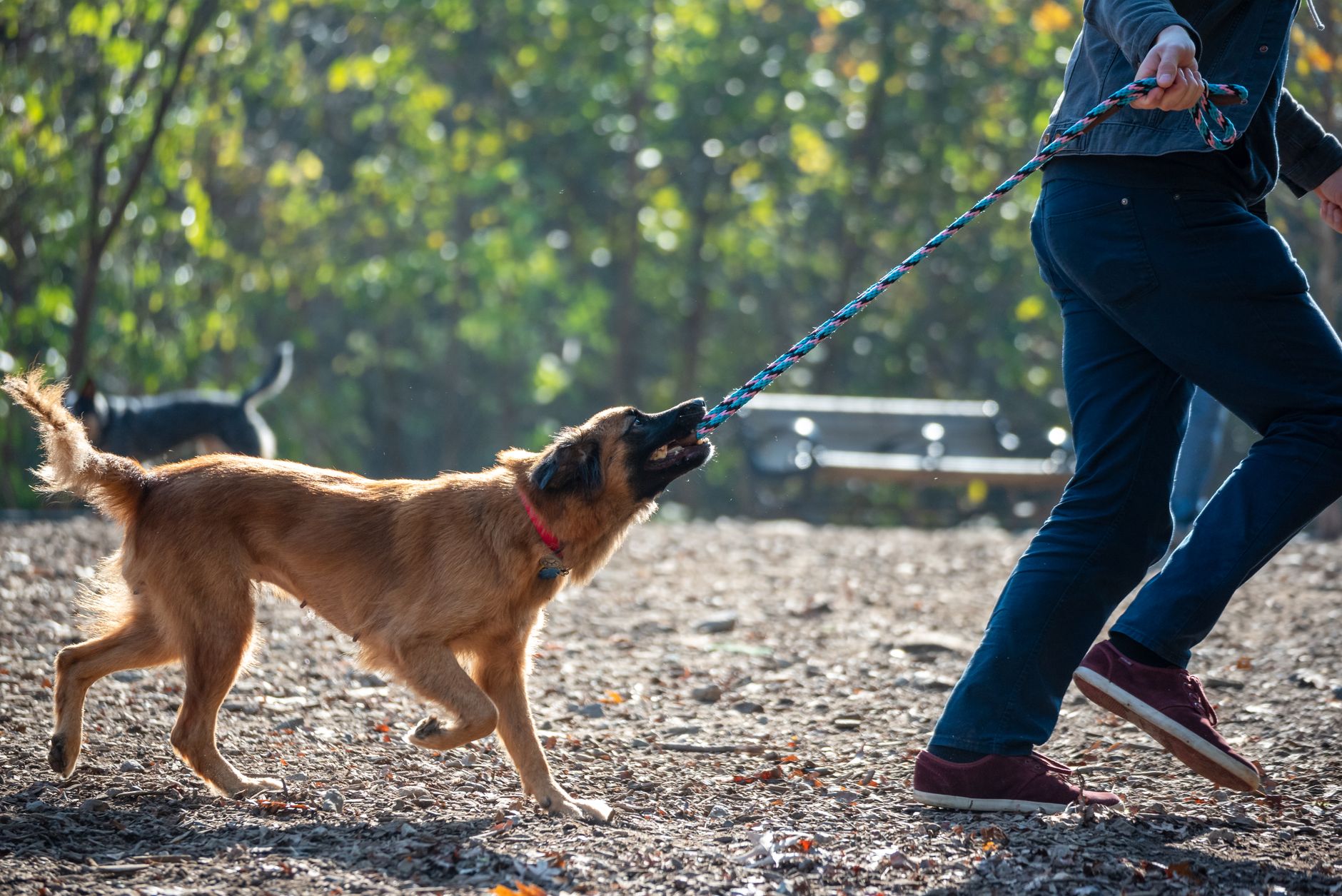
Dogs are creatures of habit, comfort, and sometimes, fear. When your leisurely stroll turns into a canine tug-of-war in the direction of home, it’s time to investigate why does my dog drag me back home on walks? This behavior, while frustrating, is often a symptom of a deeper issue, ranging from simple boredom to significant anxiety. This article will explore the various reasons behind this behavior, providing actionable insights to help you and your furry friend enjoy walks together.
Understanding the Root Causes
Several factors can contribute to a dog’s reluctance to leave the familiar sanctuary of home. Identifying the specific cause is crucial for effective intervention.
- Anxiety and Fear: The world outside can be a scary place for some dogs. Loud noises, unfamiliar scents, other dogs, or even specific locations can trigger anxiety, causing them to bolt for the perceived safety of home.
- Negative Associations: If a dog has had a negative experience on a walk (e.g., a confrontation with another dog, being startled by a car), they may associate walks with unpleasantness, leading them to resist going forward.
- Boredom and Lack of Stimulation: Ironically, a walk that’s too routine or lacking in engaging stimuli can also trigger resistance. If the walk offers no interesting smells, sights, or opportunities for exploration, the dog may become bored and simply want to go home.
- Physical Discomfort or Illness: Pain or discomfort, such as arthritis or paw injuries, can make walking unpleasant. In this case, a dog might try to shorten the walk and return to a more comfortable environment.
- Learned Behavior: Sometimes, dragging can become a learned behavior. If a dog initially pulls to go home and is rewarded by the walk ending (i.e., they get their way), they will be more likely to repeat the behavior in the future.
- Desire for Routine: Dogs thrive on predictability. If the walk disrupts their usual routine (e.g., feeding time, nap time), they may resist and want to return to their established schedule.
Benefits of Addressing the Issue

Addressing why does my dog drag me back home on walks? isn’t just about making walks more pleasant for you; it’s also about improving your dog’s well-being.
- Reduced Anxiety: By addressing the underlying causes of their anxiety, you can help your dog feel more confident and secure in the outside world.
- Stronger Bond: Working through this issue together will strengthen the bond between you and your dog, building trust and understanding.
- Improved Physical Health: Regular walks are crucial for your dog’s physical health. Addressing the resistance will allow you to ensure they get the exercise they need.
- Better Socialization: If anxiety is the root cause, addressing it can help your dog become more comfortable interacting with other dogs and people, leading to improved socialization skills.
Strategies for Overcoming Resistance
Successfully addressing this issue requires patience, consistency, and a willingness to experiment with different approaches. Here are some strategies you can try:
- Identify the Trigger: Pay close attention to when and where your dog starts pulling. This will help you identify potential triggers for their anxiety or discomfort.
- Positive Reinforcement: Use treats, praise, or toys to reward your dog for walking calmly and in the desired direction. This reinforces the positive association with going forward.
- Change the Route: Experiment with different routes to see if a change of scenery helps. Choose routes with interesting smells and sights to keep your dog engaged.
- Shorten the Walk: If your dog is consistently resistant to longer walks, start with shorter walks and gradually increase the duration as they become more comfortable.
- Consult a Veterinarian: Rule out any potential medical issues that could be causing discomfort or pain.
- Professional Training: Consider working with a professional dog trainer or behaviorist. They can help you develop a customized training plan tailored to your dog’s specific needs.
- Use Appropriate Equipment: A front-clip harness can give you more control and reduce the likelihood of pulling. Avoid using choke chains or prong collars, as these can cause pain and anxiety.
Common Mistakes to Avoid
While trying to address the issue, avoid these common mistakes that can worsen the problem.
- Punishment: Never punish your dog for pulling. This will only increase their anxiety and make them more resistant to walks.
- Forcing the Issue: Dragging your dog or forcing them to go where they don’t want to go will only reinforce their negative association with walks.
- Inconsistency: Be consistent with your training and reinforcement. Inconsistent behavior will confuse your dog and make it harder for them to learn.
- Ignoring the Underlying Cause: Treating the symptoms without addressing the underlying cause (e.g., anxiety, discomfort) will likely result in the behavior continuing.
Comparing Harness Types
| Feature | Front-Clip Harness | Back-Clip Harness |
|---|---|---|
| Pulling Control | Excellent; redirects the dog’s attention | Less effective; encourages pulling |
| Comfort | Generally comfortable; may require adjustment | Generally comfortable; less restrictive |
| Best Use Case | Dogs prone to pulling; training | Dogs who walk calmly; everyday use |
| Risk of Injury | Low, if properly fitted | Low, if properly fitted |
Frequently Asked Questions (FAQs)
Is it normal for puppies to resist going for walks?
Yes, it’s relatively common for puppies to be hesitant about walks. They are still getting used to the world and may be easily overwhelmed by new sights, sounds, and smells. Gradual exposure and positive reinforcement are key to helping them adjust.
How can I tell if my dog’s resistance is due to anxiety?
Signs of anxiety include panting, trembling, lip licking, whale eye (showing the whites of their eyes), and a tucked tail. If your dog exhibits these behaviors when you approach the leash or head outside, anxiety is likely a contributing factor.
What if my dog only pulls in one direction, specifically back home?
This often indicates a strong preference or perceived safety associated with returning home. It could be related to a specific event that happened on the outward part of the walk, or simply a desire for comfort and routine.
Why does my dog suddenly start pulling after walking fine for part of the walk?
This could indicate fatigue, discomfort, or a trigger encountered along the way. Pay attention to the environment and your dog’s body language to identify the potential cause.
What role does breed play in a dog’s resistance to walks?
Some breeds are naturally more independent or prone to anxiety than others. However, individual temperament and training are more significant factors than breed alone.
How can I make walks more engaging for my dog?
Incorporate activities like sniffing breaks, playing fetch, or practicing obedience commands during the walk to keep your dog mentally stimulated.
What should I do if my dog is afraid of other dogs on walks?
Gradually expose your dog to other dogs from a distance, rewarding them for calm behavior. Consider working with a trainer to develop a desensitization and counter-conditioning plan.
Can diet affect my dog’s willingness to walk?
While diet isn’t usually a primary cause, poor nutrition can lead to low energy levels, making walks less enjoyable. Ensure your dog is eating a high-quality, balanced diet.
How often should I walk my dog if they resist going out?
Start with short, frequent walks and gradually increase the duration as your dog becomes more comfortable. Consistency is key, even if it means just going to the end of the block and back.
What if my dog refuses to move at all and just sits down?
This often indicates fear, anxiety, or stubbornness. Avoid pulling or dragging your dog. Instead, try using treats or toys to lure them forward, or consider ending the walk and trying again later.
Why does my dog drag me back home on walks, even though they love playing outside in the yard?
This suggests the issue is specific to walks, not being outside in general. Consider that leashes themselves can contribute to anxiety, or that areas outside of the yard may feel overwhelming.
When should I seek professional help from a dog trainer or behaviorist?
If you’ve tried various strategies and your dog’s resistance persists, or if their anxiety is severe, consulting a professional is highly recommended. A trainer or behaviorist can provide personalized guidance and help you develop a comprehensive training plan to resolve why does my dog drag me back home on walks?