

Why Does My Cat Lie On My Legs At Night?
Your cat probably lies on your legs at night for a combination of comfort, warmth, and security. It’s a way for them to bond with you and feel safe while they sleep.

Introduction: The Mystery of the Midnight Leg-Lover
Cats are enigmatic creatures, their behavior often perplexing to their human companions. One particularly common and endearing habit is that of lying on their owner’s legs at night. While it might seem like a simple act of affection, there’s a complex interplay of instincts and needs driving this behavior. Understanding these motivations can deepen your bond with your feline friend and provide insights into their overall well-being. Why does my cat lie on my legs at night? It’s a question asked by cat owners worldwide, and the answer is multifaceted, encompassing everything from temperature regulation to social bonding.
The Primary Drivers: Warmth, Security, and Love
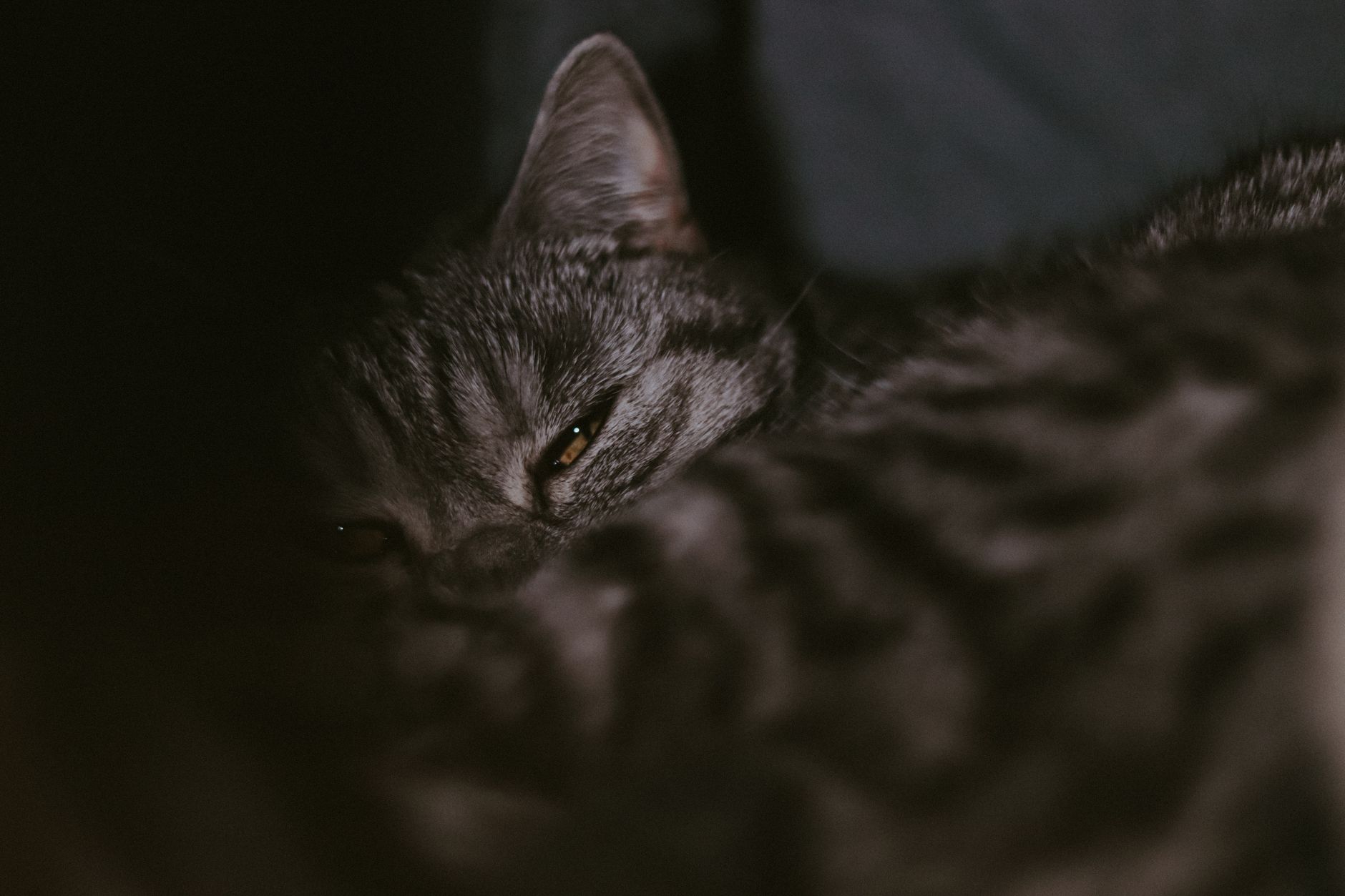
Several key factors contribute to a cat’s preference for your legs as their nightly resting place. These can broadly be categorized into physical comfort, psychological security, and social bonding.
- Warmth: Cats have a slightly higher body temperature than humans (around 100-102.5°F), meaning they can feel colder more easily. Your legs provide a constant source of radiant heat, making them an attractive spot to curl up and maintain a comfortable body temperature.
- Security: Sleep is a vulnerable time for any animal. Lying close to you provides a sense of security and protection. Your presence acts as a deterrent to potential threats, allowing your cat to relax and sleep more soundly. They feel safer knowing you’re nearby.
- Affection & Bonding: Cats often show affection by being close to their favorite humans. Lying on your legs is a way for them to reinforce their bond with you and display their trust and love. It’s their way of saying, “I feel safe and happy with you.”
- Comfort: Human legs, especially under blankets or duvets, provide a soft and yielding surface to sleep on.
Scent Marking: Claiming You as Their Territory
Cats have scent glands located in various parts of their body, including their paws and face. By kneading or rubbing against your legs, they are depositing their scent and marking you as part of their territory. This scent marking is a common feline behavior and a sign that they consider you to be a valuable resource and a member of their social group. It’s a way for them to communicate to other cats (even if there aren’t any in the house!) that you belong to them.
The Role of Instinct: Back to Basics
Cats, despite being domesticated, still retain many of their wild instincts. One such instinct is the need for safety and security during sleep. In the wild, cats would often sleep in groups for protection from predators. Lying on your legs taps into this primal instinct, providing a sense of communal safety and shared warmth. This is another reason why does my cat lie on my legs at night? – it’s a leftover behavior from their wild ancestors.
When is it a Problem? Recognizing Red Flags
While most instances of cats lying on legs are harmless and even endearing, there are times when it could indicate an underlying issue. Look out for the following signs:
- Excessive Clinginess: If your cat suddenly becomes overly clingy and anxious when you leave, it could be a sign of separation anxiety.
- Pain or Discomfort: If your cat appears stiff or uncomfortable when lying on your legs, it could be a sign of arthritis or another medical condition. Observe their movements carefully.
- Changes in Behavior: Any sudden changes in your cat’s behavior, such as increased vocalization, aggression, or loss of appetite, warrant a visit to the veterinarian.
Solutions and Strategies: Making Everyone Comfortable
If your cat’s nightly leg-lying is becoming problematic (e.g., you can’t move, or they’re disturbing your sleep), there are ways to address it without hurting their feelings.
- Provide an Alternative: Offer them a warm, comfortable bed near your legs, or even on your bed if you’re comfortable with it.
- Positive Reinforcement: Reward them with treats and affection when they choose to sleep in their own bed.
- Maintain a Consistent Routine: Cats thrive on routine. A consistent feeding and playtime schedule can help reduce anxiety and promote relaxation.
- Consider a Heated Bed: A heated cat bed can mimic the warmth of your legs and provide a similar sense of comfort.
| Strategy | Description | Benefits | Potential Drawbacks |
|---|---|---|---|
| Alternative Bed | Provide a comfortable, designated sleeping spot. | Gives the cat an alternative, prevents leg-sleeping. | May not immediately work; requires patience. |
| Positive Reinforcement | Reward desired behavior (sleeping in their bed). | Encourages preferred behavior, strengthens the bond. | Requires consistent application and the cat may still prefer your legs. |
| Consistent Routine | Regular feeding and playtime schedules. | Reduces anxiety, promotes relaxation, makes the cat feel secure. | Requires dedication and adherence to the schedule. |
| Heated Bed | Offers a source of constant warmth. | Mimics the warmth of your legs, very appealing to cats. | Some cats may not like it; requires electricity. |
Conclusion: A Sign of Love and Trust
Ultimately, why does my cat lie on my legs at night? It’s usually a sign of affection, security, and a desire for warmth. It signifies a strong bond between you and your feline companion. While it’s important to ensure their comfort and well-being, remember to appreciate this endearing behavior for what it is: a testament to the love and trust your cat has for you. Embrace the warmth, the purrs, and the knowledge that you are providing a safe and comfortable haven for your furry friend.

Frequently Asked Questions
Why does my cat only lie on my legs at night?
Cats are crepuscular animals, meaning they are most active during dawn and dusk. They sleep for much of the day and are more likely to seek warmth and security at night when they’re less active. This is also when you’re typically still and available, making your legs a convenient and appealing resting place.
Is it normal for my cat to knead my legs before lying down?
Yes, kneading is a perfectly normal feline behavior. It’s a remnant of kittenhood when they would knead their mother’s abdomen to stimulate milk production. As adults, they continue to knead as a sign of comfort, contentment, and affection. They also use it to mark their territory with scent glands in their paws.
My cat purrs loudly when lying on my legs. What does that mean?
Purring is often associated with contentment and happiness in cats. When your cat purrs while lying on your legs, it’s a strong indication that they feel relaxed, secure, and loved. However, cats also purr when they are injured or stressed, but in those cases, you would likely see other signs such as panting, hiding, or aggression.
Should I be concerned if my cat suddenly stops lying on my legs?
A sudden change in your cat’s behavior can sometimes be a sign of an underlying medical issue. If your cat suddenly stops lying on your legs and shows other symptoms such as loss of appetite, lethargy, or changes in litter box habits, it’s best to consult with a veterinarian.
Can my cat lying on my legs at night affect my sleep?
It depends on the cat and the individual. Some people find the weight and warmth comforting, while others find it disruptive. If it’s affecting your sleep, try providing your cat with an alternative sleeping spot.
Is it okay to push my cat off my legs if I need to move?
It’s best to avoid abruptly pushing your cat off your legs, as this could startle or scare them. Instead, gently coax them off with a treat or by creating a noise that attracts their attention.
Does my cat lying on my legs mean they are cold?
While warmth is a contributing factor, it’s not the only reason. Cats are drawn to warmth, but they also seek security, affection, and a comfortable place to rest. Even in warm temperatures, they may still choose to lie on your legs.
What if I don’t want my cat to lie on my legs at all?
If you’re determined to discourage the behavior, consistently redirect your cat to an alternative sleeping spot and reward them when they choose that spot. Be patient and consistent, and eventually, they may learn to prefer their own bed.
My cat only lies on one particular person’s legs in the household. Why is that?
Cats often form stronger bonds with one person in the household, based on factors like who feeds them, plays with them, and provides them with the most attention. They may choose to lie on that person’s legs because they feel most secure and comfortable with them.
Does the breed of cat influence whether they lie on legs at night?
While breed can play a role in personality traits, the individual cat’s temperament and experiences are more significant factors. Some breeds, like Ragdolls and Persians, are known for being particularly affectionate and cuddly, but any cat can develop the habit of lying on legs.
My cat is very vocal while lying on my legs. What does this mean?
Vocalization while lying on your legs can indicate various things. It could be a sign of contentment, a way of seeking attention, or even a way of marking you as their territory. Pay attention to the tone and context of the vocalization to better understand what your cat is trying to communicate.
Will providing a pet bed with my scent on it help?
Yes! Placing an old t-shirt or blanket with your scent on it in a pet bed can be a very effective way to encourage your cat to use the bed as an alternative to your legs. The familiar scent can provide them with a sense of comfort and security, making the bed more appealing.