
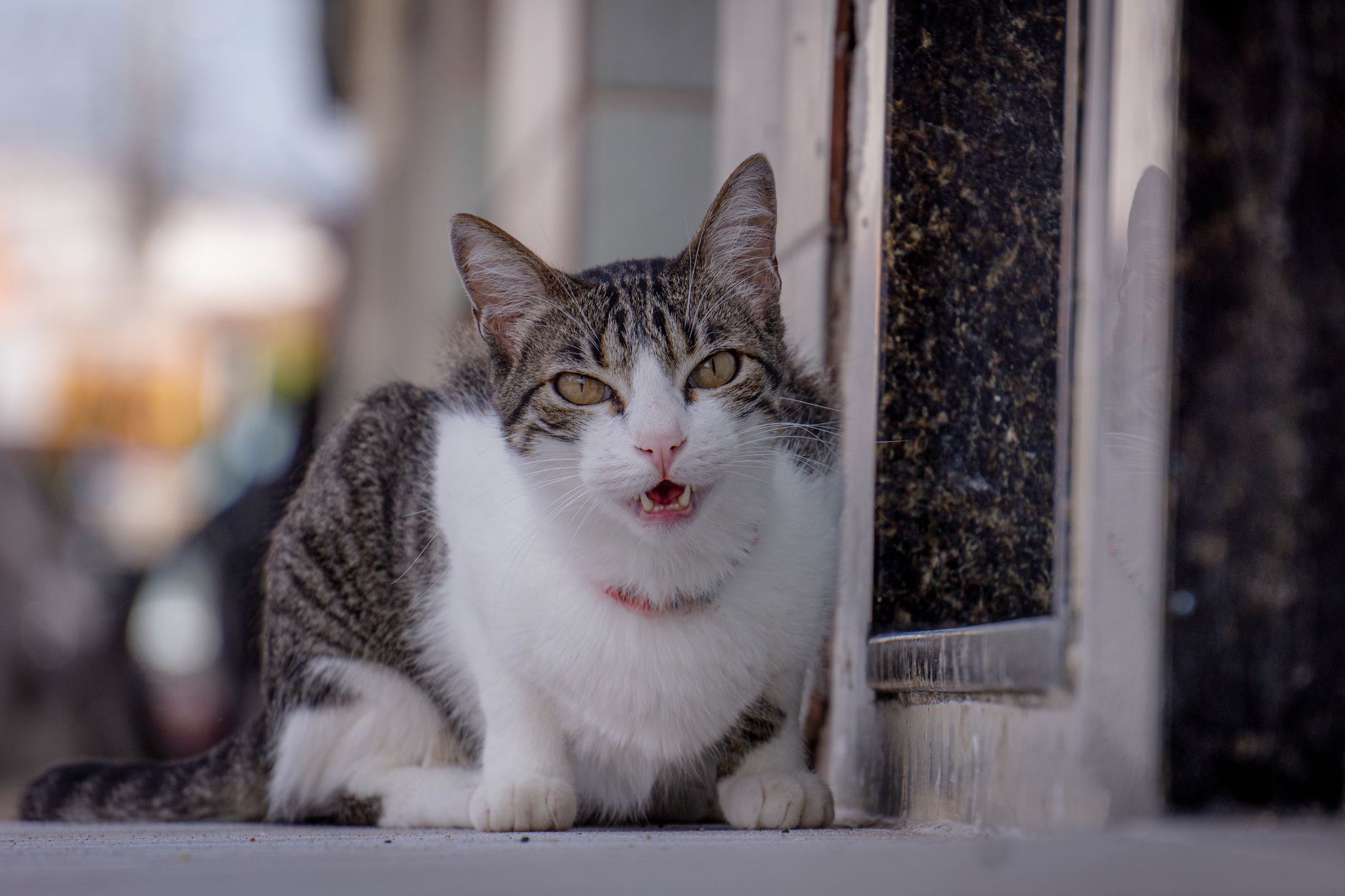
Why is My Cat Meowing Even With Food and Water? Unraveling the Mystery
Your cat’s persistent meows despite a full bowl can be puzzling! This article explores the multitude of reasons your cat may be meowing, even when their basic needs are met, helping you understand and address why does my cat keep meowing at me even though she has food and water?

Understanding the Meow: More Than Just Hunger
The meow, a sound mostly reserved for communicating with humans, is a powerful tool in your cat’s arsenal. It’s crucial to understand that a cat’s meow isn’t always a simple plea for sustenance. Deciphering the underlying message behind these vocalizations requires a bit of detective work and an understanding of feline behavior. This process can involve looking at the time of day your cat is meowing, your cat’s environment and what other behaviors are occurring in combination with the meows.
The Medical Angle: Ruling Out Underlying Health Issues

The first step in addressing excessive meowing is to rule out any potential medical issues.
- Hyperthyroidism: This common condition in older cats can lead to increased appetite, thirst, and vocalization.
- Cognitive Dysfunction Syndrome (CDS): Similar to Alzheimer’s in humans, CDS can cause disorientation, anxiety, and excessive meowing, especially at night.
- Pain or Discomfort: Undiagnosed pain from arthritis, dental problems, or other ailments can trigger meowing as a distress signal.
- Kidney Disease: As kidney function declines, your cat may experience increased thirst and hunger, leading to more frequent meowing.
A thorough veterinary examination, including blood work, can help identify or exclude these possibilities.
Emotional Needs: Beyond the Basics
Once medical issues are addressed, it’s time to consider the emotional factors contributing to your cat’s vocalizations. Cats are social creatures and require mental stimulation and interaction.
- Attention-Seeking: Your cat may have learned that meowing gets your attention, even if it’s just a brief glance or a few words.
- Boredom and Loneliness: Cats left alone for extended periods may meow out of boredom or loneliness.
- Anxiety and Stress: Changes in the environment, such as a new pet, moving to a new home, or even rearranging furniture, can trigger anxiety and excessive meowing.
- Greeting: Some cats are simply vocal and meow as a way of greeting you when you come home or enter a room.
The Age Factor: Senior Cat Syndrome
As cats age, they can experience age-related changes that affect their behavior. Older cats are more prone to cognitive dysfunction, which can manifest as disorientation, confusion, and increased vocalization, especially at night (often referred to as “night vocalization” or “sundowning”). Regular veterinary checkups and appropriate care for age-related conditions are crucial. Remember that why does my cat keep meowing at me even though she has food and water may be caused by cognitive decline in senior cats.
Environmental Enrichment: Keeping Your Cat Happy and Engaged
Providing a stimulating environment can significantly reduce excessive meowing.
- Interactive Play: Engage your cat in regular play sessions with toys like feather wands, laser pointers, or puzzle feeders.
- Scratching Posts: Provide scratching posts to satisfy their natural scratching instincts.
- Climbing Structures: Cats enjoy climbing and observing their surroundings from a high vantage point.
- Window Perches: A window perch allows your cat to observe the outside world and engage their senses.
- Rotating Toys: Rotating toys regularly can help prevent boredom.
Ignoring the Meow: A Difficult but Effective Strategy
In some cases, ignoring the meow is the best approach. This is especially true if the meowing is attention-seeking behavior. It’s very important to make sure that ignoring the meow is only done after ruling out any other reason your cat may be meowing.
- Consistent Ignoring: Resist the urge to respond to the meows, even if it’s just to tell your cat to be quiet.
- Rewarding Quiet Behavior: When your cat is quiet, offer praise and affection.
- Patience: It may take time for your cat to learn that meowing doesn’t get them what they want.
- Be sure there are no medical issues first: Ignoring the meow is only appropriate if your cat is not exhibiting any other symptoms that could be medical.
The Power of Positive Reinforcement
Positive reinforcement can be a powerful tool in shaping your cat’s behavior.
- Reward Quiet Behavior: When your cat is quiet and relaxed, offer praise, petting, or a small treat.
- Clicker Training: Clicker training can be used to teach your cat to associate a click sound with a positive reward, making it easier to train them to stop meowing on command.
- Ignore Negative Behavior: Avoid punishing or scolding your cat for meowing, as this can create anxiety and worsen the problem.
When to Seek Professional Help
If you’ve tried addressing the underlying causes of your cat’s excessive meowing and it’s still persistent, consider seeking professional help from a veterinarian or a certified cat behaviorist. They can help you identify any underlying medical or behavioral issues and develop a customized plan to address the problem. Remember that why does my cat keep meowing at me even though she has food and water can have a variety of answers and that professional help is always an option.
Addressing Breed-Specific Vocalization
Certain cat breeds, such as Siamese and Oriental shorthairs, are naturally more vocal than others. If you own one of these breeds, increased vocalization might simply be part of their personality. However, it’s still important to rule out any underlying medical or behavioral issues.
| Breed | Vocalization Tendency | Notes |
|---|---|---|
| Siamese | High | Known for their loud and frequent meows; often described as talkative. |
| Oriental Shorthair | High | Similar to Siamese in vocalization; highly intelligent and demanding. |
| Burmese | Moderate | Less vocal than Siamese but still communicative. |
| Maine Coon | Low to Moderate | Known for their gentle meows and chirps. |
| Russian Blue | Low | Generally quiet and reserved cats. |
Diet Considerations
While your cat has food and water, dietary needs may still be playing a role.
- Quality of Food: Is your cat’s food providing sufficient nutrients? A low-quality diet might lead to nutritional deficiencies, causing them to seek more food.
- Feeding Schedule: Are you feeding your cat at consistent times? Irregular feeding schedules can create anxiety and lead to more frequent meowing.
- Portion Control: Are you feeding your cat the appropriate amount of food? Overfeeding can cause obesity, while underfeeding can lead to hunger and meowing.
Final Thoughts
Understanding why does my cat keep meowing at me even though she has food and water is a journey of observation, patience, and proactive care. By addressing potential medical issues, emotional needs, environmental enrichment, and dietary considerations, you can unlock the mystery behind those persistent meows and create a happier, more harmonious relationship with your feline companion.

FAQs: Deciphering Your Cat’s Meows
Why does my cat meow so much at night?
Nighttime meowing can have several causes, including cognitive dysfunction in older cats, boredom, loneliness, or a need for attention. Providing enrichment activities during the day and ensuring a comfortable and safe sleeping environment can help reduce nighttime vocalizations. Consult with your veterinarian to rule out any medical conditions contributing to the behavior.
Could my cat be meowing because they are in pain?
Yes, pain or discomfort can be a significant cause of excessive meowing. Underlying medical conditions such as arthritis, dental problems, or internal injuries can all trigger vocalization as a distress signal. A veterinary examination is essential to diagnose and treat any potential pain issues.
How can I tell if my cat is meowing for attention or for another reason?
Observe your cat’s behavior and the context in which they are meowing. If the meowing occurs primarily when you are present and stops when you give them attention, it’s likely attention-seeking behavior. However, if the meowing is accompanied by other symptoms, such as changes in appetite, litter box habits, or activity level, it’s more likely related to a medical issue.
Is it possible my cat is meowing because they are bored?
Absolutely. Boredom and lack of mental stimulation are common reasons for excessive meowing, especially in indoor cats. Providing interactive toys, scratching posts, climbing structures, and regular play sessions can help alleviate boredom and reduce vocalization.
My cat only meows when I am preparing their food. Why?
This is often a learned behavior where the cat associates your actions (preparing food) with the impending reward of a meal. Consistency in your routine and ignoring the meows until the food is ready can help reduce this behavior over time.
Can a change in my cat’s diet affect their meowing?
Yes, a change in diet can affect your cat’s meowing, especially if the new food is less palatable or doesn’t meet their nutritional needs. Ensure the new food is high-quality and appropriate for your cat’s age and health status. Gradual transitions between foods can help minimize digestive upset and reduce vocalization.
What are some ways to enrich my cat’s environment?
Environmental enrichment includes providing opportunities for play, scratching, climbing, and observation. Interactive toys, puzzle feeders, scratching posts, climbing trees, and window perches can all help stimulate your cat’s senses and reduce boredom-related meowing.
Should I ever punish my cat for meowing?
No, punishing your cat for meowing is never recommended. Punishment can create anxiety and fear, which can worsen the problem and damage your relationship with your cat. Positive reinforcement and addressing the underlying causes of the meowing are much more effective approaches.
Is it normal for senior cats to meow more?
Yes, increased meowing is common in senior cats due to age-related changes, such as cognitive dysfunction or sensory decline. Regular veterinary checkups and appropriate care for age-related conditions can help manage these issues.
How do I know if my cat’s meowing is a sign of anxiety?
If your cat’s meowing is accompanied by other signs of anxiety, such as hiding, trembling, changes in appetite, or aggression, it’s likely related to stress. Identify and address the source of the anxiety, and consider using calming aids like pheromone diffusers or consulting with a veterinarian about anxiety medication.
My cat started meowing excessively after we moved. What should I do?
Moving to a new home can be stressful for cats, leading to increased meowing due to anxiety and disorientation. Provide your cat with a safe and comfortable space, maintain their routine, and use pheromone diffusers to help them adjust to their new environment.
When should I consult a veterinarian about my cat’s excessive meowing?
You should consult a veterinarian if your cat’s meowing is sudden, persistent, or accompanied by other symptoms, such as changes in appetite, litter box habits, or activity level. A veterinary examination is essential to rule out any underlying medical conditions contributing to the behavior.