
Why Does My Cat Answer Me Back? The Mystery Unveiled
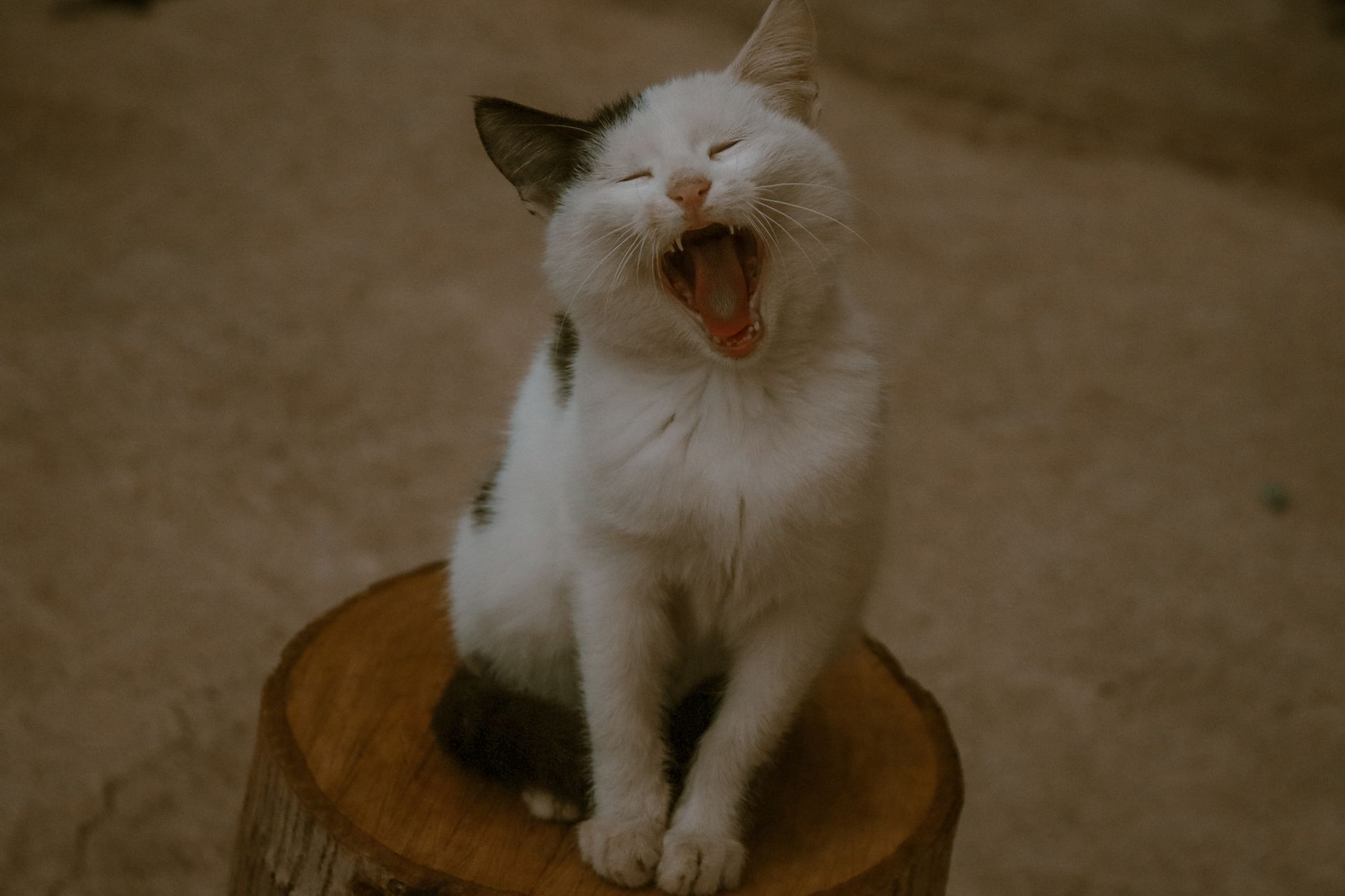
Your cat’s meows and chirps aren’t random; they are a learned form of communication primarily directed at humans. Why does my cat answer me back? It’s because they’ve learned that vocalization gets them what they want – attention, food, or interaction.
Deciphering the Feline Vocal Repertoire
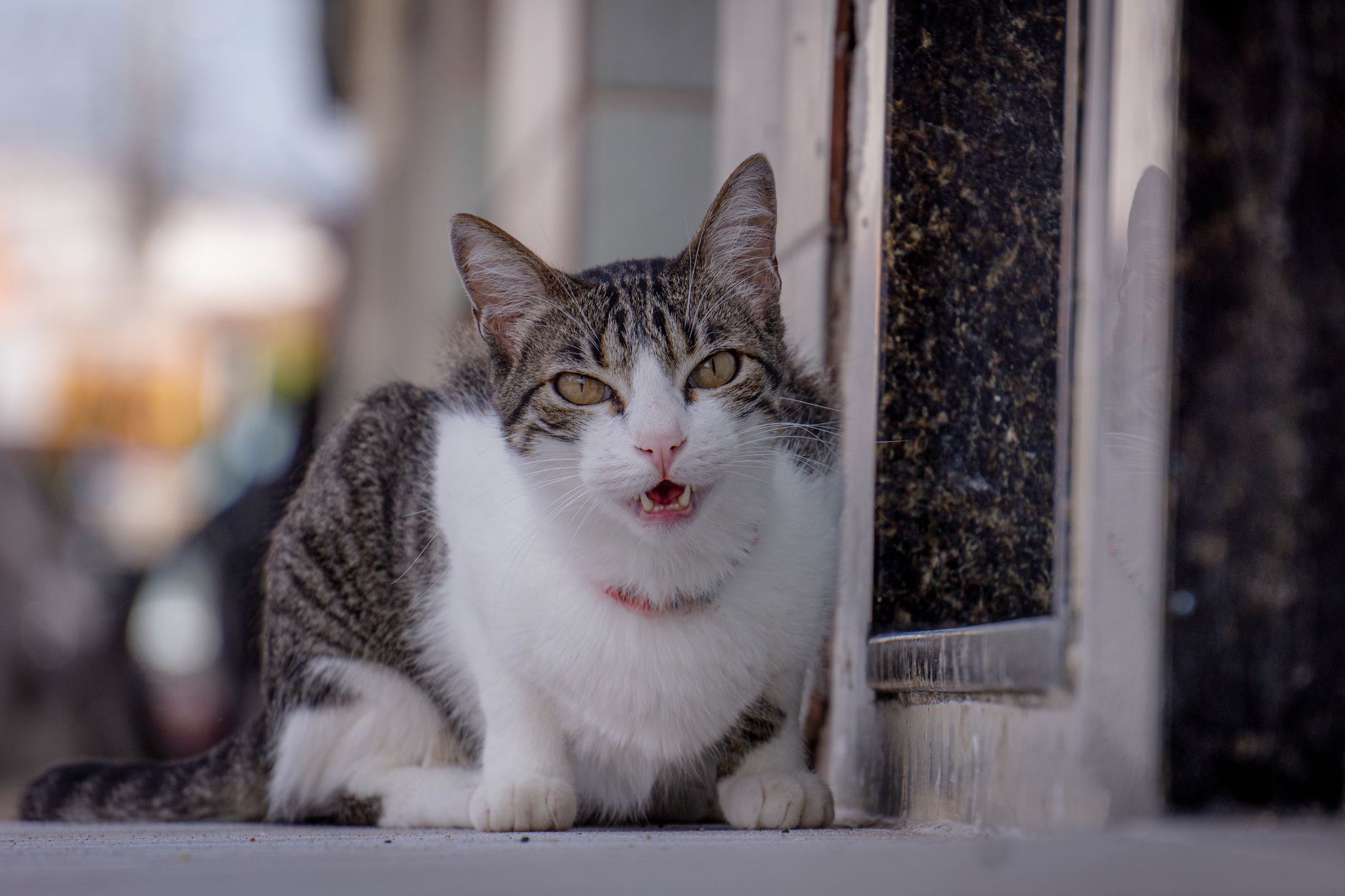
Cats, unlike dogs, haven’t evolved to rely on vocal communication within their species. Instead, meowing is largely a learned behavior developed to interact with humans. Kittens meow to their mothers, but adult cats rarely meow at each other. This unique vocalization evolved as cats were domesticated and realized they could manipulate our behavior with sounds.
The Evolution of Feline Communication

Domestication has significantly altered feline communication. Wild cats primarily rely on scent marking, body language, and hisses or growls to communicate with each other. The transition from wild to domestic life forced cats to adapt and learn new ways to connect with humans. Meowing became a crucial tool for expressing needs and desires.
Understanding Different Types of Meows
Not all meows are created equal. A short, quick meow might be a simple greeting, while a long, drawn-out meow could signal hunger or distress. Analyzing the pitch, volume, and context of your cat’s vocalizations can provide valuable insights into their emotional state and needs.
Here are some common meow meanings:
- Short meow: Greeting or acknowledgement
- Mid-length meow: Request for attention or food
- Long, drawn-out meow: Demand or complaint
- Low-pitched meow: Dissatisfaction or warning
- High-pitched meow: Excitement or pain
- Chirp or trill: Excitement or invitation to play
The Power of Positive Reinforcement
Cats are clever creatures. They quickly learn that certain behaviors, including meowing, elicit a desired response from their human companions. If you consistently respond to your cat’s meows by providing food, attention, or playtime, you are reinforcing that behavior.
Environmental Factors Influencing Vocalization
A cat’s environment plays a significant role in determining how often they vocalize. Indoor cats, especially those living in solitary environments, may meow more frequently to compensate for a lack of social interaction. Changes in the environment, such as a new pet or a move, can also trigger increased vocalization.
Potential Medical Reasons for Excessive Meowing
While most meowing is behavioral, excessive vocalization can sometimes indicate an underlying medical issue. Conditions such as hyperthyroidism, cognitive dysfunction (feline dementia), or pain can cause cats to meow more frequently. If you notice a sudden and significant increase in your cat’s meowing, it’s essential to consult with a veterinarian to rule out any medical problems.
Addressing Excessive Meowing
If your cat’s meowing is becoming problematic, several strategies can help reduce unwanted vocalization.
- Rule out medical causes: Consult your vet.
- Ignore attention-seeking meows: Only respond when the cat is quiet.
- Provide plenty of enrichment: Toys, scratching posts, and playtime can reduce boredom and anxiety.
- Consider a feline companion: If appropriate for your cat’s personality, another cat can provide social interaction and reduce the need to meow for attention.
- Use puzzle feeders: These can help keep your cat mentally stimulated and reduce food-related meowing.
- Consult with a veterinary behaviorist: A professional can help you identify the underlying causes of excessive meowing and develop a customized behavior modification plan.
The Future of Feline-Human Communication
As our understanding of feline behavior continues to evolve, so too will our ability to communicate with our feline companions. Researchers are developing new technologies, such as AI-powered cat translators, that could one day allow us to have more meaningful conversations with our cats. Why does my cat answer me back? The more we understand their signals, the stronger our bond will be.

Frequently Asked Questions About Cat Vocalization
Why do kittens meow more than adult cats?
Kittens meow frequently to communicate with their mothers, signaling hunger, cold, or distress. This behavior naturally decreases as kittens mature and become more independent. Adult cats rarely meow at each other in the wild, reserving vocal communication primarily for humans.
Is it normal for older cats to meow more?
Increased vocalization is sometimes seen in older cats and could potentially be a sign of cognitive dysfunction, akin to Alzheimer’s in humans. If this is the case, it’s important to consult with a vet to manage the disease. Alternatively, decreased senses, such as hearing and sight, can lead to more vocalization. It’s important to ensure older cats are comfortable and well-cared for, so always seek professional advice if behavior changes occur.
Can cats understand human language?
While cats don’t understand the specific words we use, they can learn to associate certain words or phrases with specific actions or objects. For example, a cat might recognize the sound of their name or the word “food” and respond accordingly. They are masters at reading our body language and tone of voice, which contributes to their ability to understand our intentions.
Why does my cat meow at the door?
Meowing at the door can indicate several things. Your cat might be bored and want to explore the outside world, or they might be seeking attention because they’re feeling lonely or neglected. Sometimes, cats meow at doors when they feel their routine is disrupted. Providing plenty of enrichment and attention can help reduce this behavior.
Why does my cat meow at night?
Nocturnal meowing can have various causes. It could be a sign of boredom, hunger, or cognitive dysfunction (especially in older cats). Cats are naturally crepuscular, meaning they are most active during dawn and dusk, so their natural sleep-wake cycle may differ from ours. Ensuring your cat has a stimulating environment and plenty of playtime during the day can help reduce nighttime meowing.
What is a “conversational” meow?
Some cats are simply more talkative than others. They might engage in “conversational” meows, responding to your voice or simply vocalizing to express their thoughts and feelings. These cats often enjoy interacting with their owners and use meows as a way to communicate and bond. These conversations can be delightful and enriching for both cat and owner.
Is it possible to train my cat to meow less?
Yes, it is possible to train your cat to meow less, but it requires patience and consistency. The key is to ignore attention-seeking meows and only reward quiet behavior. When your cat is quiet, offer them attention, playtime, or a treat. Avoid punishing your cat for meowing, as this can create fear and anxiety.
Why does my cat meow when I pick them up?
This meow could be because they don’t enjoy being picked up, or that they’re uncomfortable at the moment. Sometimes it’s a request for you to put them down as soon as possible. They might not always feel the same way and there could be moments where your cat is happy to be picked up, especially for affection.
Why does my cat meow when I leave the house?
This behavior could be a sign of separation anxiety. Your cat might be feeling distressed or anxious when you leave them alone. Providing them with a safe and comfortable environment, along with plenty of toys and distractions, can help reduce their anxiety. In severe cases, a veterinarian may recommend medication or behavioral therapy.
Why does my cat meow constantly when I feed them?
The association between the sound of food and meowing has developed, so meowing during feeding time will naturally occur if their food schedule is erratic. Some cats simply get excited at the sight of food, too! Establishing a consistent feeding schedule can often reduce anticipatory meowing and reinforce the connection between you and feeding time.
What’s the difference between a meow, a chirp, and a trill?
These are all different types of vocalizations that cats use to communicate various emotions. Meows are generally used to get your attention or convey a specific need. Chirps and trills, on the other hand, often express excitement, curiosity, or an invitation to play.
Should I worry if my cat suddenly stops meowing?
A sudden cessation of meowing can sometimes indicate a medical problem, such as laryngitis or a respiratory infection. If your cat suddenly stops meowing and exhibits other symptoms, such as coughing, sneezing, or difficulty breathing, it’s essential to consult with a veterinarian promptly.