
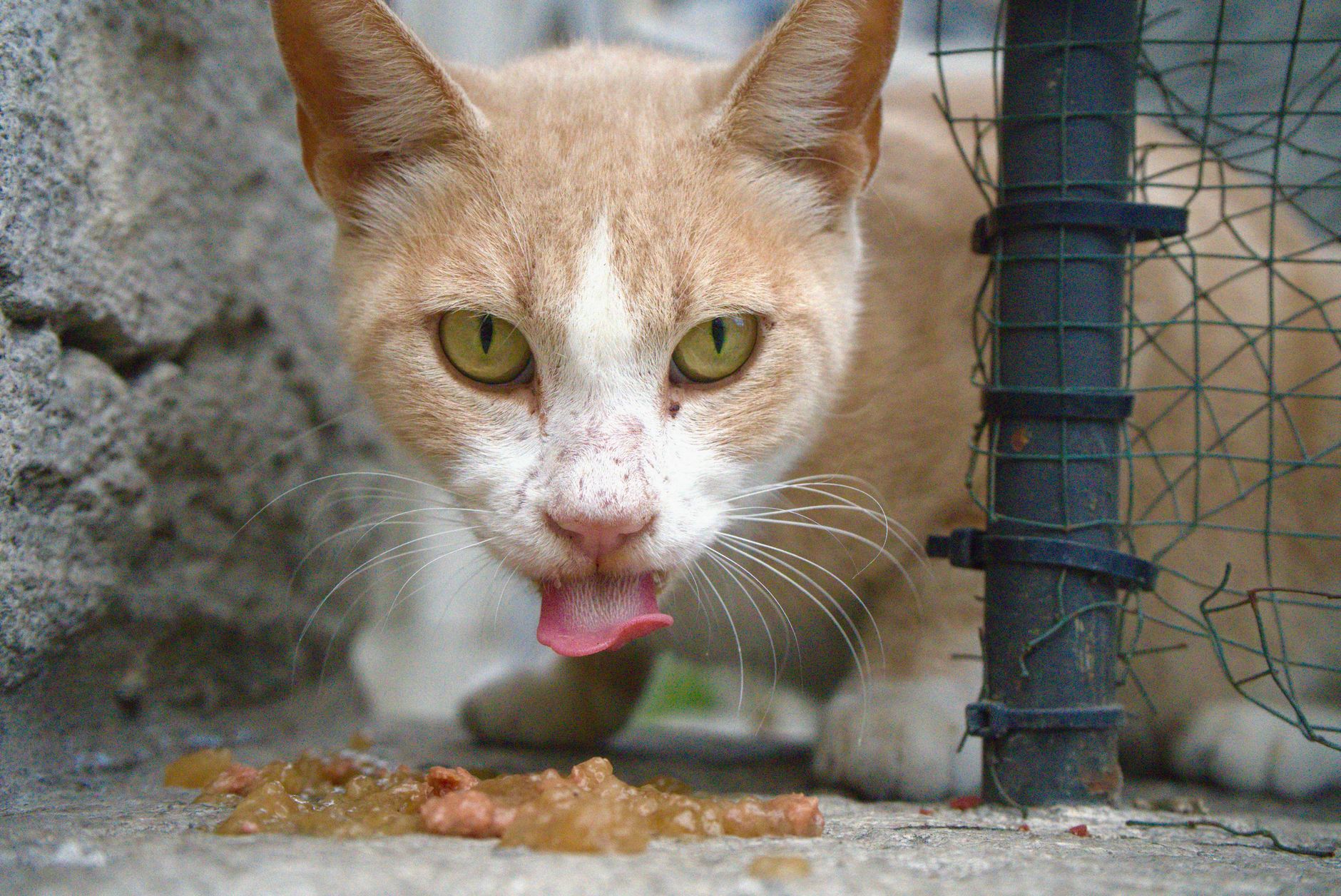
Why Does My Cat Act Like I Starve Him? Understanding Feline Food Obsession
Cats behaving as if perpetually starved often do so due to a complex interplay of instinct, learned behaviors, underlying medical conditions, or simply because they enjoy the act of begging; this article will explore why your cat acts like I starve him and what you can do about it.

The Evolutionary Basis of Begging
Cats, even domesticated ones, retain strong hunting instincts that influence their feeding behaviors. In the wild, successful hunts aren’t guaranteed. This uncertainty leads to a drive to consume as much as possible when food is available, ensuring survival. While your pampered house cat isn’t facing starvation, these deeply ingrained instincts can manifest as begging and acting as though they are constantly hungry. Furthermore, domesticated cats evolved from solitary hunters. Their competitive nature to secure resources also remains.
Learned Behaviors and the Power of Reinforcement
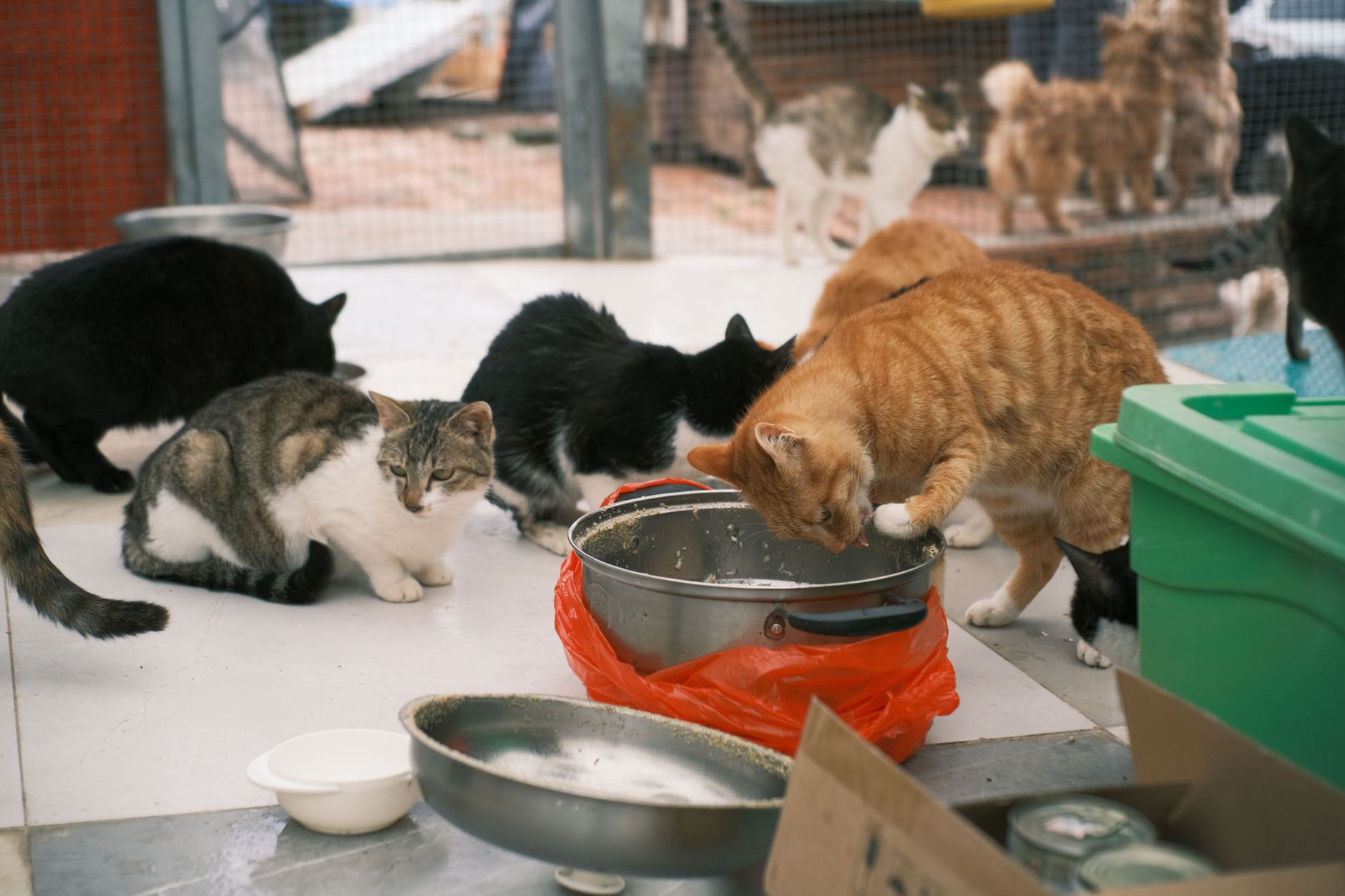
Your cat’s behavior might simply be a result of training, even unintentional. Every time you give in to their meows, rubs, and pleading eyes by providing a treat or extra food, you reinforce the behavior. The cat learns that begging works, and so they continue to do it. Cats are clever creatures, and they quickly associate certain actions (like meowing at the pantry) with positive outcomes (getting fed). Consistent rewards, even small ones, can lead to persistent begging.
Ruling Out Medical Conditions
In some cases, a cat’s insatiable appetite could be a sign of an underlying medical condition. Several possibilities should be considered and ruled out by your veterinarian:
- Hyperthyroidism: This condition, common in older cats, causes an overproduction of thyroid hormones, leading to increased metabolism and ravenous appetite.
- Diabetes: While some diabetic cats lose their appetite, others experience increased hunger as their bodies struggle to process glucose.
- Intestinal Parasites: Worms can steal nutrients from your cat’s food, causing them to feel constantly hungry.
- Malabsorption Issues: Problems with nutrient absorption in the intestines can also lead to increased appetite.
- Pancreatic Issues: Certain pancreatic problems can affect digestion and lead to increased hunger.
It’s crucial to consult with your vet to rule out these possibilities before attributing the behavior solely to behavioral issues.
Dietary Factors and Feeding Schedules
What and how often you feed your cat plays a significant role in their perceived hunger. Cats are natural grazers and prefer to eat small meals throughout the day. Feeding them only once or twice a day can trigger a feeling of deprivation, even if they are getting enough calories. Furthermore, the type of food you provide matters. A diet that’s low in protein or fiber may not be as satisfying as one that’s rich in these nutrients. This can lead to your cat feeling hungry sooner after eating.
Boredom and Attention-Seeking
Sometimes, your cat’s “starving” act is simply a way to get your attention. If they are bored or lonely, begging for food might be their way of initiating interaction with you. Providing more playtime, enrichment activities, and affection can help reduce attention-seeking behaviors and, consequently, the constant begging for food.
Managing Your Cat’s Food Obsession
Here are a few strategies to manage your cat’s food obsession:
- Rule out medical conditions: The first step is always a vet visit.
- Implement a regular feeding schedule: Feed your cat at the same times each day to establish a routine.
- Consider smaller, more frequent meals: Divide their daily food ration into multiple small meals.
- Use puzzle feeders: These slow down eating and provide mental stimulation.
- Ignore begging behavior: This is difficult, but crucial. Don’t reward their meows with food.
- Provide alternative forms of attention: Play with your cat, groom them, or simply spend time with them.
- Ensure a high-quality diet: Choose a food that is rich in protein and fiber.
Is My Cat Actually Undereating? Understanding Appropriate Portion Sizes
It’s essential to determine if your cat is genuinely undereating or if their perceived hunger is simply behavioral. Consult the feeding guidelines on your cat’s food packaging and adjust the amount based on their age, weight, activity level, and overall health. Monitoring your cat’s weight and body condition is a good way to ensure you are providing an adequate amount of food. A healthy cat should have a visible waistline and ribs that are easily felt but not seen.
Frequently Asked Questions About Cats and Food
Why does my cat meow incessantly around meal times, even if they’ve just eaten?
Cats are clever creatures and quickly learn that meowing can lead to food. Even if they’ve just eaten, they might be testing the waters or anticipating the next meal. Ignoring the meowing, while difficult, can help break this association.
Is it cruel to ignore my cat when they’re begging for food?
It’s not cruel if you’re certain your cat is receiving adequate nutrition. Giving in to their demands reinforces the behavior and can lead to overeating and weight gain. It’s kinder to provide them with consistent, measured meals and ignore the begging.
How can I tell if my cat’s constant hunger is a sign of a medical problem?
If your cat’s appetite has suddenly increased, or if they are losing weight despite eating more, it’s crucial to consult a veterinarian. Other signs of medical problems include increased thirst, vomiting, diarrhea, or changes in behavior.
Can dry food contribute to my cat’s perceived hunger?
Dry food is often lower in moisture and can be less satisfying than wet food. Consider adding some wet food to your cat’s diet to increase their satiety.
What are puzzle feeders, and how can they help with food obsession?
Puzzle feeders are toys that dispense food when your cat interacts with them. They slow down eating, provide mental stimulation, and can help prevent boredom-related begging.
Is it okay to give my cat treats?
Treats are fine in moderation, but they should not make up a significant portion of your cat’s diet. Choose healthy treats and factor them into your cat’s daily calorie allowance.
How can I discourage my cat from begging for food at the table?
Never give your cat food from the table. This reinforces the begging behavior. Ignoring your cat at the table and redirecting their attention to a toy or scratching post can help break the habit.
My cat seems to only eat a little at a time, but constantly wants more. Is this normal?
This is normal behavior for some cats, especially those allowed to free-feed. They prefer to graze throughout the day. Try dividing their daily food ration into several small meals.
Why does my cat steal food off the counter?
Stealing food is often a sign of boredom, curiosity, or a lack of access to appealing food. Make sure your cat’s food is readily available and engaging, and keep countertops clear of tempting items.
How do I know if I’m overfeeding my cat?
Monitor your cat’s weight and body condition. Overweight cats will have a rounded belly and ribs that are difficult to feel. Consult your veterinarian for guidance on appropriate portion sizes.
My cat eats quickly and then vomits. What can I do?
Eating too quickly can cause vomiting. Puzzle feeders can help slow down eating. You can also try feeding your cat smaller, more frequent meals. If the vomiting is frequent or severe, consult your veterinarian.
Is it normal for older cats to have a decreased appetite?
While some older cats experience a decreased appetite, it’s essential to rule out underlying medical conditions. Dental problems, kidney disease, and other age-related issues can affect appetite. Consulting your veterinarian is advisable.