
Why Whales Slap Their Tails on the Water: Unveiling the Ocean’s Rhythms
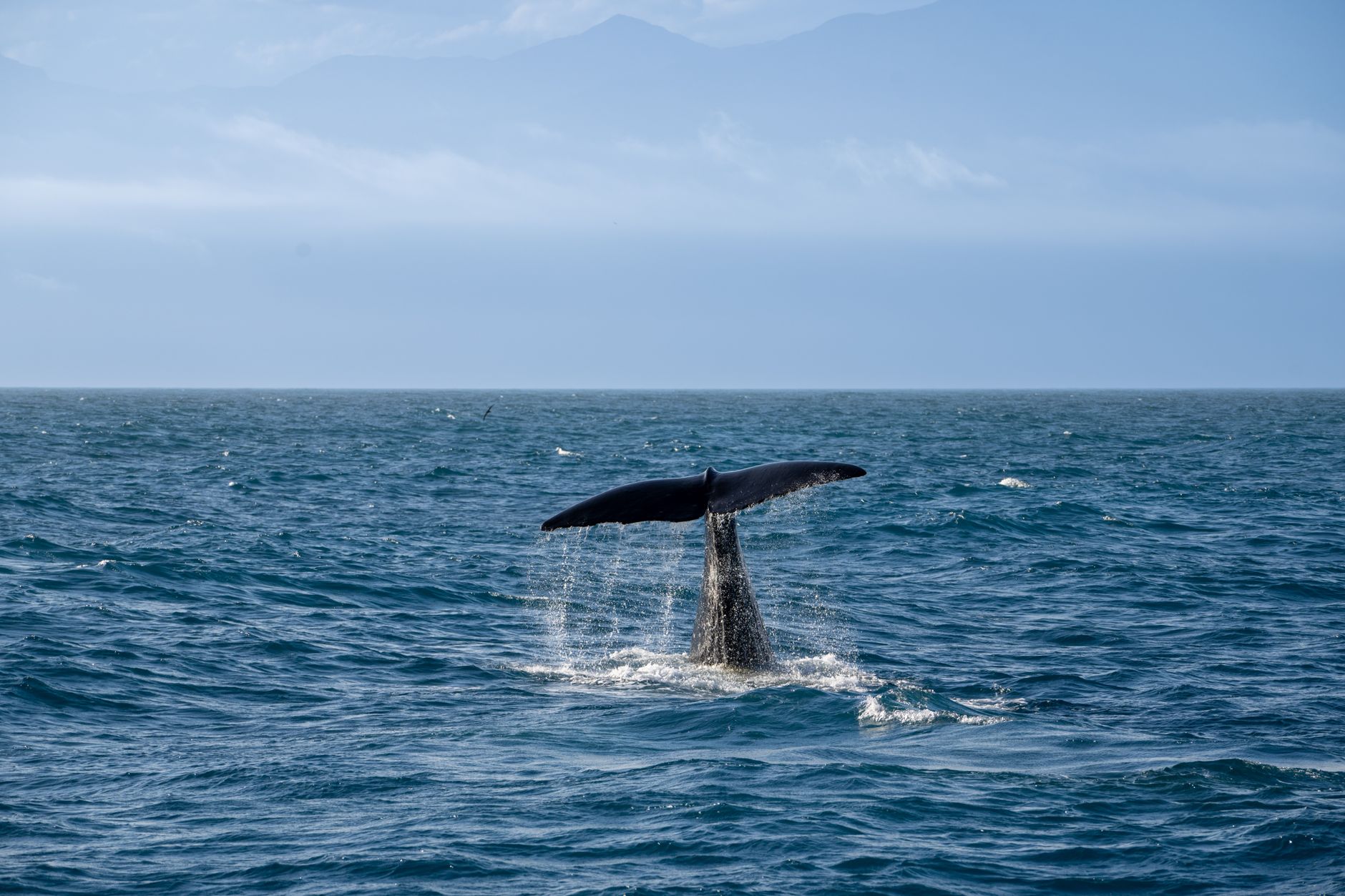
Why do whales slap their tails on the water? Whales slap their tails, also known as tail slapping or lobtailing, for a multitude of reasons, including communication, predator deterrence, dislodging parasites, and even potentially for enjoyment or play.
Unveiling the Mystery: Understanding Whale Tail Slapping
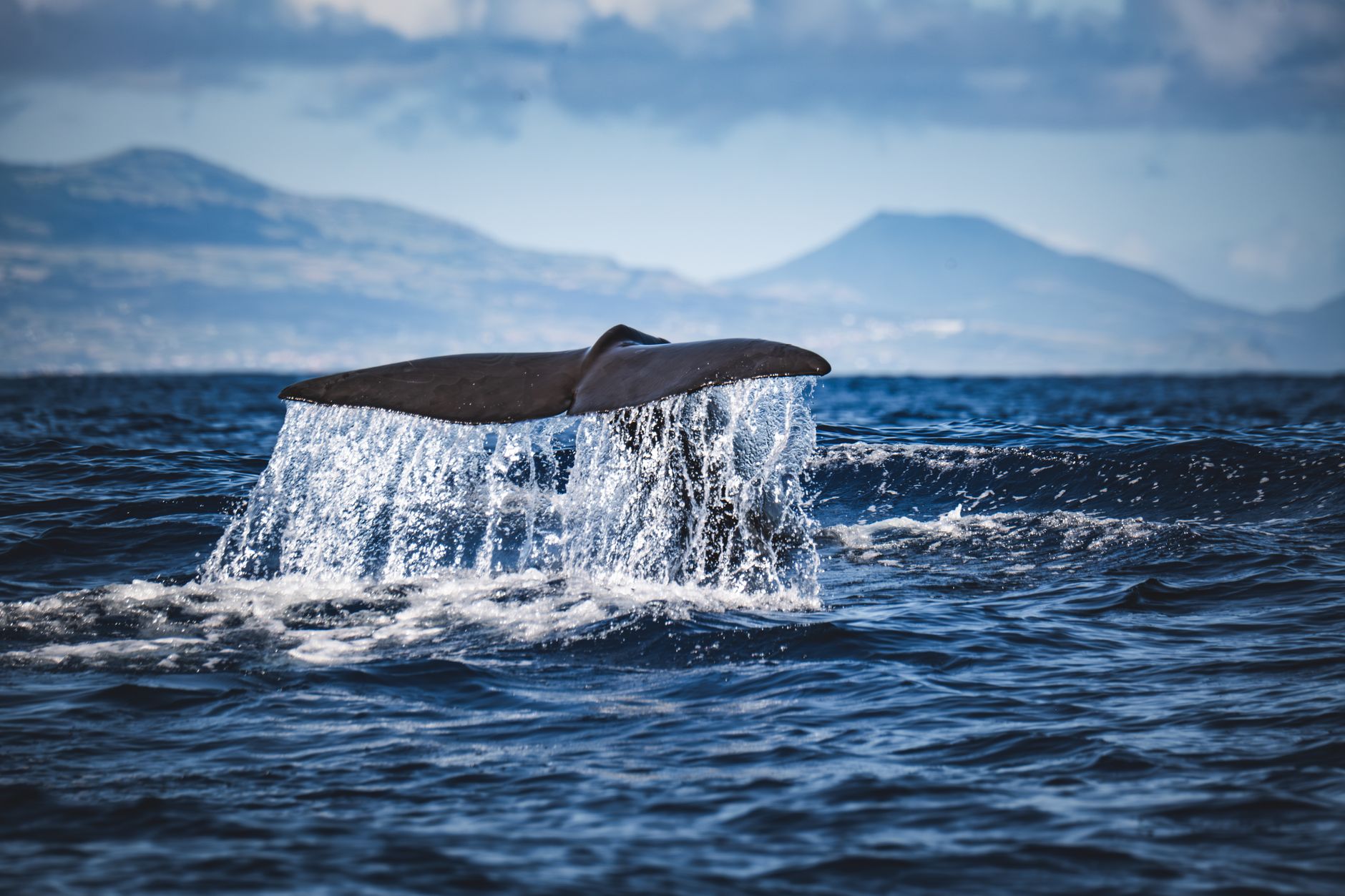
Whale tail slapping, a spectacular display of power and agility, is a common behavior observed in various whale species. This seemingly simple action is in fact a complex form of communication, serving a variety of purposes from alerting conspecifics to danger to potentially stunning prey. Understanding the nuances of tail slapping behavior offers valuable insights into the social lives and ecological strategies of these magnificent marine mammals. Why do whales slap their tails on the water? This question has captivated researchers and whale enthusiasts alike, driving countless hours of observation and analysis.
The Multifaceted Reasons Behind Tail Slapping
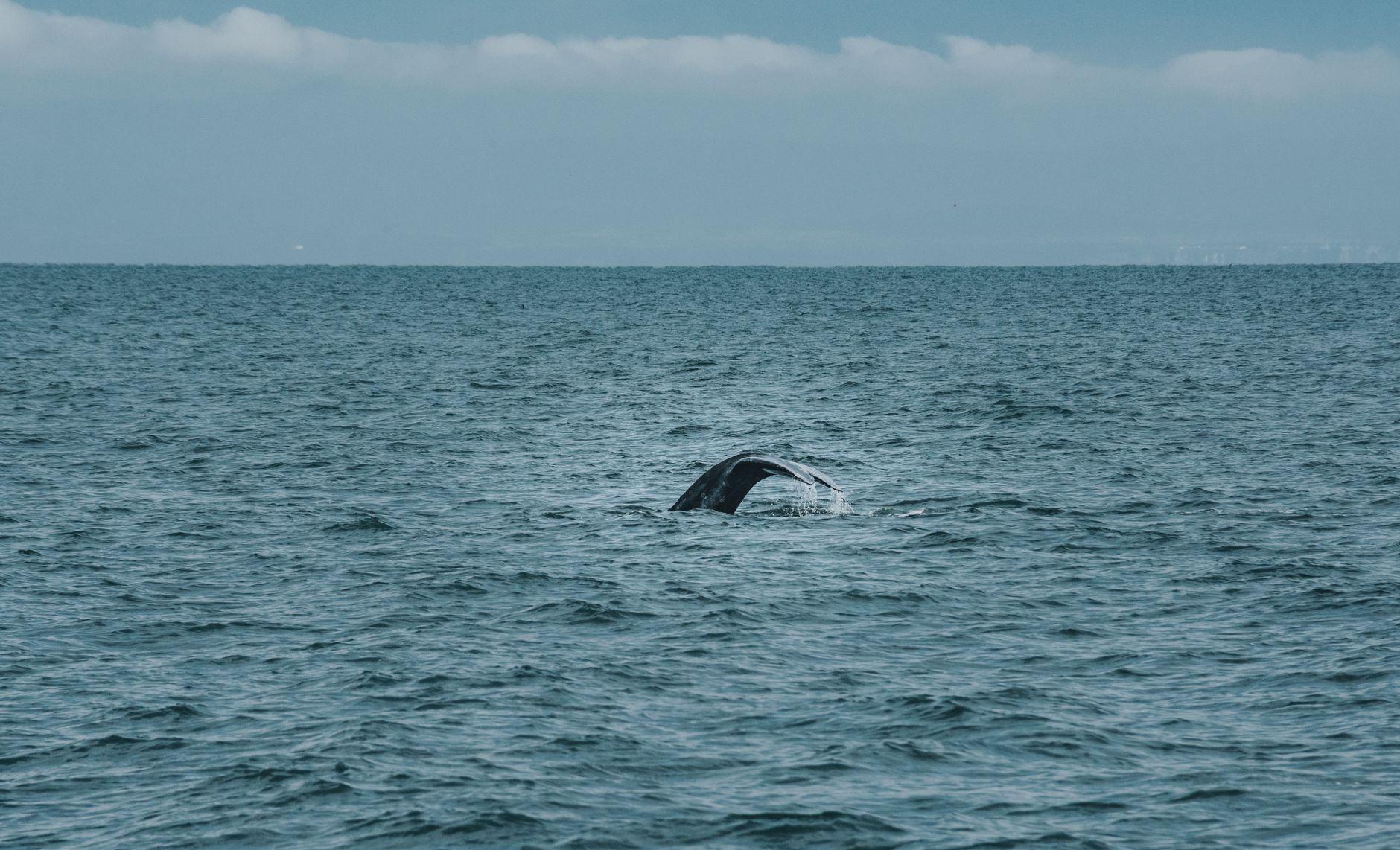
The act of a whale raising its massive tail fluke and slamming it forcefully against the water’s surface is anything but arbitrary. Several intertwined factors contribute to this behavior.
- Communication: This is arguably the most widely accepted reason. The loud, percussive sound of a tail slap can travel for kilometers underwater, acting as a long-distance signal to other whales in the area.
- Warning Signal: Tail slaps can alert other whales to the presence of predators, such as orcas (killer whales), or to other potential dangers, like shallow water or entanglement risks.
- Predator Deterrence: A sudden, forceful tail slap can startle or disorient potential predators, giving the whale a chance to escape. This is particularly important for mothers protecting their calves.
- Prey Stunning: Some scientists believe that tail slapping might be used to stun or disorient small fish or krill, making them easier to capture. This is more speculative, but evidence suggests it may occur in certain feeding contexts.
- Parasite Removal: It’s hypothesized that the force of a tail slap could dislodge parasites, such as barnacles or whale lice, from the whale’s skin. While direct evidence is limited, this remains a plausible contributing factor.
- Social Bonding and Play: Occasionally, tail slapping might be a form of social interaction or even play, particularly among young whales. Observations have shown playful behavior associated with tail slapping, hinting at a possible enjoyment factor.
- Navigation: In certain environments, the sound and vibrations created by the tail slap may help the whale to map its surroundings, similar to echolocation.
- Mate Attraction: Tail slapping could be part of a courtship display, used by males to attract females or to demonstrate their strength and fitness.
Interpreting the Signals: Context is Key
Determining the exact reason why whales slap their tails on the water requires careful observation and consideration of the surrounding context. Factors like the whale’s age, sex, social group, location, and other accompanying behaviors all contribute to a more complete understanding. A lone whale slapping its tail in open water might be signaling distress, while a group of whales tail slapping near a feeding ground could be coordinating a hunting strategy.
Distinguishing Tail Slapping from Other Behaviors
It’s important to differentiate tail slapping from other similar behaviors, such as breaching (jumping completely out of the water) or tail sailing (holding the tail out of the water for extended periods). While all of these behaviors involve the tail, they serve distinct purposes and convey different meanings. Tail sailing, for instance, is often associated with thermoregulation in warmer waters. It’s vital to consider the entire behavioral repertoire of the whale to accurately interpret the significance of a tail slap.
Table: Comparing Whale Tail Behaviors
| Behavior | Description | Possible Purpose(s) |
|---|---|---|
| Tail Slapping | Forcibly hitting the water surface with the tail flukes. | Communication, warning, predator deterrence, prey stunning, parasite removal |
| Breaching | Jumping completely (or nearly completely) out of the water. | Communication, parasite removal, play, display of dominance |
| Tail Sailing | Holding the tail out of the water for extended periods. | Thermoregulation, possibly play |
| Peduncle Throw | Throwing the body to one side while bringing the tail down on another whale. | Dominance, aggression, social interaction |

Frequently Asked Questions About Whale Tail Slapping
Why is whale tail slapping so loud?
The sound of a tail slap is incredibly loud due to several factors: the massive size of the whale’s tail flukes, the force with which they strike the water, and the density of water itself. Water is much denser than air, allowing sound to travel farther and with greater intensity. This makes tail slapping an effective long-distance communication tool.
Do all whale species tail slap?
While tail slapping is observed in many whale species, it is not universally practiced. Some species, like certain beaked whales, are less prone to surface displays in general. The frequency and purpose of tail slapping can vary significantly between species, reflecting differences in their social structures, feeding strategies, and ecological environments.
How far can the sound of a tail slap travel underwater?
The distance that a tail slap’s sound can travel depends on factors like water depth, temperature, and salinity. However, under optimal conditions, the sound can travel dozens, and sometimes even hundreds, of kilometers underwater. This makes it a powerful means of communication across vast oceanic distances.
Is tail slapping a sign of aggression?
While tail slapping can sometimes be associated with aggression, it’s not always the case. Aggressive tail slapping is often accompanied by other aggressive behaviors, such as peduncle throws (hitting another whale with the tail stock) or chasing. Context is crucial in determining the intent behind the behavior.
Can humans hear whale tail slaps above the water?
Yes, humans can often hear the sound of whale tail slaps above the water, especially when the whale is relatively close to the surface. The sound is typically described as a loud, percussive “crack” or “smack”, and can be quite startling to those unfamiliar with the behavior.
How do scientists study whale tail slapping?
Scientists study whale tail slapping using a variety of methods, including visual observation, acoustic recordings (using hydrophones), and tagging studies. By combining these different approaches, researchers can gain a more comprehensive understanding of the behavior’s frequency, context, and potential functions.
Does tail slapping harm the whale?
Typically, tail slapping does not harm the whale. Their tails are incredibly strong and flexible, designed to withstand the stresses of this behavior. However, repeated or forceful tail slapping could potentially lead to minor injuries or fatigue, especially in younger or weaker individuals.
Can tail slapping be used to predict whale migration patterns?
While tail slapping itself isn’t a direct indicator of migration, observing changes in the frequency or context of tail slapping could potentially provide clues about a whale’s readiness to migrate or its response to environmental changes. More research is needed in this area.
What is the difference between tail slapping and lobtailing?
The terms “tail slapping” and “lobtailing” are often used interchangeably to describe the behavior of a whale slapping its tail on the water’s surface. There is no significant difference between the two terms.
Why do whales sometimes slap their tails repeatedly?
Whales may slap their tails repeatedly for several reasons, including reinforcing a message, creating a more sustained warning signal, or simply as part of a complex social interaction. Repeated tail slapping could also indicate a higher level of urgency or excitement.
Can tail slapping be affected by noise pollution in the ocean?
Yes, noise pollution in the ocean can significantly affect whale tail slapping and other forms of acoustic communication. Anthropogenic noise, such as from ships or sonar, can mask or interfere with the whale’s signals, making it harder for them to communicate effectively. This can have serious consequences for their social interactions, foraging, and survival.
Is there anything we can do to protect whales and their ability to communicate?
Yes, there are several things we can do to protect whales and their ability to communicate, including reducing noise pollution from ships, regulating sonar use, and protecting their habitats from pollution and overfishing. Supporting research efforts to better understand whale behavior and communication is also crucial.