

Why Don’t Tigers Eat Plants? Unraveling the Carnivore’s Diet
Tigers, magnificent apex predators, are obligate carnivores; meaning their entire physiology is optimized for consuming and digesting meat, making plant consumption impractical and nutritionally insufficient. They lack the necessary digestive adaptations and derive no significant benefit from plant matter.

Introduction: The Apex Predator’s Predilection for Protein
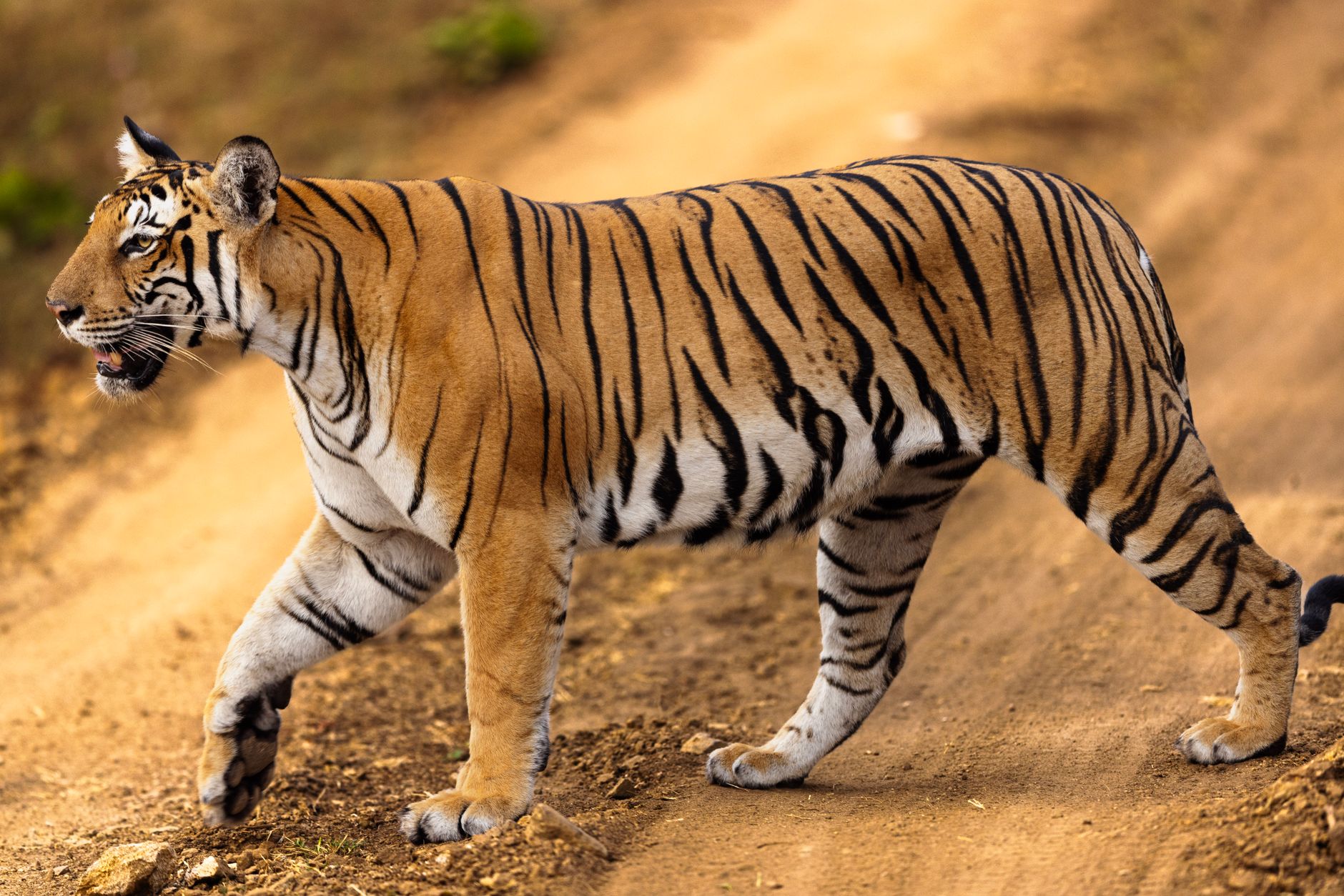
The tiger, Panthera tigris, reigns supreme in its habitat. Its power, agility, and striking appearance are legendary. But beyond its physical prowess lies a fundamental aspect of its biology: its diet. Why do tigers not eat plants? The answer is rooted in millions of years of evolution that have sculpted the tiger into the ultimate carnivore. Their survival depends solely on the consumption of animal flesh, and their bodies are perfectly suited to this specialized lifestyle.
The Obligate Carnivore: Built for Meat

The term “obligate carnivore” is key to understanding a tiger’s diet. It means that the tiger requires nutrients found only in animal flesh to survive. Unlike omnivores (like humans or bears) or herbivores (like deer or elephants), tigers cannot efficiently digest or extract sufficient nutrition from plant matter.
Physiological Adaptations for a Meat-Based Diet
Several critical physiological adaptations demonstrate why do tigers not eat plants.
-
Digestive System:
- Short digestive tract: This is crucial for processing meat quickly before it putrefies. Plants require a longer digestive process, which tigers simply don’t have.
- Highly acidic stomach: The acidic environment kills bacteria in meat and facilitates efficient protein digestion.
- Limited ability to digest cellulose: Plant cell walls are made of cellulose, which requires specialized enzymes and gut bacteria to break down. Tigers lack these, rendering plant matter largely indigestible.
-
Teeth and Jaws:
- Large canines: Ideal for killing prey and tearing flesh.
- Powerful jaws: Necessary for crushing bones and consuming large quantities of meat.
- Carnassial teeth (specialized shearing teeth): Used for efficiently cutting through flesh and hide.
-
Metabolic Needs:
- High protein requirement: Crucial for muscle maintenance, growth, and energy. Meat is the most readily available and digestible source of protein for tigers.
- Vitamin A derived from animal sources: Tigers cannot synthesize Vitamin A from plant-based beta-carotene as efficiently as herbivores and omnivores. They rely on preformed Vitamin A found in animal livers and other organs.
- Taurine requirement: An essential amino acid vital for heart function, eye health, and reproduction. Taurine is primarily found in animal tissues.
The Nutritional Deficiencies of Plants for Tigers
Even if a tiger were to consume a significant amount of plant matter, it wouldn’t be able to derive the necessary nutrients. Plants are simply not a good source of the high protein, taurine, Vitamin A, and other vital nutrients that tigers need.
Evolutionary Pressures: Refining the Carnivore
Evolution has shaped the tiger over millions of years, optimizing it for a carnivorous lifestyle. Natural selection favors traits that enhance hunting success, efficient digestion of meat, and overall survival. Over time, tigers have become increasingly specialized for their meat-based diet, further reinforcing why do tigers not eat plants.
Competition and Resource Availability
In their natural habitats, tigers compete with other animals for food. Prioritizing meat as their primary food source gives them a competitive edge because other large predators, such as wolves or leopards, generally consume similar prey. Adapting to eat plants would put them in competition with herbivores for limited resources. It’s more energetically efficient for a tiger to hunt and consume meat than to try and digest plants.
Dietary Variations: When Tigers Eat “Plants” Accidentally
While tigers are strictly carnivores, there might be instances where they consume small amounts of plant matter incidentally. This usually happens when:
- They ingest plant material present in the stomach of their prey.
- They eat grass occasionally, possibly to aid digestion or purge parasites.
However, this incidental consumption is minimal and provides no significant nutritional value. It’s important to understand that this is not the same as actively choosing to eat plants as a food source.
Frequently Asked Questions (FAQs)
Why can’t tigers digest plants properly?
Tigers lack the specialized digestive enzymes and gut bacteria needed to break down the cellulose found in plant cell walls. Their digestive systems are designed for efficient protein digestion, not processing complex carbohydrates and fiber.
What nutrients would a tiger miss if it tried to live on plants?
A tiger attempting to live on plants would suffer from severe protein deficiency, as well as deficiencies in essential amino acids like taurine and vitamins like Vitamin A. These deficiencies would lead to muscle loss, organ damage, and ultimately, death.
Do tigers ever eat grass to help with digestion like dogs and cats?
Yes, tigers have been observed to occasionally eat grass. The exact reason is not fully understood, but it’s believed to help with digestion, purge parasites, or relieve nausea. This is not the same as including plants as part of their regular diet.
Could a tiger be trained to eat plants?
While a tiger might be trained to eat some plant matter, it would never thrive on a plant-based diet. The tiger’s physiology is simply not designed for it, and it would suffer significant health problems.
Are there any documented cases of tigers eating plants as a significant part of their diet?
There are no credible documented cases of tigers consuming plants as a significant part of their diet in the wild. Reports of such behavior are typically anecdotal and lack scientific evidence.
How does a tiger’s teeth structure contribute to its carnivorous diet?
A tiger’s teeth are perfectly suited for a carnivorous lifestyle. Their large canines are designed for killing prey, their powerful jaws for crushing bones, and their carnassial teeth for shearing through flesh. These dental adaptations are crucial for efficiently consuming meat.
What role does hunting play in a tiger’s dietary needs?
Hunting is essential for a tiger’s survival. It provides the necessary protein, fat, and other nutrients that they cannot obtain from plants. Hunting also plays a role in the tiger’s physical and mental well-being.
How does a tiger’s short digestive tract contribute to its reliance on meat?
The short digestive tract is an adaptation to quickly process meat before it putrefies. Unlike herbivores with long digestive tracts for processing plants, tigers require a short system for efficient protein digestion and minimal fermentation.
What is the significance of taurine in a tiger’s diet?
Taurine is an essential amino acid vital for heart function, eye health, and reproduction in tigers. It is primarily found in animal tissues, making meat an essential part of their diet to obtain sufficient taurine.
How do tigers obtain Vitamin A, and why can’t they rely on plant-based sources?
Tigers obtain Vitamin A from animal sources, particularly liver and other organs. While some animals can convert beta-carotene in plants into Vitamin A, tigers cannot do this efficiently. They rely on preformed Vitamin A found in animal tissues.
Does a tiger’s habitat influence its dietary choices?
A tiger’s habitat influences the availability of prey. Tigers require a consistent supply of large prey animals, such as deer, wild boar, and buffalo, to meet their nutritional needs. A habitat with limited prey availability can lead to starvation and death.
Why is it important to understand the dietary needs of tigers in conservation efforts?
Understanding the dietary needs of tigers is crucial for conservation efforts. Ensuring that tigers have access to sufficient prey populations is essential for their survival in the wild. Habitat loss and poaching can significantly impact prey availability, threatening tiger populations. Protecting and managing tiger habitats and prey populations are vital for their long-term conservation.