

Why Do Shark Teeth Pop Out? The Perpetual Dental Revolution of Sharks
Sharks’ teeth constantly pop out due to their unique dental structure and the absence of roots anchoring teeth securely to the jaw; instead, they rely on connective tissue and a conveyor belt system of replacement teeth. This remarkable adaptation ensures a perpetual supply of sharp, effective biting tools throughout their lives.
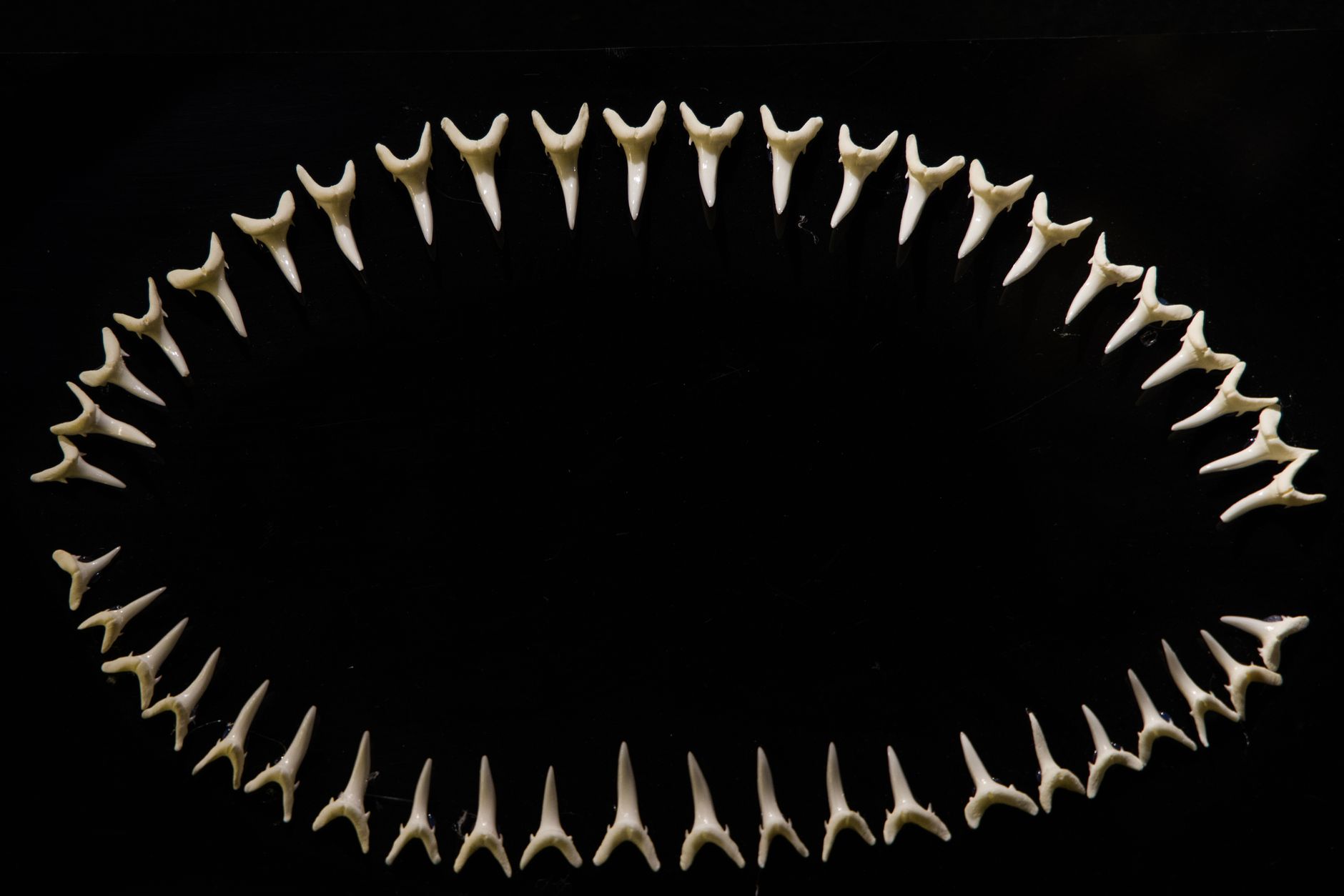
The Shark’s Unique Dental Arrangement
Unlike humans, who have a limited number of teeth that are firmly rooted in their jaws, sharks possess a cartilaginous skeleton and a dental structure that continuously replaces teeth. This adaptation is crucial for their survival as apex predators.
The Absence of Roots and Bone Structure

A key reason why do shark teeth pop out? is the absence of true tooth roots. Human teeth are anchored to the jawbone by long roots, but shark teeth simply rest on the connective tissue of their gums. Furthermore, sharks have cartilaginous skeletons instead of bony ones. This cartilage doesn’t provide the same rigid support for teeth as bone does. Because of this weak attachment, teeth are easily dislodged during feeding.
The Conveyor Belt System of Tooth Replacement
The magic behind a shark’s endless supply of teeth lies in its conveyor belt system. Behind the functional row of teeth, multiple rows of replacement teeth are developing. These teeth are embedded in the gum tissue and constantly migrate forward. When a front tooth is lost, the next one in line simply slides into place, ready to be used. Why do shark teeth pop out? Because this constant renewal is built into their anatomy.
Wear and Tear in a Predator’s Life
Sharks use their teeth to capture, grip, and tear apart their prey. This process puts considerable strain on their teeth, leading to wear and tear, damage, and even tooth loss. Biting into bony fish or struggling with large prey items can easily dislodge a tooth that is only loosely attached.
Species-Specific Tooth Morphology
The shape and size of a shark’s teeth vary greatly depending on the species and its diet. Different tooth morphologies reflect the different feeding strategies employed by various sharks.
- Serrated Teeth: Great White Sharks have broad, serrated teeth for tearing chunks of flesh from large prey.
- Needle-Like Teeth: Sand Tiger Sharks have long, slender teeth ideal for impaling smaller fish.
- Pavement-Like Teeth: Nurse Sharks have flattened teeth for crushing crustaceans and shellfish.
This diversity of tooth shapes influences how easily a tooth might pop out. For example, a delicately pointed tooth might be more prone to breakage than a more robust, triangular tooth.
Benefits of Continuous Tooth Replacement
The continuous replacement of teeth provides several key advantages to sharks:
- Consistent Hunting Ability: Ensures that sharks always have a sharp and effective bite.
- Adaptation to Diet: Allows for specialization and adaptation to different prey types.
- Longevity: Contributes to the shark’s overall lifespan by allowing them to remain efficient hunters.
Environmental Factors Influencing Tooth Loss
Environmental factors can also influence the rate at which shark teeth pop out. A shark preying on particularly tough or abrasive food sources, or encountering unusually strong resistance during hunting, is likely to lose teeth more frequently. Water temperature, the presence of parasites or diseases, and the availability of food can all have an impact.
Common Misconceptions about Shark Teeth
It’s a common misconception that sharks constantly lose teeth at an alarming rate, but the actual rate of tooth loss varies significantly between species and individuals. Factors like diet, environment, and age all play a role. Some sharks may only lose a few teeth per week, while others could lose several each day.
Finding Shark Teeth: A Popular Hobby
Because sharks constantly lose teeth, finding fossilized or recently shed shark teeth is a popular hobby along coastlines worldwide. The shape and size of the tooth can help identify the shark species it came from. These teeth can be found on beaches, in riverbeds, and even in deep-sea sediments.

Frequently Asked Questions about Shark Teeth Loss
How many teeth can a shark lose in its lifetime?
A single shark can lose thousands of teeth throughout its lifespan, potentially exceeding 20,000. The exact number depends on the species, its diet, and its lifespan. This prolific tooth production is a testament to the efficiency of their unique dental system.
Do all sharks lose teeth at the same rate?
No, the rate of tooth loss varies significantly depending on the species, age, diet, and habitat of the shark. For example, a shark feeding on crustaceans will likely lose teeth at a different rate than one preying on seals. Younger sharks, which tend to be more active hunters, also tend to shed more teeth.
Are shark teeth made of bone?
No, shark teeth are made of dentine, a hard, dense material similar to human teeth but with a different structure. They are covered with a layer of enameloid, which is harder than the enamel found on human teeth. This helps provide extra protection and sharpness to their teeth.
What happens to the lost shark teeth?
Lost shark teeth either sink to the ocean floor and become fossils over millions of years, or they are washed ashore and collected by beachcombers. Some are also ingested by other marine animals or break down over time due to the action of saltwater.
Can sharks regrow damaged or broken teeth?
Yes, sharks constantly regrow replacement teeth. When a tooth is damaged or broken, the next tooth in line from the conveyor belt system moves forward to take its place. This ensures a continuous supply of functional teeth.
Do baby sharks lose teeth like human children?
Yes, like other animals, young sharks also lose teeth. As they grow, their smaller teeth are replaced by larger, more robust teeth better suited for catching larger prey. This ensures that as the shark gets older, its mouth develops to be able to manage the food available to it.
What is the purpose of the multiple rows of teeth in a shark’s mouth?
The multiple rows of teeth serve as a backup system. When a front tooth is lost or damaged, a replacement tooth from the row behind it moves forward to take its place. This ensures that the shark always has a functional set of teeth for hunting and feeding.
Can you tell the species of a shark from its tooth?
Yes, often you can. The shape and size of a shark’s tooth are often unique to its species. By studying the morphology of the tooth, experts can identify the type of shark it came from and even infer aspects of its diet and lifestyle.
Is it dangerous to handle shark teeth?
While found shark teeth are generally safe to handle, recently shed teeth might have traces of blood or tissue, so it’s always best to wash your hands after handling them. Be aware of surrounding marine life and respect their habitat while searching for teeth.
Are shark teeth valuable?
Some shark teeth are valuable, especially those from extinct species like the Megalodon. The value depends on the size, condition, and rarity of the tooth. Fossilized teeth are particularly prized by collectors.
How can I tell if a shark tooth is real?
Real shark teeth have certain distinguishing characteristics, such as their unique shape and composition. Examine the tooth for serrations, a glossy enameloid covering, and a slightly porous root. Fake teeth are often made of plastic or resin and lack these features.
Why do some shark teeth have different colors?
The color of a shark tooth depends on the minerals present in the surrounding sediment where it was fossilized. Different minerals can result in different colors, such as black, brown, gray, or even white. The most common cause of the discoloration is the presence of iron.