

Why Do Mountain Lions Bury Their Kill? The Secrets of Food Caching
Mountain lions bury their kill primarily to protect it from scavengers and competitors, effectively creating a food cache that allows them to return to their meal over several days or even weeks, and also reduces the potential for attracting unwanted attention to the area. This behavior is crucial for their survival and resource management.

Background: The Life of a Solitary Predator
Mountain lions, also known as cougars, pumas, or panthers, are solitary predators that roam vast territories across the Americas. Their hunting success isn’t guaranteed, and securing a large prey animal like a deer or elk requires significant energy and risk. Once a kill is made, the challenge becomes protecting that valuable resource from other predators like bears, wolves, coyotes, and vultures. Food scarcity and competition are constant threats. This evolutionary pressure is a key reason why do mountain lions bury their kill?
Benefits of Burying Their Kill
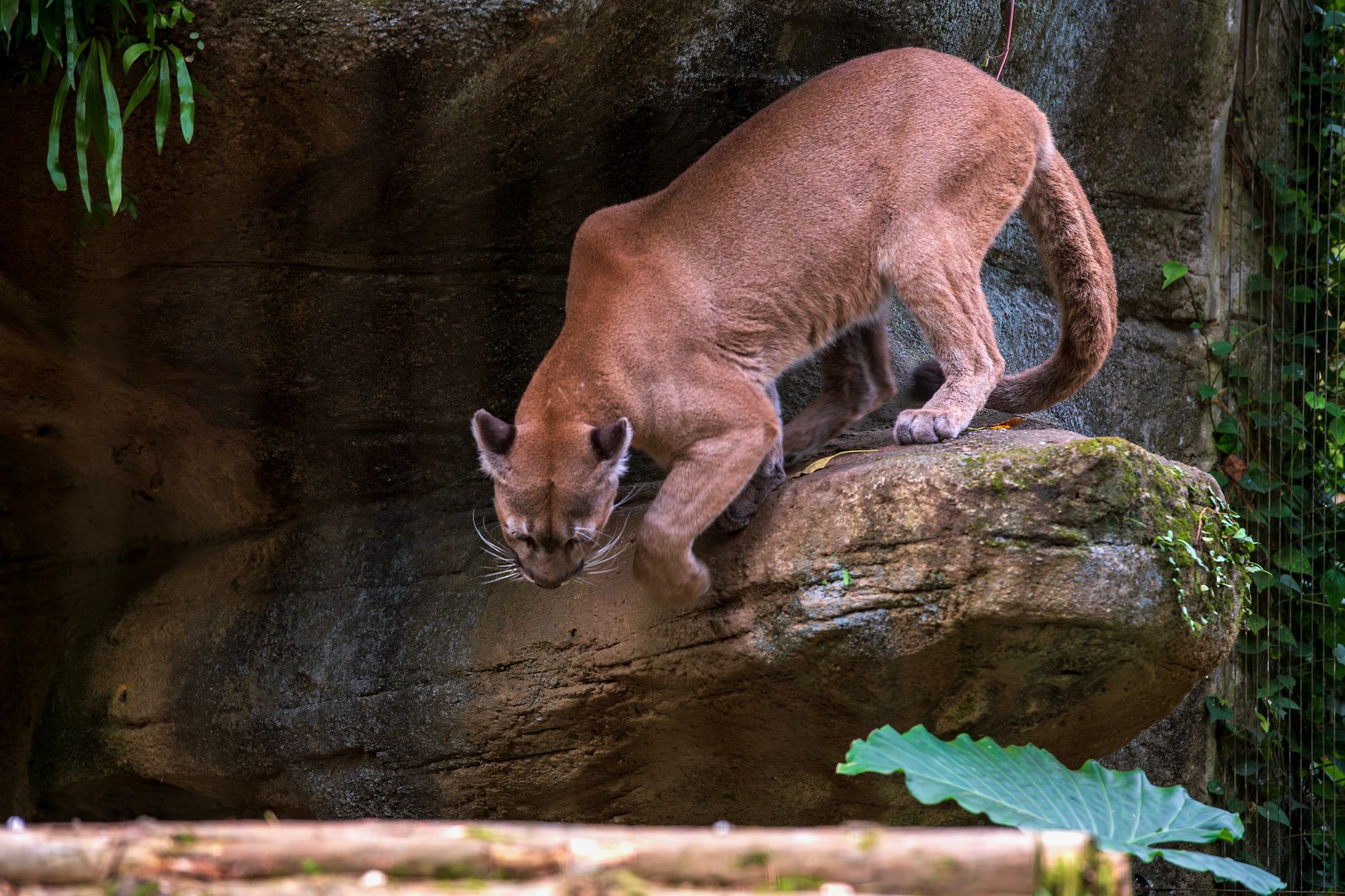
Burying their kill provides multiple benefits to mountain lions:
- Reduced Scavenging: The primary benefit is deterring scavengers. Covering the carcass with debris like leaves, dirt, and snow makes it harder for other animals to locate and steal the food.
- Extended Meal Availability: By preserving the carcass, mountain lions can return to feed over several days or even weeks. This is especially important after a large kill, providing a reliable food source.
- Camouflaged Scent: Burying a carcass helps to mask the scent, reducing the likelihood of attracting unwanted attention from other predators or even humans.
- Protection from Elements: Burying can protect the kill from the elements, such as sun and rain, slowing down decomposition and extending its edibility.
- Resource Management: It allows the cat to control access to this food source, returning to it repeatedly.
The Burying Process: A Mountain Lion’s Masterpiece
The burying process is an instinctual behavior, honed over generations. Here’s a breakdown of the typical steps:
- Consumption: The mountain lion typically starts by consuming as much of the kill as possible in the initial feeding. This may include the organs, which are rich in nutrients.
- Dragging: The carcass is dragged to a nearby location, often a sheltered spot under trees or near rocks.
- Scraping: Using its powerful forelegs and claws, the mountain lion scrapes together available materials like leaves, dirt, pine needles, and snow.
- Covering: These materials are then pushed and piled on top of the carcass, effectively creating a makeshift burial mound.
- Compacting: The mountain lion may also use its paws and body to compact the covering, further concealing the kill.
- Monitoring: They frequently return to the site to feed and replenish the covering if necessary.
Potential Drawbacks
While burying offers many advantages, it’s not without potential drawbacks:
- Energy Expenditure: The process of dragging and burying a large carcass requires significant energy.
- Risk of Injury: The mountain lion could be injured during the burying process, especially if the terrain is rough or the carcass is heavy.
- Incomplete Concealment: If the burial is not done effectively, scavengers may still be able to locate the kill.
- Attracting Smaller Scavengers: Even a well-buried kill can attract insects and other small scavengers.
Common Mistakes in Burying
Younger or inexperienced mountain lions may make mistakes in the burying process, leading to reduced effectiveness. Common mistakes include:
- Insufficient Covering: Not using enough material to adequately conceal the carcass.
- Poor Location Choice: Choosing a burial site that is easily accessible to scavengers.
- Inadequate Compaction: Failing to properly compact the covering, leaving it loose and easily disturbed.
- Not Returning: Not returning to monitor the site and replenish the covering as needed.
Alternative Food Storage Techniques
While burying is the most common method, mountain lions sometimes use other techniques to preserve their kills. In areas with deep snow, they may simply cache the carcass in the snow, allowing it to freeze. In other cases, they may drag the kill into dense vegetation, hoping the thick cover will deter scavengers. However, burying remains the preferred strategy in most situations.
Comparison Table: Burying vs. Other Methods
| Method | Description | Advantages | Disadvantages |
|---|---|---|---|
| Burying | Covering carcass with debris. | Effective concealment, protects from elements, extended availability. | Energy expenditure, risk of injury, incomplete concealment. |
| Snow Caching | Leaving carcass exposed in deep snow. | Natural refrigeration, minimal effort. | Limited to snowy environments, relies on consistent freezing temperatures. |
| Dense Vegetation | Dragging carcass into thick vegetation. | Requires minimal effort, some concealment. | Less effective than burying, scavengers can still access the kill. |

Frequently Asked Questions about Mountain Lion Food Caches
Why do mountain lions bury their kill instead of eating it all at once?
Mountain lions cannot consume an entire large kill in a single sitting. Burying allows them to create a food cache and return to the carcass over several days or weeks, reducing waste and maximizing the nutritional benefits of their hard-earned prey.
How long can a mountain lion’s buried kill last?
The lifespan of a buried kill depends on factors like temperature, humidity, and the effectiveness of the burial. In cool, dry conditions, a buried kill can last for up to two weeks or even longer. However, in warmer, wetter environments, decomposition occurs more rapidly, reducing its edibility.
Do mountain lions always return to their buried kill?
No, mountain lions do not always return to their buried kill. Sometimes, they may abandon it due to factors like disturbance by other predators, changes in environmental conditions, or simply finding another food source.
Can humans get sick from eating a mountain lion’s buried kill?
Yes, humans can potentially get sick from eating a mountain lion’s buried kill. The carcass may contain bacteria, parasites, or toxins that can cause illness. It is strongly advised to never consume a carcass found in the wild.
How do mountain lions find their buried kill after burying it?
Mountain lions primarily use their sense of smell to locate their buried kill. They also have a remarkable spatial memory and can remember the location of their caches even after several days or weeks.
Do other animals bury their kill besides mountain lions?
Yes, other animals, such as wolves, foxes, and bears, also bury or cache their food to protect it from scavengers and extend its availability.
How deep do mountain lions bury their kill?
The depth of burial varies depending on the size of the carcass, the availability of materials, and the mountain lion’s individual preferences. However, they typically aim to create a covering that is several inches to a foot thick.
Does burying a kill attract other mountain lions?
Burying a kill can potentially attract other mountain lions, especially if the scent is not effectively masked. However, mountain lions are generally solitary animals and tend to avoid each other.
Is it safe to approach a mountain lion’s buried kill?
No, it is never safe to approach a mountain lion’s buried kill. Mountain lions are fiercely protective of their food and may attack if they feel threatened.
What happens to the remains of a mountain lion’s buried kill after it’s abandoned?
Once a mountain lion abandons its buried kill, the remains are typically scavenged by other animals or decompose naturally. The nutrients from the carcass eventually return to the ecosystem.
Does the size of the prey affect Why do mountain lions bury their kill?
Yes, the size of the prey definitely affects why do mountain lions bury their kill. Larger prey items are more likely to be buried because they provide a significant amount of food that cannot be consumed in one sitting, making preservation essential.
What role does habitat play in burying behavior?
The habitat significantly influences burying behavior. In environments with abundant loose soil, leaves, and snow, burying is easier and more effective. In rocky or barren landscapes, mountain lions may adapt by caching in crevices or dense vegetation. This adaptability is crucial for their survival in varied terrains.