
Why Do Dogs Cry When They See Us?: Decoding Canine Tears of Joy
Dogs don’t actually cry in the human sense, but the emotional expression and vocalizations they exhibit when reunited with loved ones are indeed a sign of intense joy and excitement. This article explains why do dogs cry when they see us, exploring the fascinating science and behavior behind this heartwarming phenomenon.
Understanding Canine Tears: More Than Meets the Eye
While dogs do produce tears to keep their eyes healthy and lubricated, these are different from the emotional tears humans shed. When we talk about dogs “crying” when they see us, we’re usually referring to a combination of behaviors: whining, whimpering, excited yelping, tail wagging, and sometimes, even joyful urination. Understanding these behaviors is key to understanding the emotion behind them.
The Science of Joyful Reunions

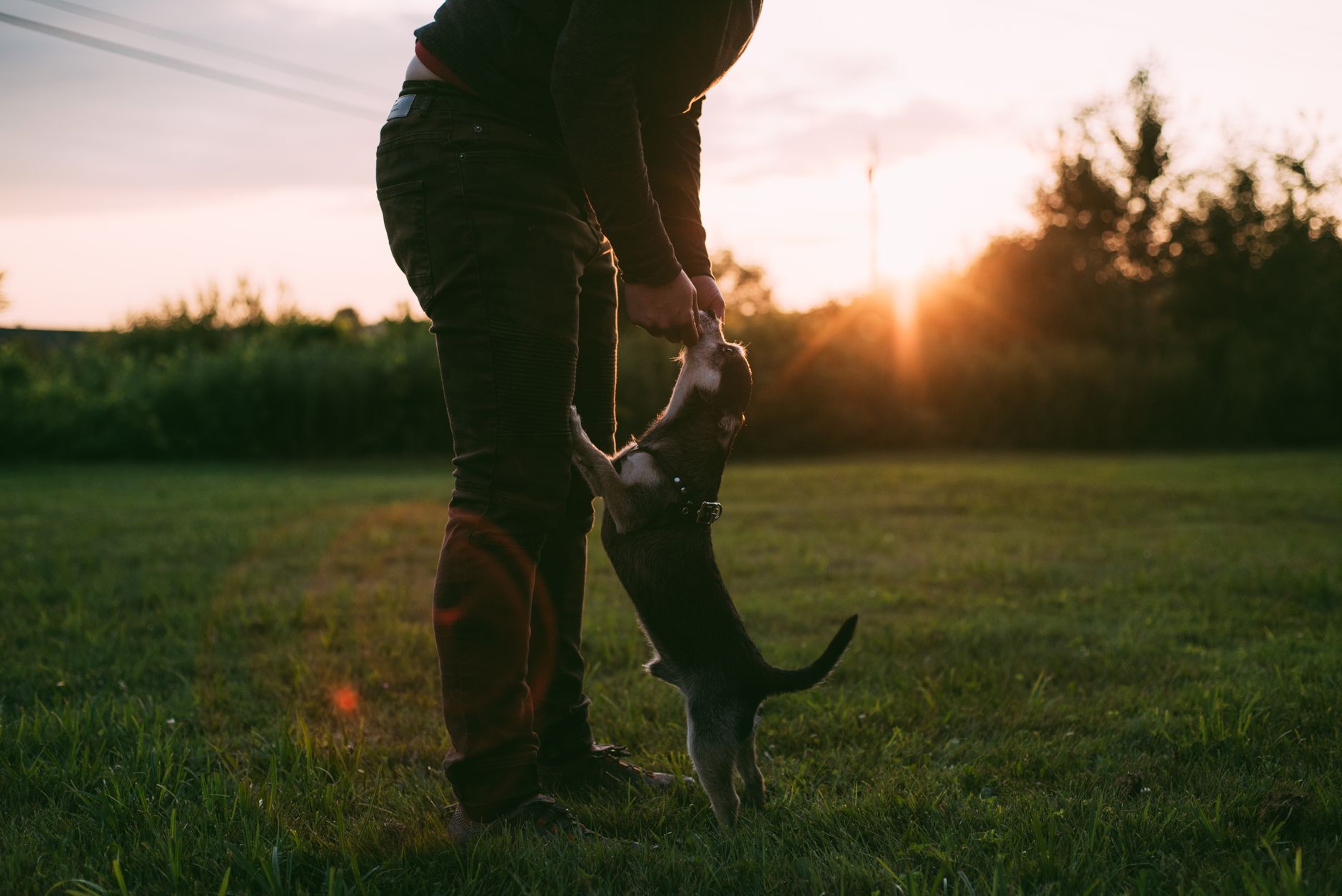
Why do dogs cry when they see us? The answer lies in the complex interplay of canine emotions and social bonds. Dogs are highly social animals who have evolved to form strong attachments to their human families. When separated from their loved ones, these bonds create a sense of anticipation and excitement. Upon reunion, this pent-up energy is released through a variety of expressive behaviors.
- Hormonal Release: Reunions trigger the release of oxytocin, the “love hormone,” in both dogs and humans. This strengthens the bond and creates feelings of happiness and well-being.
- Excitement Overload: The sheer joy of seeing their human companion can be overwhelming, leading to whining, barking, and other displays of excitement.
- Communication: These behaviors are also a form of communication. Dogs are letting us know how happy they are to see us and reinforcing the bond.
Separating Fact from Fiction: Common Misconceptions
It’s important to distinguish between genuine excitement and other potential causes of “crying” in dogs.
- Anxiety: Some dogs may whine or exhibit other distress signals due to separation anxiety, rather than joy.
- Pain or Discomfort: It’s crucial to rule out any underlying medical issues that might be causing the dog to vocalize or appear distressed.
- Learned Behavior: In some cases, dogs may have learned that “crying” gets them attention, reinforcing the behavior.
Deciphering the Signs: What to Look For
To accurately interpret your dog’s behavior, consider the context and observe their overall body language.
- Positive Indicators:
- Tail wagging (especially loose and relaxed)
- Ears relaxed or forward
- Play bow (a posture indicating a desire to play)
- Licking
- Negative Indicators:
- Tucked tail
- Ears pinned back
- Excessive panting
- Pacing
- Lip licking (can indicate stress)
| Behavior | Likely Emotion |
|---|---|
| Whining, wagging tail, jumping | Excitement, Joy |
| Tucked tail, panting, lip licking | Anxiety, Stress |
| Limping, yelping when touched | Pain |
| Constant barking, destructive behavior | Separation Anxiety |
Managing the Excitement: Tips for Dog Owners
While it’s heartwarming to see your dog so happy, excessive excitement can sometimes be problematic. Here are some tips for managing your dog’s joyful greetings:
- Stay Calm: When you arrive home, avoid making a big fuss. A calm greeting will help your dog regulate their excitement.
- Provide Exercise: Ensure your dog gets plenty of exercise to burn off excess energy.
- Training: Teach your dog a “sit” or “stay” command to help them control their impulses.
- Ignore Excessive Behavior: If your dog jumps or barks excessively, ignore them until they calm down. Then, give them attention.
The Enduring Bond: A Testament to Canine Love
Why do dogs cry when they see us? Because we are their family, their pack, their whole world. Their exuberant displays of affection are a testament to the unconditional love and unwavering loyalty that dogs offer. By understanding their behavior and providing them with the care and attention they need, we can strengthen our bond and ensure a happy and fulfilling life for our canine companions.
Frequently Asked Questions (FAQs)
What does it mean when my dog cries but doesn’t wag its tail?
If your dog is crying without wagging its tail, it’s likely not an expression of joy. Instead, it could indicate anxiety, fear, pain, or discomfort. Observe other body language cues and consult with your veterinarian if you’re concerned.
Is it normal for my dog to pee when they get excited to see me?
Excitement urination, also known as submissive urination, is more common in puppies and young dogs. It’s usually a sign of excitement and submission. Most dogs grow out of it with age and training.
How can I tell if my dog’s crying is due to separation anxiety?
Signs of separation anxiety include excessive barking, destructive behavior, pacing, and elimination accidents when you’re away from home. If you suspect your dog has separation anxiety, consult with a veterinarian or a certified dog trainer.
Can dogs cry real tears of sadness?
While dogs do produce tears to keep their eyes lubricated, there’s no scientific evidence that they cry emotional tears like humans do. Their expressions of sadness are usually conveyed through body language and vocalizations.
Why does my dog only cry when a specific person comes home?
The intensity of a dog’s reaction often depends on the strength of the bond they have with a particular person. The person they “cry” for is likely someone they have a particularly strong attachment to.
Is it possible to train my dog to be less excitable during greetings?
Yes, with consistent training and positive reinforcement, you can teach your dog to control their excitement. Start by teaching them a “sit” or “stay” command and rewarding them for calm behavior.
What are some underlying medical conditions that could cause my dog to cry?
Certain medical conditions, such as pain, glaucoma, or infections, can cause a dog to vocalize and appear distressed. If you’re concerned about your dog’s behavior, consult with your veterinarian.
Does breed play a role in how emotional a dog is?
While individual personalities vary, some breeds are known for being more emotionally expressive than others. For example, Labrador Retrievers and Golden Retrievers are generally known for their happy and outgoing personalities.
What’s the difference between crying and whining?
Whining is a type of vocalization that can express a variety of emotions, including excitement, frustration, and anxiety. “Crying,” in the context of joyful reunions, often involves a combination of whining, whimpering, and other expressive behaviors.
Are there any toys or activities that can help reduce my dog’s excitement levels?
Puzzle toys and interactive games can help redirect your dog’s energy and reduce their excitement levels. These toys provide mental stimulation and can help keep them entertained.
How can I make my dog feel more secure when I leave the house?
Create a safe and comfortable environment for your dog when you’re away from home. Provide them with a cozy bed, their favorite toys, and a radio or TV playing soft music.
Why do some dogs “cry” more than others?
Just like humans, dogs have different personalities and express emotions in different ways. Some dogs are simply more expressive than others. Factors such as breed, age, and past experiences can also play a role. This helps to explain why do dogs cry when they see us differently.